Understanding the exact Lotus Tea Traditional Scenting Process Facts is absolutely essential for agricultural importers, international tea sommeliers, and FMCG distributors who want to comprehend why this specific scented tea commands such a massive premium in the global market. Unlike generic, artificially flavored teas, authentic lotus tea is meticulously engineered using a time-intensive, labor-heavy artisanal process that infuses high-grade green tea leaves with the volatile aromatic oils of real, freshly harvested lotus blossoms, delivering a deeply satisfying, natural refreshment that appeals to purists and luxury demographics.
For international procurement teams and supply chain managers looking to capitalize on this immense global demand, reviewing the operational logistics of the wholesale supply chain is the mandatory next strategic step. However, before investing in bulk container loads, buyers must fully understand the botanical and sensory components that make this tea a high-margin retail juggernaut.
Table of Contents
-
The Botanical Base: High-Altitude Green Tea
-
The Scenting Matrix: Real Lotus Blossoms
-
Sensory Profile: Essential Lotus Tea Traditional Scenting Process Facts
-
Chemical Safety and Dietary Synergy
-
Global Procurement Strategy
The Botanical Base: High-Altitude Green Tea
When analyzing the massive commercial success of this globally recognized beverage, the primary differentiator lies in the precise, scientifically engineered base of its core botanical ingredients.
Unlike standard commodity teas, premium lotus tea utilizes high-altitude, un-fermented Camellia sinensis green tea leaves, most famously sourced from the Thai Nguyen province in Vietnam. These leaves are deliberately processed to have an open, slightly porous cellular structure. This specific processing style ensures that the tea acts as an optimal “sponge,” ready to absorb and lock in the delicate floral oils during the scenting process, while maintaining a smooth, naturally sweet baseline flavor that lacks harsh, bitter tannins.
The Scenting Matrix: Real Lotus Blossoms
A critical element within the manufacturing cycle is the heavy reliance on seasonal, manual agricultural harvesting and precision botanical balancing.
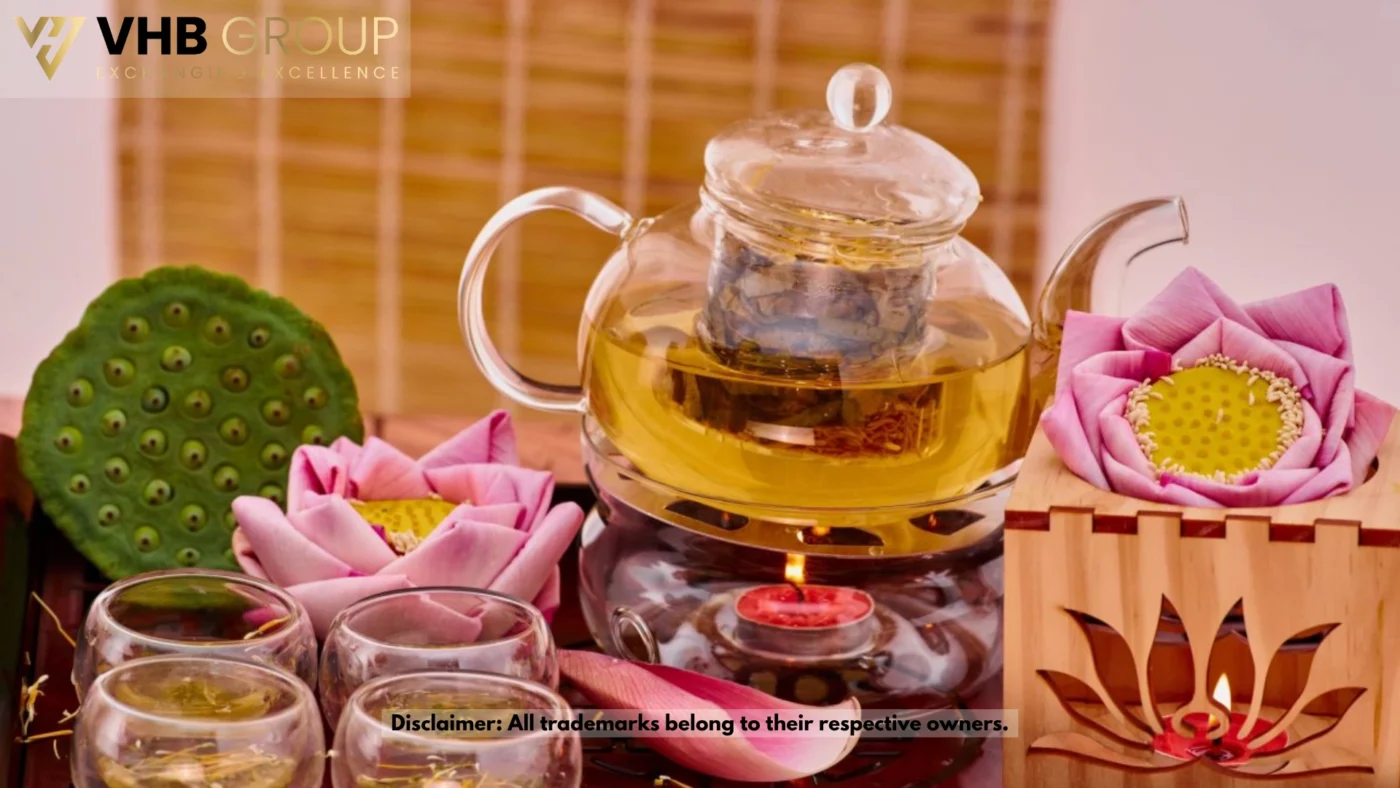
To separate the brand from cheap, chemically flavored teas, traditional facilities engineer a highly inefficient but incredibly luxurious scenting matrix. The process begins before dawn, harvesting fresh lotus blossoms before they fully open. The delicate stamens (the pollen-bearing part of the flower known as “gạo sen”) are manually extracted. Layers of premium green tea are alternated with layers of fresh lotus stamens and left to incubate in a humidity-controlled environment for 18 to 24 hours. The tea is then carefully sifted and slowly roasted to remove moisture. For ultra-premium grades, this laborious scenting and roasting cycle is repeated up to seven times, requiring thousands of lotus blossoms to produce a single kilogram of tea.
View Lotus Flower Reference on Wikimedia Commons

Sensory Profile: Essential Lotus Tea Traditional Scenting Process Facts
The most distinctive physical characteristic of the tea upon brewing is its bright, clear, pale-yellow liquor and the aggressively bright, intoxicating aromatic burst of warm, vanilla-like floral notes.
Balancing Floral Sweetness and Tea Astringency
The Lotus Tea Traditional Scenting Process Facts matrix is heavily characterized by its clean, layered profile. The beverage relies on a massive dose of natural floral essential oils cutting through the mild, grassy, and savory notes of the green tea base. The result is a highly addictive, full-bodied infusion that leaves a lingering, sweet, and cooling coat on the palate.
Chemical Safety and Dietary Synergy
To fully grasp the commercial appeal, FMCG food distributors must analyze the macro-chemical profile. A standard batch is carefully calibrated for maximum shelf stability and flavor delivery without artificial additives.
| Botanical Component | Function in the Blend | Safety & Quality Profile |
| High-Grade Green Tea | Provides the core botanical structure, caffeine, and L-theanine. | Natural botanical ingredient rich in catechins and antioxidants. |
| Lotus Flower Stamens | Provides the intense, authentic floral aroma and volatile oils. | 100% natural agricultural product; highly seasonal. |
| Trace Essential Oils | Naturally occurring oils (like linalool) absorbed during scenting. | Provides the relaxing aromatherapeutic sensory experience. |

Global Procurement Strategy
Mastering the core botanical facts and scenting matrices is the definitive key to understanding this product’s unstoppable global retail velocity in the luxury beverage aisle. From the careful harvesting of dawn-plucked lotus blossoms to the precision engineering of the multi-stage roasting process, every single element of this traditional recipe is designed to deliver a premium, highly satisfying tea. For international distributors and boutique supermarkets, stocking these authentic traditional variants guarantees access to a highly loyal, quality-focused consumer base.
Lotus Tea Scenting Process FAQ
Disclaimer: Unless otherwise stated, the images used in this article are the property of their respective owners. We do not claim ownership of any third-party images featured, and they are used here strictly for informational and educational purposes. If you are the copyright holder and wish to have an image removed, please contact us.