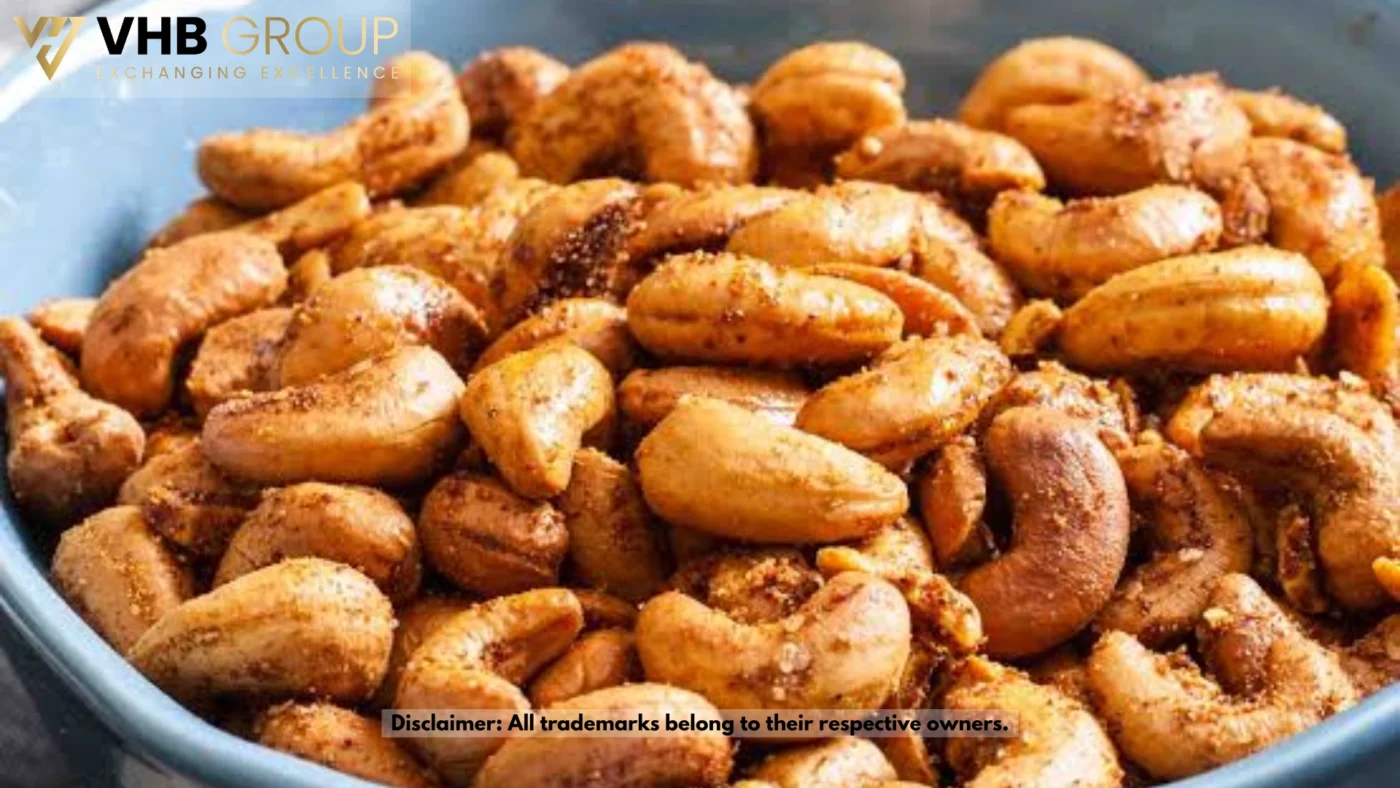
Understanding the exact Roasted Cashew Nuts Flavor & Crunch Facts is absolutely essential for agricultural importers, international snack buyers, and FMCG distributors who want to comprehend why this specific nut commands such massive consumer loyalty in the global market. Unlike raw nuts which can be soft and mildly astringent, properly roasted cashews are meticulously engineered using precision thermal processing that transforms the dense, starch-heavy kernel into a highly aromatic, buttery, and satisfyingly crunchy culinary staple, directly appealing to demographics seeking premium plant-based indulgence.
For international procurement teams and supply chain managers looking to capitalize on this immense global demand, reviewing the operational logistics of the wholesale supply chain is the mandatory next strategic step. However, before investing in bulk container loads, buyers must fully understand the chemical, nutritional, and sensory components that make this roasted nut a high-margin retail juggernaut.
Table of Contents
-
The Botanical Base: Raw Cashew Kernels
-
The Thermal Roasting and Moisture Matrix
-
Sensory Profile: Essential Roasted Cashew Nuts Flavor & Crunch Facts
-
Chemical Safety and Dietary Synergy
-
Wholesale Culinary Integration

The Botanical Base: Raw Cashew Kernels
When analyzing the massive commercial success of this globally recognized snack, the primary differentiator lies in the unique botanical structure of the kernel itself.
Unlike almonds or walnuts, cashews contain a highly unique macronutrient profile—they are relatively high in starch and lower in overall fat compared to other tree nuts, while boasting a significant proportion of heart-healthy oleic acid. This specific botanical matrix means that in their raw state, cashews lack a distinct crunch. The high-quality kernels sourced from Vietnam’s red basalt soils provide a naturally sweeter, creamier baseline flavor that serves as the perfect canvas for industrial roasting.
The Thermal Roasting and Moisture Matrix
A critical element within the manufacturing cycle is the heavy reliance on precision moisture control and thermal engineering to achieve the perfect texture.
View Roasted Cashew Kernels Reference on Wikimedia Commons
To transform the raw nut, industrial facilities utilize continuous belt roasters. The roasting process (whether dry-roasted or lightly oil-roasted) serves two critical functions. First, it drives the internal moisture content of the kernel down to roughly 2-3%. This moisture elimination is what physically creates the distinct “snap” and crunchy mouthfeel that consumers demand. Second, the heat triggers the Maillard reaction—a chemical interaction between the natural sugars and amino acids in the nut—which develops the rich, toasted, and caramelized flavor notes that define a premium roasted cashew.
Sensory Profile: Essential Roasted Cashew Nuts Flavor & Crunch Facts
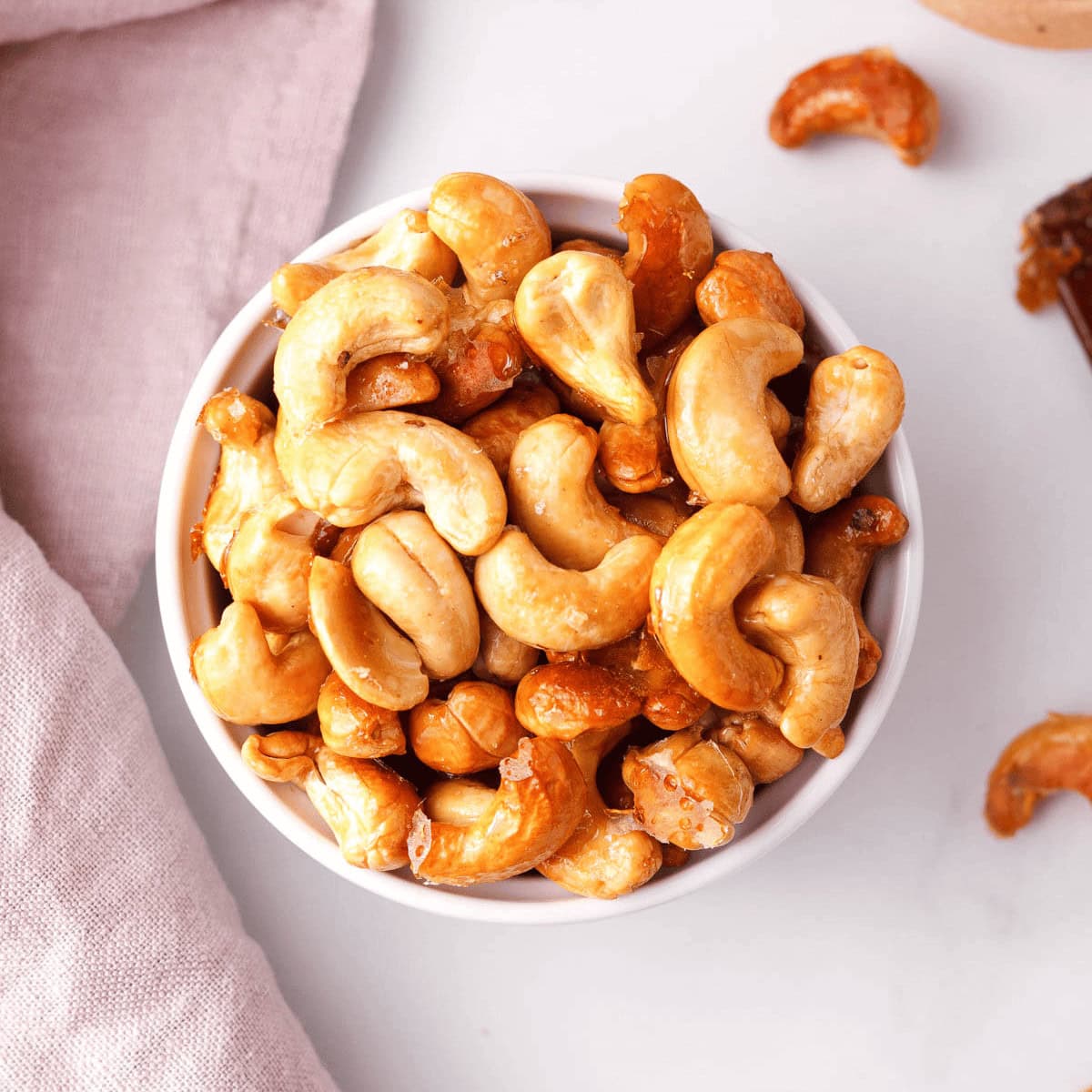
The most distinctive physical characteristic of the perfectly roasted cashew is its uniform golden-brown hue and the immediate, buttery aroma released upon opening the vacuum seal.
Balancing Richness, Salt, and Snap
The Roasted Cashew Nuts Flavor & Crunch Facts matrix is heavily characterized by its smooth, non-abrasive profile. Unlike almonds which have a hard, woody crunch, the starch content in a roasted cashew provides a softer, yielding snap that quickly breaks down into a rich, creamy texture on the palate. When lightly dusted with sea salt (the most popular commercial variant), the salinity perfectly enhances the natural, buttery sweetness of the kernel, leaving a highly addictive, savory aftertaste.
Chemical Safety and Dietary Synergy
To fully grasp the commercial appeal, FMCG food distributors must analyze the macro-chemical and safety profile. A standard bulk carton is carefully calibrated for maximum shelf stability and sensory delivery.
| Culinary Component | Function in the Matrix | Safety & Quality Profile |
| Cashew Kernel | Provides the core botanical structure, plant protein, and healthy fats. | Must pass strict testing for Aflatoxin limits (typically < 10 ppb). |
| Moisture Content | Dictates the exact level of crunch and shelf stability. | Strictly maintained between 2% and 4% to prevent mold and staleness. |
| Sea Salt (Optional) | Enhances natural sweetness and acts as a mild preservative. | Food-grade sodium chloride. |
| Oleic Acid | The primary monounsaturated fat inside the kernel. | Promotes cardiovascular health and provides the buttery mouthfeel. |
Wholesale Culinary Integration
Mastering the core culinary facts and roasting matrices is the definitive key to understanding this product’s unstoppable global retail velocity in the snack aisle. From the careful grading of the raw kernels to the precision engineering of the Maillard reaction during roasting, every single element of this processing cycle is designed to deliver a premium, highly satisfying food product. For international distributors and commercial bakeries, stocking these authentic Vietnamese-roasted variants guarantees access to a highly loyal, quality-focused consumer base.
Roasted Cashew Flavor Facts FAQ
Disclaimer: Unless otherwise stated, the images used in this article are the property of their respective owners. We do not claim ownership of any third-party images featured, and they are used here strictly for informational and educational purposes. If you are the copyright holder and wish to have an image removed, please contact us.