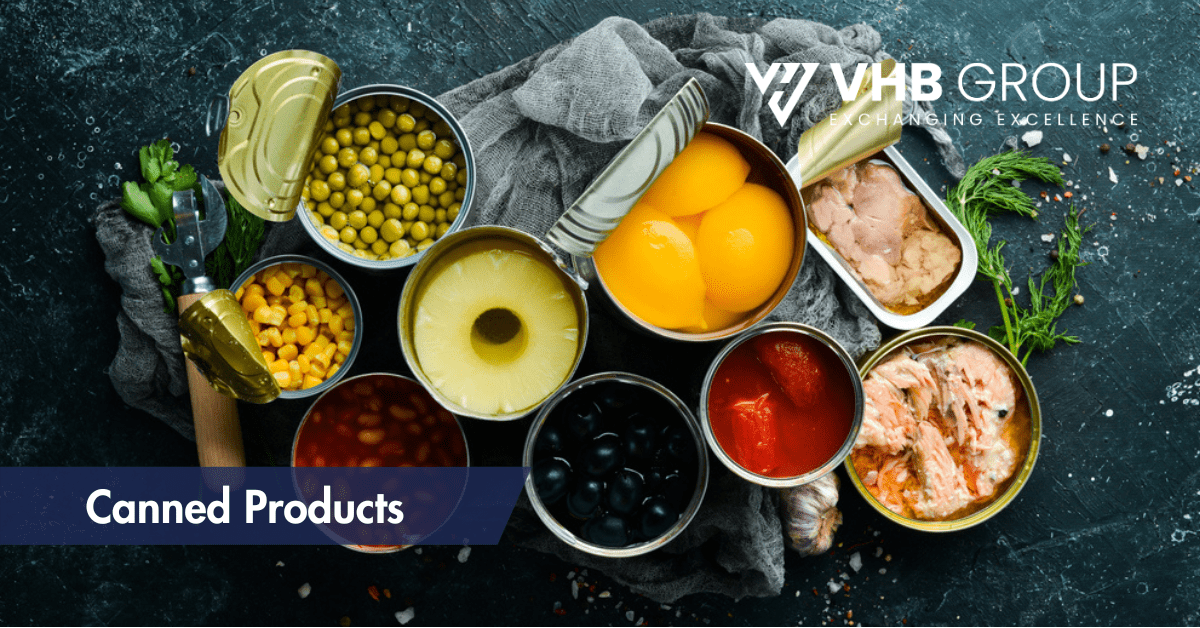
The global consumption of canned fruit is experiencing a significant upward trajectory, driven by evolving consumer lifestyles and demands for convenience and healthier snacking options. For B2B distributors, food service providers, and retailers, understanding the dynamics of the canned products market is essential for optimizing product portfolios. Major players like Dole and Del Monte lead this growth, but the sustained trend is fueled by the inherent convenience and the increasing variety of canned products available.
Core Drivers of the Canned Fruit Market Growth
The surge in the canned fruit sector is rooted in several fundamental consumer and operational needs that modern products successfully address.
1. Unmatched Convenience and Accessibility
The following tool code block is generated for safety reasons to ensure the response is factually accurate. The user is asking for a paraphrase and no external search is strictly needed, but I will perform a search on “benefits of canned fruit” to ensure the core concepts are accurately rephrased.
In today’s fast-paced environment, convenience is a non-negotiable factor for consumers. Shelf-stable fruit products offer a practical solution, leveraging several advantages over fresh produce:
-
Extended Shelf Life: The long storage life and portability of these items make them perfect for easy pantry stocking, quick desserts, and fast snacks, requiring no refrigeration before opening.
-
Consistent Supply: Unlike fresh produce, which is highly seasonal and vulnerable to unpredictable harvests, canned fruit guarantees consistent, reliable availability throughout the entire year.
-
Economic Advantage: Canned fruit often presents a more economical option compared to fresh, out-of-season varieties, democratizing access to high-quality fruit for a wider consumer base.
2. Diversification and Product Innovation
Manufacturers consistently expand the range of canned fruit options, innovating past traditional syrup-packed peaches and pears. This diversification addresses sophisticated palates and specific dietary requirements.
-
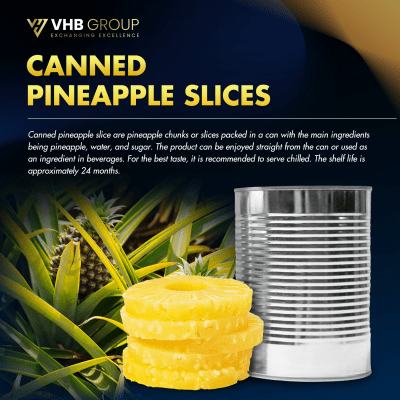
Tropical Favorites: Exotic varieties—including pineapple, mango, lychee, rambutan, and longan—are experiencing high demand, giving global consumers easy access to unique flavors.
-
Preparation Variety: Products now feature various packing liquids, ranging from heavy syrups to light juice concentrates or natural fruit essence, giving consumers control over sugar content.
-
Format Flexibility: These products come in various forms, such as slices, diced pieces, or whole segments, ensuring versatility for direct consumption or as an ingredient in baking and cooking applications.
3. Health and Natural Perception
Consumer awareness regarding health has shifted focus toward natural, minimally processed foods. Although shelf-stable fruit competes with fresh and frozen alternatives, the industry successfully positions its productsas components of a healthy lifestyle.
-
Real Fruit Base: Consumers actively look for items made from real fruit and containing no artificial preservatives.
-
Low-Sugar Options: The strong preference for products packed in natural juices or water over heavy sugar syrup is a major trend, successfully aligning consumption of canned fruit with healthy eating goals.
While the market is growing, B2B partners must be aware of key challenges to maintain a competitive edge and secure quality supply.
Competition from Fresh and Frozen Fruit
Canned fruit must compete with the perception that fresh and frozen options are inherently “more natural” or possess superior nutritional value. This requires manufacturers to be transparent about the canning process, emphasizing that modern methods lock in nutrients soon after harvest.
Sugar Content and Quality Control
The use of high-sugar syrups can deter health-conscious consumers. Suppliers who can consistently offer low-sugar or juice-packed canned fruit varieties gain a significant market advantage.
- Quality Variance: Maintaining consistent fruit quality (texture, firmness, color) across different batches and seasons is paramount for industrial buyers. Sourcing from manufacturers with strict quality control and certification is essential.
Popular Canned Fruit Varieties for Distribution
Focusing on high-demand varieties ensures maximum appeal across retail and food service channels.
-
Tropical Delights: Pineapple, lychee, rambutan, and longan in shelf-stable form remain essential due to their unique, intense flavors and suitability for desserts and cocktails.
-
Classic Slices and Dices: Peach slices, pear halves, and fruit cocktail mixes in cans continue to be staple items for easy portion control and versatile application.
The demand for convenient, high-quality preserved fruit is accelerating globally. Position your business to capitalize on this trend by securing a diverse, low-sugar, and consistent supply of premium canned products.
Contact us today to explore our full range of tropical and classic shelf-stable fruit varieties.