I. Introduction: Sourcing Transformation in the ASEAN Marketplace
The international consumer packaged goods sector is experiencing a profound supply chain transformation, making the stabilization of regional distribution networks a critical priority for market leaders. As multinational networks look to scale iconic portfolios across the high-velocity economies of Southeast Asia, managing the continuous flow of product varieties requires far more than standard shipping arrangements. The modern landscape quickly penalizes traditional, unhedged brokerage models that leave international cost structures vulnerable to spot-market freight surges, localized port congestion, and sudden administrative holds. To protect downstream margins and ensure total continuity of supply, progressive procurement teams are moving away from speculative middleman networks to anchor their pipelines directly within dedicated, direct-to-shelf transborder FMCG logistics corridors.
Operating from our primary commercial headquarters in Hanoi, Vietnam, Vihaba Trade and Import-Export Company Limited (VHB Group) has partnered with our specialized division, M-Pacific, to deliver an asset-heavy supply gateway engineered explicitly for the demands of industry leaders like Mondelēz International. By unifying extensive storage networks, automated fulfillment hubs, and deep-water logistical clearances under a single corporate umbrella, our combined framework replaces fragmented transport setups with a predictable, data-driven trade pipeline. This integrated ecosystem manages the entire lifecycle of multi-category consumer goods—from manufacturing node synchronization to proactive compliance validation and capillary last-mile deployment—ensuring that high-volume shipments arrive at regional retail endpoints in pristine condition.
This operational brief serves as a practical guide to the technical validation systems, climate-controlled fulfillment nodes, and retail placement methodologies that govern our infrastructure backing our transborder FMCG logistics blueprint. For corporate procurement directors, brand managers, and institutional buying consortiums navigating the complexities of multi-market expansion, this document provides a reliable framework for absolute supply security. By analyzing our localized portfolio calibration, advanced digital twin stress-testing, and intermodal transport channels, we demonstrate how partnering with VHB and M-Pacific allows international consumer giants to eliminate systemic supply vulnerabilities, compress cash-conversion cycles, and lock in sustainable market control.
II. The Strategic Mandate: Underwriting Portfolio Stability at Scale
Securing high-volume consumer portfolios for complex cross-border retail channels requires a decisive departure from passive logistics execution, moving instead toward a direct, relationship-driven approach to vertical supply control that protects product integrity from the moment of factory release. When executing high-velocity transborder FMCG logistics, global consumer product corporations scale their multi-market footprint through fragmented agent networks, exposing their gross margins to compounding risks, including inconsistent cold-chain management, sudden regulatory classification changes, and unexpected transport delays. Our strategic mandate focuses entirely on eliminating these hidden intermediate variables by establishing permanent, resource-backed supply lines that transform distribution corridors into a predictable, highly standardized corporate asset.
1. Power Brand Velocity and Localized Assortment Calibration
True margin protection across diverse international retail zones begins with precise, localized stock-keeping unit engineering that matches regional demand profiles. By syncing logistical staging directly with manufacturing centers—such as advanced production facilities in Hung Yen and Binh Duong—the pipeline adjusts the inventory stream to match the daily consumption velocity of specific consumer demographics. This on-ground alignment ensures that high-volume shipments are systematically graded, sorted, and configured for immediate retail onboarding long before cargo containers reach international border gates.
This direct operational integration minimizes the excessive inventory stagnation that traditionally ties up vital corporate capital in regional storage centers. Tactical distribution pathways ensure that fast-moving product configurations move seamlessly from factory cooling lines through optimized transit routes to target retail shelves without experiencing downstream quality degradation. This comprehensive oversight safeguards product shelf life, maximizes capital productivity, and provides global consumer giants with an impenetrable shield against competitive Private Label displacement.
2. Regulatory Shielding and Duty Optimization
Successfully executing cross-border import and export distribution requires an expert command over changing international customs mandates, packaging compliance laws, and regional trade tariffs. Miscalculating free-trade area qualifications or using non-optimized transit nodes can expose an organization to heavy import penalties, unexpected port delays, and expensive demurrage costs. Our integrated compliance framework addresses this critical vulnerability by running automated verification processes across all cargo manifests prior to port arrival.
-
Automated Pre-Clearance Validation: The system matches every product ingredient list and multilingual packaging label against localized regulatory databases to ensure absolute statutory alignment prior to vessel departure.
-
Intermodal Routing Redundancy: Logistics engines automatically switch freight between high-speed rail corridors and deep-water maritime channels to bypass sudden border congestion while preserving structural tariff exemptions.
This dual emphasis on physical flexibility and proactive administrative clearance transforms complex transborder checkpoints from a high-risk bottleneck into a predictable time advantage. Multinational brand managers can execute high-volume multi-market expansions smoothly, knowing that their regional profit margins are entirely protected from unexpected customs classification disputes. By reducing administrative friction to zero, the alliance provides global consumer networks with an ironclad platform for continuous, disruption-insulated market entry.
III. Spatial Excellence: The Centralized Fulfillment Network
The physical infrastructure driving our transborder FMCG logistics framework is explicitly designed to function as an automated corporate command station, establishing a modern environment optimized for strict food safety monitoring, high-density storage, and instant cross-dock distribution away from regional logistics chaos.
-
The Aseptic Micro-Climate Vault: A specialized temperature-controlled storage environment utilizing automated relative humidity tracking to maintain product integrity for sensitive chocolate, confectionery, and baked goods.
-
The Automated Cross-Dock Concourse: A high-capacity transit arena engineered for rapid cargo sorting, consolidation, and immediate truck loading, compressing total warehouse turnaround time to less than 120 minutes.
-
The Real-Time Telemetry Terminal: A dedicated technical station where systems engineers monitor global cargo coordinates, ambient container temperatures, and fleet transit patterns via live data feeds.
-
The Strategic Compliance Suite: A private executive workspace reserved for international customs authorities and procurement heads to verify shipping documentation, complete digital filings, and fast-track transborder cargo clearance.
IV. Assortment Realignment: Managing Iconic Snacking Portfolios
The multi-category consumer assets distributed and orchestrated by our transborder FMCG logistics network represent a calculated selection of high-velocity snack products, curated to satisfy the shifting lifestyle preferences and purchasing frequencies currently redefining the Southeast Asian marketplace.
1. Premium Biscuits and Baked Curation

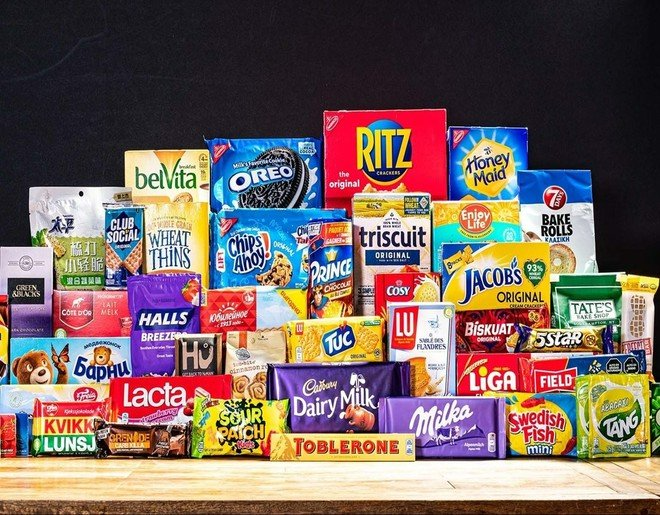
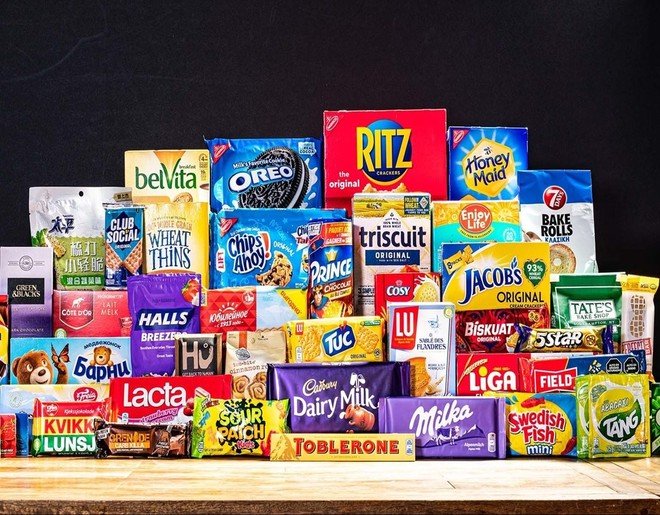
The regional biscuit market is experiencing a massive operational shift driven by an increasing consumer preference for iconic, trusted brands that deliver consistent taste profiles and innovative format variations. Our network leverages a unified trade gateway to manage the high-volume distribution of signature biscuit lines, including the world-renowned Oreo cookies and Ritz crackers. By utilizing our advanced cold-chain network, we guarantee that these delicate baked products are completely insulated from tropical micro-climate variations during transit, ensuring pristine product freshness upon retail arrival.
This rigid quality management framework is essential for maintaining brand reputation across highly fragmented retail trade layers. The logistics platform prevents the moisture damage and texturizing deterioration that frequently affect unhedged shipments in high-temperature environments. By providing global baking giants with a highly reliable, climate-controlled distribution corridor, our network ensures that iconic baked snack portfolios perform predictably under any marketplace condition, driving sustained consumer adoption and maximizing category volume growth.
2. Confectionery and Climate-Controlled Chocolate Logistics

The afternoon retail hours across urban demographics record a substantial surge in consumer demand for premium confectionery and indulgent chocolate offerings, requiring a highly responsive supply chain capable of preventing melt-related stock damage. Our specialized chocolate logistics division directly addresses this challenge by deploying advanced thermal staging protocols and specialized refrigeration containers for world-class portfolios.
-
Thermal Envelope Continuity: We maintain an uninterrupted cold-chain from the initial point of factory production straight to the retail display shelf, preventing fat bloom and texturizing breakdown.
-
Assortment Multi-Pack Customization: Centralized packaging lines execute automated internalization and assembly for mixed-SKU club channel packs, eliminating intermediate co-manufacturing costs.
-
Meticulous Volumetric Density Optimization: Consolidation architects maximize container volume yields for delicate chocolate lines, minimizing total freight overhead per metric ton.
3. Culturally Nuanced and Seasonal Brand Adaptations
Beyond standard international product formulations, the alliance tracks localized market psychology to optimize the distribution of region-specific heritage portfolios, such as the celebrated Kinh Do mooncakes and traditional festive gift collections. Our capillary market analysts help international brand managers align their seasonal inventory allocations with regional cultural events and premium corporate gifting timelines. This targeted strategy ensures maximum shelf velocity and zero inventory write-offs during high-volume festive cycles, transforming cultural nuance into a highly lucrative commercial engine.
V. On-Ground Operations: Human Expertise Safeguarding Multi-Channel Reach
The elite execution velocities achieved across our transborder FMCG logistics channels are driven entirely by the professionalism, technical expertise, and deep regional fluency of our ground delegation.
-
Capillary Trade Analyst Squads: This elite team specializes in the micro-mechanics of Southeast Asia’s fragmented traditional trade landscapes, providing global brand directors with the exact street-level insights required to penetrate independent retail webs.
-
FMCG Compliance Logistics Advisors: Senior directors execute non-stop consultative reviews at our trade tables, forensically analyzing our visitors’ current transit workflows to expose and eliminate hidden administrative waste.
-
Direct-Store-Delivery Fleet Commanders: Operating across decentralized logistics nodes, these field managers oversee the rapid deployment of localized transit assets, ensuring on-time product replenishment regardless of urban gridlock.
VI. The Digital Architecture: Tokenizing Cross-Border Freight
While personal relationship equity and deep commercial trust form the bedrock of long-term international trade, our unified network leverages a sophisticated digital ecosystem to guarantee flawless operational execution by digitizing the entirety of our transborder FMCG logistics protocols.
1. Cloud-Based ERP and Systems Sync
Our software infrastructure features native integration with multi-market cloud systems, enabling seamless real-time data exchange between global manufacturer logistics portals and localized distribution networks. This immediate connectivity allows procurement specialists to automate purchase order generation, track inventory consumption across multiple fulfillment points simultaneously, and compress the standard data transmission time from days to fractions of a second, removing human error from the supply equation.
2. Decoupled Documentation and Clearances
Traditional international shipping workflows are frequently paralyzed by rigid, linear paperwork dependencies where a single missing paper certificate halts the physical movement of high-volume container lines. Our digital platform eliminates this structural bottleneck by utilizing a decoupled processing model that completely separates physical freight transportation from administrative validation workflows. Compliance certificates are compiled, checked, and pushed through digital customs portals while the vessel is still in deep-water transit, turning unavoidable bureaucracy into a distinct competitive speed advantage.
3. Digital Twin Logistics Modeling
To protect high-value consumer goods from sudden regional transport crises, the technology station utilizes advanced digital twin modeling systems to construct 1:1 virtual replicas of our entire transborder logistics matrix. These advanced prototyping systems run continuous stress tests using live data matching, allowing our automated pre-manifest tools within transborder FMCG logistics to ensure that shipping corridors remain safe and pre-engineered with digital fail-safes before a single physical box is loaded onto a truck.
VII. Logistical Diagnostics: Real-Time Network Audits
Our corporate pipeline audits reveal how outdated frameworks damage transborder FMCG logistics efficiency, loading visiting supply chain directors with the financial burden of recent operational failures—missed product rollouts, broken cold-chains, and slow inventory turnover rates that actively damage their working capital liquidity. They do not seek generic marketing presentations or superficial sales pitches; they demand an immediate, data-driven diagnosis of the structural bottlenecks slowing down their multi-market distribution lines.
Our operations specialists transform our consultation tables into active diagnostic zones by entering the visitor’s historical transit timelines and handling data directly into our performance models to isolate systemic inefficiencies. In multiple instances, we have successfully demonstrated to multinational consumer groups that they were losing substantial capital simply because their legacy logistics providers were using outdated, highly congested transport corridors. By checking cross-dock handling speeds, analyzing local clearance variables, and recommending optimized intermodal alignments, these forensic appraisals convert exploratory procurement officers into long-term enterprise partners.
VIII. Intelligent Warehousing vs. Supply Chain Overhead
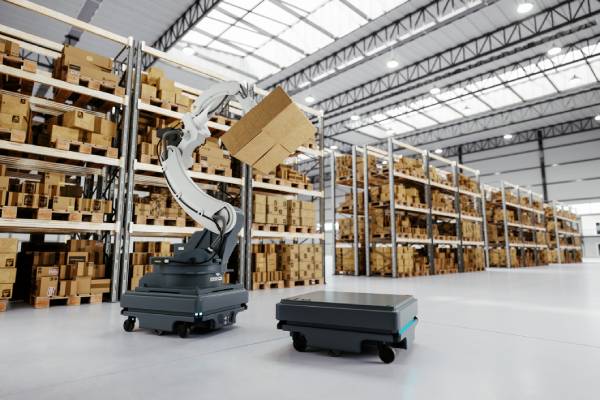
The rapid acceleration of consumer goods commerce across emerging markets requires an unyielding shift away from manual warehouse management toward fully automated fulfillment ecosystems. Fully automated fulfillment ecosystems are rewriting the rules of modern transborder FMCG logistics, leveraging advanced artificial intelligence networks to orchestrate all internal workflows, optimizing product placement based on real-time order frequency and product expiration data. This intelligent orchestration removes human error from high-density picking processes, ensuring absolute precision during the sorting and packing of complex mixed-SKU shipments destined for international retail markets.
By embedding machine learning algorithms directly into the inventory tracking systems, our platform can predict potential picking bottlenecks and automatically reallocate mechanical fulfillment resources before operational delays occur. This level of automated efficiency ensures that high-volume product flows move through our transit facilities at maximum velocity, lowering warehouse handling costs and significantly reducing product exposure to temperature variations. For global consumer brands, this AI-driven infrastructure provides a highly scalable framework that protects product quality while driving unmatched processing efficiency.
IX. Intermodal Routing Across High-Velocity Transit Links
Moving massive multi-category FMCG volume through rapidly expanding economic corridors demands an aggressive approach to geography that moves far beyond a single mode of transportation. Our transborder distribution architecture is rooted in the strategic deployment of intermodal transit corridors, seamlessly blending deep-sea maritime channels, advanced rail networks, and localized trucking fleets into a single, unified transit stream. This highly flexible approach to routing enables our logistics platform to bypass operational bottlenecks smoothly.
By actively utilizing emerging regional infrastructure developments, such as the synchronized rail links stretching across the Mekong subregion, the logistics network automatically shifts the cargo onto high-speed rail lines, completely bypassing road gridlock. If a primary highway border crossing experiences severe congestion due to regulatory updates or localized bottlenecks, our intermodal system adapts instantly. This resilient approach to intermodal freight routing guarantees that transborder FMCG logistics remain completely uninterrupted, ensuring that premium consumer goods reach destination markets with unmatched velocity and absolute reliability.
Successfully expanding a consumer goods footprint across highly competitive retail landscapes requires a profound, analytical understanding of the behavioral drivers that govern choice in the marketplace. Today’s modern buyers exhibit a complex approach to brand loyalty, constantly balancing a deep respect for local heritage and familiarity with an intense desire for world-class quality, hygiene, and product safety standards. Our market intelligence teams act as sophisticated cultural and operational translators, ensuring global brand assets match local consumer psychology perfectly.
We bridge the gap between global corporate vision and hyper-local retail realities by advising on specific product format modifications, packaging size calibrations to match local purchasing frequencies, and flavor profile adaptations. Aligning product presentation with local behavioral drivers ensures that transborder FMCG logistics achieve maximum efficiency, transforming regional market penetration from a distant corporate goal into an immediate operational reality. This precision execution ensures that products resonate instantly with the target demographic, driving long-term consumer adoption and sustainable volume growth.
XI. Socio-Environmental Value and Sustainable Ecosystem Alliances
The optimization of modern global distribution networks must evolve beyond the single-minded pursuit of transactional velocity and margin protection to incorporate an active commitment to regional environmental stewardship. Multinational consumer food networks recognize that sustainable infrastructure is a critical prerequisite for maintaining long-term institutional value and brand equity in rapidly developing economic zones. Our alliance implements zero-waste fulfillment protocols across our primary consolidation hubs, ensuring that large-scale product deployments do not place unnecessary pressure on regional ecosystems or municipal waste management networks.
By optimizing vehicle routing to minimize empty backhaul mileage and transitioning our centralized fulfillment centers to renewable clean energy sources, VHB Group lower the net carbon footprint associated with transborder FMCG logistics. This forward-thinking approach transforms the traditional distribution model into a collaborative partnership that actively supports the social and environmental goals of local communities. This strategic commitment to sustainable operations provides global brands with an ethical, future-proof framework that satisfies the rigorous environmental standards required by modern corporate boards and conscious global consumers alike.
“True market leadership across the ASEAN economic corridor cannot be sustained through physical distribution strength alone; it requires the conscious integration of scalable supply logistics with localized ecological responsibility, ensuring that our corporate footprint actively preserves the natural and social vitality of every community we enter.”
Validating local community synergy means building collaborative partnerships that extend far beneath the surface-level transactions of standard distribution agreements. Our network actively integrates regional labor pools, local transport cooperatives, and domestic service providers directly into our core supply channels, fostering an environment of mutual economic empowerment and shared values. This local integration builds deep operational resilience, ensuring that our distribution corridors remain stable and fully supported by municipal stakeholders regardless of fluctuating external market conditions.
By aligning Mondelēz International’s expansive product distribution with our transborder FMCG logistics network, we turn our cross-border logistics network into a positive force for regional economic development. Our ground teams coordinate with local municipal leadership to implement community-centric supply chains that respect local customs, optimize employment opportunities, and maintain zero-waste standards at every retail endpoint. This complete integration of corporate scale and environmental stewardship ensures long-term market access and builds an unshakeable foundation for multi-channel growth.
XII. Conclusion: Securing Long-Term Commercial Continuity
Building an unshakeable regional market presence in today’s volatile global economy demands a decisive shift away from traditional, fragmented supply networks toward an integrated, asset-heavy distribution foundation. The global consumer brands that will successfully lead the market over the next decade are actively capitalizing on our unified infrastructure to protect their profit margins from unexpected spot-market surges and regulatory disruptions. The era of loose trading practices and unhedged logistics setups is permanently over.
The combined corporate powerhouse of VHB Group stands completely ready to underwrite your long-term expansion goals across the ASEAN theater. We invite you to step out of the frantic noise of generic exhibition halls and enter a space defined by executive clarity, deep data insights, and absolute operational precision. Connect with our senior delegation at Hall 2, Booth 2W23, and let us execute a comprehensive strategic audit of your current sourcing and distribution networks, transforming your regional supply chain through optimized transborder FMCG logistics into an ironclad competitive advantage.