Navigating the global coffee market requires a deep understanding of the Coffee Beans Distribute Channel, a complex network of growers, processors, exporters, and logistics partners that ensures premium green coffee reaches roasters and distributors worldwide. As the world’s second-largest coffee exporter, Vietnam plays a pivotal role in this supply chain. For international B2B buyers, roasters, and distributors, establishing a reliable, transparent, and efficient distribution pathway is not just a logistical necessity—it is a competitive advantage. This comprehensive guide serves as the definitive resource for optimizing your green coffee supply chain, understanding international quality standards, and partnering with industry leaders like VIHABA to secure premium agricultural commodities.
Table of Contents
- 1. Global Coffee Market Overview & Vietnam’s Strategic Role
- 2. Anatomy of a Global Coffee Beans Distribute Channel
- 3. Key Coffee Cultivation Regions in Vietnam
- 4. Processing Methods Influencing the Coffee Beans Distribute Channel
- 5. International Quality Standards and Certifications
- 6. Green Coffee Beans Technical Specifications
- 7. Packaging and Logistics in the Coffee Beans Distribute Channel
- 8. Frequently Asked Questions (FAQ)
- 9. Conclusion: Partnering with VIHABA to Streamline Your Coffee Beans Distribute Channel
1. Global Coffee Market Overview & Vietnam’s Strategic Role
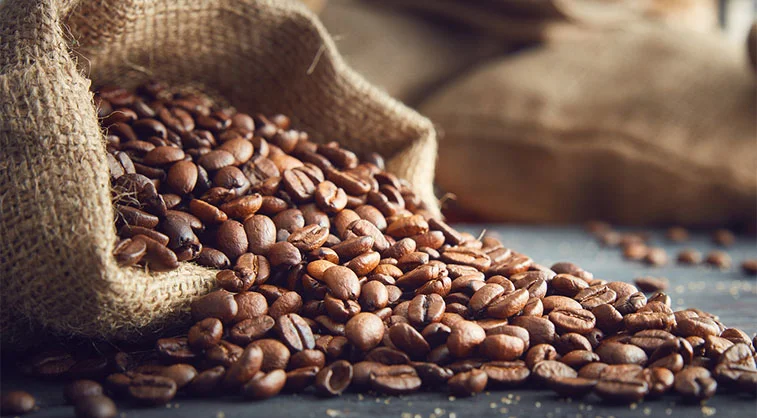
[IN_POST_IMAGE]The global coffee market is expanding at an unprecedented rate, driven by rising consumer demand for specialty coffees, convenient single-serve formats, and robust commercial blends. Within this multi-billion dollar industry, Vietnam stands as a powerhouse, dominating the global production of Robusta coffee beans and rapidly expanding its high-quality Arabica output. For B2B buyers looking to secure long-term contracts, tapping into Vietnam’s robust agricultural export infrastructure is highly strategic.
Vietnam’s unique geography, characterized by high altitude mountain ranges, rich volcanic basalt soils, and optimal microclimates, provides the perfect environment for coffee cultivation. The country exports millions of tons of green coffee beans annually, feeding roasteries across Europe, North America, and Asia. However, accessing this rich harvest requires a thorough comprehension of how the local supply chain connects to the international market, ensuring quality, traceability, and price stability from farm to cup.
2. Anatomy of a Global Coffee Beans Distribute Channel
An efficient Coffee Beans Distribute Channel is structured to minimize transactional friction, preserve the physical quality of the green coffee, and maintain cost-efficiency. In the B2B sector, this channel involves several critical stakeholders, each performing specialized functions to move raw coffee beans from remote highland farms to global roasting facilities.
The Node-by-Node Supply Chain
- Smallholders and Cooperatives: Over 90% of Vietnamese coffee is grown by smallholder farmers. Cooperatives aggregate these harvests, offering initial quality control and uniform wet or dry processing.
- Local Collectors and Traders: These intermediaries purchase parchment or unsorted green coffee from farmers and transport it to provincial processing mills. They play a vital role in local liquidity but can introduce price volatility.
- Processors and Exporters: Modern exporters operate state-of-the-art milling facilities where coffee is dried, dehulled, polished, graded, and color-sorted. Reliable exporters act as the crucial bridge, handling quality assurance, international compliance, and custom clearances.
- Importers and Brokers: Located in major port cities worldwide, importers manage local customs, storage, and spot-market sales to roasters who cannot afford full container loads.
- Roasters and Brands: The final B2B tier, where green coffee is transformed through thermal profiling into the aromatic beans found on retail shelves and in cafes.
By bypassing multiple layers of middle-tier local collectors and partnering directly with an integrated producer-exporter like VIHABA, global buyers can secure direct-from-origin pricing, reliable traceability, and strict adherence to contract specifications.
3. Key Coffee Cultivation Regions in Vietnam
To optimize your sourcing strategy, it is essential to understand the geographical distribution of coffee varieties in Vietnam, as terroir significantly influences the flavor profile, acidity, body, and density of the beans.
The Central Highlands (Tây Nguyên)
The Central Highlands is the beating heart of Vietnamese coffee production, accounting for the vast majority of the country’s Robusta. This region is divided into several key provinces:
- Dak Lak (Buon Ma Thuot): Widely recognized as the coffee capital of Vietnam. The rich basalt soil here produces highly robust, full-bodied Robusta beans with deep chocolatey notes and low acidity.
- Lam Dong (Da Lat): Thanks to its high altitude (ranging from 1,000 to 1,600 meters above sea level) and cool, temperate climate, Lam Dong is Vietnam’s premier region for Arabica cultivation (specifically Catimor, Bourbon, and Typica varieties). Da Lat Arabica is celebrated for its bright acidity, floral aroma, and complex fruit notes.
- Gia Lai and Dak Nong: These provinces feature rolling hills and extensive plantations dedicated to high-yield, premium Robusta, perfect for large-scale industrial roasters and instant coffee production.
Northwest Vietnam
Provinces such as Son La and Dien Bien offer unique microclimates with steep mountain slopes and distinct dry/wet seasons. The Arabica grown in these cold northern regions exhibits a distinct, refined flavor profile reminiscent of high-end Central American coffees, offering a compelling niche for specialty coffee distributors.
4. Processing Methods Influencing the Coffee Beans Distribute Channel
The post-harvest processing method is a primary determinant of the final cup profile and the physical stability of the bean during shipping. Within the Coffee Beans Distribute Channel, exporters must meticulously manage these processes to match the precise expectations of international buyers.
Natural (Dry) Process
The traditional method, widely used for Robusta beans. The entire coffee cherry is spread out on drying patios under the sun. As the cherry dries, the bean absorbs the natural sugars from the pulp, resulting in a coffee with heavy body, low acidity, and prominent sweet, earthy, and dried fruit flavors. Moisture control is critical here to prevent mold growth during the 2-3 week drying phase.
Washed (Wet) Process
Predominantly applied to high-quality Arabica and specialty Robusta. The cherry outer skin and pulp are mechanically removed (depulped) before the beans are fermented in water tanks to break down the remaining mucilage. After thorough washing with clean water, the parchment coffee is dried. This method yields a highly clean cup with vibrant acidity, distinct floral/citrus notes, and minimal physical defects.
Honey (Semi-Washed) Process
An innovative method where the skin is removed, but some portion of the sticky mucilage (the “honey”) is left on the bean during drying. Depending on the amount of mucilage left, it is classified as Yellow, Red, or Black Honey. This process strikes a perfect balance, offering the sweetness and body of a natural process combined with the clarity and acidity of a washed coffee.
5. International Quality Standards and Certifications
In B2B global trade, trust is verified through standardized grading systems and internationally recognized certifications. Delivering green coffee that complies with strict phytosanitary regulations is non-negotiable for a premium export partner.
To ensure seamless entry into major markets like the European Union, the United States, and Japan, green coffee beans must meet precise physical specifications (bean size, moisture content, defect counts) and hold certifications that demonstrate environmental and social responsibility. VIHABA strictly adheres to these benchmarks, assuring buyers of the safety and consistency of every shipment.
- GlobalGAP: Assures safe, sustainable agricultural practices at the farm level, minimizing environmental impact and chemical usage.
- ISO 22000 & HACCP: Guarantees that the processing and milling facilities meet rigorous food safety management systems.
- 4C (Common Code for the Coffee Community): A leading sustainability standard focused on fair working conditions, economic viability, and environmental protection in coffee-growing regions.
- Rainforest Alliance & Fairtrade: Essential for specialty channels, verifying biodiversity conservation and fair pricing structures for smallholders.
6. Green Coffee Beans Technical Specifications
The following table outlines the standard export specifications for Vietnamese Robusta and Arabica green coffee beans distributed through global B2B channels. These parameters are rigorously tested prior to container loading.
| Parameter | Robusta Grade 1 (Screen 18, Wet Polished) | Robusta Grade 2 (Screen 13, Clean) | Arabica Grade 1 (Screen 16/18, Washed) |
|---|---|---|---|
| Moisture Content | Max 12.5% | Max 13.0% | Max 12.5% |
| Black & Broken Beans | Max 1.0% | Max 5.0% | Max 2.0% |
| Foreign Matter | Max 0.2% | Max 1.0% | Max 0.5% |
| Admixture | Max 1.0% | Max 1.0% | Max 0.5% |
| Screen Size | Min 90% on Screen 18 (7.1mm) | Min 90% on Screen 13 (5.0mm) | Min 90% on Screen 16/18 |
| Defect Count | Very low, strictly sorted | Standard export grade | Premium specialty grade |
7. Packaging and Logistics in the Coffee Beans Distribute Channel
Protecting green coffee beans from moisture, temperature fluctuations, and physical damage during sea transit is one of the most critical aspects of the Coffee Beans Distribute Channel. Green coffee is highly hygroscopic; it readily absorbs moisture and odors from its surrounding environment, which can lead to mold, mustiness, and complete loss of commercial value.
Standard Packaging Solutions
- Single/Double Jute Bags (60 kg): The traditional, breathable woven packaging standard. While cost-effective, jute bags offer minimal protection against high humidity or seawater exposure during long ocean transit.
- Hermetic Bags (GrainPro/Ecotact) with Jute Outer: The gold standard for specialty and high-grade commercial coffee. These high-barrier plastic liners are placed inside standard jute bags, sealing the beans in a modified atmosphere that preserves freshness, prevents moisture ingress, and protects against insect infestation.
- Bulk Bags (FIBCs / Tonne Bags): Used for large-scale industrial buyers. These giant polypropylene bags hold up to 1,000 kg of green coffee, designed for rapid mechanical loading and unloading at specialized roasting facilities.
Ocean Freight and Logistics Management
Exporters must secure dry, clean, food-grade containers. Installing cardboard lining or moisture-absorbing desiccant blankets on the ceiling of the container is highly recommended to prevent container sweat (condensation dripping onto the bags as the ship crosses different climate zones). VIHABA closely monitors shipping schedules, ensuring optimal port handling and clear documentation (Bill of Lading, Phytosanitary Certificate, Certificate of Origin Form A/B/EUR1) to eliminate customs delays.
8. Frequently Asked Questions (FAQ)
What is the minimum order quantity (MOQ) for importing green coffee beans from Vietnam?
Generally, the standard MOQ for international maritime B2B shipments is one 20-foot Full Container Load (FCL), which accommodates approximately 18 to 19.2 metric tons (300 to 320 bags of 60 kg) of green coffee packed in jute bags. Smaller air-freight or LCL shipments can be arranged for high-value specialty micro-lots.
How does VIHABA guarantee the quality of coffee beans during transit?
We implement a strict quality control protocol that includes pre-shipment sampling, moisture level checks (guaranteed below 12.5%), and the optional use of hermetic packaging like GrainPro liners. Furthermore, we install desiccant blankets in all containers to mitigate the risk of condensation and mold during sea transport.
Can I request custom green coffee bean specifications or custom screen sizes?
Yes. As a direct exporter and processor, VIHABA can customize the milling, polishing, sorting, and grading processes to meet your exact target specifications. Whether you require standard Robusta Screen 16/18, wet polished beans, or customized defect limits, we can tailor the production line for your order.
What payment terms are typically accepted in B2B coffee contracts?
We offer flexible and secure international payment structures tailored to establish mutual trust. The most common terms include Letter of Credit (L/C at sight) and Telegraphic Transfer (T/T) with an advance deposit and the remaining balance paid against the presentation of shipping documents (CAD or DP terms can also be negotiated for long-term partners).
9. Conclusion: Partnering with VIHABA to Streamline Your Coffee Beans Distribute Channel
Optimizing your Coffee Beans Distribute Channel is the key to securing consistent product quality, stable pricing, and a resilient B2B supply chain. As a leading Vietnamese agricultural exporter, VIHABA combines deep local agricultural expertise with world-class milling technology and transparent logistical execution. By streamlining the path from the rich soils of the Central Highlands directly to your receiving dock, we eliminate unnecessary middlemen, guarantee international quality standards, and empower your brand to grow with confidence. Partner with VIHABA today to elevate your coffee sourcing strategy and establish a highly efficient, sustainable Coffee Beans Distribute Channel for the long term.