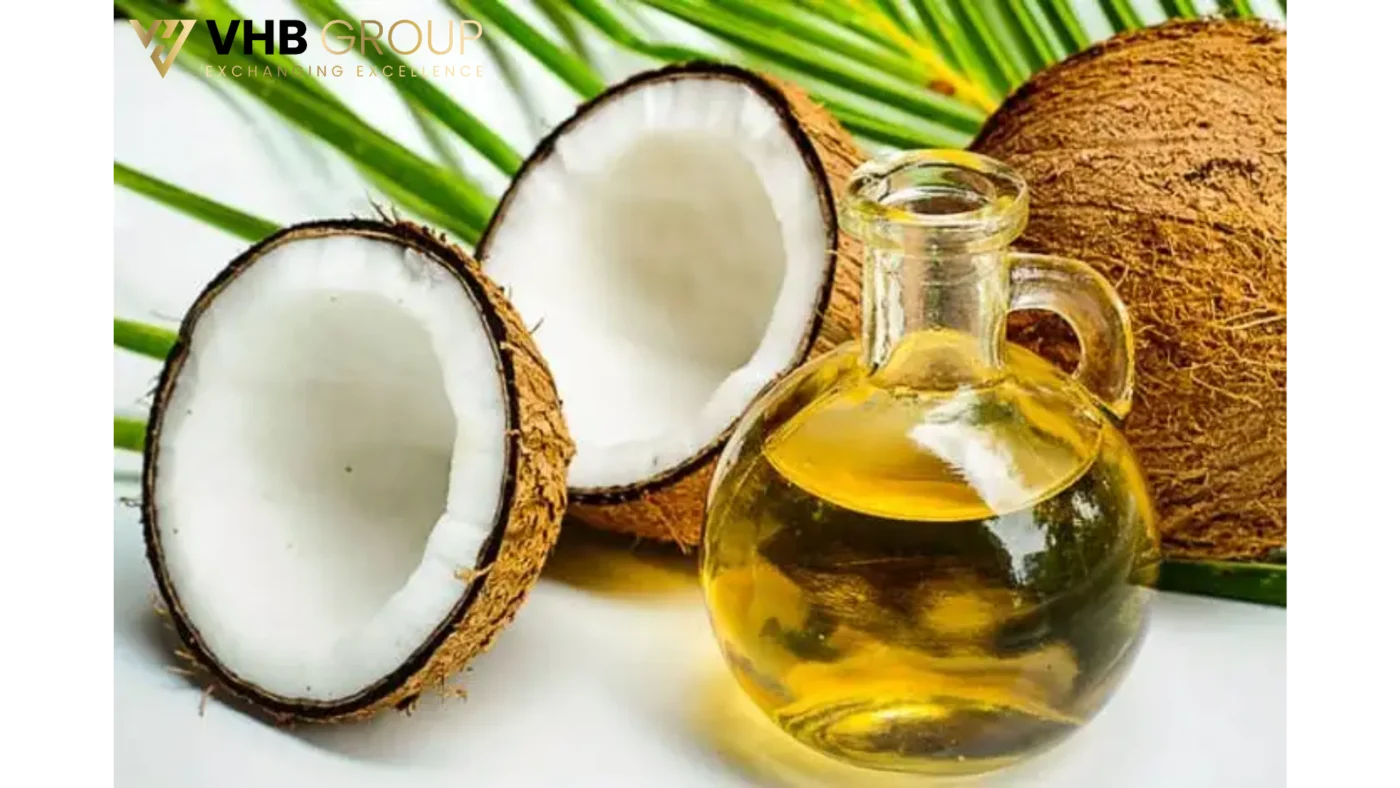
Embarking on a successful Coconut Oil Wholesale Commercial Sourcing campaign requires a comprehensive understanding of agricultural origins, extraction standards, logistics pipelines, and pricing frameworks. As global demand for plant-based fats, natural cosmetics, and clean-label foods continues to soar, procurement professionals must move beyond simple transactions and develop highly strategic partnerships with integrated suppliers. Ensuring a stable, high-yield supply chain requires deep analytical insights into raw material chemistry, international quality certifications, and the logistical intricacies of shipping a temperature-sensitive agricultural commodity across international waters.

For modern B2B buyers, navigating these complexities is simplified by partnering with expert agricultural exporters who manage the supply chain from farm gate to destination port. If you are looking to secure high-quality bulk supplies, please explore our comprehensive core resources on coconut oil wholesale commercial sourcing to see how our vertically integrated operations can streamline your industrial raw material acquisition. Throughout this guide, we will unpack the technical, structural, and financial layers of bulk procurement, giving your sourcing team the tools to optimize margins while guaranteeing product purity.
Table of Contents
- Key Parameters in Coconut Oil Wholesale Commercial Sourcing
- Analyzing Quality Grades for Coconut Oil Wholesale Commercial Sourcing
- Supply Chain Logistics and Quality Assurance in Coconut Oil Wholesale Commercial Sourcing
- Global Market Pricing Trends and Procurement Strategies
- Frequently Asked Questions (FAQ)
- Conclusion & Wholesale Inquiries
Key Parameters in Coconut Oil Wholesale Commercial Sourcing
[IN_POST_IMAGE]To establish a resilient supply chain, buyers must first understand the agricultural origins and biological factors that dictate the quality of the raw materials. Coconuts (Cocos nucifera) are primarily cultivated in tropical equatorial regions. Vietnam, specifically the Ben Tre province in the Mekong Delta, has emerged as a premier global hub for high-yield, nutrient-dense coconut production due to its unique brackish water environment, rich alluvial soils, and consistent year-round rainfall. Sourcing from regions with advanced agricultural infrastructure ensures that raw coconuts are harvested at optimal maturity (typically 10 to 12 months), which is crucial for achieving high oil content and superior chemical stability.
When assessing suppliers for long-term partnerships, procurement officers must look beyond spot-market pricing and scrutinize the farming and processing ecosystems. Highly integrated exporters work closely with local farming cooperatives, providing technical agricultural training, promoting organic crop management, and implementing fair-trade practices. This level of oversight at the farm gate minimizes the risk of pesticide residues, heavy metal contamination, and poor crop yields, which can severely disrupt subsequent processing stages. By controlling the raw material from the tree to the processing mill, exporters like VIHABA can guarantee consistent raw material quality and steady pricing structures.
Furthermore, sustainable sourcing practices are no longer optional in the modern B2B landscape. Consumers and regulatory bodies in markets such as North America and Europe demand complete traceability. Sourcing strategies must analyze the environmental impact of farming, looking for certifications like USDA Organic, EU Organic, and RainForest Alliance. Evaluating carbon footprints, water usage during processing, and social compliance frameworks like SMETA/Sedex auditing are core components of managing risk in global supply chains. When these elements are integrated, industrial buyers secure not only a physical ingredient but also the supply chain transparency necessary to protect and elevate their brand reputation.
Analyzing Quality Grades for Coconut Oil Wholesale Commercial Sourcing
In the realm of industrial oil application, selecting the appropriate grade of coconut oil is paramount. The chemical profile, sensory attributes, and functional properties of the oil vary dramatically depending on the extraction method and the level of refining. Understanding the chemical differences between Virgin Coconut Oil (VCO), Refined, Bleached, and Deodorized (RBD) Coconut Oil, and Crude Coconut Oil (CNO) allows buyers to align material specifications precisely with manufacturing requirements, avoiding over-payment for unnecessary purity levels or quality failures in production.
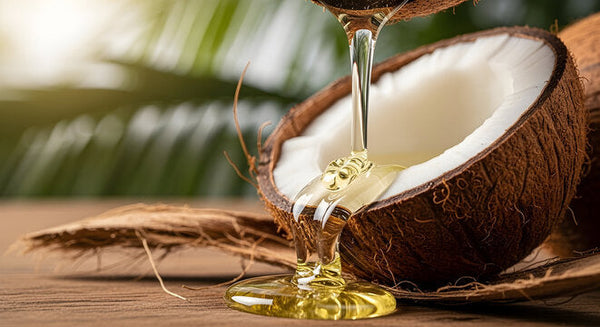
Virgin Coconut Oil (VCO) represents the premium segment of the market. Extracted from fresh, mature coconut meat without the application of high heat or chemical solvents, VCO retains its natural coconut aroma, sweet taste, and high concentrations of bioactive compounds, such as polyphenols and medium-chain fatty acids (primarily lauric acid, which makes up 48% to 53% of the fatty acid profile). Extraction methods for VCO include cold-pressing, expeller-pressing, and centrifugal separation. Centrifugal wet-milling represents the gold standard for high-volume commercial production, yielding an ultra-clear, highly stable oil with extremely low moisture content. This low moisture level is critical: any moisture exceeding 0.1% increases the risk of hydrolytic rancidity, which shortens shelf life and degrades the product over long-term shipping.
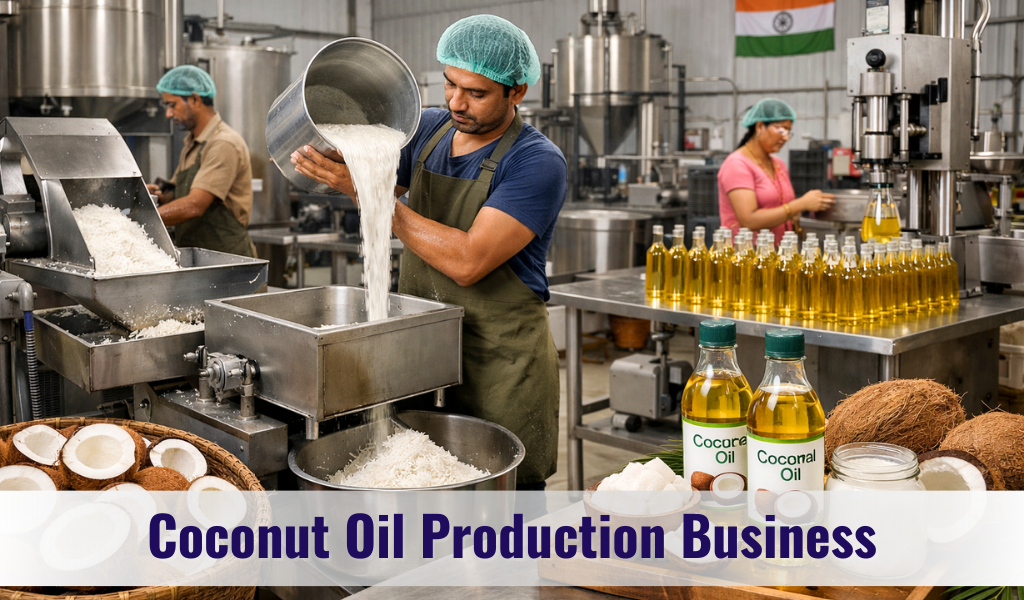
RBD Coconut Oil, on the other hand, is the workhorse of the food formulation, pharmaceutical, and cosmetic industries. It is processed from copra (dried coconut meat) through physical or chemical refining stages. The crude oil is first degummed and neutralized to reduce Free Fatty Acids (FFA) to less than 0.08%. It is then passed through natural bleaching clays (bentonite or activated carbon) to remove pigments and impurities. Finally, steam deodorization under a high vacuum at temperatures between 230°C and 250°C removes any lingering volatile compounds, resulting in a completely odorless, tasteless, and pale-yellow to water-clear liquid fat. The high smoke point of RBD coconut oil (approximately 232°C or 450°F) makes it ideal for industrial baking, frying, and fat blending where the natural scent of coconut would interfere with the end-product’s sensory profile.
Crude Coconut Oil (CNO) is the raw, unrefined extract from copra that has not undergone the refining, bleaching, or deodorizing stages. CNO contains high levels of FFA, moisture, sediment, and natural pigments, giving it a dark yellow to brownish color and a strong, somewhat acidic odor. While unsuitable for direct human consumption or cosmetic application in its raw state, CNO is a critical feedstock for industrial chemical manufacturing. It is widely sourced in bulk to produce fatty acids, methyl esters, surfactant compounds, industrial lubricants, and biofuels. Sourcing CNO requires strict laboratory testing of saponification values and iodine levels to ensure efficient conversion in downstream chemical synthesis.
| Chemical & Physical Parameter | Virgin Coconut Oil (VCO) | Refined (RBD) Coconut Oil | Crude Coconut Oil (CNO) |
|---|---|---|---|
| Appearance | Clear, Colorless Liquid (above 25°C) | Pale Yellow to Water Clear | Dark Yellow to Brownish |
| Odor & Taste | Fresh Coconut Aroma, Sweet Taste | Odorless, Bland Taste | Strong Acidic, Nutty Odor |
| Free Fatty Acids (as Lauric) | Max 0.1% | Max 0.08% | 2.0% – 5.0% |
| Moisture & Volatile Matter | Max 0.1% | Max 0.1% | 1.0% – 2.0% |
| Peroxide Value (meq/kg) | Max 3.0 | Max 1.0 | Max 10.0 |
| Iodine Value (g I2/100g) | 4.1 – 11.0 | 7.5 – 10.5 | 7.5 – 12.0 |
| Saponification Value (mg KOH/g) | 250 – 265 | 250 – 264 | 248 – 265 |
| Lauric Acid Content (%) | 48% – 53% | 45% – 48% | 45% – 48% |
Supply Chain Logistics and Quality Assurance in Coconut Oil Wholesale Commercial Sourcing
Managing the physical movement of bulk coconut oil across global shipping lanes is a highly specialized logistical task. Because coconut oil has a melting point of approximately 24°C (75°F), its physical state changes from liquid to solid depending on ambient transit temperatures. Shipping coconut oil to temperate or cold regions like Northern Europe, North America, or Northern Asia requires a profound understanding of container thermodynamics and specialized loading methods. If the oil solidifies inside bulk transport vessels, it must be carefully and gradually liquefied before discharge to prevent thermal shock and chemical degradation.
To overcome these temperature challenges, advanced exporters utilize high-capacity Flexitanks fitted with integrated heating pads (thermal elements). A flexitank converts a standard 20-foot dry container into a bulk liquid transport system capable of holding up to 24,000 liters of oil. During winter transits, the oil inevitably solidifies. Upon arrival at the destination port, low-pressure steam or hot water is circulated through the heating pads over a period of 4 to 8 hours to gently melt the coconut oil, allowing for seamless, efficient pumping into the buyer’s bulk storage tanks. For smaller industrial volumes, Intermediate Bulk Containers (IBCs) with heating jackets, or standard 200-liter steel or HDPE drums are preferred, providing flexibility for manufacturers who operate batch-processing lines.
Certification Standards: From Organic to ISO 22000
In the highly regulated food, cosmetic, and pharmaceutical industries, quality assurance is defined by verifiable, third-party global standards. Buyers must implement a rigorous auditing protocol that verifies supplier compliance at every stage of the manufacturing chain. Essential certifications that establish a supplier’s credibility include ISO 22000 (Food Safety Management System), FSSC 22000, and HACCP (Hazard Analysis Critical Control Point). These systems ensure that biological, chemical, and physical hazards are identified, monitored, and mitigated throughout the harvesting, crushing, refining, and packaging workflows.
Furthermore, product validation requires adherence to market-specific regulatory structures. For the United States, FDA registration of the processing facility and compliance with the Foreign Supplier Verification Program (FSVP) are mandatory. For European markets, European Food Safety Authority (EFSA) regulations and strict limits on contaminants such as mineral oil hydrocarbons (MOSH/MOAH) and polycyclic aromatic hydrocarbons (PAHs) are heavily enforced. For consumer-facing products, Kosher and Halal dietary certifications, along with USDA Organic and Non-GMO Project Verification, represent indispensable market access credentials that suppliers must provide with every production batch.
Packaging and Storage Solutions for Industrial Shipping

Selecting the correct packaging is directly tied to preserving the chemical stability of the coconut oil during its multi-week sea journey. Exposure to light, oxygen, and high temperatures accelerates auto-oxidation, leading to elevated peroxide values and off-flavors. Commercial sourcing packaging must feature high oxygen barrier properties and UV protection. When shipping in drums or IBCs, utilizing nitrogen purging (blanketing) to displace oxygen in the headspace of the container is an industry-standard best practice that effectively halts oxidative rancidity during long ocean transits.
Storage conditions at both origin and destination ports must be strictly controlled. Ideal storage facilities are temperature-regulated, dry warehouses designed to avoid extreme temperature swings. For bulk liquid storage in processing plants, stainless steel tanks (Grade 304 or 316) equipped with slow-moving mechanical agitators and automated low-temperature heating coils are recommended. Avoid using copper or brass fittings and piping in the storage infrastructure, as copper acts as a powerful catalyst for lipid oxidation, rapidly ruining the oil’s shelf life and performance.
Global Market Pricing Trends and Procurement Strategies
The global coconut oil market is characterized by price volatility, driven by cyclical agricultural patterns, climate events (such as El Niño and La Niña), global energy pricing, and competition for agricultural land. Because coconut palms require specific tropical conditions, supply is concentrated in a handful of Southeast Asian nations, making the global market highly sensitive to localized weather disruptions. Sourcing teams must monitor these macroeconomic indicators and develop sophisticated procurement strategies to shield their organizations from sudden price spikes and raw material shortages.
One of the primary drivers of coconut oil pricing is the price of palm kernel oil (PKO). Both coconut oil and PKO are lauric oils, containing high concentrations of lauric acid, making them highly substitutable in many surfactant and chemical formulations. When palm kernel oil prices rise due to labor shortages or export restrictions in Malaysia and Indonesia, chemical manufacturers switch to coconut oil, driving up demand and prices. Conversely, during periods of palm kernel oil surpluses, coconut oil prices may soften. Savvy buyers keep a close eye on the PKO/CNO price spread to make informed purchasing decisions.
To mitigate the financial risks associated with spot-market price volatility, B2B procurement managers employ a combination of purchasing strategies:
- Long-Term Forward Contracts: Locking in a fixed volume and price for 6 to 12 months. This approach guarantees supply continuity and stable raw material costs, enabling predictable manufacturing margins. It requires a trusted, financially stable supplier partner like VIHABA to ensure contract execution even if market prices rise during the contract term.
- Spot-Market Diversification: Purchasing a portion of requirements on the open spot market to take advantage of temporary price drops. This strategy works best when combined with a baseline of forward contracts to protect against absolute supply depletion.
- Multi-Origin Sourcing: Establishing supply relationships across different geographical zones. While Vietnam offers premier quality and highly reliable logistics, having pre-approved backup supply channels in other growing nations prevents localized climate disasters from shutting down production lines.
Furthermore, understanding the seasonal crop cycle is essential for timing purchases. Coconut harvesting yields fluctuate throughout the year, with peak production typically occurring during the dry season when labor is highly efficient and fruit maturation is optimal. During the wet season, harvesting and transport logistics slow down, and processing mills may operate below capacity, leading to temporary spot price increases. Sourcing teams that coordinate their purchase volumes with peak agricultural windows secure the highest quality oil at the most competitive price points of the year.
Conclusion & Wholesale Inquiries
In summary, optimizing your Coconut Oil Wholesale Commercial Sourcing framework requires a meticulous approach that balances technical chemical specifications, robust international logistics, and comprehensive certification compliance. By understanding the functional differences between Virgin, RBD, and Crude coconut oil, your manufacturing organization can select the ideal raw material grade to maximize product efficacy and cost-efficiency. Navigating the thermal challenges of international bulk shipping and managing the seasonal pricing dynamics of lauric oils are essential skills that protect your supply chain from costly disruptions.
By partnering with VIHABA, you gain a strategic, vertically integrated partner committed to providing premium-grade agricultural commodities, unparalleled supply chain transparency, and competitive wholesale pricing. Our direct relationships with farming cooperatives in the heart of Vietnam’s coconut country, paired with our state-of-the-art refining capabilities and comprehensive ISO/HACCP/Organic quality systems, make us the premier choice for global industrial buyers. Contact the VIHABA sourcing team today to receive a customized technical consultation, request product samples, and secure a competitive, high-volume wholesale quote tailored to your exact manufacturing specifications.