When analyzing the global beverage sector, understanding critical Green Tea Facts is essential for B2B importers, distributors, and brands seeking to secure premium agricultural commodities. Green tea, derived from the leaves of the Camellia sinensis plant, continues to experience exceptional market growth due to rising consumer demand for functional, health-supporting beverages. As a highly specialized agricultural commodity exporter, VIHABA provides comprehensive insights and end-to-end supply chain transparency to assist international procurement managers. This guide breaks down the operational realities, processing standards, and logistical setups of sourcing green tea directly from Vietnam’s finest tea regions.
Table of Contents
- Comprehensive Green Tea Facts for B2B Importers
- Key Green Tea Facts Regarding Cultivation Regions in Vietnam
- Green Tea Facts on Processing Methods and Quality Grades
- Essential Green Tea Facts for Global Quality Compliance and Certifications
- Green Tea Facts on Export Logistics, Packaging, and Supply Chain Transparency
- Green Tea Facts FAQ
- Conclusion: Sourcing Premium Tea with Verified Green Tea Facts
Comprehensive Green Tea Facts for B2B Importers

The global demand for green tea has experienced exponential growth, driven by a paradigm shift toward functional foods, healthy lifestyles, and natural antioxidants. To navigate this highly competitive industry, B2B buyers must understand fundamental green tea facts regarding global market dynamics. Europe, North America, North Africa, and the Middle East represent some of the fastest-growing import regions for bulk green tea. Distributors utilize green tea not only as a pure beverage but also as a raw ingredient for pharmaceutical, nutraceutical, and cosmetic formulations. For comprehensive product lists and analytical breakdowns of tea attributes, please visit our dedicated page on green-tea-facts.
Vietnam has emerged as a major player in the global tea trade, ranking among the top exporters worldwide. The country’s ability to produce high volumes of both orthodox and specialty green teas makes it a highly attractive destination for global brands. By sourcing directly from Vietnamese producers like VIHABA, international buyers can eliminate unnecessary intermediaries, secure stable year-round pricing, and maintain strict quality control. Understanding the agricultural lifecycle, processing techniques, and quality-assurance systems of Vietnamese tea is the first step toward building a resilient, long-term supply chain.
Key Green Tea Facts Regarding Cultivation Regions in Vietnam
Vietnam’s unique geographical topography and tropical monsoon climate create perfect microclimates for cultivating premium tea plants. When sourcing bulk tea, understanding regional green tea facts is crucial for selecting the right flavor profile, leaf size, and chemical composition to match target consumer preferences.
Thai Nguyen: The Cradle of Premium Green Tea
Thai Nguyen province, particularly the Tan Cuong region, is widely regarded as the capital of Vietnamese green tea. The microclimate here is heavily influenced by the Tam Dao mountain range, which shields the tea plants from harsh sunlight while ensuring optimal humidity and rainfall. The local soil, rich in trace minerals and acidic in nature, gives Thai Nguyen green tea its signature flavor profile: a bright, greenish-yellow infusion with a complex, refreshing aroma, a slightly bitter start, and a deep, lingering sweet aftertaste. This region is highly prized by boutique distributors and premium brands looking for top-tier orthodox green tea.
Moc Chau and the Northwest Highlands
Situated at an altitude of over 1,050 meters above sea level, the Moc Chau plateau in Son La province features cool weather year-round and fertile soil. These mountainous conditions slow the growth rate of the tea leaves, allowing them to accumulate higher concentrations of amino acids, polyphenols, and essential oils. Moc Chau is particularly famous for producing high-quality Shan Tuyet green tea—harvested from ancient, wild tea trees—as well as Japanese-style green teas like Sencha and Matcha. Tea sourced from this region typically exhibits fresh grass notes, light floral aromas, and low astringency.
Lam Dong (Central Highlands)
Lam Dong province, located in the Central Highlands, is the largest tea-producing region in Vietnam. Benefiting from rich basaltic soils and modern, large-scale plantation practices, Lam Dong specializes in high-yield and highly uniform tea crops. This region is the primary source for bulk green tea ingredients used in ready-to-drink (RTD) bottled teas, instant tea powders, and large-scale blending facilities. The advanced agricultural infrastructure in Lam Dong allows for consistent quality and highly reliable, large-volume export supply chains.
Green Tea Facts on Processing Methods and Quality Grades
The distinctive characteristics of green tea—including its vibrant green color, fresh vegetative aroma, and high antioxidant content—are heavily dependent on post-harvest processing methods. Unlike black tea, which is allowed to undergo full oxidation, green tea processing is specifically designed to prevent oxidation from occurring.

Harvest and Plucking Standards
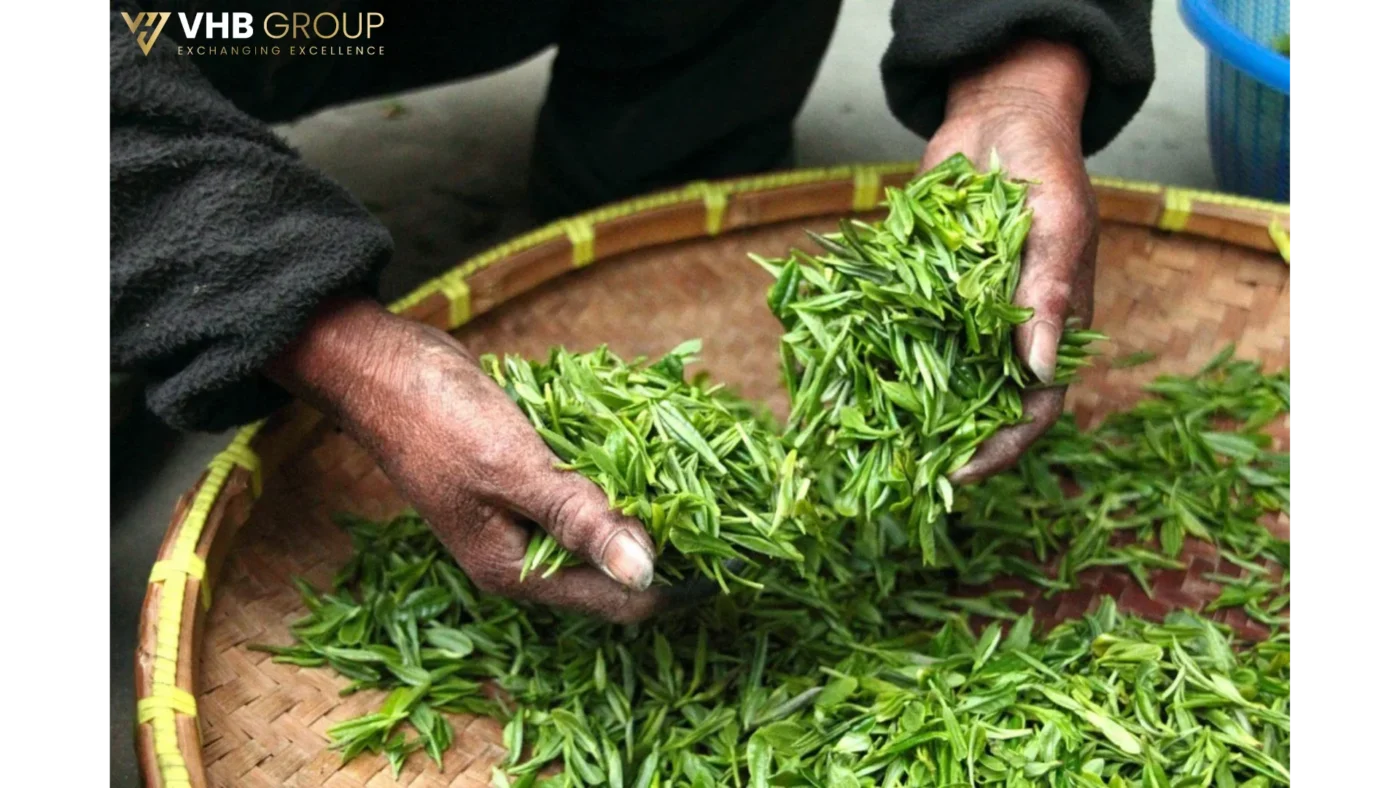
The sourcing process begins with strict plucking standards. For ultra-premium grades, farmers manually pluck only the tender bud and the first two young leaves (the ‘one-bud-two-leaves’ standard). Manual plucking preserves the physical integrity of the leaves and minimizes broken particles. For large-scale industrial grades, mechanical harvesting is utilized to optimize efficiency and lower the overall cost of production. VIHABA coordinates closely with local farming cooperatives to ensure that the raw materials are sorted immediately after harvest to maintain batch consistency.
De-enzyming (Fixing) Techniques
To preserve the green color and natural nutrients, the harvested leaves must undergo de-enzyming (also known as ‘fixing’ or ‘killing the green’) within hours of being plucked. This heat treatment deactivates the polyphenol oxidase enzymes, halting any enzymatic oxidation. In Vietnam, two primary methods are utilized for fixing:
- Pan-Firing: The tea leaves are tossed in a heated rotary drum or pan. This traditional method imparts a warm, slightly nutty aroma and a sweet, mellow finish to the tea.
- Steaming: The leaves are exposed to high-temperature steam. This method, common in Japanese-style processing, preserves a high level of chlorophyll, resulting in a deep green infusion with strong marine, grassy, and vegetal notes.
Rolling and Drying Processes
Following fixation, the soft leaves are rolled to shape them into specific styles (such as twisted, curly, or pellet shapes) and to break the leaf cells, releasing the essential oils that define the tea’s final flavor profile. Finally, the leaves are dried using specialized hot-air dryers to reduce the moisture level to below 5-6%. This low moisture content is critical to prevent mold, preserve flavor stability, and ensure a long shelf life during global transit.
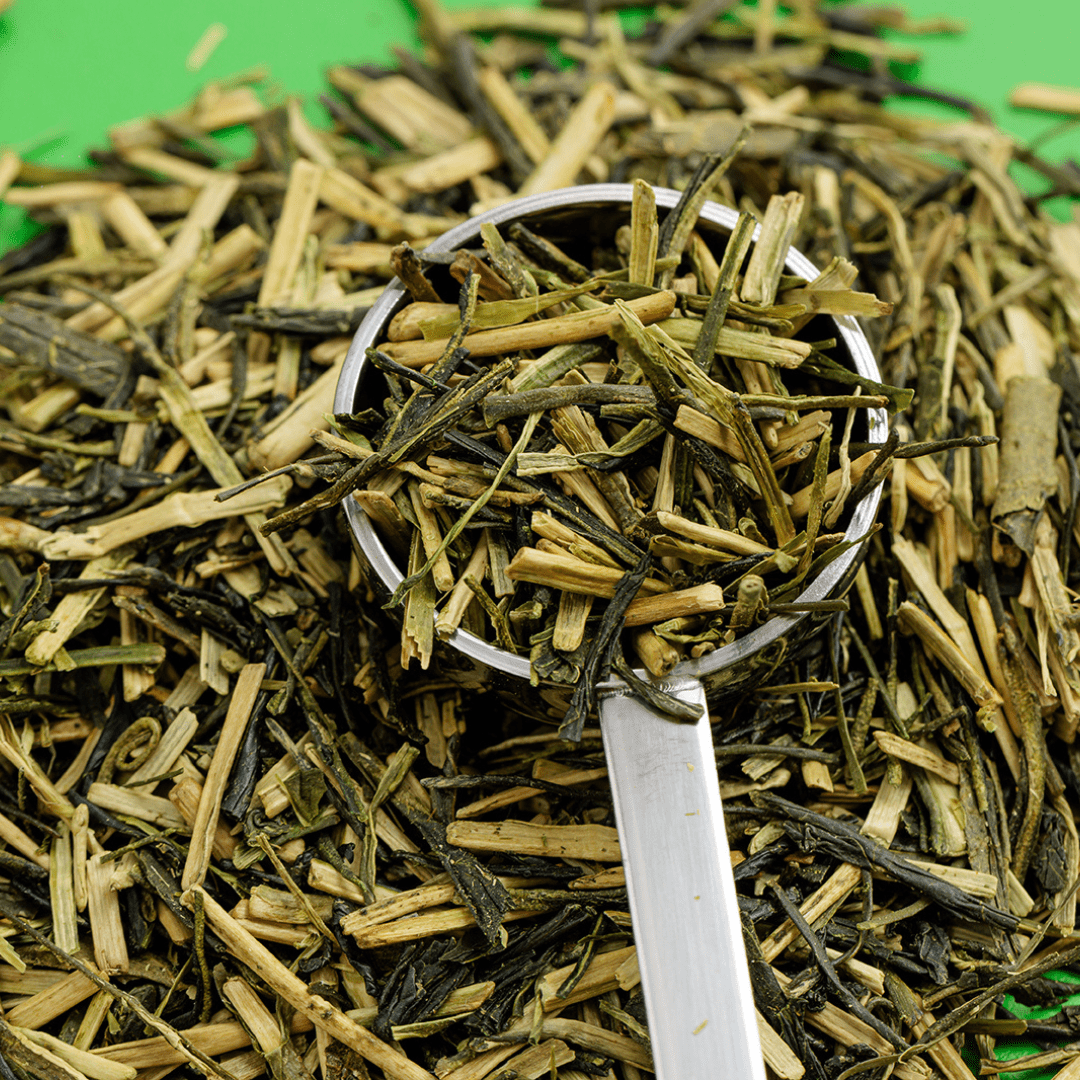
To help procurement managers select the correct product grades, the following table outlines the technical specifications of standard Vietnamese green tea grades exported by VIHABA:
| Grade Name | Physical Leaf Appearance | Moisture Content (%) | Total Ash Content (%) | Water Extract (%) | Key Global Target Markets |
|---|---|---|---|---|---|
| OP (Orange Pekoe) | Large, tightly rolled, whole leaves | ≤ 5.5% | ≤ 6.5% | ≥ 38.0% | Western Europe, North America, East Asia |
| Pekoe | Shorter, slightly curled medium leaves | ≤ 6.0% | ≤ 6.5% | ≥ 36.5% | Middle East, Eastern Europe, GCC Countries |
| Fannings | Small, broken leaf pieces (no dust) | ≤ 6.0% | ≤ 7.0% | ≥ 35.0% | Global Tea Bag Manufacturers |
| Gunpowder | Tightly rolled, round green pellets | ≤ 5.0% | ≤ 6.0% | ≥ 37.0% | North Africa, West Africa, GCC Countries |
Essential Green Tea Facts for Global Quality Compliance and Certifications
Importing agricultural commodities into highly regulated markets requires strict adherence to food safety standards and certification protocols. Understanding green tea facts surrounding compliance ensures that B2B buyers avoid costly customs delays, product rejections, or regulatory penalties.
ISO, HACCP, and Halal Certification
At VIHABA, our processing facilities and partner factories strictly operate under international food safety management systems. We maintain ISO 22000 and HACCP certifications, which guarantee systematic control over potential biological, chemical, and physical hazards throughout the entire manufacturing process. Furthermore, to cater to diverse international markets, particularly in the Middle East and Southeast Asia, our green tea products can be certified Halal, ensuring complete compliance with Islamic dietary guidelines.
Pesticide Residue and Maximum Residue Limits (MRLs)
One of the most critical challenges in the global tea trade is pesticide residue management. Markets such as the European Union (EU) and the United States (FDA) enforce extremely strict Maximum Residue Limits (MRLs). To address this, VIHABA implements a proactive integrated pest management (IPM) system at the farm level. We monitor chemical applications, prioritize organic pest control solutions, and conduct rigorous pre-shipment laboratory testing (such as Eurofins or SGS testing) to verify that every batch meets the specific regulatory requirements of the destination country.
Green Tea Facts on Export Logistics, Packaging, and Supply Chain Transparency
Shipping sensitive agricultural goods across long distances requires specialized logistical knowledge. Tea leaves are highly hygroscopic, meaning they easily absorb moisture and surrounding odors, which can rapidly deteriorate their quality during maritime transit. To optimize your shipping costs and operational planning, read our bulk green tea international sourcing guide, which covers the entire procurement lifecycle.
Bulk Packaging Solutions
To preserve fresh aromas and prevent moisture ingress, VIHABA utilizes high-barrier packaging materials designed specifically for long-term shipping. Our standard bulk packaging includes:
- Multi-wall Kraft Paper Sacks: Featuring an inner food-grade Polyethylene (PE) liner, typically packed in 20kg to 25kg units. This is ideal for standard orthodox grades.
- Aluminum Foil Vacuum Bags: Used for high-value premium green teas, Matcha, and Sencha. Vacuum sealing prevents oxidation and maintains the vibrant green color of the leaves.
- PP Woven Bags: A cost-effective solution for bulk industrial grades, fannings, and dust utilized in commercial blending.
Preserving Freshness in International Shipping
During sea transport, temperature fluctuations within shipping containers can cause condensation (commonly known as ‘container sweat’). VIHABA prevents this by lining the containers with moisture-absorbing desiccants and specialized thermal container liners. We offer both 20ft and 40ft High Cube (HC) container configurations, maximizing loading efficiency while ensuring that the cargo remains dry, cool, and well-ventilated throughout the voyage.
VIHABA’s Traceable Supply Chain
Modern consumers demand to know where their food and beverages originate. We offer complete supply chain traceability, mapping every export batch back to the specific cooperative, harvest period, and processing plant in Vietnam. This high level of transparency allows our B2B clients to build trust with their consumers, strengthen their brand reputation, and easily satisfy modern environmental, social, and governance (ESG) reporting requirements.
Conclusion: Sourcing Premium Tea with Verified Green Tea Facts
In conclusion, mastering these essential Green Tea Facts empowers international buyers to make strategic sourcing decisions that balance quality, price, and supply chain security. From the mineral-rich hills of Thai Nguyen to the high-altitude fields of Moc Chau, Vietnam offers an unparalleled variety of premium green teas suitable for any global market requirement. By understanding the intricacies of de-enzyming, grading, packaging, and international certifications, procurement professionals can secure highly reliable, premium agricultural products.
As a leading exporter of agricultural commodities in Vietnam, VIHABA is committed to being your trusted supply chain partner. We provide our clients with direct access to top-tier tea plantations, state-of-the-art processing technology, and complete regulatory compliance. Contact our dedicated B2B trade specialists today to request samples, discuss custom specifications, and discover how we can streamline your green tea sourcing operations.