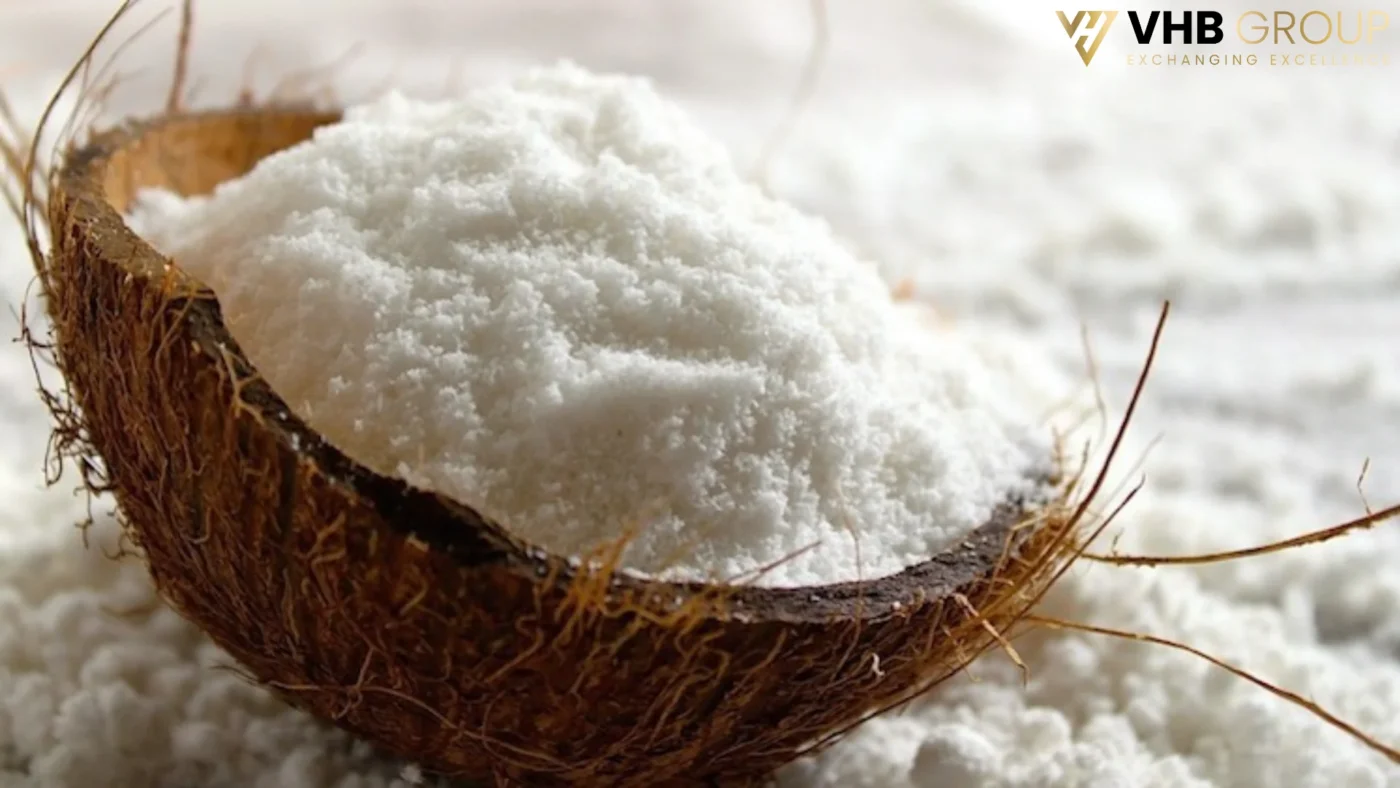
When sourcing high-grade ingredients for industrial food manufacturing, understanding key Desiccated Coconut Facts is crucial to ensuring product quality, cost-efficiency, and supply chain consistency. Desiccated coconut is far more than just a popular baking ingredient. It is a highly versatile, nutrient-dense, and shelf-stable commodity that serves as a cornerstone for the confectionery, bakery, beverage, and dairy sectors worldwide. For procurement professionals, navigating the complexities of international trade, grading systems, and origin variations requires a deep dive into the technicalities of this tropical asset.
Table of Contents
- 1. Global Market Overview and Desiccated Coconut Facts
- 2. Cultivation Regions in Vietnam: The Heart of Sourcing
- 3. Desiccated Coconut Facts: Grade and Quality Specifications
- 4. Industrial Processing Methods and Quality Control
- 5. International Standards, Certifications, and Packaging
- 6. Frequently Asked Questions (FAQs)
- 7. Conclusion: Partnering with VIHABA for Premium Coconut Exports

Global Market Overview and Desiccated Coconut Facts
The global demand for coconut-based ingredients has witnessed exponential growth over the past decade, driven by a global shift toward plant-based diets, clean-label foods, and natural ingredients. For procurement managers looking to optimize their supply chain, keeping a close eye on updated desiccated-coconut-facts is essential to navigating fluctuating global prices and harvest seasons. The market is highly consolidated, with Southeast Asia acting as the primary hub of production, contributing to over 85% of the global export volume.
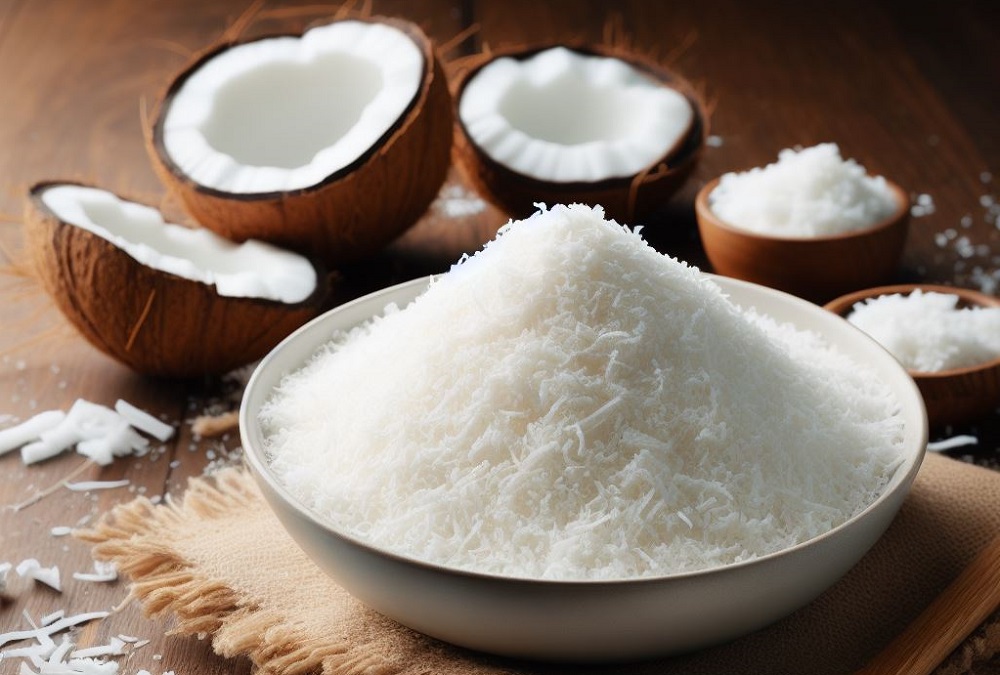
As consumer preferences lean toward gluten-free, non-GMO, and organic alternatives, food manufacturers rely heavily on desiccated coconut as a texture-enhancing, flavor-boosting agent. Structuring your annual contract around the right crop calendar, processing standards, and logistical timelines ensures your production lines never face downtime. From high-fat fine grades to low-fat medium variations, each type has a distinct role in food formulation, making technical expertise a competitive advantage in the B2B marketplace.
Cultivation Regions in Vietnam: The Heart of Sourcing
Vietnam has emerged as a premier powerhouse in the agricultural export sector, with its coconut cultivation areas expanding rapidly to meet international standards. The country’s unique geography, characterized by extensive river deltas and rich alluvial soils, creates the absolute perfect microclimate for coconut palms to thrive. This results in coconuts that boast a high oil content, rich lauric acid profiles, and an exceptional natural sweetness preferred by global buyers.
The Ben Tre Province Advantage
Ben Tre Province, often referred to as the coconut capital of Vietnam, accounts for the vast majority of the country’s coconut production. The region benefits from a dense network of rivers and canals, providing natural irrigation enriched with rich nutrients and minerals. This specific environment yields coconuts with thick, firm kernels, which are highly prized for processing into premium desiccated coconut. Farming practices in Ben Tre have rapidly modernized, with thousands of hectares now transitioning to organic farming certifications, including USDA Organic, EU Organic, and JAS standards.
Other Prominent Southern Hubs
Beyond Ben Tre, neighboring provinces such as Tra Vinh, Tien Giang, and Soc Trang also contribute significantly to the export pool. These regions practice integrated farming techniques, minimizing chemical fertilizers in favor of natural composting and pest control. To deep dive into how these raw materials are handled from farm to port, refer to our comprehensive coconut processing bulk global sourcing guide. Sourcing from Vietnam ensures a stable year-round supply, as the tropical climate allows for continuous harvesting cycles, insulating buyers from the extreme seasonal shortages experienced in other parts of the world.
Desiccated Coconut Facts: Grade and Quality Specifications
To successfully purchase desiccated coconut in bulk, buyers must understand the exact physical and chemical grading specifications required for their target applications. Desiccated coconut is primarily graded by its fat content (high fat vs. reduced fat) and particle size (fine, medium, flakes, or threads).
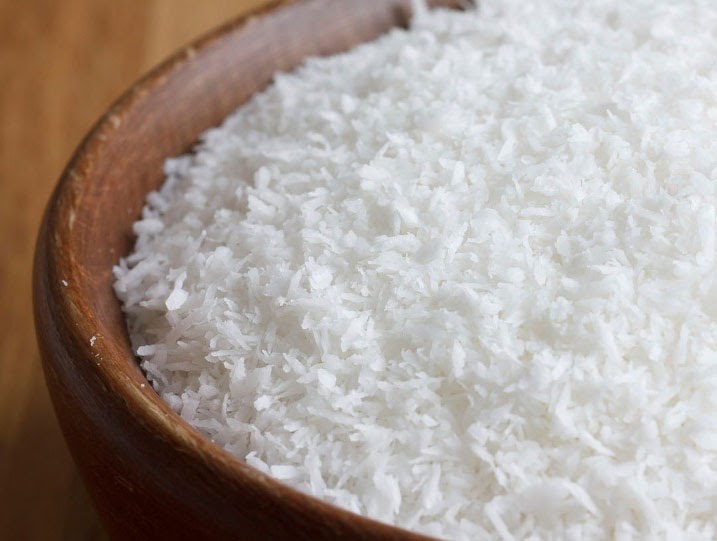
High-fat desiccated coconut, containing over 60% natural coconut oil, is the industry standard for rich baking applications, chocolate fillings, and premium confectionery. Reduced-fat desiccated coconut (typically containing 45% to 55% fat) is widely utilized as a texture agent in dry mixes, health bars, and lower-calorie formulations. The table below outlines the critical quality specifications that premium exporters like VIHABA strictly adhere to:
| Parameter / Metric | Fine Grade Specifications | Medium Grade Specifications | Flake / Sliver Grade Specifications |
|---|---|---|---|
| Moisture Content | Max 3.0% | Max 3.0% | Max 3.5% |
| Fat Content (Dry Basis) | Min 63% – 65% | Min 63% – 65% | Min 60% – 63% |
| Free Fatty Acids (FFA) | Max 0.15% (as Lauric Acid) | Max 0.15% (as Lauric Acid) | Max 0.15% (as Lauric Acid) |
| Color & Appearance | Natural white, free from yellow specks | Natural white, free from yellow specks | Natural white, free from yellow specks |
| Particle Size (Sieve Analysis) | 90% through 1.40mm mesh | 90% through 2.80mm mesh | Consistent slices (1mm – 3mm thickness) |
| Sulfur Dioxide (SO2) | Free from SO2 (or Max 50ppm if specified) | Free from SO2 (or Max 50ppm if specified) | Free from SO2 (or Max 50ppm if specified) |
| Microbiological (Salmonella) | Negative in 25g | Negative in 25g | Negative in 25g |
These strict parameters ensure that the final product does not spoil prematurely, remains free from off-odors, and maintains an appealing mouthfeel throughout its designated shelf life. Premium desiccated coconut should always present a clean, sweet, and characteristic coconut aroma without any hints of rancid, soapy, or musty undertones.
The Industrial Processing Methods
The transformation of a freshly harvested coconut into a stable, dry, and safe ingredient involves a highly controlled, multi-stage industrial process. Maintaining strict hygiene and food safety standards at every stage is critical to avoiding microbiological contamination, particularly from foodborne pathogens like Salmonella.
Step 1: Harvesting and De-husking
Mature coconuts (typically 11-12 months old) are carefully harvested from selected plantations. The fibrous outer husk is removed at the farm level, and the de-husked nuts are transported quickly to the processing facility to prevent fermentation or cracking.
Step 2: De-shelling and Paring
At the processing plant, the hard inner shell is carefully cracked and removed. The brown outer skin (testa) is then pared away, leaving the pure, white coconut meat. This step must be executed with high precision; any residual brown testa can lead to unwanted dark specks in the final desiccated output, lowering its commercial value.
Step 3: Washing, Slicing, and Sterilization
The white coconut kernels are washed extensively in pure, filtered water to remove any residual coconut water or organic impurities. The kernels then undergo a critical step: thermal pasteurization or steam sterilization. Subjecting the meat to superheated steam ensures complete microbiological safety, destroying any potential pathogens without compromising the delicate natural fats and aromatic compounds.
Step 4: Disintegration and Drying
Once sterilized, the coconut meat is fed into industrial shredders or disintegrators, which grind the meat into the desired particle size (Fine, Medium, or Flake). The shredded coconut is then fed continuously into a fluid-bed dryer. The drying process uses hot, clean air to gently reduce the moisture level from approximately 50% down to less than 3.0%. This low moisture level is essential for preventing microbial growth and rancidity.
Step 5: Grading, Sifting, and Packaging
After leaving the dryer, the desiccated coconut is cooled to ambient room temperature and passed over a series of vibrating sieves to separate the product into precise grades based on particle size. Magnets and metal detectors are integrated into the final line to ensure 100% safety from physical contaminants before the product is packed into protective bags.
International Quality Standards and Export Logistics
For large-scale food manufacturers, importing agricultural commodities involves navigating strict regulatory and food safety frameworks. High-quality desiccated coconut must meet strict international standards to clear customs smoothly and satisfy industrial quality assurance teams.
Essential Certifications for Global Trade
When sourcing desiccated coconut, look for processing plants that hold international certifications. These include HACCP and ISO 22000 for food safety management, along with BRCGS (British Retail Consortium Global Standards) or FSSC 22000, which are highly respected by tier-one food manufacturers in North America and Europe. Additionally, obtaining Halal and Kosher certifications is essential for catering to diverse global consumer markets.
B2B Export Packaging Standards
Desiccated coconut is highly sensitive to moisture absorption and lipid oxidation. If exposed to air or humidity, the high-fat content can rapidly turn rancid, ruining the flavor. To prevent this, premium exporters pack the product in multi-ply, heavy-duty kraft paper bags with an inner, food-grade polyethylene (PE) liner. Common packaging sizes for B2B trade include 25kg, 50kg, or large bulk bags (totes) ranging from 500kg to 1000kg, depending on the buyer’s warehouse unloading capabilities.
Shipping and Storage Best Practices
During maritime transit, desiccated coconut must be protected from extreme temperature changes, which can cause condensation (container sweat) and mold growth. Containers should be clean, dry, odor-free, and lined with moisture-absorbing kraft paper or dry-bag desiccant poles. On arrival, the product should be stored in a cool, dry warehouse at temperatures below 25°C (77°F) and a relative humidity below 60%. Under these optimal conditions, high-fat desiccated coconut maintains its sensory properties and safety for up to 12 to 18 months from the date of manufacture.
Conclusion: Partnering with VIHABA for Premium Coconut Exports
In conclusion, mastering these critical Desiccated Coconut Facts allows global B2B buyers to make strategic sourcing choices, protect their product quality, and build highly resilient supply chains. As a prominent Vietnamese exporter of agricultural commodities, VIHABA bridges the gap between premium local farmers, state-of-the-art processing facilities, and international food manufacturers. We provide fully traceable, certified, and strictly tested desiccated coconut tailored to your exact moisture, fat, and particle-size specifications. Contact the VIHABA sourcing team today to request product samples, receive real-time FOB/CIF quotes, and establish a reliable, long-term supply partner in Vietnam.