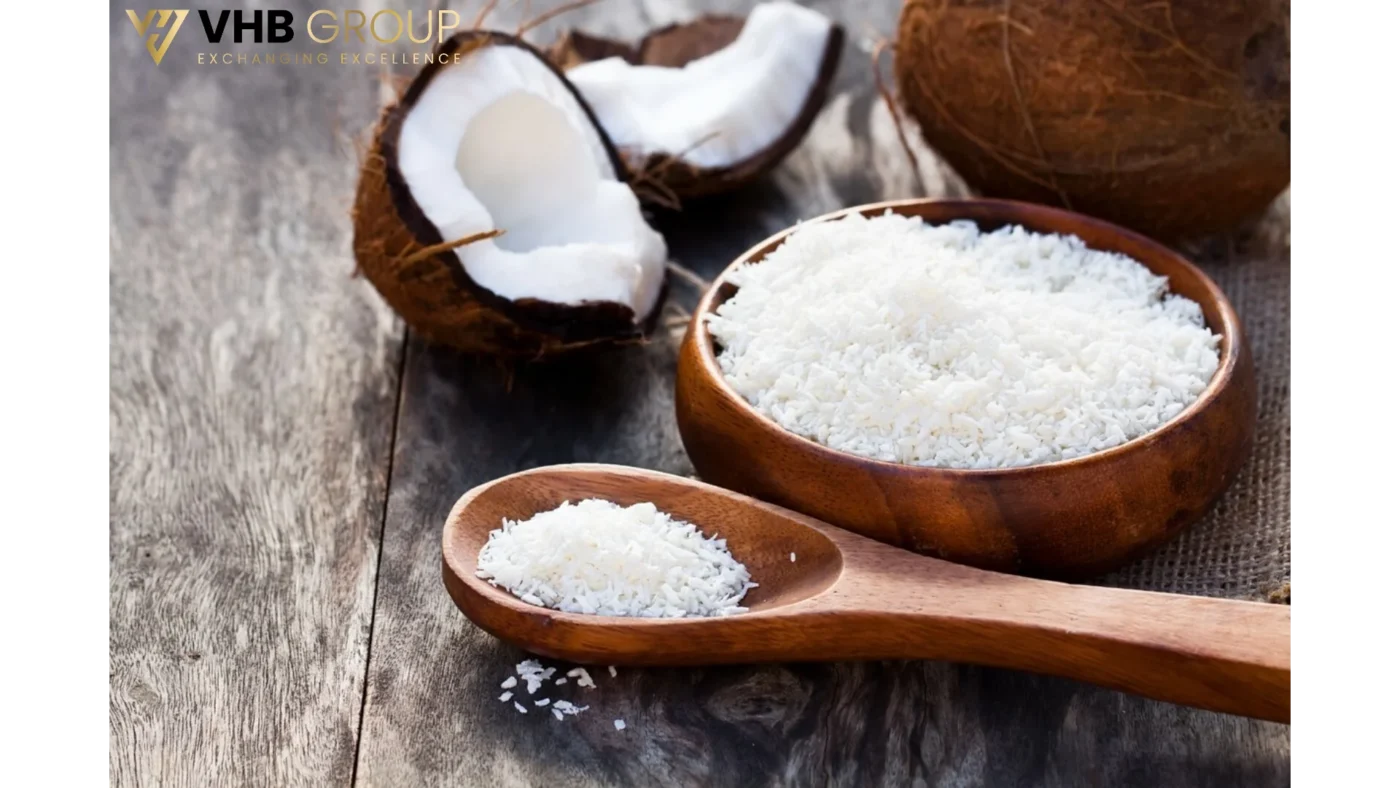
As global food manufacturing demands highly specialized ingredients, sourcing premium Desiccated Coconut Unique SKUs has become a critical strategic decision for B2B buyers seeking consistency, quality, and supply chain transparency. In the modern agrifood landscape, a one-size-fits-all approach no longer suffices. Food processors, industrial bakeries, and confectionery brands require highly specific fat contents, precise cut sizes, and impeccable microbiological profiles to meet both consumer expectations and stringent import regulations.
Table of Contents
- 1. Global Market Overview: The Rising Demand for Premium Desiccated Coconut
- 2. Vietnam’s Coconut Cultivation: Ben Tre as the Heart of Agrifood Excellence
- 3. Modern Processing Methods and Quality Control Protocols
- 4. Tailoring Ingredients: Desiccated Coconut Unique SKUs and Technical Specifications
- 5. International Quality Standards, Certifications, and GlobalGAP Compliance
- 6. Export Packaging and Logistics for Desiccated Coconut Unique SKUs
- 7. Why VIHABA is Your Strategic Partner for Desiccated Coconut Unique SKUs
- 8. Frequently Asked Questions (FAQs)
- 9. Conclusion: Securing Your Supply of Desiccated Coconut Unique SKUs with VIHABA
Global Market Overview: The Rising Demand for Premium Desiccated Coconut
The global market for desiccated coconut is witnessing rapid expansion, driven by the global transition toward plant-based diets, healthy snacking, and clean-label confectionery products. Desiccated coconut—shredded, dried, and unsweetened coconut meat—serves as an indispensable ingredient across multiple sectors. From industrial baking to premium confectionery and breakfast cereal formulation, the versatility of this ingredient makes it a staple in the global agrifood supply chain.
However, the global market is no longer characterized by generic sourcing. International buyers face fluctuating supply chains, shifting weather patterns in key cultivation zones, and rising regulatory scrutiny regarding food safety and contaminants. To navigate these challenges, procurement officers are increasingly looking for long-term relationships with vertically integrated suppliers capable of delivering highly customized specifications. These tailored options represent the pinnacle of product customization, allowing manufacturers to optimize their manufacturing lines and final product textures.
Vietnam’s Coconut Cultivation: Ben Tre as the Heart of Agrifood Excellence
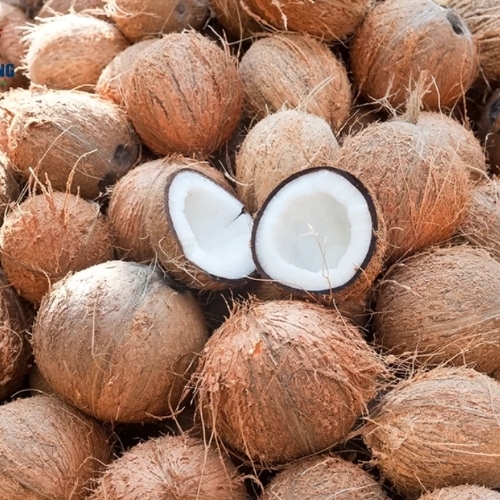
Vietnam has rapidly emerged as one of the world’s leading exporters of coconut products, with the Mekong Delta—particularly Ben Tre province—standing as the epicentre of cultivation. Ben Tre’s unique geographical positioning, enriched by fertile alluvial soils deposited by the Mekong River branches, provides an optimal environment for coconut palms. The year-round tropical climate, consistent humidity, and natural irrigation systems result in coconuts characterized by exceptionally thick kernel walls, high oil content, and a naturally sweet, aromatic profile.
For international buyers, Vietnam’s coconut industry offers key structural advantages:
- Sustainability and Traceability: Vietnamese farmers are rapidly adopting sustainable agriculture models, utilizing organic composting and natural pest control methods to protect the local ecosystem.
- GlobalGAP and Organic Integration: An increasing number of plantations in Ben Tre are certified organic under USDA, EU, and JAS standards, alongside GlobalGAP compliance, ensuring full traceability from farm to processing facility.
- Governmental Support: The Vietnamese government actively promotes trade facilitation, investing in modern logistics infrastructure and offering favorable export frameworks to support agricultural partnerships.
- Economic Efficiency: Streamlined logistics from local farms to nearby deep-water ports reduce transit times and maintain raw material freshness prior to industrial processing.
Modern Processing Methods and Quality Control Protocols
Transforming raw coconuts into highly specialized, food-grade desiccated coconut requires sophisticated processing facilities and meticulous quality control protocols. The quality of the final product is directly dependent on the speed and hygiene of the processing line, as fresh coconut meat is highly susceptible to microbiological contamination and enzymatic rancidity.
The processing journey begins with selection and de-husking, where only fully matured, healthy coconuts are chosen. The white kernel is then carefully pared to remove the brown testa, washed in purified water, and sanitized. The next critical step is pasteurization or steam blanching, which effectively eliminates potential pathogens, particularly Salmonella, while stabilizing the natural oils. For a comprehensive breakdown of the advanced machinery, engineering standards, and industrial steps involved in this process, B2B procurement managers are encouraged to read our bulk global sourcing guide for coconut processing.
Following blanching, the coconut meat is milled or disintegrated to achieve the desired cut size, then dried in high-efficiency fluid bed dryers to reduce moisture levels to under 3%. Advanced vibratory sieves sort the dried product into precise grades, while multi-stage magnetic separators and optical sorters ensure the complete exclusion of foreign materials, yielding a pristine, uniform final product.
Tailoring Ingredients: Desiccated Coconut Unique SKUs and Technical Specifications
In industrial food processing, the precise physical and chemical properties of desiccated coconut determine how it performs on the production line and how it interacts with other ingredients. Selecting the right Desiccated Coconut Unique SKUs ensures optimal water absorption, fat distribution, shelf stability, and visual appeal in the final product.
Procurement teams must carefully balance parameters such as fat content (high fat vs. low fat) and particle size (fine, medium, flakes, threads, or chips). To facilitate direct B2B sourcing and discover customized options tailored to your production lines, you can explore our complete product range here: Desiccated Coconut Unique SKUs.
The table below outlines the rigorous technical specifications and standardized physical-chemical parameters of our primary export-grade SKUs:
| Parameter | High Fat Fine Grade | High Fat Medium Grade | Low Fat Fine Grade | Flakes / Chips SKUs |
|---|---|---|---|---|
| Fat Content (%) | 63% ± 2% | 63% ± 2% | 45% – 50% Max | 62% ± 2% |
| Moisture Content | Max 3.0% | Max 3.0% | Max 3.5% | Max 3.5% |
| Free Fatty Acids (FFA as Lauric) | Max 0.3% | Max 0.3% | Max 0.15% | Max 0.3% |
| SO2 Content | Max 50 ppm (or SO2 Free) | Max 50 ppm (or SO2 Free) | Max 50 ppm (or SO2 Free) | Max 100 ppm (or SO2 Free) |
| Salmonella | Negative / 25g | Negative / 25g | Negative / 25g | Negative / 25g |
| E. coli | Negative / 1g | Negative / 1g | Negative / 1g | Negative / 1g |
International Quality Standards, Certifications, and GlobalGAP Compliance
For global agrifood exporters, achieving compliance with international food safety frameworks is non-negotiable. Sourcing high-quality Desiccated Coconut Unique SKUs requires partnering with a manufacturer who views quality assurance not as a checkbox, but as a core business philosophy. VIHABA maintains strict oversight over every processing link, ensuring our products align with the world’s most demanding food safety standards.
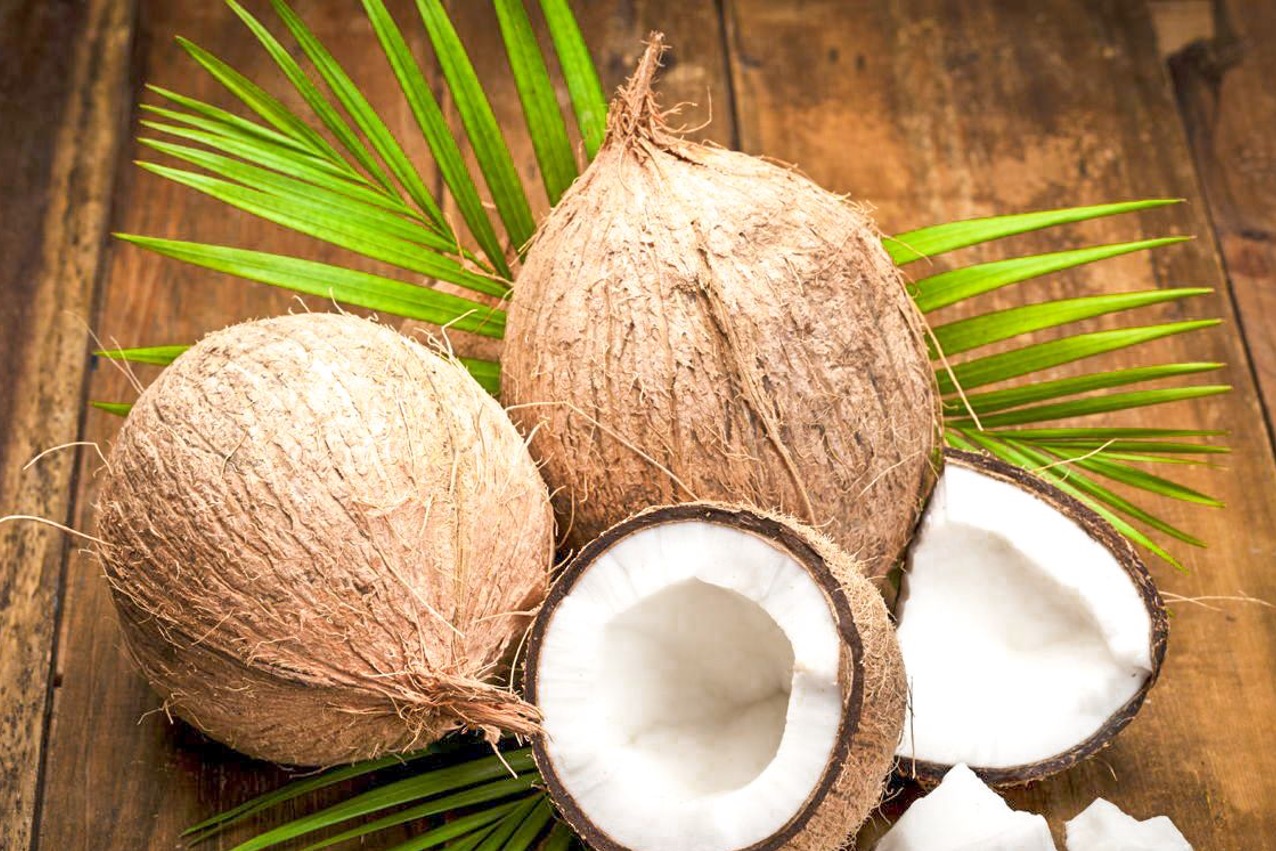
Our partner facilities operate under a robust suite of international food safety certifications, including:
- HACCP & ISO 22000: Guarantees a systematic, hazard-based approach to food safety, monitoring biological, chemical, and physical hazards throughout processing.
- BRCGS (British Retail Consortium Global Standards): Ensures compliance with global standards for product safety, integrity, and operational quality.
- Halal & Kosher: Validates processing methods and ingredients to meet the religious and dietary requirements of diverse global consumer bases.
- Social Compliance (SEDEX/SMETA): Demonstrates our commitment to ethical labor practices, safe working conditions, and environmental responsibility within our supply chains.
Export Packaging and Logistics for Desiccated Coconut Unique SKUs
Maintaining the structural integrity, freshness, and oil stability of Desiccated Coconut Unique SKUs during long-distance transit is a key logistical priority. Coconut products are highly sensitive to external factors such as moisture ingress, temperature fluctuations, and foreign odors, which can trigger rancidity or compromise food safety.
To mitigate these risks, VIHABA employs multi-layered, food-grade packaging solutions. The standard industry configuration features a multi-wall Kraft paper bag with an inner food-grade polyethylene (PE) liner (typically 25 kg or 50 lb net weight). This barrier prevents moisture absorption and preserves the natural aroma. For heavy industrial users, bulk packaging solutions, such as 500 kg to 1,000 kg Jumbo bags, are available and optimized for seamless mechanical unloading.
In terms of ocean freight, VIHABA enforces strict container inspection protocols prior to loading. Containers must be completely dry, clean, free from odors, and lined with kraft paper to prevent condensation damage during transit across varying climate zones. Our logistics experts coordinate with leading global shipping lines to guarantee timely delivery and reliable supply chain transparency, from our warehouses in Vietnam directly to your designated port of entry.
Why VIHABA is Your Strategic Partner for Desiccated Coconut Unique SKUs
Choosing VIHABA as your agrifood partner means choosing reliability, adaptability, and excellence in agricultural exports. We understand that global B2B buyers require more than just a raw materials vendor—they need a strategic partner capable of solving complex supply chain challenges, customizing ingredients to exact formulas, and delivering consistent quality batch after batch.
Our competitive advantages include:
- Tailored Product Customization: Whether you require a specific fat content for low-calorie snacks, customized thread lengths for cake decorations, or SO2-free options for natural food markets, we deliver customized agrifood solutions that perfectly fit your production needs.
- Rigorous Quality Assurance: Through our partnership with premium processing facilities in Vietnam, we offer continuous oversight, full traceability, and independent third-party laboratory verification for all export shipments.
- Transparent Supply Chain: From harvest in the fertile fields of Ben Tre to final delivery at your destination, we provide real-time updates and full documentation, reducing your operational risks.
Conclusion: Securing Your Supply of Desiccated Coconut Unique SKUs with VIHABA
In the competitive global agrifood market, securing a reliable, consistent, and customizable supply of premium ingredients is paramount. By choosing to source your **Desiccated Coconut Unique SKUs** from VIHABA, you partner with an established export specialist dedicated to sustainability, quality assurance, and tailor-made customer solutions. Our deep integration within Vietnam’s agricultural heartland ensures that we deliver the finest Ben Tre coconut products directly to your production line, backed by world-class logistics and uncompromising regulatory compliance. Contact our dedicated agrifood export team today to request custom samples, technical data sheets, and competitive B2B quotes tailored to your business needs.