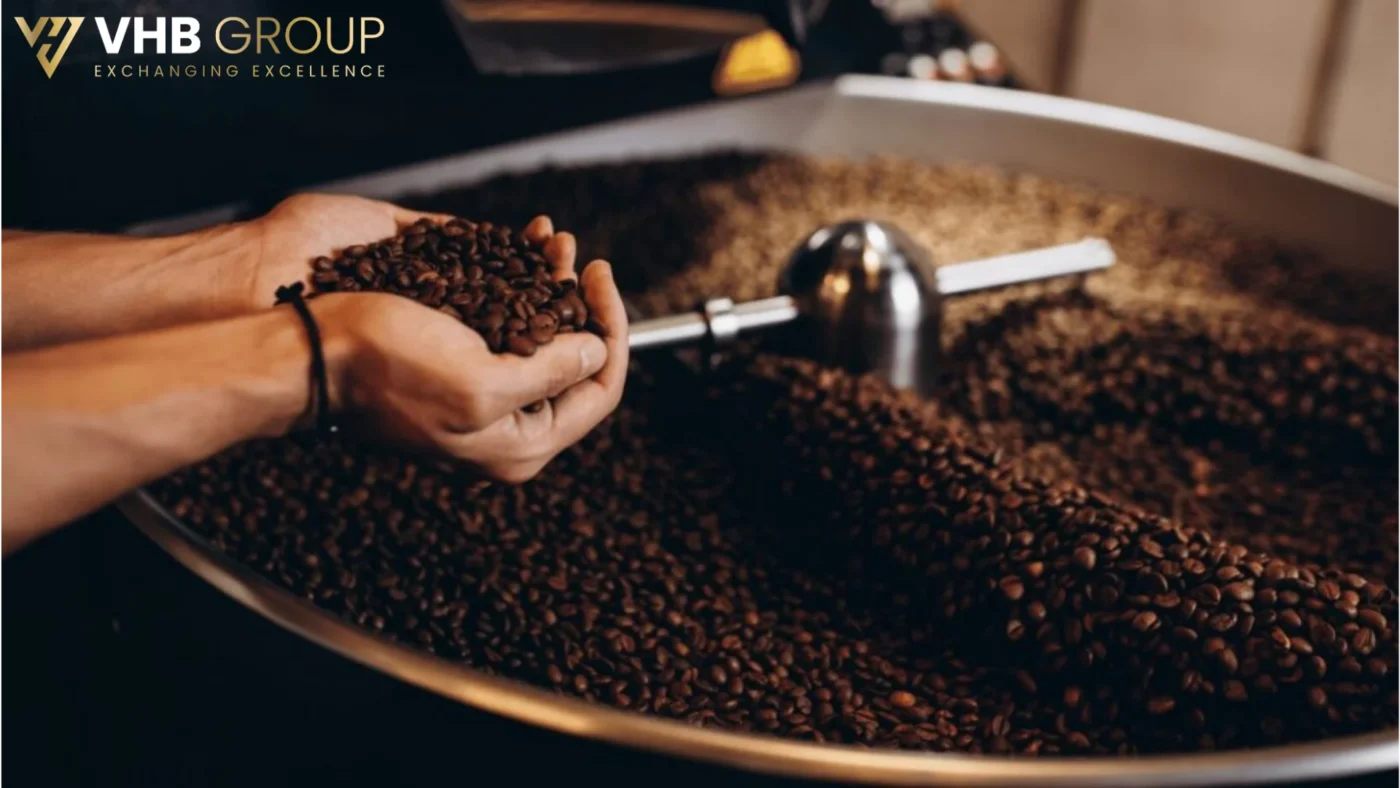
For international commodity buyers, raw-material sourcing is more than a commercial transaction; it requires a deep understanding of essential Coffee Beans Facts to maintain strict quality standards, competitive pricing, and robust supply chain resilience. As the global demand for high-quality Arabica and Robusta continues to surge, green coffee beans remain a dominant force in the international agricultural market. Understanding the biological, logistical, and processing frameworks of these beans allows B2B buyers to optimize their product portfolios and streamline operations.
Whether you are a commercial coffee roaster, a beverage manufacturer, or an agricultural distributor, the purchasing process demands clarity. In this comprehensive guide, we unpack the fundamental facts of coffee cultivation, processing, grading, and logistics, highlighting Vietnam’s critical role as a global agricultural powerhouse and showcasing how VIHABA ensures premium export quality at every stage of the supply chain.
Table of Contents
- Global Market Overview and Essential Coffee Beans Facts
- Regional Cultivation and Botanical Coffee Beans Facts in Vietnam
- Processing Methods: Technical Coffee Beans Facts Every Importer Must Know
- Quality Standards, Grading, and Export Specification Coffee Beans Facts
- Supply Chain Logistics and Sustainable Export Packaging
- Strategic Sourcing: Why VIHABA is Your Trusted B2B Export Partner
- Frequently Asked Questions
Global Market Overview and Essential Coffee Beans Facts
Coffee is one of the most actively traded agricultural commodities on the planet. The global market is divided into two primary commercial species: Coffea Arabica (Arabica) and Coffea Canephora (Robusta). Historically, Arabica has been associated with specialty coffee markets due to its delicate, acidic, and complex flavor profiles. In contrast, Robusta is celebrated for its bold, earthy profiles, lower acidity, and significantly higher caffeine content, making it an indispensable ingredient for instant coffee formulations, espresso blends, and commercial extracts.
Understanding the core coffee-beans-facts is essential for establishing stable commercial partnerships. The global market relies heavily on consistent year-round supply. Over the last decade, global consumption patterns have shifted toward premium espresso blends and ready-to-drink (RTD) cold beverages. This shift has elevated the demand for clean, high-grade Robusta beans. B2B buyers must navigate complex supply dynamics, fluctuating market prices on the Intercontinental Exchange (ICE), and geopolitical impacts on transport routes. To mitigate these risks, partnering with reliable exporters in major producing nations like Vietnam is highly recommended.
Regional Cultivation and Botanical Coffee Beans Facts in Vietnam
Vietnam stands as the world’s second-largest exporter of coffee and the absolute leader in Robusta production. The unique geography and climate of the country create optimal conditions for cultivation. This section details the geographical and biological elements that define the Vietnamese crop:
The Central Highlands (Tây Nguyên): The Heart of Production
The vast majority of Vietnamese coffee is cultivated in the Central Highlands, which includes the provinces of Dak Lak, Lam Dong, Gia Lai, and Dak Nong. This region sits on a high basaltic plateau characterized by rich volcanic soil, which provides a natural abundance of micro-nutrients. This soil is highly porous and retains water efficiently, making it perfect for supporting heavy-yielding coffee trees.
Altitude and Climatic Requirements
Robusta coffee thrives at lower altitudes, typically between 500 and 800 meters above sea level, where temperatures remain warm (24°C to 30°C) and rainfall is abundant but seasonal. The distinct dry season in the Central Highlands is vital, as it allows farmers to naturally dry the harvested cherries. Arabica, on the other hand, is grown at higher elevations, primarily in the mountainous terrains of Lam Dong (specifically Da Lat), where cooler climates (15°C to 22°C) allow the cherries to mature slowly, concentrating sugars and producing complex, bright acid profiles.
Cultivation Practices and Crop Resilience
Vietnamese farmers have mastered the science of intensive cultivation. Advanced irrigation management, natural windbreaks, and shade-grown techniques are widely used to maintain biodiversity and soil health. By managing soil organic matter and implementing natural pest management, Vietnamese producers meet international environmental guidelines while maintaining exceptional crop yield and quality.
Processing Methods: Technical Coffee Beans Facts Every Importer Must Know
Once the coffee cherry is harvested at its peak ripeness, the processing method applied directly determines the moisture content, chemical stability, and final flavor profile of the green coffee bean. For B2B buyers, understanding these technical processes is critical, as they dictate the shelf life, roasting behavior, and physical specifications of the product.

1. The Dry Process (Natural Method)
In the natural dry process, the entire coffee cherry is spread out in thin layers on concrete patios or raised drying beds under the sun. The cherries are raked regularly to prevent fermentation pockets and mold development. Over two to three weeks, the moisture content drops naturally to approximately 11% to 12.5%. This method allows the sugars from the fruit pulp to absorb into the bean, resulting in a full-bodied, low-acid coffee with sweet, complex, and dried-fruit tasting notes. This is a highly sustainable, water-saving method popular in sunny regions of Vietnam.
2. The Wet Process (Fully Washed Method)
The fully washed process is a highly controlled, mechanical method. First, the outer skin of the coffee cherry is removed using a depulper. Next, the mucilage-covered beans are placed in water fermentation tanks for 12 to 36 hours. During this period, natural enzymes break down the sticky mucilage layer. Once washed clean with fresh water, the wet parchment coffee is dried under controlled conditions. This method produces green coffee beans with exceptional physical cleanliness, bright acidity, and a uniform color, making it the preferred choice for specialty Arabica and high-grade Robusta blends.
3. The Honey (Semi-Washed) Process
The honey process bridges the gap between natural and washed processing. The outer skin is depulped, but varying amounts of the sticky mucilage (the “honey”) are left on the bean during the drying phase. Depending on the amount of mucilage retained, the process is classified as Yellow Honey, Red Honey, or Black Honey. This method yields a cup with pleasant sweetness, balanced acidity, and unique aromatic qualities, giving roasters a highly marketable, premium product profile.
Quality Standards, Grading, and Export Specification Coffee Beans Facts
To ensure consistency across international borders, green coffee beans must be graded according to strict physical specifications. This is where quality assurance becomes measurable for commercial buyers. International trade relies on clear parameters like moisture content, screen size, defect counts, and foreign matter percentages to determine product value and grade.
The table below outlines the industry-standard export specifications for Vietnamese Robusta and Arabica green coffee beans, conforming to both national (TCVN) and international (ISO) trading standards:
| Parameter / Metric | Robusta Grade 1 (Screen 18) | Robusta Grade 2 (Screen 16) | Arabica Grade 1 (Screen 16) |
|---|---|---|---|
| Moisture Content (Max) | 12.5% | 12.5% | 12.5% |
| Black & Broken Beans (Max) | 2.0% | 5.0% | 2.0% |
| Foreign Matter (Max) | 0.5% | 1.0% | 0.5% |
| Sieve Size (Screen) | Min 90% on Screen 18 (7.1mm) | Min 90% on Screen 16 (6.3mm) | Min 90% on Screen 16 (6.3mm) |
| Other Coffee Species (Max) | 0.5% | 1.0% | 0.5% |
| Admixture (Max) | 1.0% | 2.0% | 1.0% |
By enforcing these exact standards, exporters minimize processing waste and guarantee that roasting profiles remain stable. For roasters, matching screen size to heat transfer rates is essential. Uniform screen sizes prevent uneven roasts, where smaller beans scorch while larger beans remain under-roasted.

Supply Chain Logistics and Sustainable Export Packaging
A reliable supply chain is critical in B2B coffee sourcing. Even the finest quality green coffee beans can deteriorate during long sea voyages if environmental factors are not managed. High humidity, temperature fluctuations, and moisture accumulation can trigger mold growth and musty flavors, rendering entire shipments unusable.
Modern Packaging Solutions
To preserve fresh green coffee beans during ocean transit, advanced packaging solutions are utilized. While traditional 60kg jute bags remain the industry standard for bulk handling, modern exporters pair them with hermetic liners (such as GrainPro). These high-barrier plastic liners create a modified atmosphere that locks out external humidity, stops pest infestations, and stabilizes moisture levels. For ultra-premium micro-lots, vacuum-sealed packaging is used to guarantee total preservation from farm to roaster.
Container Management and Condensation Control
During transport, cargo containers experience dramatic temperature changes as they travel through different climate zones. To prevent condensation (“container sweat”), containers must be lined with moisture-absorbing kraft paper or dry-bags. Sacks must be stacked securely to allow adequate airflow, preventing heat pockets that can degrade the green coffee. Strong partnerships with international freight forwarders allow experienced exporters to coordinate seamless port-to-port shipping schedules, minimizing transport delays.
Certifications and Trade Compliance
Global markets require high standards of sustainability and traceability. Premium commercial crops must comply with major global certifications, including 4C, UTZ/Rainforest Alliance, and USDA Organic. These certifications confirm that the coffee was grown under fair working conditions, without banned pesticides, and without contributing to regional deforestation. This complete documentation ensures trouble-free customs clearance and protects brand reputation in high-regulation markets.
Strategic Sourcing: Why VIHABA is Your Trusted B2B Export Partner
When sourcing agricultural commodities from Vietnam, choosing an experienced, transparent partner is key to secure, long-term success. VIHABA is a premium B2B exporter that bridges the gap between traditional farmers in the Central Highlands and global commercial buyers. We operate under a modern sourcing model that prioritizes quality, cost efficiency, and absolute supply chain transparency.
By working directly with local farming cooperatives, VIHABA cuts out unnecessary intermediaries, allowing us to offer highly competitive pricing while ensuring fair compensation for growers. Our strict quality control process is active at every stage: from supervising the harvest and monitoring the drying beds to supervising the milling, sorting, and final container packaging. Every export lot undergoes strict sensory evaluation and physical testing to guarantee compliance with your exact specifications.
Whether you require bulk containers of Grade 1 Robusta for mass manufacturing, or specialized washed Arabica for a premium brand line, VIHABA delivers tailored logistics solutions, flexible contract terms, and comprehensive custom-clearance support. We understand the dynamic needs of global importers and are committed to helping your business scale with a steady, reliable supply of outstanding coffee.
Conclusion
Mastering the fundamental Coffee Beans Facts is essential for B2B buyers looking to navigate the global agricultural market. From choosing the correct botanical species and processing method to understanding strict physical grading standards and logistics, every step of the journey directly impacts the final quality in the cup. As a premier Vietnamese exporter, VIHABA combines deep agricultural expertise, modern processing facilities, and a secure logistics network to supply global markets with premium coffee beans. Partner with VIHABA to secure a sustainable, consistent, and highly competitive supply chain that supports your business growth.