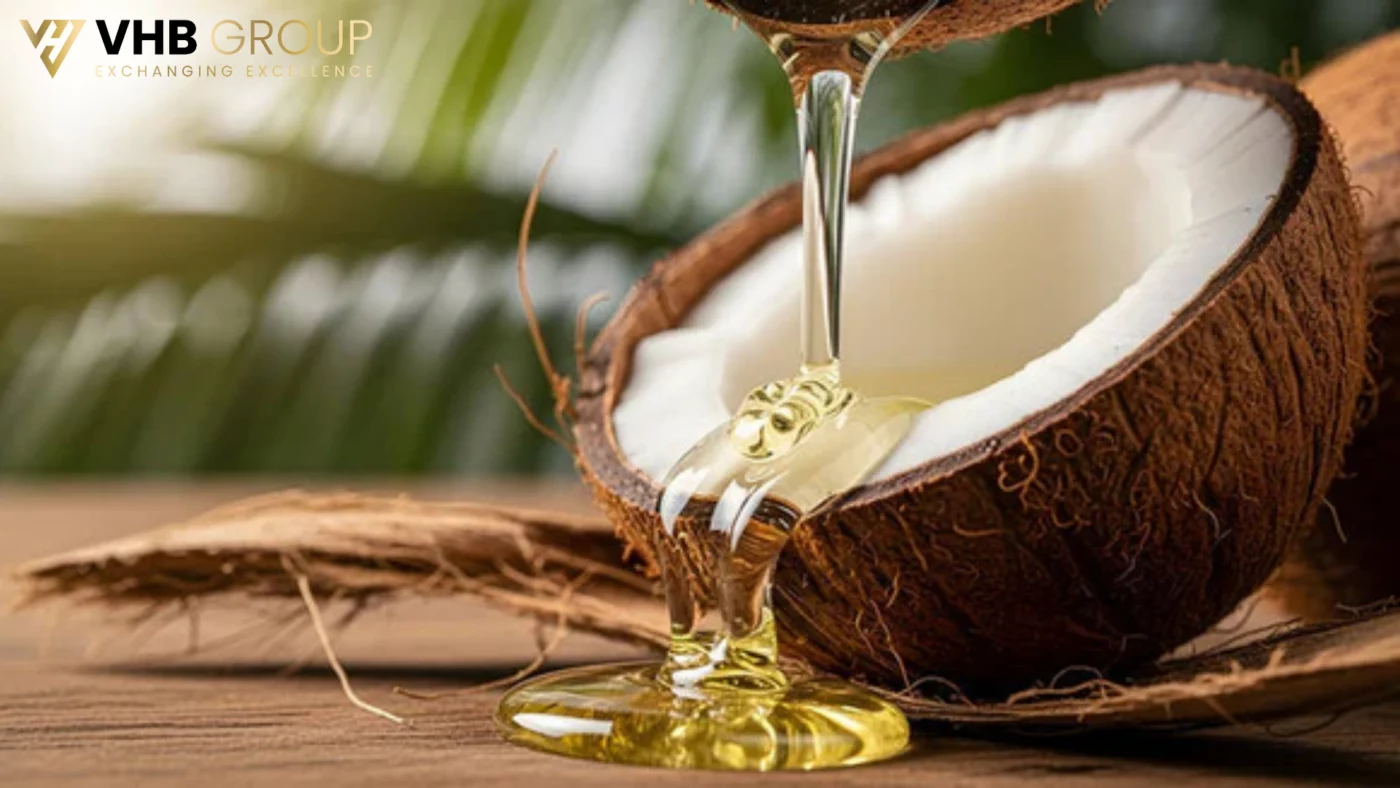
For B2B buyers looking to optimize their supply chain, securing a reliable supplier of Coconut Oil Bulk Wholesale is critical to maintaining product quality and operational efficiency. As the global demand for natural, plant-based lipids continues to surge across the food, cosmetic, and pharmaceutical industries, finding an agricultural exporter that balances premium quality with cost-effective logistics is paramount. When sourcing premium organic or refined products, understanding the market dynamics of coconut oil bulk wholesale helps procurement managers make informed purchasing decisions, mitigate risk, and secure competitive pricing.
At VIHABA, we specialize in bridging the gap between local tropical plantations and global industrial buyers. By controlling our supply chain from the farm gate to the shipping port, we ensure that every batch of coconut oil meets stringent international quality standards while offering scalable bulk solutions. In this comprehensive guide, we will analyze the key technical specifications, extraction processes, logistics configurations, and market trends that define global bulk procurement.
Table of Contents
- 1. Understanding the Global Market for Coconut Oil Bulk Wholesale
- 2. Direct Comparison: Virgin vs. Refined Coconut Oil (RBD)
- 3. Key Sourcing Criteria for Coconut Oil Bulk Wholesale Buyers
- 4. Quality Certifications and Global Compliance Standards
- 5. Technical Specifications and Grade Differences
- 6. Logistics and Packaging Options in Coconut Oil Bulk Wholesale
- 7. Market Pricing Drivers and Seasonal Dynamics
- 8. Frequently Asked Questions (FAQs)
- 9. Conclusion and B2B Procurement with VIHABA

Understanding the Global Market for Coconut Oil Bulk Wholesale
The global market for coconut oil has experienced structural shifts over the past decade. Historically categorized as a niche tropical commodity, it has evolved into a mainstream raw material prized for its unique biochemical profile—specifically its rich concentration of Medium-Chain Triglycerides (MCTs) and lauric acid. B2B importers looking to secure Coconut Oil Bulk Wholesale must navigate a supply landscape dominated by major tropical agricultural hubs, primarily in Southeast Asia.
Vietnam has emerged as a powerhouse in coconut cultivation and processing, particularly in the Mekong Delta region, such as Ben Tre province. The fertile alluvial soil and consistent tropical climate of this region yield coconuts with exceptionally high oil content and superior flavor profiles. For international procurement managers, sourcing directly from Vietnamese processors like VIHABA provides a significant advantage: direct access to fresh crops, reduced transport times from tree to press, and highly competitive pricing structures unaffected by secondary trading layers.
As sustainability becomes non-negotiable for modern consumers, global importers are increasingly auditing the environmental and social impact of their supply chains. Sustainable agricultural practices, fair wages for smallholder farmers, and carbon-neutral processing techniques are no longer optional. VIHABA is at the forefront of this shift, ensuring that our sourcing practices support local farming communities while minimizing water and energy usage during refinement. This holistic approach ensures a resilient supply chain that aligns with the environmental, social, and governance (ESG) goals of multinational buyers.
Direct Comparison: Virgin vs. Refined Coconut Oil (RBD)
Before initiating a bulk purchase, it is vital to match the correct oil grade with your specific industrial application. Coconut oil is broadly categorized into two major types: Virgin Coconut Oil (VCO) and Refined, Bleached, and Deodorized (RBD) Coconut Oil. Each undergoes highly distinct processing methods that alter its physical characteristics, chemical stability, and cost profile.
Virgin Coconut Oil (VCO)
Virgin Coconut Oil is extracted from fresh, mature coconut kernels without the application of high heat or chemical solvents. The two primary methods of extraction are cold-pressing and centrifugation. Cold-pressing involves mechanically pressing the dried coconut meat (copra-free) at temperatures strictly controlled below 60°C (140°F) to preserve natural antioxidants, vitamins, and the characteristic sweet coconut aroma. Centrifugal extraction processes fresh coconut milk to separate the water, protein, and oil phases mechanically.
Because VCO is minimally processed, it retains its natural bioactive compounds, including polyphenols and vitamin E. This makes it the preferred ingredient for the cosmetic formulation, premium organic food processing, and dietary supplement sectors, where clean-label credentials and natural aromatic properties are highly valued.
Refined, Bleached, and Deodorized (RBD) Coconut Oil
RBD Coconut Oil, by contrast, is extracted from dried coconut kernels, historically referred to as copra. Because the starting material is crude and may contain impurities, it undergoes a physical refining process. First, the oil is degummed and neutralized to remove free fatty acids. Next, it is bleached using natural activated clay to remove pigments and impurities. Finally, it is steam-deodorized under a high vacuum to strip away any remaining volatile compounds, resulting in a neutral, odorless, and colorless oil.
The primary advantage of RBD oil is its high smoke point (approximately 204°C / 400°F) and neutral sensory profile. It is the workhorse of the commercial baking, confectionery, frying, and industrial soap manufacturing sectors, where an intense coconut aroma would interfere with the final product’s flavor or scent profile. Additionally, RBD oil is highly cost-effective for large-scale industrial buyers.
Key Sourcing Criteria for Coconut Oil Bulk Wholesale Buyers
Evaluating a supplier for a high-volume Coconut Oil Bulk Wholesale contract requires looking beyond raw pricing. Importers must establish rigorous quality assurance frameworks based on key chemical and physical indicators to ensure product consistency, shelf stability, and process safety.
- Free Fatty Acid (FFA) Content: FFA is a direct indicator of oil hydrolytic degradation. High FFA levels indicate poor raw material quality or improper handling, which leads to early rancidity. For Virgin Coconut Oil, the FFA content (calculated as lauric acid) should remain strictly below 0.1%, while refined RBD oil should ideally be below 0.05% to 0.1%.
- Moisture and Volatile Matter: Water is the primary catalyst for lipid hydrolysis, which breaks down triglycerides into free fatty acids and glycerol. To prevent microbial growth and hydrolytic rancidity during long transit periods, moisture levels must be maintained below 0.1% for VCO and 0.05% for RBD.
- Peroxide Value (PV): This parameter measures primary oxidation products (hydroperoxides). A low peroxide value (typically under 1.0 or 2.0 meq/kg at the time of export) indicates that the oil has been stored and processed under optimal conditions with minimal exposure to oxygen and UV light.
- Lauric Acid Profile: The unique functional properties of coconut oil are due to its lauric acid (C12) content, which should range between 45% and 53%. Lauric acid provides outstanding antimicrobial properties and contributes to the solid-to-liquid melting behaviors highly valued in confectionery applications.
Quality Certifications and Global Compliance Standards
When shipping bulk agricultural products across international borders, regulatory compliance is critical to avoiding costly customs delays or shipment rejections. A reliable wholesale supplier must provide third-party verified certifications that confirm compliance with global safety and ethical standards.
For markets in North America and the European Union, organic certifications (such as USDA Organic and EU Organic) are necessary to capture premium market segments. These certifications verify that no synthetic pesticides, chemical fertilizers, or genetically modified organisms (GMOs) were used in the cultivation or processing of the coconuts. Furthermore, social audits like Fair Trade or SMETA demonstrate that the supply chain respects labor rights, provides fair compensation to farmers, and operates ethically.

From a food safety perspective, processing facilities must hold internationally recognized hazard control certifications. ISO 22000 and HACCP (Hazard Analysis Critical Control Point) systems ensure that potential physical, chemical, and biological hazards are identified and controlled at every step of production. For dietary and food-grade markets, Kosher and Halal certifications are also standard requirements to accommodate diverse consumer needs globally. At VIHABA, our production lines are fully accredited under these systems, ensuring seamless customs clearance and product acceptance in over 50 countries.
Technical Specifications and Grade Differences
Understanding the exact chemical differences between grades is essential for precise industrial formulation. The table below details the physical and chemical specification benchmarks for high-grade bulk coconut oil exported by VIHABA.
| Parameter | Virgin Coconut Oil (VCO) | Refined Bleached Deodorized (RBD) Oil | Test Method Reference |
|---|---|---|---|
| Appearance | Clear, colorless liquid (above 25°C); Pure white solid (below 24°C) | Light yellow, clear liquid (above 25°C); Off-white solid (below 24°C) | Visual Inspection |
| Odor & Taste | Distinct, fresh, sweet coconut aroma and taste; free from off-flavors | Neutral, odorless, and completely tasteless | Organoleptic Analysis |
| Free Fatty Acid (as Lauric) | ≤ 0.10% max | ≤ 0.05% – 0.10% max | AOCS Ca 5a-40 |
| Moisture & Volatile Matter | ≤ 0.10% max | ≤ 0.05% max | AOCS Ca 2c-25 |
| Peroxide Value | ≤ 2.0 meq/kg max (usually < 1.0) | ≤ 1.0 meq/kg max | AOCS Cd 8-53 |
| Iodine Value (g I2/100g) | 5.0 – 11.0 | 6.0 – 11.0 | AOCS Cd 1-25 |
| Lauric Acid (C12:0) Content | 45.0% – 53.0% | 45.0% – 52.0% | Gas Chromatography (GC) |
| Slip Melting Point | 24.0°C – 26.0°C (75.2°F – 78.8°F) | 24.0°C – 26.0°C (75.2°F – 78.8°F) | AOCS Cc 3-25 |
Logistics and Packaging Options in Coconut Oil Bulk Wholesale
Transporting bulk liquids across long maritime routes requires specialized packaging and temperature-control strategies. Because coconut oil has a slip melting point of approximately 24°C (75°F), its physical state transitions from liquid to solid depending on ambient seasonal temperatures. Managing this transition is a key focus of professional B2B logistics.
Logistics and Packaging Options in Coconut Oil Bulk Wholesale
Depending on your manufacturing setup and unloading capabilities, VIHABA offers several versatile packaging configurations designed to preserve product purity while optimizing container load efficiency:
- Flexibags (Flexitanks): For buyers looking for the lowest cost per liter, Flexibags installed inside standard 20-foot dry containers are the ideal solution. A single Flexibag can hold up to 20,000 to 22,000 liters (approx. 20-22 Metric Tons) of liquid oil. When shipping to cold climates during winter, we equip our Flexibags with specialized integrated heating pads (steam or hot water-based) that allow the receiving plant to melt the solidified oil safely before pumping it into storage tanks.
- Intermediate Bulk Containers (IBC Totes): IBC Totes (typically 1,000-liter capacity, using food-grade polyethylene bottles encased in galvanized steel cages) are highly practical for medium-scale operations. They do not require specialized high-volume pumping infrastructure at the destination and can be easily maneuvered with standard forklifts. Paper-cardboard collapsible IBCs with heating pads are also available for eco-conscious buyers.
- Steel or Plastic Drums (200L): A traditional and highly robust packaging format. Steel drums (with inner food-grade epoxy linings) or food-grade HDPE plastic drums hold approximately 190 kg of oil. They are easy to store, stack, and distribute, making them ideal for buyers who repackage or sell to smaller end-users.
- Retail/Catering Packs (Jerrycans and Jars): For private label or food service importers, we can pack bulk oil directly into smaller plastic jerrycans (5L, 10L, 20L) or glass/PET jars (500ml, 1L) featuring custom buyer branding, ready for immediate retail placement.
During winter months in temperate zones, oil inside drums and IBCs will solidify into a dense white paste. Buyers must plan for heated storage chambers or drum heater blankets to melt the oil gently without overheating, which can cause thermal degradation or discoloration of the product.

Market Pricing Drivers and Seasonal Dynamics
The price of coconut oil in the global market is influenced by several macroeconomic and environmental factors. Understanding these drivers allows purchasing managers to optimize their procurement cycles and hedge against price volatility.
First and foremost is the impact of weather patterns, specifically the El Niño and La Niña phenomena, which dictate rainfall levels in major growing regions. Extended droughts can severely reduce coconut yields 10 to 12 months later, driving up the raw material cost. Conversely, favorable monsoons yield abundant crops and downward pressure on prices.
Secondly, coconut oil prices correlate with the broader global vegetable oil complex, which includes palm oil, soybean oil, and sunflower oil. When palm kernel oil (the closest chemical substitute to coconut oil in industrial applications due to its high lauric acid content) experiences supply tightness, buyers migrate to coconut oil, driving up demand and cost. Lastly, global ocean freight rates, energy costs for processing plants, and currency exchange fluctuations play a direct role in determining the final landed Cost, Insurance, and Freight (CIF) or Free on Board (FOB) price quote.
VIHABA mitigates these volatile swings for our long-term contract partners by offering flexible pricing structures, including fixed-price quarterly agreements, volume-based discounts, and strategic inventory stockpiling. This ensures a stable and predictable cost basis for your manufacturing budgets.
Conclusion and B2B Procurement with VIHABA
Sourcing premium Coconut Oil Bulk Wholesale requires an agricultural partner that combines rigorous scientific quality control, sustainable farming alliances, and flexible, global logistics expertise. By mastering the nuances of fatty acid profiles, ensuring strict moisture control, and utilizing advanced cold-weather shipping systems, B2B importers can protect their manufacturing lines from rancidity risks and supply chain disruptions.
VIHABA is committed to being your trusted origin partner in Southeast Asia. Our direct-from-source model in the fertile provinces of Vietnam guarantees unparalleled freshness, transparent traceability, and highly competitive wholesale pricing structures. Whether you require premium, cold-pressed Virgin Coconut Oil for clean-label cosmetic formulations, or high-stability Refined RBD Coconut Oil for high-volume commercial food production, our dedicated logistics and quality assurance teams are equipped to meet your exact specifications.
Are you ready to secure your agricultural supply chain, improve your product quality, and obtain a reliable, direct quote? Contact the export experts at VIHABA today to receive customized specifications, request production samples, or discuss long-term bulk supply contracts tailored to your business goals.