Establishing a reliable Premium Black Pepper Distribute Channel is the cornerstone of securing high-quality, consistent agricultural commodities for global food manufacturers, wholesalers, and spice packagers. As demand for premium spices surges across North America, Europe, and Asia, B2B importers are increasingly prioritizing supply chain transparency, strict quality standards, and ethical sourcing practices. In this definitive guide, we explore how Vietnam has emerged as the global epicenter of black pepper production and how partnering with an optimized premium black pepper distribute channel guarantees compliance with international standards such as ISO, ASTA, and GlobalGAP.
Table of Contents
- Global Market Overview of Black Pepper
- Key Cultivation Regions in Vietnam
- Advanced Processing Methods in Spice Supply Chains
- International Quality Standards and Certifications
- Technical Grading and Specifications Table
- Export Packaging and Supply Chain Integrity
- Selecting Your Distribution Partner
- Frequently Asked Questions
Understanding the Global Market Structure of a Premium Black Pepper Distribute Channel
The global spice industry is undergoing a massive structural shift. Traditional, fragmented supply chains with multiple layers of intermediaries are being replaced by direct-to-origin procurement models. A streamlined Premium Black Pepper Distribute Channel bypasses unnecessary middlemen, directly linking high-capacity processors in Vietnam with international distribution hubs. This consolidation not only minimizes transaction costs but also ensures full batch-to-farm traceability.
Black pepper (Piper nigrum) remains the world’s most traded spice by volume. The growing consumption of convenience foods, preservation applications in meat processing, and the rising clean-label movement have escalated the demand for high-grade, food-safe black pepper. Today’s B2B buyers require raw materials with consistent bulk density (measured in grams per liter), precise moisture percentages, and guaranteed microbiological safety. Cultivating a robust channel that meets these rigorous parameters is vital for sustained market expansion.
Key Cultivation Regions in Vietnam: The Heart of Black Pepper Production
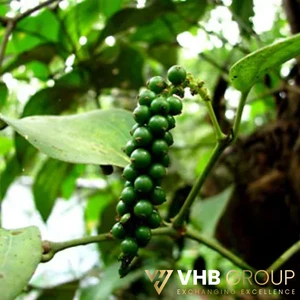
Vietnam is the undisputed global leader in black pepper cultivation and export, accounting for over 40% of the world’s total supply. The country’s unique geographical features, microclimates, and mineral-rich soils provide the ultimate habitat for high-yield, premium-grade pepper cultivation. If you are developing a sourcing strategy, referring to our comprehensive premium black pepper bulk sourcing guide will give you a detailed understanding of crop cycles and farm-gate acquisition methods.
Dak Lak and Dak Nong: High-Yield Terroirs
Located in the Central Highlands (Tay Nguyen), the provinces of Dak Lak and Dak Nong are the heavyweights of Vietnamese pepper production. The basaltic red soil, formed by ancient volcanic activity, is highly porous and rich in essential minerals like potassium and magnesium. These conditions allow black pepper vines to develop deep, healthy root systems, producing larger, denser peppercorns with a robust, spicy aroma and highly concentrated piperine levels.
Binh Phuoc and Gia Lai: Traditional Quality Masters
Further south, Binh Phuoc and Gia Lai provinces combine traditional, multi-generational farming expertise with modern agricultural innovations. Farmers here utilize shade-grown practices and integrated pest management (IPM) systems. By utilizing live support trees instead of concrete pillars, these farms maintain biodiversity, regulate microclimate temperatures, and reduce the risk of root-knot nematodes, resulting in ultra-premium quality black pepper that consistently meets stringent European Union chemical residue thresholds.
Advanced Processing Methods in the Premium Black Pepper Distribute Channel
The transition from a raw, freshly harvested agricultural product to an export-ready commodity requires sophisticated processing. A reputable Premium Black Pepper Distribute Channel integrates state-of-the-art cleaning, sorting, and sterilization technologies to protect the spice’s structural and chemical integrity.
Sun-Drying vs. Mechanical Drying
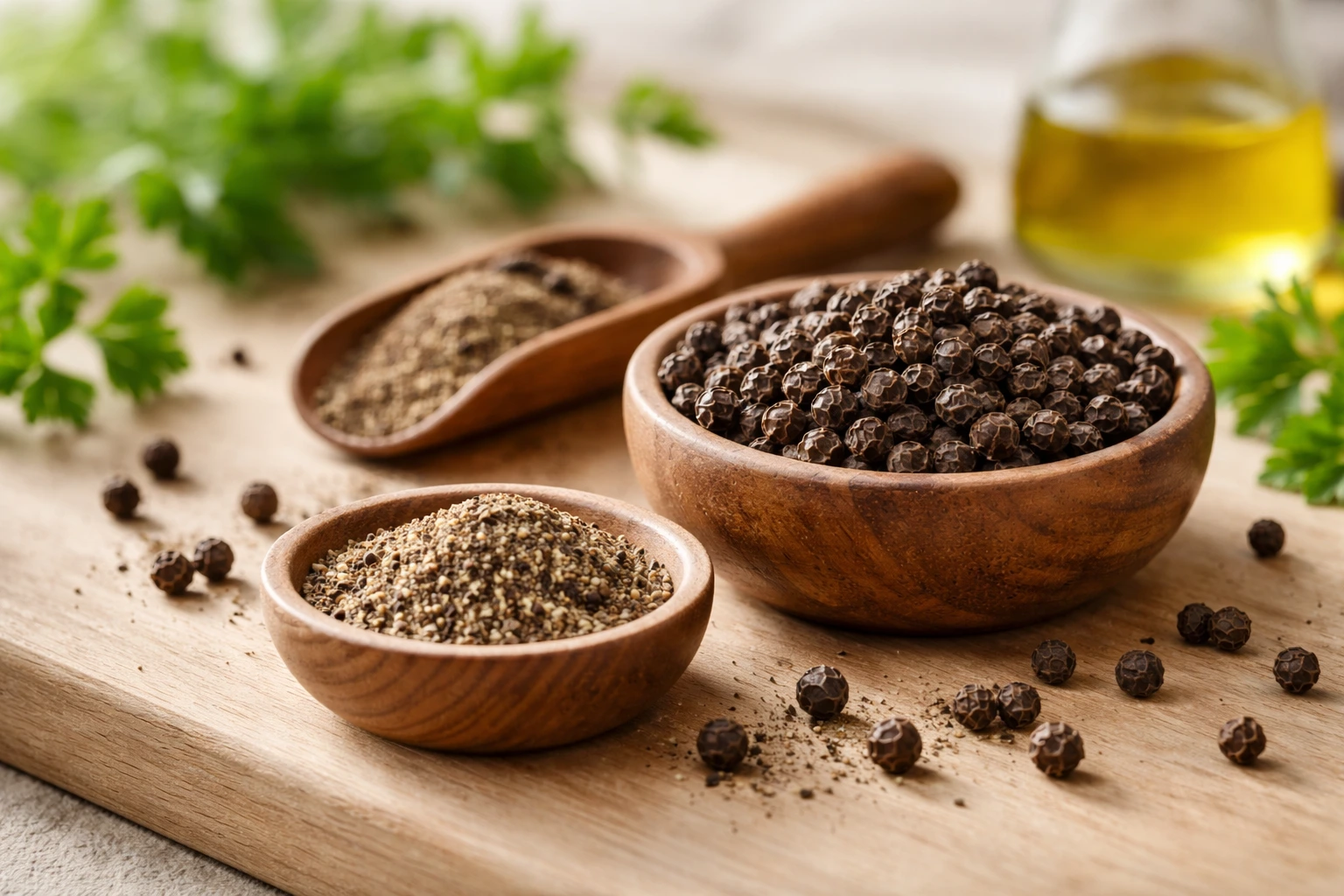
After harvesting, the green peppercorns must be dried to transition into the familiar black, wrinkled state. While traditional sun-drying on concrete patios is still widely practiced, it exposes the crop to environmental contaminants, unpredictable weather, and uneven drying. To counter this, modern processing facilities employ controlled mechanical drying systems. These systems dry the peppercorns rapidly at constant, optimized temperatures, ensuring moisture levels drop below 12.5% while fully preserving the volatile oils that give the pepper its characteristic biting heat.
Steam Sterilization and ASTA Cleaning Processes
For sensitive international markets such as Japan, Germany, and the United States, raw black pepper must undergo rigorous microbial treatment. Steam sterilization has emerged as the industry gold standard. Unlike ethylene oxide (EtO) gas or irradiation, steam sterilization is an entirely natural, chemical-free process. It exposes the black pepper to pressurized dry steam for a precise, brief duration, reducing total plate count (TPC), mold, yeast, and pathogens like Salmonella to undetectable levels, all without compromising the natural flavor profile or piperine content.
International Quality Standards and Certifications
Exporting agricultural commodities to premium global markets requires uncompromising compliance with international quality standards. A sophisticated Premium Black Pepper Distribute Channel must adhere to structured quality management systems to guarantee food safety and process consistency throughout the supply chain.
Achieving GlobalGAP, ISO, and Halal Compliance
A resilient distribution network must implement rigorous certification frameworks to reassure corporate clients. Primary agricultural practices are governed by GlobalGAP, which ensures safe, sustainable, and socially responsible farming. Once the raw material enters the processing plant, ISO 22000 and HACCP systems take over to manage and mitigate food safety hazards. Additionally, obtaining Halal and Kosher certifications is vital for expanding market reach into the Middle East, Southeast Asia, and specific consumer segments in Western countries. Regular third-party laboratory testing for heavy metals, mycotoxins, and over 400 agrochemical residues is standard operational procedure for premium shipments.
Technical Grading and Specifications Table
Different industrial applications require specific grades of black pepper. For instance, coarse grinding for spice shakers requires high bulk density, whereas general extraction processes prioritize piperine extraction yield. The table below outlines the standard export specifications for premium Vietnamese black pepper:
| Parameter / Grade | FAQ 500 G/L | FAQ 550 G/L | ASTA Cleaned 570 G/L | Premium Bold 580 G/L |
|---|---|---|---|---|
| Bulk Density (Density) | Min 500 g/l | Min 550 g/l | Min 570 g/l | Min 580 g/l |
| Moisture Content | Max 13.5% | Max 12.5% | Max 12.0% | Max 11.5% |
| Foreign Matter | Max 1.0% | Max 0.5% | Max 0.2% | Max 0.1% |
| Piperine Content | Min 4.0% | Min 4.5% | Min 5.0% | Min 5.5% |
| Volatile Oil | Min 1.5% | Min 1.8% | Min 2.0% | Min 2.2% |
| Moldy/Light Berries | Max 2.0% | Max 1.5% | Max 0.5% | Max 0.2% |
Export Packaging and Supply Chain Integrity
Even the highest quality black pepper can degrade during long-distance maritime shipping if not packaged and handled correctly. Factors like temperature fluctuations, relative humidity, and marine transit times can lead to moisture reabsorption and mold development inside the shipping container.
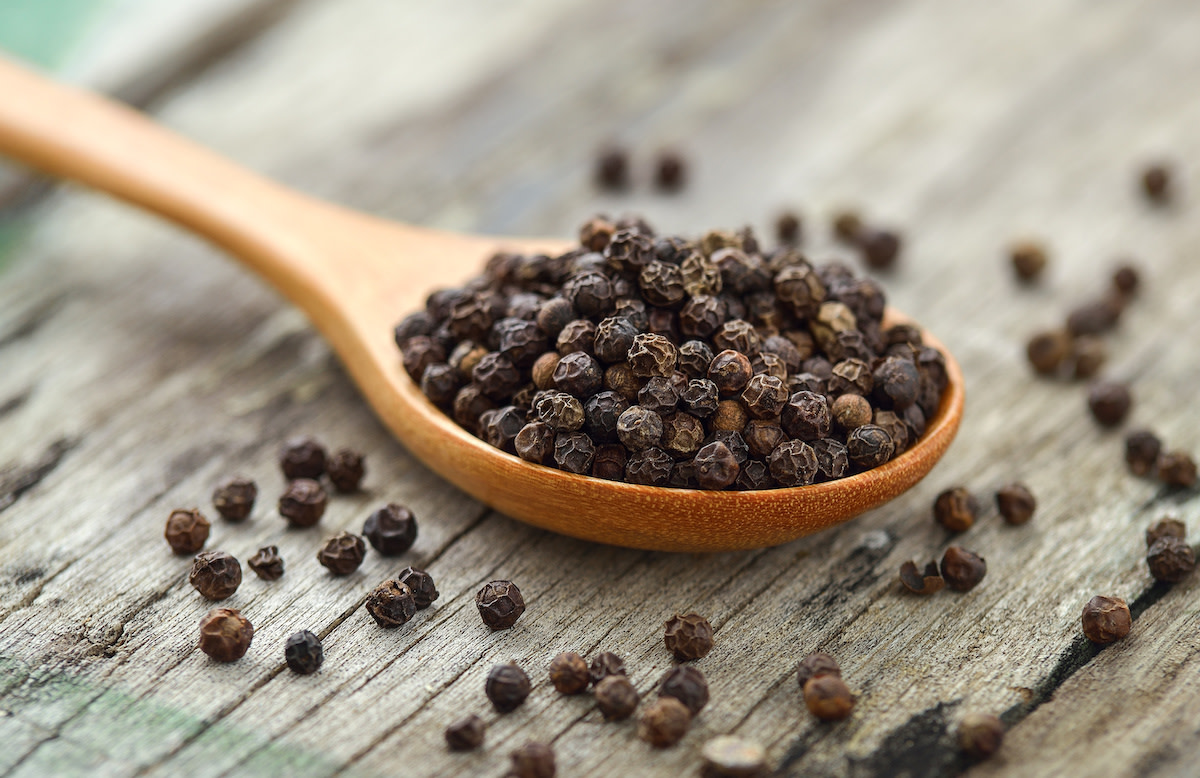
To mitigate these risks, premium black pepper is packed in specialized, food-grade packaging materials. The most common options include double-layered woven polypropylene (PP) bags with internal polyethylene (PE) liners, multi-wall kraft paper bags, or heavy-duty bulk jumbo bags (ranging from 500kg to 1,000kg) equipped with moisture-barrier liners. During container loading, silica gel desiccants are hung along the container walls, and kraft paper liners are laid flat across the top of the cargo to absorb any condensation that occurs when passing through different climate zones.
Selecting Your Premium Black Pepper Distribute Channel Partner
Choosing the right Premium Black Pepper Distribute Channel partner is a critical strategic decision that impacts your company’s operational efficiency, financial bottom line, and brand reputation. When vetting potential suppliers, look for partners who demonstrate complete control over their upstream supply chain, maintain state-of-the-art processing infrastructure, and practice transparent communication.
At VIHABA, we have established direct, long-term relationships with agricultural cooperatives in Vietnam’s premium pepper cultivation regions. By managing everything from farm-level sourcing to advanced mechanical processing, sorting, quality control, and export logistics, we remove supply chain volatility. Our clients receive competitive pricing, reliable delivery times, and guaranteed compliance with customized product specifications, making VIHABA the go-to partner for premium agricultural sourcing.
Conclusion: Secure Your Premium Black Pepper Distribute Channel with VIHABA
In the highly competitive agricultural commodities sector, securing a resilient, high-quality supply chain is key to long-term success. From the rich soils of Vietnam’s Central Highlands to the highly controlled, advanced processing plants that meet global standards, every link in the supply chain must operate with absolute precision. By integrating robust logistics, technical grading systems, and ethical, direct-sourcing models, you can establish a highly successful Premium Black Pepper Distribute Channel. Partner with VIHABA today to elevate your sourcing strategy, secure competitive pricing, and experience unparalleled supply chain transparency. Contact our dedicated B2B export team to receive a tailored quotation and sample batch for your upcoming sourcing cycle.