

For global importers and beverage distributors, mastering essential Wholesale Black Tea Facts is the cornerstone of establishing a resilient and profitable supply chain. Black tea remains the undisputed leader of the global tea industry, commanding over seventy percent of international consumption. From traditional hot brews in Europe to the booming ready-to-drink (RTD) iced tea and kombucha markets in North America, bulk black tea is a versatile agricultural commodity with consistent year-round demand.
However, navigating the complexities of wholesale sourcing requires more than just an understanding of price points. Importers must master technical details regarding agricultural terroirs, processing variations, grading classifications, and international food safety standards. Sourcing directly from powerhouse origins like Vietnam allows distributors to leverage competitive pricing, but only if they are equipped with the right product knowledge. In this comprehensive guide, we dissect the critical aspects of bulk purchasing to help your business make informed, data-driven procurement decisions.
- Unlocking the Value of Global Tea Sourcing: Essential Wholesale Black Tea Facts
- Global Market Dynamics and Wholesale Black Tea Facts
- Cultivation and Processing: Technical Wholesale Black Tea Facts
- Sourcing Smart: Crucial Wholesale Black Tea Facts for Importers
- FAQs Regarding Wholesale Black Tea Facts
- Conclusion: Leveraging Wholesale Black Tea Facts for B2B Success

Unlocking the Value of Global Tea Sourcing: Essential Wholesale Black Tea Facts
Sourcing high-quality black tea in bulk is both an art and a science. The global beverage market relies heavily on consistent sensory profiles, meaning that a batch of tea purchased in January must match the flavor, color, and mouthfeel of a batch purchased in September. Achieving this level of standardization is one of the primary hurdles for B2B buyers. This is why understanding key tea characteristics—such as leaf particle size, density, moisture retention, and biochemical composition—is vital for any procurement professional.
The botanical classification of tea also plays a massive role. Virtually all commercial black tea originates from two main varieties of the Camellia sinensis plant: Camellia sinensis var. sinensis (primarily used for delicate, sweet, and aromatic teas) and Camellia sinensis var. assamica (which yields bold, rich, high-tannin liquors). Recognizing these foundational differences helps wholesale buyers predict how a specific tea leaf will interact with other ingredients in ready-to-drink blends, botanical infusions, or flavored loose-leaf products.
Global Market Dynamics and Wholesale Black Tea Facts
The global black tea market is undergoing structural shifts that B2B importers must monitor to remain competitive. One of the most relevant Wholesale Black Tea Facts is that the global trade value of black tea is projected to expand significantly, driven by premiumization, the clean-label beverage trend, and an increase in organic consumption. Consumer preferences are pivoting toward functional health benefits, and black tea—with its high concentration of theaflavins, L-theanine, and trace minerals—fits this demand perfectly.
Historically, key sourcing destinations such as India, Kenya, and Sri Lanka have dominated the landscape. However, rising production costs, unpredictable weather patterns, and logistical bottlenecks have prompted global buyers to seek alternative origins. Vietnam has stepped up to fill this gap, offering robust supply chain infrastructure, diverse microclimates, and highly competitive trade agreements. By partnering with leading Vietnamese exporters, international businesses can optimize their supply lines and secure flexible contract terms that mitigate market volatility.
Cultivation and Processing: Technical Wholesale Black Tea Facts
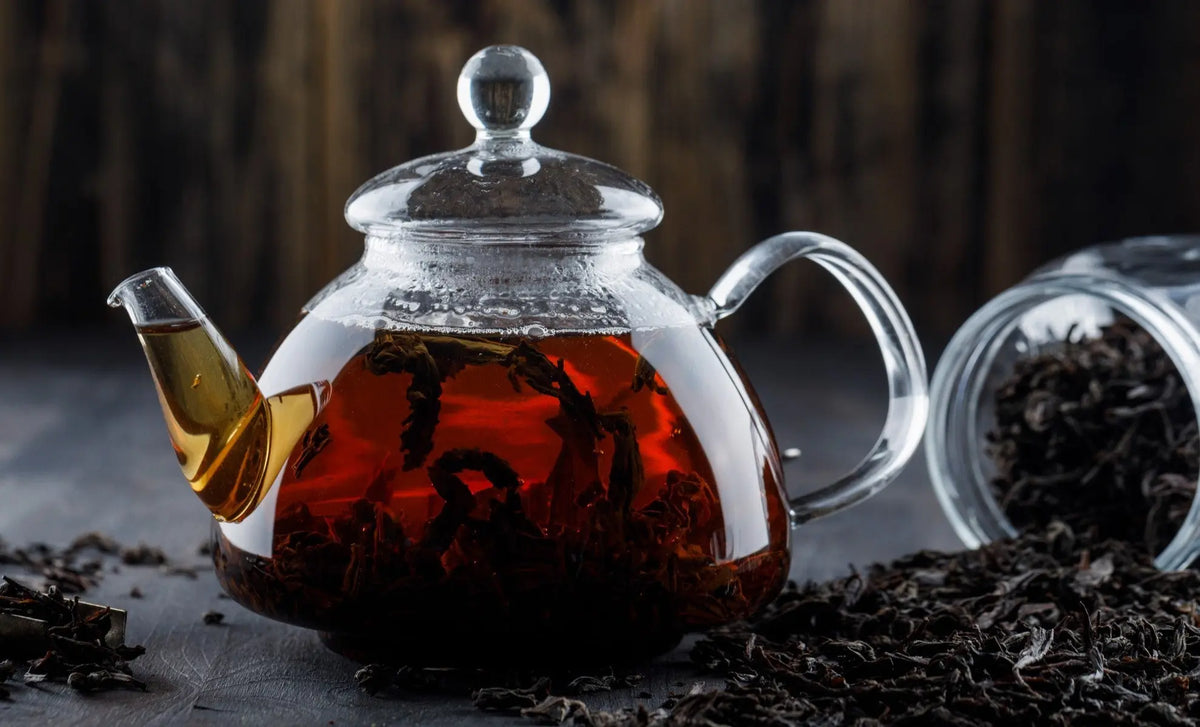
The precise methods used to harvest and process black tea directly dictate its final quality, pricing, and suitability for various commercial applications. Unlike green tea, which undergoes rapid de-enzyming to prevent oxidation, black tea is fully oxidized. This enzymatic oxidation is what transforms the fresh green leaf into a dark, complex product rich in deep aromas and robust tannins. The physical form of the final leaf depends entirely on whether it underwent Orthodox or CTC (Crush, Tear, Curl) processing.
Orthodox processing is a traditional method designed to keep the leaf as whole as possible. The leaves are withered, rolled gently to release essential oils, oxidized under controlled humidity, and fired in large dryers. This preserves the delicate nuances and aesthetic appeal of the leaf, yielding premium grades like Orange Pekoe (OP). CTC processing, on the other hand, utilizes automated cylindrical rollers to crush, tear, and curl the leaf into small, uniform granules.
CTC tea brews exceptionally fast and produces an intensely colored, robust liquor ideal for commercial tea bags and industrial extraction. For an in-depth analysis of supply configurations, you can explore our wholesale black tea supply B2B guide, which acts as an essential resource for structuring long-term sourcing contracts.
Terroir and Cultivation Regions in Vietnam
Vietnam’s unique topography is perfectly suited for high-yield, premium tea cultivation. The northern highlands, including the Phu Tho, Yen Bai, and Son La provinces, feature mineral-rich soils and distinct seasonal shifts that encourage slow leaf development, creating a naturally sweet and woody cup profile.
In contrast, the southern Lam Dong province, characterized by its high altitude and persistent mist, produces highly aromatic black teas with delicate floral notes. This geographical diversity allows exporters like VIHABA to offer a broad spectrum of profiles tailored to specific market requirements worldwide.
Product Specification Matrix
Establishing clear specifications is critical to preventing misunderstandings between B2B buyers and suppliers. Below is a comprehensive specification table mapping the most prominent wholesale black tea grades produced in Vietnam:
| Processing Style | Grade Name | Abbreviation | Physical Profile | Primary Application |
|---|---|---|---|---|
| Orthodox | Orange Pekoe | OP | Long, wiry, tightly twisted whole leaves. Medium to light liquor. | High-end loose-leaf retail, specialty gift sets. |
| Orthodox | Broken Orange Pekoe | BOP | Well-broken leaf fragments. Stronger body and deeper color than OP. | Custom loose-leaf blends, breakfast blends, flavored teas. |
| Orthodox | Pekoe Fannings | PF | Small, clean leaf particles. Quick extraction, high astringency. | Standard retail tea bags, food service brewing. |
| CTC | Pekoe Fannings 1 | CTC PF1 | Fine, even, round black granules. Intense color, strong, malty flavor. | High-volume commercial tea bags, instant milk tea. |
| CTC | Pekoe Dust 1 | CTC PD1 | Very small, powdery particles. Rapid, dense extraction with dark color. | RTD bottled beverages, iced tea concentrates, botanical extracts. |
Sourcing Smart: Crucial Wholesale Black Tea Facts for Importers
Navigating the global trade regulatory environment is just as vital as evaluating the quality of the tea itself. For international buyers, the most consequential Wholesale Black Tea Facts revolve around compliance with food safety parameters. Sourcing territories must adhere strictly to the Maximum Residue Limits (MRLs) for pesticides set by target markets like the EU, USA, and Japan. This requires exporters to implement thorough agricultural management practices, monitoring soil quality and pesticide application closely.
Logistical management is another pivotal factor. Because tea is highly hygroscopic, it is highly susceptible to absorbing surrounding moisture and odors during ocean transit. Importers must ensure that their supplier uses robust packaging, such as multi-ply paper sacks with integrated polyethylene liners or vacuum-packed aluminum foil bags, to maintain the product’s dry state (typically under 6.5% moisture). Before concluding any purchasing agreement, review our detailed guide on wholesale black tea facts to ensure your procurement contracts are robustly structured to safeguard against transport-related quality loss.
Certifications that Drive B2B Value
To access high-value consumer markets, wholesale buyers should prioritize suppliers holding international quality and sustainability certifications. Standard benchmarks like ISO 22000, HACCP, Halal, and GlobalGAP demonstrate a supplier’s unwavering commitment to food safety and ethical practices. Sourcing certified black tea not only protects your brand reputation but also appeals to modern, ethically minded consumers who demand transparent, traceable supply chains from leaf to cup.
Conclusion: Leveraging Wholesale Black Tea Facts for B2B Success
Building a resilient, high-margin beverage brand requires more than just picking a supplier; it requires a deep, actionable understanding of crucial Wholesale Black Tea Facts. From choosing the correct leaf grade to ensuring meticulous moisture control and food safety certifications, every step in the supply chain directly impacts your bottom line and customer satisfaction levels.
As a leading exporter of premium agricultural commodities, VIHABA is committed to delivering consistent quality, complete traceability, and tailored logistics solutions to B2B buyers around the globe. Our extensive network of certified tea plantations across Vietnam, combined with state-of-the-art processing and rigorous quality management, makes us the ultimate partner for your wholesale tea sourcing needs. Contact VIHABA today to consult with our tea experts, request custom-grade samples, and discover how we can optimize your global beverage supply chain.