

When sourcing premium agricultural ingredients, understanding the critical Organic Desiccated Coconut Facts is essential for ensuring product quality, compliance, and supply chain integrity. For global B2B buyers, food processors, and confectioners, the demand for natural, wholesome, and sustainable ingredients has redefined sourcing protocols. Organic desiccated coconut, a versatile ingredient processed from the pure white meat of mature coconuts, has become a core component of clean-label supply chains. In this comprehensive guide, VIHABA provides professional importers with a detailed exploration of global market trends, technical specifications, strict processing methods, and the environmental factors that define premium organic coconut exports.
To successfully navigate the complexities of international trade, quality assurance managers and procurement leads must look beyond basic commercial offers. Having a deep, technical understanding of raw material cultivation, processing controls, and food safety standards is what differentiates high-performing product lines from those plagued by quality failures, cargo delays, or contamination issues. This blueprint serves as your ultimate technical reference for sourcing organic desiccated coconut from Vietnam’s premier agricultural hubs.
Table of Contents
- Global Market Dynamics and Organic Desiccated Coconut Facts
- Major Cultivation Regions in Vietnam: The Cradle of Premium Coconut
- Processing Methods and Organic Desiccated Coconut Facts
- International Quality Standards and Certifications
- Export Logistics, Packaging, and Supply Chain Management
- Why Choose VIHABA as Your Strategic Agriculture Partner
- Frequently Asked Questions About Organic Desiccated Coconut Facts
Global Market Dynamics and Organic Desiccated Coconut Facts
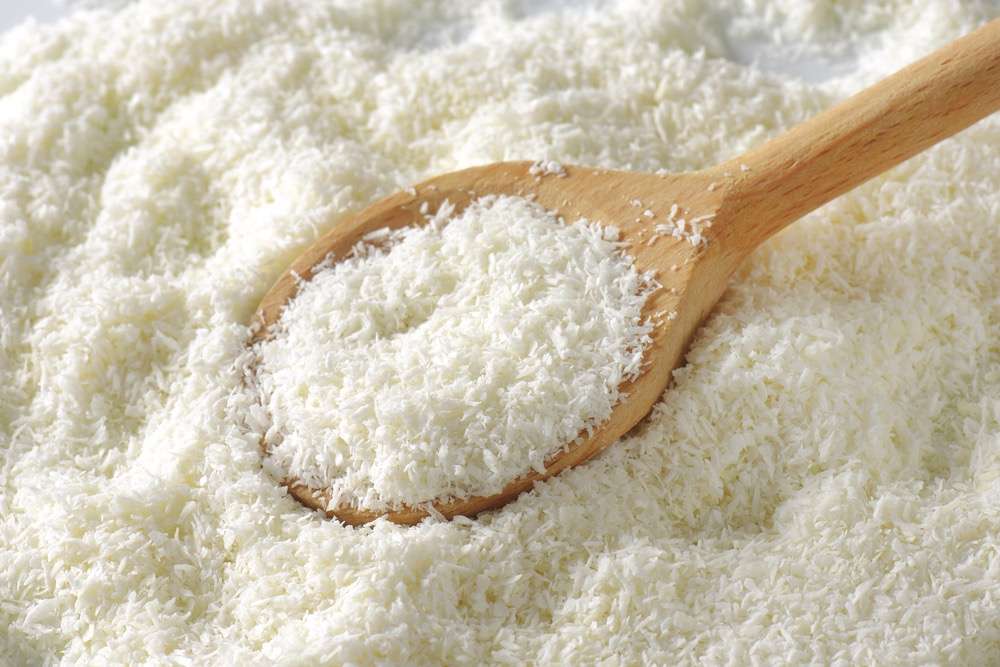
The global demand for clean-label, plant-based food ingredients has experienced exponential growth over the past decade. Among these, organic desiccated coconut has emerged as a versatile staple in the confectionery, bakery, and health food sectors. As international brands shift away from synthetic additives and conventional farming, understanding the foundational Organic Desiccated Coconut Facts becomes imperative for B2B procurement managers, food scientists, and distributors worldwide.
The Rising Global Demand for Clean Label Ingredients
Consumers globally are increasingly prioritizing transparency, health, and ethical agricultural practices. Clean-label formulations—defined by simple, minimally processed ingredients free from chemical additives, artificial preservatives, and genetically modified organisms (GMOs)—have transitioned from a premium trend to a mainstream baseline requirement. In this context, organic desiccated coconut is an exceptional ingredient.
It is inherently gluten-free, dense in dietary fiber, packed with healthy medium-chain fatty acids, and produced without the addition of sulfur dioxide (SO2), which is typically used as a preservative and whitening agent in conventional production. This growing shift toward health-conscious diets is driving a steady, high CAGR in the organic coconut market, prompting international brands to secure stable, certified organic supplies.
Market Segmentation and Key Importing Nations
The global trade of organic desiccated coconut is segmented primarily by physical grade (such as fine, medium, flakes, shreds, and chips) and chemical composition, most notably fat content (high-fat vs. reduced-fat). North America, Europe, and developed Asia-Pacific nations are the primary importing hubs, driven by the expansion of the gluten-free, vegan, and organic food manufacturing sectors. In these highly regulated markets, food manufacturers require large, consistent volumes of organic-certified ingredients to supply mass retail chains. Partnering with professional suppliers in premier origins like Vietnam ensures that buyers can mitigate market volatility, stabilize import prices, and guarantee consistent grade-specific performance in their formulations.
Major Cultivation Regions in Vietnam: The Cradle of Premium Coconut
Vietnam has established itself as an influential player in the global coconut sector, leveraging its optimal coastal climate and deep agricultural heritage. For global sourcing teams, understanding the geographical and ecological factors behind coconut cultivation is vital for determining the quality, flavor profile, and sustainability of the end product.

Ben Tre Province: The Coconut Capital
Located in the heart of the Mekong Delta, Ben Tre Province is widely celebrated as the “Coconut Capital” of Vietnam. Spanning over 70,000 hectares of lush plantations, this region is blessed with a unique network of rivers, canals, and rich alluvial soil deposits. This specific geography, combined with moderate salinity levels in the water and a humid tropical monsoon climate, creates a perfect microclimate for coconut palms. Coconuts cultivated in Ben Tre are known for having thicker, oil-rich kernels and a sweeter, more aromatic water profile compared to other origins. These natural attributes directly translate into a richer, more flavorful desiccated coconut, giving Vietnamese exports an outstanding sensory advantage in the global market.
Sustainable and Organic Farming Practices
At VIHABA, we believe that premium quality starts at the roots. To achieve and maintain strict organic certifications under international programs like USDA Organic and EU Organic, local farming communities in Ben Tre must strictly adhere to rigorous agro-ecological standards. Farmers are prohibited from using chemical pesticides, synthetic herbicides, and chemical fertilizers. Instead, they rely on natural soil enhancement techniques, composted biomass, and biological pest control methods. Furthermore, the farms undergo a strict multi-year transition period under the oversight of third-party certification bodies. This meticulous process ensures that the soil and the coconut palms are completely free of synthetic chemical residues, creating a clean, pristine foundation for industrial processing.
Processing Methods and Organic Desiccated Coconut Facts
Transforming freshly harvested, mature organic coconuts into a stable, dry, food-grade desiccated ingredient is a highly specialized process. Examining the technical Organic Desiccated Coconut Facts reveals how strict manufacturing protocols are implemented to preserve nutritional value and organoleptic properties while ensuring food safety.
Step-by-Step Manufacturing Process
The manufacturing process is executed within state-of-the-art facilities designed to prevent contamination and maintain strict control over processing variables. The journey from harvest to packaged product involves several precise steps:
- De-husking and De-shelling: Freshly harvested coconuts are sorted for maturity. The tough outer fibrous husk and hard inner shell are carefully cracked and removed to extract the intact coconut ball.
- Paring: The thin, brown protective seed coat (testa) is peeled off the kernel using specialized tools, leaving only the pure, snow-white meat.
- Washing and Sanitizing: The white coconut meat is washed in clean, potable water to remove any residual coconut water or physical particles.
- Steam Blanching: The clean kernels are passed through a continuous steam pasteurizer (thermal blanching) to eliminate any potential pathogens, such as Salmonella and E. coli, ensuring the highest standards of food hygiene.
- Grating and Shredding: Stainless-steel cutters shred the meat into uniform particle sizes, yielding either “Fine” (small, granular particles) or “Medium” (longer, thread-like strands) cuts.
- Fluidized Bed Drying: The shredded coconut is transferred to highly efficient fluidized bed dryers. Here, warm, filtered air is blown through the product to gently evaporate moisture from approximately 50% down to less than 3.0%. This gentle drying prevents the scorching of natural sugars and keeps the color perfectly white.
- Sifting and Grading: The dried product is cooled and run through vibrating multi-deck sifters to separate it into uniform physical grades.
- Metal Detection and Packaging: The sifted desiccated coconut is passed through high-performance magnets and dual-stage metal detectors before being packed into food-grade bags under sterile, cleanroom environments.
Maintaining Organic Integrity During Processing
One of the most critical aspects of organic processing is preventing cross-contamination with conventional agricultural products. Processing facilities operating under certified organic guidelines utilize dedicated production lines or enforce rigorous, validated wet-cleaning protocols before organic processing runs begin. All sanitation products used during equipment preparation must be explicitly approved for organic facility maintenance. Complete lot-by-lot segregation is documented at every production step, enabling complete traceability from the final pallet of desiccated coconut back to the specific farmer cooperative in Ben Tre.

International Quality Standards and Certifications
For B2B buyers, product consistency and safety are paramount. Meeting strict international quality benchmarks is a non-negotiable requirement for entering premium markets. Premium Vietnamese organic desiccated coconut is produced to align with strict physical, chemical, and microbiological specifications, as detailed in the technical table below:
| Product Specification Parameter | Organic Desiccated Coconut – Fine Grade | Organic Desiccated Coconut – Medium Grade | Test Standard / Reference |
|---|---|---|---|
| Moisture Content | Maximum 3.0% | Maximum 3.0% | Oven Method / Karl Fischer |
| Total Fat Content | Minimum 65.0% (High Fat) | Minimum 65.0% (High Fat) | Soxhlet Extraction Method |
| Free Fatty Acids (FFA) | Maximum 0.15% (as Lauric Acid) | Maximum 0.15% (as Lauric Acid) | Titrimetric Analysis |
| Sulfur Dioxide (SO2) | Not Detected (Zero / Chemical Free) | Not Detected (Zero / Chemical Free) | Monier-Williams / HPLC |
| Physical Appearance | Natural white, free-flowing granules | Natural white, free-flowing shreds | Visual Inspection |
| Aroma & Flavor | Sweet, fresh, typical of coconut | Sweet, fresh, typical of coconut | Organoleptic Panel |
| Salmonella spp. | Absent in 25 grams | Absent in 25 grams | ISO 6579 Standard |
| Escherichia coli | Absent in 25 grams | Absent in 25 grams | ISO 16649 Standard |
| Yeasts and Molds | Maximum 100 cfu/g | Maximum 100 cfu/g | ISO 21527 Standard |
Achieving these high standards is validated through extensive testing by independent, accredited laboratories (such as SGS or Eurofins) prior to shipment. Furthermore, a reliable exporter must maintain an active portfolio of globally recognized certifications, including USDA NOP, EU Organic (EC 834/2007), BRCGS Food Safety, ISO 22000, HACCP, Halal, and Kosher. These frameworks provide buyers with assurance that the product complies with both organic agriculture regulations and international food safety laws.
Export Logistics, Packaging, and Supply Chain Management
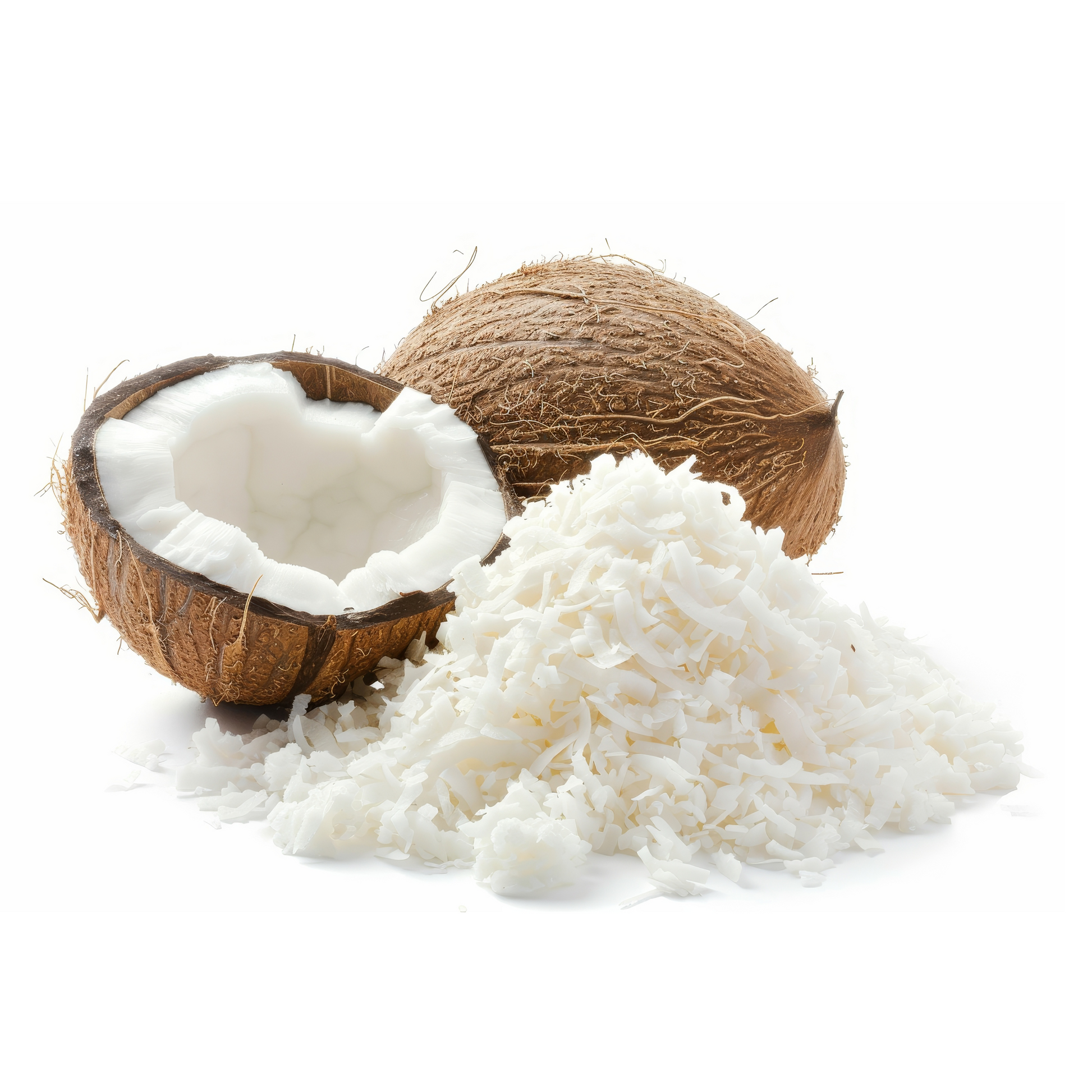
Preserving the exceptional quality of organic desiccated coconut during global ocean transit requires meticulous logistics and packaging. Because organic desiccated coconut contains no chemical preservatives, artificial antioxidants, or anti-caking agents, it is highly sensitive to environmental factors like heat, humidity, and oxygen.
Industrial Packaging Solutions
To shield the product from moisture ingress, insect infestation, and light-induced rancidity, heavy-duty industrial packaging is essential. The industry standard consists of multi-layer Kraft paper bags (typically 3 to 4 plies of high-density paper) lined with a thick, food-grade inner polyethylene (PE) liner. The bags are available in standard commercial sizes, primarily 25 kg or 50 lbs net weight, and are hermetically sealed immediately after sifting. For high-volume manufacturing facilities, large polypropylene bulk bags (super sacks or jumbo bags) ranging from 500 kg to 1,000 kg can be utilized to streamline warehouse handling and reduce packaging waste.
Ensuring Shelf-Life and Preserving Freshness in Transit
Desiccated coconut’s high fat content makes it vulnerable to oxidation, which causes off-flavors and rancidity under high temperature conditions. To prevent this, shipping containers must undergo strict pre-loading inspections. They must be completely dry, clean, free of odors, and structurally sound. To manage relative humidity inside the container during long voyages across different climate zones, exporters use thick container desiccant bags (moisture absorbers) and cardboard lining.
Shipping lines are instructed to stow the containers “under deck” and away from the vessel’s heat sources (such as the engine room). When stored in clean, dry warehouses at temperatures below 25°C and relative humidity below 60%, premium organic desiccated coconut maintains a stable shelf life of 12 to 24 months, retaining its natural taste and nutritional values.
Why Choose VIHABA as Your Strategic Agriculture Partner
In the competitive global marketplace, successful ingredient sourcing depends on selecting an export partner that can guarantee quality consistency, supply security, and transparent business ethics. VIHABA has built a solid reputation as a premier Vietnamese agricultural exporter, bridging the gap between local farming cooperatives and leading food brands worldwide.
At VIHABA, we prioritize deep supply chain integration. We work closely with organic-certified coconut farmers in Ben Tre, providing them with technical support and ensuring fair-trade practices that support local communities. When evaluating your procurement options, accessing verified Organic Desiccated Coconut Facts allows you to make data-driven decisions that safeguard your brand’s reputation and ensure product consistency. We offer comprehensive customer support, handling everything from customized packaging designs to strict quality pre-shipment inspections and complex customs documentation. Partnering with VIHABA means securing a resilient, sustainable, and reliable supply chain that empowers your business to thrive in the growing clean-label food market.
Securing a dependable supply of organic ingredients requires a deep dive into the technical details of the product, farming regions, and quality standards. Armed with the essential Organic Desiccated Coconut Facts, B2B buyers can confidently select high-performing ingredients that satisfy both regulatory requirements and consumer expectations. Vietnam’s rich agricultural landscape, particularly the fertile province of Ben Tre, offers an unparalleled source of high-fat, high-quality organic coconut. As your dedicated export partner, VIHABA is committed to delivering premium organic desiccated coconut that meets your exact specifications and elevates your finished products. Contact our export sales team today to request samples, detailed spec sheets, or a customized wholesale quote, and experience the difference of a truly integrated agricultural supply chain.