
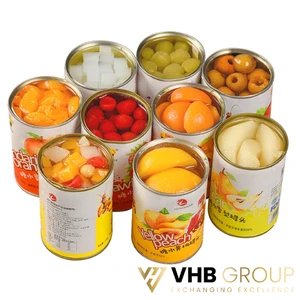
Engaging in Bulk Canned Fruit Sourcing requires an in-depth understanding of international agricultural supply chains, strict quality certifications, and strategic logistics. For food manufacturers, retail distributors, and hospitality giants, securing a steady flow of high-quality preserved fruits is not merely a purchasing transaction; it is a critical pillar of operational continuity. By partnering with an established global exporter like VIHABA, businesses can optimize their bulk canned fruit sourcing processes, mitigating supply chain volatility and locking in competitive wholesale rates. This comprehensive guide serves as an authoritative framework for procurement officers and supply chain directors seeking to elevate their international sourcing strategies.
As consumer demand for convenient, clean-label, and shelf-stable food products continues to surge worldwide, the global preserved agriculture sector has evolved significantly. Modern food processors cannot rely on spot-market purchases; they require long-term agricultural intelligence, supply chain transparency, and rigorous quality assurance. This guide breaks down the technical, logistical, and compliance aspects of sourcing high-yield processed fruits in bulk quantities, enabling your organization to make data-driven purchasing decisions.
Table of Contents
- The Strategic Importance of Bulk Canned Fruit Sourcing in Modern Food Supply Chains
- Why Bulk Canned Fruit Sourcing Demands Rigorous Quality Controls
- Product Technical Specifications & Grading Standards
- Preservation Mediums: Syrup vs. Natural Juice and Water
- Navigating Regulatory Compliance in Bulk Canned Fruit Sourcing
- Market Price Drivers in Bulk Canned Fruit Sourcing
- Logistics, Packaging, and Shelf-Life Management
- Frequently Asked Questions
- Conclusion
The Strategic Importance of Bulk Canned Fruit Sourcing in Modern Food Supply Chains
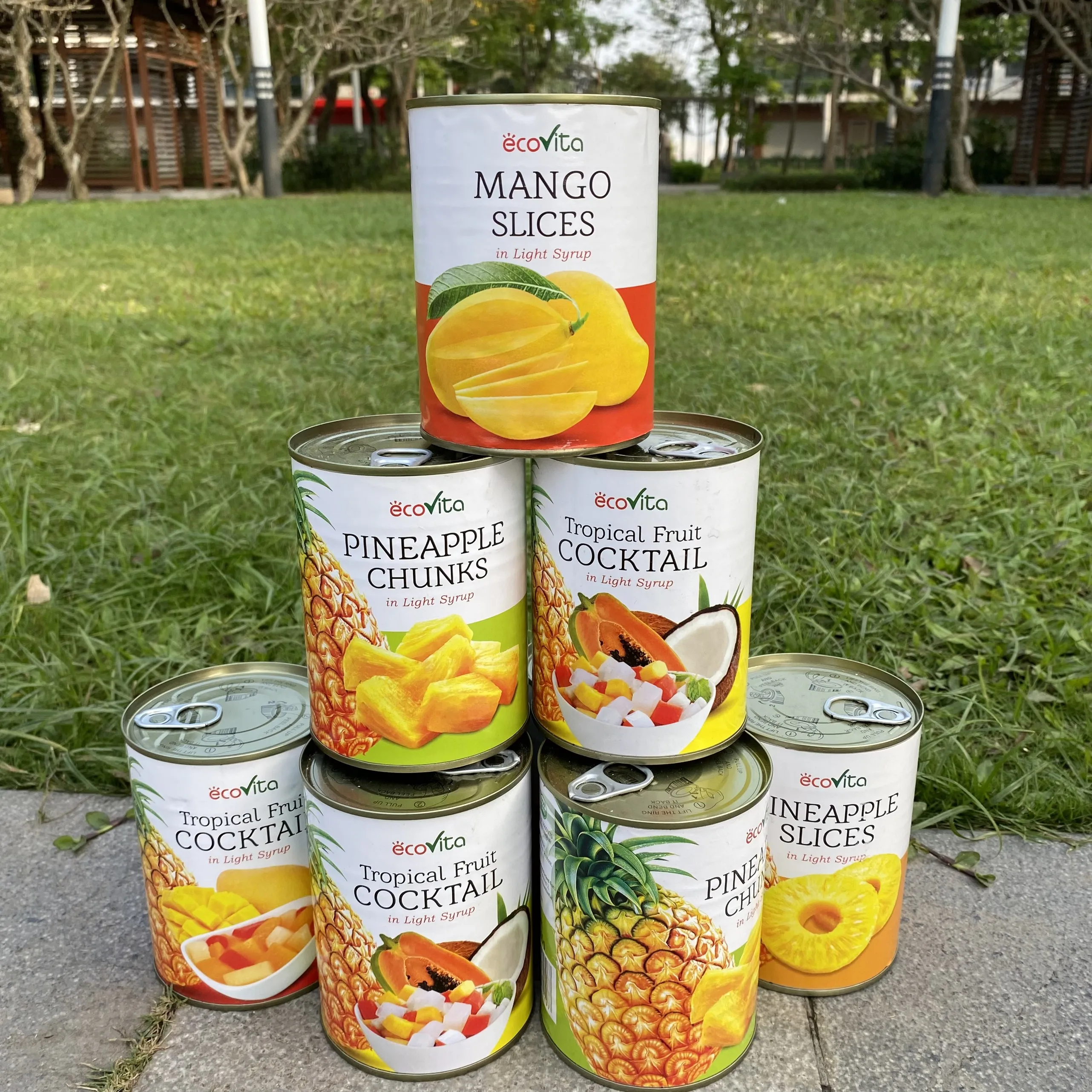
The global trade of preserved agricultural products forms the backbone of the modern food processing, bakery, confectionery, and dairy sectors. Sourcing fruit in its fresh state presents severe challenges: hyper-seasonality, extreme susceptibility to bruising during transit, and a highly restricted post-harvest shelf life. To bypass these operational bottlenecks, industrial buyers leverage canned alternatives, which deliver year-round availability, consistent flavor profiles, and minimized logistical risk.
Tropical agricultural hubs, especially Vietnam and wider Southeast Asia, have established themselves as dominant forces in the canned fruit export sector. Advanced cultivation practices, fertile volcanic soils, and ideal equatorial climates allow countries like Vietnam to produce massive yields of premium-grade pineapples, mangoes, lychees, and papayas. By processing these crops directly at the peak of harvest, local manufacturers lock in the organic structural integrity, nutritional value, and natural sweetness of the raw fruit.
For B2B buyers, the decision to engage in long-term contracts with established regional suppliers like VIHABA brings structural cost advantages. It allows companies to hedge against crop failures, weather anomalies, and oceanic freight fluctuations. Rather than managing fragmented, small-scale farming relationships, buying enterprises can centralize their procurement through a unified exporter capable of managing agricultural quality from farm-gate to container loading.
Why Bulk Canned Fruit Sourcing Demands Rigorous Quality Controls
Preserving natural produce within a hermetically sealed metal container is a complex biochemical process. Any variation in raw material maturity, cleaning protocols, or thermal pasteurization can compromise entire production batches, resulting in microbial spoilage, container bloating, or unacceptable texture degradation. Therefore, a robust quality management system must govern every step of the manufacturing pipeline.
Quality begins in the orchards. Exporters that utilize contract farming structures can implement strict guidelines regarding chemical application, soil health, and harvesting indices. Fruits harvested too early lack the necessary sugar concentration and natural aromatics, while overripe fruits lose their structural rigidity during the mechanical peeling and slicing processes. Experienced quality inspectors measure Brix levels (soluble solids content) and firmness directly in the field before authorizing harvest.

Optimizing Your Logistics Flow for Bulk Canned Fruit Sourcing
Once harvested, raw materials must be transported to the processing plant under temperature-controlled conditions to prevent premature fermentation. The industrial processing flow is highly standardized but requires micro-adjustments for different fruit types:
- Washing & Disinfection: Multi-phase high-pressure water jets and active chlorine washes remove soil, agricultural residues, and surface microflora.
- Peeling, Coring, & Cutting: Precision mechanical peelers remove skin with minimal waste of the nutrient-dense flesh. Slicing, dicing, or coring machinery must be calibrated daily to prevent physical damage to the fruit pieces.
- Can Filling & Exhausting: Fruit chunks are weighed and automatically filled into tinplate cans. The filling of the liquid medium (syrup or juice) is accompanied by an exhausting process, which uses thermal or vacuum systems to draw air out of the headspace, preventing oxidative browning and internal rust.
- Double Seaming: The critical point of any canning line. The double seam must be checked every hour using optical projectors to guarantee a 100% airtight seal.
- Thermal Processing & Cooling: Cans pass through continuous sterilizers where they are heated to precise temperatures based on the product’s pH. High-acid fruits are processed at boiling point, whereas low-acid formulations require high-pressure steam.
Beyond the mechanical steps, post-production incubation testing is mandatory. Every production lot undergoes a 10 to 14-day incubation phase at temperatures between 37 degrees Celsius and 55 degrees Celsius. Quality assurance specialists monitor these control batches for any physical changes, such as container dome-ing or swelling, which would indicate thermophilic microbial activity. Only when a batch passes this incubation trial, alongside intensive physical and chemical sensory testing, is it cleared for global dispatch.
Product Technical Specifications & Grading Standards
For industrial B2B purchasing, having clear, measurable specifications is critical for formulation consistency. Whether you are incorporating canned fruit into consumer yogurts, industrial pastries, or retail-ready private labels, the technical parameters must align with international standards. Below is a detailed specification guide representing the standard export-grade specifications offered by premier agricultural suppliers like VIHABA.
| Fruit Variety | Cut / Style Options | Preservation Medium | Brix Level (%) | pH Range | Shelf Life | Primary Packaging Standards |
|---|---|---|---|---|---|---|
| Canned Pineapple (Cayenne/MD2) | Slices, Tidbits, Chunks, Pizza Cut, Crushed | Light/Heavy Syrup, Natural Pineapple Juice, Water | 14% – 20% | 3.5 – 4.2 | 36 Months | A10 Cans (3kg), 20oz Cans (565g), 30oz Cans (850g) |
| Canned Mango (Kaew/Cat Chu) | Slices, Dices (10x10mm, 15x15mm), Puree | Light Syrup, Passion Fruit Juice, Water | 14% – 18% | 3.8 – 4.3 | 24 Months | A10 Cans (3kg), Aseptically Packed Bags in Drums |
| Canned Lychee (Thieu Lychee) | Whole Peeled & Seedless, Broken | Heavy Syrup, Light Syrup, Sugar-free Water | 14% – 22% | 3.6 – 4.2 | 24 Months | 20oz Cans (565g), 30oz Cans (850g), A10 Cans |
| Canned Papaya (Red/Yellow) | Dices, Chunks, Mixed Tropical Fruit Cocktails | Light Syrup, Natural Passion Fruit/Pineapple Juice Blend | 12% – 16% | 3.8 – 4.4 | 24 Months | A10 Cans (3kg), 30oz Cans (850g) |
These specifications ensure that the canned goods integrate seamlessly into production lines without requiring heavy adjustments to formulation recipes. Commercial clients can request custom Brix and acidity levels during the pre-production phase to match specific application standards, such as low-sugar clean labels or high-sweetness baking mixtures.
Preservation Mediums: Syrup vs. Natural Juice and Water
Understanding the chemistry behind canning mediums is essential for selecting the correct product grade. The medium serves multiple functions: it acts as a heat transfer agent during sterilization, protects the fruit from physical damage, inhibits oxygen degradation, and preserves color and flavor profiles.
Heavy and Light Sugar Syrups
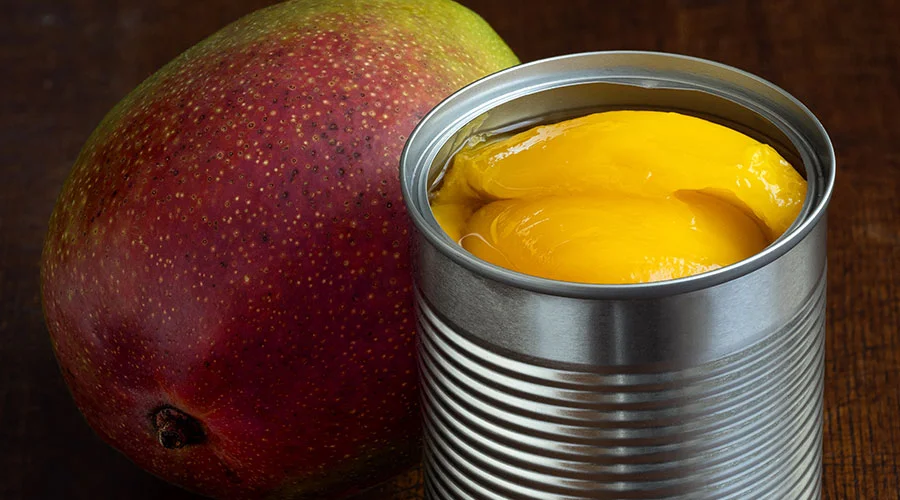
Refined sugar (sucrose) syrups are the traditional industry standard. Heavy syrup, typically featuring a Brix value between 18% and 22%, provides maximum sweetness and helps retain the natural firmness of softer fruits like peaches and ripe mangoes. This is because high osmotic pressure prevents water from escaping the fruit cells, preserving their cell walls. Light syrup (14% to 18% Brix) offers a lighter flavor profile, appealing to consumers who prioritize moderate sweetness while maintaining the structural benefits of sugar preservation.
Natural Fruit Juices and Water Packing
Driven by the global health wellness trend, many B2B buyers now request fruit packed in its own natural juice or a fruit juice blend. This medium offers a clean-label ingredient list, enabling brands to market their products as containing no added sugars. While natural juices may result in slightly softer fruit textures over long storage periods, they maintain high-quality flavor integrity. Water-packed fruit represents the lowest calorie option, favored primarily by institutional cafeterias, industrial puree processors, and health-focused consumer goods brands.
Global food safety regulations have grown exceptionally stringent. Importers face heavy scrutiny from organizations such as the United States Food and Drug Administration (FDA) and the European Food Safety Authority (EFSA). Importing canned agricultural goods requires a solid understanding of biological, chemical, and physical hazards, alongside the verification of strict international compliance protocols.
Key quality and food safety certifications are absolute prerequisites for international B2B transactions. Importers must verify that their production facilities adhere to the following global frameworks:
- HACCP & ISO 22000: These represent the foundational baseline for food safety management, covering critical control points from washing to final thermal sterilization.
- BRCGS & IFS: These Global Food Safety Initiative (GFSI) recognized certifications represent the gold standard for retail distribution, ensuring the highest level of supply chain safety and operational excellence.
- GlobalGAP: Focuses on agricultural sustainability, ensuring that the raw fruits are grown with minimal chemical interventions and high respect for environmental and worker welfare standards.
- Social Audits (SEDEX/SMETA): Increasingly demanded by Western European and North American buyers to ensure ethical labor practices within the agricultural packing plants and partner orchards.
In addition to facility audits, physical documentation must accompany every single shipment. This includes the Phytosanitary Certificate issued by local agricultural ministries, a Certificate of Origin (critical for accessing preferential tariff rates under free trade agreements like the EVFTA or CPTPP), analytical testing reports for heavy metal residues, and certified GMO-free declarations.
Market Price Drivers in Bulk Canned Fruit Sourcing
Sourcing agricultural products at scale requires foresight into market economics. Several volatile factors directly impact the pricing models of bulk canned fruits:
1. Raw Material Seasonal Fluctuations: While canning extends shelf life, the initial cost of raw fruit remains subject to weather patterns, rainfall distribution, and harvest sizes. Droughts or typhoons in major producing regions can rapidly escalate prices. Developing a rolling annual contract with a strategic exporter helps hedge against these volatile pricing curves.
2. Tinplate and Steel Pricing: A significant portion of the total cost of a canned product comes from the packaging itself. Global steel and tinplate price shifts directly impact the cost per unit of metal cans. Advanced sourcing companies monitor global metals markets to lock in orders when packaging costs are low.
3. Energy and Utility Costs: The canning process is highly energy-intensive, requiring large amounts of water and thermal energy for boiler operations, sterilization, and warehouse temperature regulation. Regional energy grid policies and fuel prices play an active role in determining processing factory overheads.
4. Oceanic Freight Volatility: Heavy metal cans are highly dense, which means shipping costs are primarily determined by weight limits rather than container volume. During periods of logistics congestion, freight rates can represent a disproportionate amount of the final Landed Cost. Establishing flexible incoterms (FOB, CIF, CFR) with your export partner allows for optimal freight routing and negotiation leverage.
Logistics, Packaging, and Shelf-Life Management
Optimizing the physical logistics flow of canned goods is essential to prevent cargo damage, corrosion, and shelf-life depletion. Canned products are susceptible to specific environmental conditions during long-distance maritime transit.
Can Integrity & Lacquering: Acidic tropical fruits require advanced internal lacquering. Tin cans are coated with specialized organic barriers, such as organosol or BPA-free epoxy-phenolic resins, to prevent direct contact between the acidic liquid and the steel shell. Failure in lacquer application leads to rapid product deterioration and metal leaching. Experienced exporters inspect every lacquered batch prior to processing.
Container Loading Best Practices: For heavy-dense goods like canned fruit, 20-foot Full Container Loads (FCL) are the industry standard, as they maximize weight capacity before reaching volume limits. A standard 20ft container can typically accommodate around 1,000 to 1,200 cases of A10 cans, or up to 20 tons of total payload. Palletization using high-grade heat-treated wooden or plastic pallets is highly recommended for automated warehouse unloading. However, loose loading is sometimes preferred by volume-driven buyers to maximize container utilization, despite the added manual labor costs at unloading terminals.
Temperature and Moisture Control during Transit: Shipping through tropical equatorial regions causes high humidity and wide temperature variations within standard steel containers. This phenomenon, known as container sweat, can lead to external can rust, label peeling, and carton collapse. To combat this risk, quality exporters line containers with thermal barrier foils and install heavy-duty moisture-absorbent desiccants (drying poles) to manage ambient relative humidity.
Sustainable Agriculture and Supply Chain Transparency
In today’s competitive B2B food sector, environmental responsibility and ethical sourcing are no longer optional. Modern consumers demand to know exactly where their food comes from, the carbon footprint associated with its processing, and whether local farming communities are paid fair wages. Implementing traceability systems allows businesses to track canned products from the retail shelf directly back to the original agricultural cooperative or processing orchard.
By prioritizing carbon-efficient farming practices, water recycling systems inside canning facilities, and bio-gas extraction from organic waste like fruit peels and seeds, modern processors drastically lower the overall carbon intensity of the supply chain. Partnering with exporters who actively invest in sustainable development goals (SDGs) ensures your brand’s regulatory compliance and elevates your corporate social responsibility profile.
Conclusion: Secure Your Agricultural Supply Chain with VIHABA
Executing a successful, highly efficient strategy for Bulk Canned Fruit Sourcing requires aligning with an export partner who combines agricultural depth, strict quality assurance protocols, and reliable global logistical networks. By matching technical specifications to your exact production needs, navigating regulatory hurdles with certified compliance records, and executing meticulous container protection strategies, B2B buyers can successfully mitigate supply chain risks and unlock robust long-term cost efficiencies.
As a leading name in global agricultural commodity export, VIHABA is committed to delivering unmatched product quality, full supply chain transparency, and competitive pricing for bulk preserved food products. Our localized sourcing pipelines, extensive quality control systems, and custom formulation capabilities ensure your production lines run without interruption, regardless of seasonal variations. Contact VIHABA today to receive tailored technical specifications, discuss custom packaging options, and secure your competitive wholesale quote.
Bulk Canned Fruit Sourcing FAQ
Disclaimer: Unless otherwise stated, the images used in this article are the property of their respective owners. We do not claim ownership of any third-party images featured, and they are used here strictly for informational and educational purposes. If you are the copyright holder and wish to have an image removed, please contact us.