
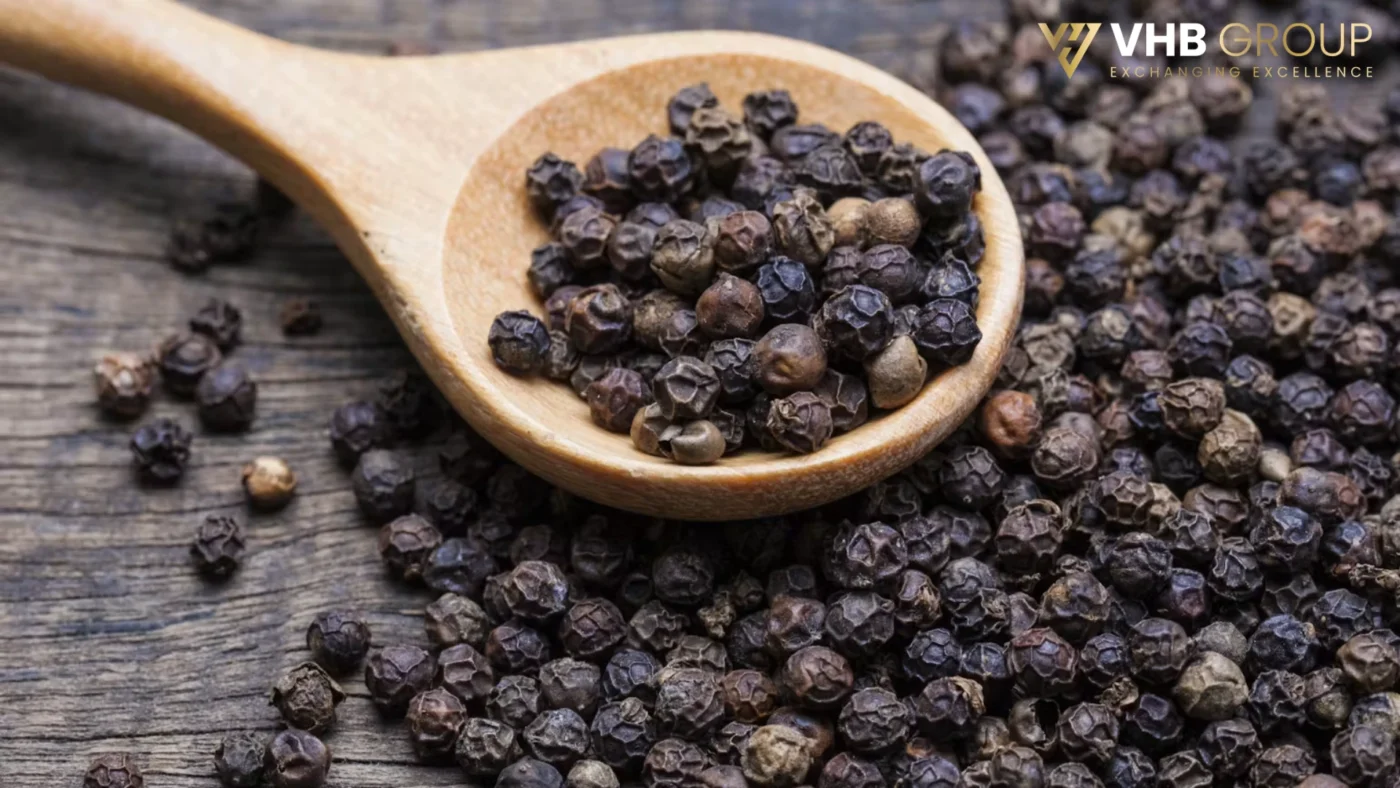
In the highly competitive world of B2B agricultural sourcing, securing high-quality Agricultural Black Pepper Special SKUs is essential for food manufacturers, spice distributors, and retailers seeking consistent grade-A quality. As international markets demand stricter compliance with hygiene, moisture levels, and chemical residues, generic spice grades no longer suffice. Standard commodity grades often fall short of meeting the specialized sensory, aesthetic, and chemical profiles required by advanced food processors. Consequently, global buyers are increasingly turning to customized offerings tailored to precise bulk requirements.
Table of Contents
- The Global Market Landscape for Premium Black Pepper
- Why Vietnam Leads in Producing Agricultural Black Pepper Special SKUs
- Key Cultivation Regions in Vietnam
- Processing Methodologies & Quality Preservation
- Technical Specifications of Agricultural Black Pepper Special SKUs
- International Standards and Certifications
- Navigating Supply Chains for Agricultural Black Pepper Special SKUs
- Frequently Asked Questions (FAQ)
- Conclusion
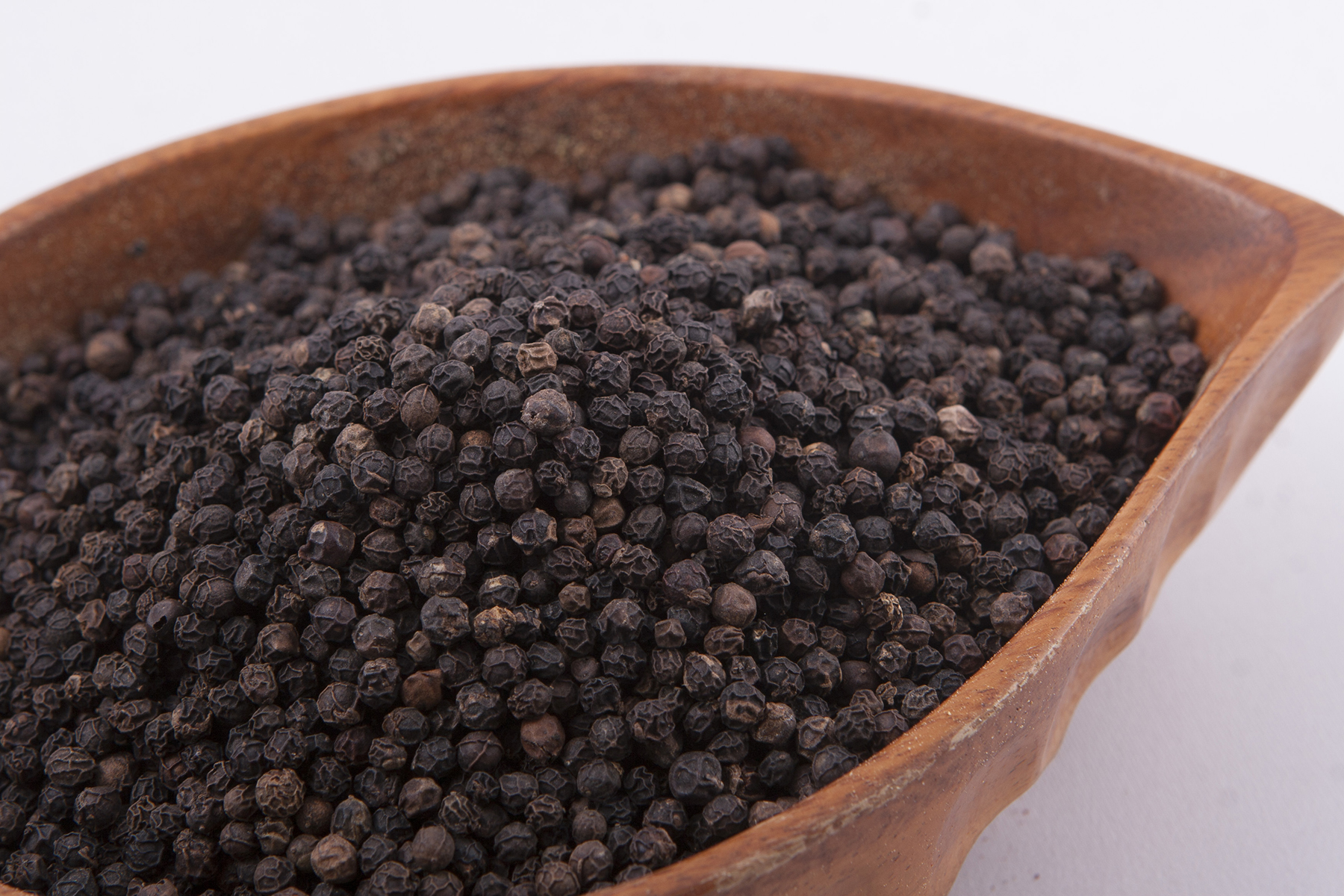
Understanding Agricultural Black Pepper Special SKUs in the Global Market
The global black pepper market has transitioned from a simple volume-driven commodity trade to a highly segmented, value-oriented industry. Today, buyers require more than just standard density metrics; they demand clean-weeded, sterilized, and size-sorted peppercorns that fit perfectly into automated processing lines. This shift has given rise to specialized stock keeping units (SKUs) designed for high-end culinary, pharmaceutical, and retail packaging applications. When food manufacturers optimize their production lines, inconsistent raw materials can lead to equipment failure, flavor variance, and ultimately, brand damage.
By defining specific parameters such as piperine content, volatile oil percentages, and precise berry diameters, buyers can secure predictability in their end products. Securing the right grade of black pepper involves understanding the subtle differences between generic bulk exports and value-added, customized processing. Cultivating these high-standard crops requires a deep integration of traditional agricultural knowledge and modern post-harvest technology.
Why Vietnam Leads in Producing Agricultural Black Pepper Special SKUs
Vietnam has long held its position as the world’s leading exporter of black pepper, accounting for a significant share of global trade. However, the nation’s industry is undergoing a profound transformation. Rather than focusing solely on raw tonnage, Vietnamese exporters like VIHABA are pioneering the development of sophisticated, customized product lines. Through direct partnerships with local cooperatives, we ensure that our Agricultural Black Pepper Special SKUs meet the stringent safety and quality requirements of premium markets like Europe, North America, and Japan.
For procurement managers seeking tailored product grades, exploring our specialized range of Agricultural Black Pepper Special SKUs is the ideal step to customize bulk orders according to exact density and moisture requirements. Through contract farming and advanced processing facilities, we can control the entire value chain from farm to shipping container. This vertical integration allows us to guarantee physical purity, chemical stability, and microbial safety, transforming a simple agricultural commodity into a precise ingredient solution.
Sustainability and Traceability Initiatives
Modern B2B buyers are deeply concerned with environmental, social, and governance (ESG) standards. In Vietnam’s pepper industry, sustainability is no longer optional. Leading agricultural partnerships focus on reducing chemical pesticide usage, implementing drip irrigation to conserve water, and ensuring fair labor practices for smallholder farmers. By providing full traceability down to the specific cooperative or district level, we build trust with global buyers who must satisfy consumers demanding transparent supply chains.
Key Cultivation Regions in Vietnam
The unique terroir of Vietnam plays a critical role in shaping the flavor profile, piperine strength, and physical size of the pepper crop. Different regions offer distinct environmental advantages:
- The Central Highlands (Gia Lai, Dak Lak, Dak Nong): Characterized by fertile basalt soil and optimal elevation, this region is the heartland of Vietnam’s pepper production. Peppercorns grown here are known for their bold, earthy aroma, high density (often exceeding 550g/l to 570g/l), and robust piperine levels.
- The Southeast Region (Binh Phuoc, Dong Nai, Ba Ria-Vung Tau): Benefiting from stable tropical weather and well-drained soils, this area produces pepper with excellent physical uniformity. The peppercorns are highly prized for their deep black color and aesthetic appeal, making them ideal for premium retail packaging.
- Phu Quoc Island: Though smaller in scale, this coastal region produces highly aromatic, premium pepper with a distinct culinary appeal, cultivated using traditional organic methods.
Processing Methodologies & Quality Preservation
Transforming raw agricultural harvest into premium SKUs requires a series of highly controlled processing steps. Without these measures, environmental contaminants and microbiological activity can degrade the spice’s value and safety profile. Below are the key methodologies utilized in preparing high-quality black pepper:
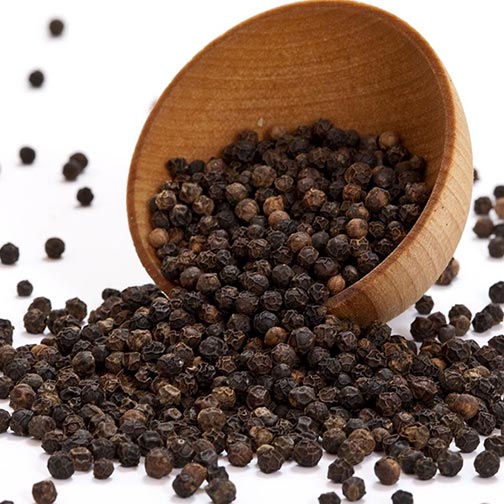
Mechanical Cleaning and Gravity Separation
Upon arrival at the processing facility, raw pepper contains organic matter, dust, stems, and light berries. Using advanced gravity separators, destoners, and multi-stage sifting screens, we eliminate foreign matter and sort the peppercorns by weight and physical size. This ensures that every batch has an exceptionally low tolerance for light berries and extraneous materials.
Spiral Gravity Grading
To achieve the extreme uniformity required by special SKUs, spiral separators are deployed. These machines sort peppercorns based on their roundness, separating perfectly spherical berries from misshapen or broken ones. The result is a highly polished, visually uniform product that meets the standards of premium spice grinders.
Steam Sterilization (HTST)
Microbiological contamination, such as Salmonella and E. coli, is a significant risk in agricultural commodities. To mitigate this risk without damaging the delicate volatile oils and natural color of the pepper, High-Temperature Short-Time (HTST) steam sterilization is utilized. This chemical-free pasteurization process guarantees food safety while preserving the rich, pungent flavor profile of the peppercorns.
Technical Specifications of Agricultural Black Pepper Special SKUs
In B2B trade, objective data and technical compliance are paramount. Standard contract grades must be clearly defined by chemical and physical parameters. The table below details the export-grade technical specifications for our range of premium black pepper products:
| Parameters & Characteristics | Standard FAQ Grade | Special Machine Cleaned (MC) Grade | ASTA Premium Grade |
|---|---|---|---|
| Bulk Density (g/l) | 500 – 550 g/l | 550 – 570 g/l | 570 – 600+ g/l |
| Moisture Content (Max) | 13.5% | 12.5% | 12.0% |
| Foreign Matter (Max) | 1.0% | 0.2% | 0.1% |
| Light Berries (Max) | 2.0% – 3.0% | 1.0% | 0.5% |
| Piperine Content | 4.0% – 5.5% | 5.5% – 6.5% | 6.5% – 7.5% |
| Volatile Oil (Min) | 1.5% | 2.0% | 2.5% |
| Salmonella / E. Coli | Variable (needs treatment) | Negative per 25g (upon request) | Negative per 25g (Guaranteed) |
These specifications demonstrate the physical and chemical superiority of specialized machine-cleaned and ASTA-grade peppercorns compared to basic FAQ (Fair Average Quality) commodities. For specialized retail packing or high-end extraction processes, specifying these strict chemical boundaries is critical to preventing industrial batch failures.
International Standards and Certifications
To access high-value international markets, agricultural products must comply with rigorous international food safety frameworks. We operate with absolute compliance under the following standard certifications:
- ISO 22000 & HACCP: These form the foundation of our hazard analysis and critical control point systems, guaranteeing hygienic practices throughout the manufacturing and sorting processes.
- BRCGS (British Retail Consortium Global Standards): A gold standard in food safety, BRC compliance ensures that our processing facilities operate under the highest level of operational controls.
- Halal & Kosher: Catering to diverse global dietary requirements, our clean-room processing environments hold active Halal and Kosher certifications.
- GlobalGAP: Our sustainable farm-level partnerships are guided by Good Agricultural Practices, ensuring environmental protection, soil conservation, and ethical treatment of agricultural workers.
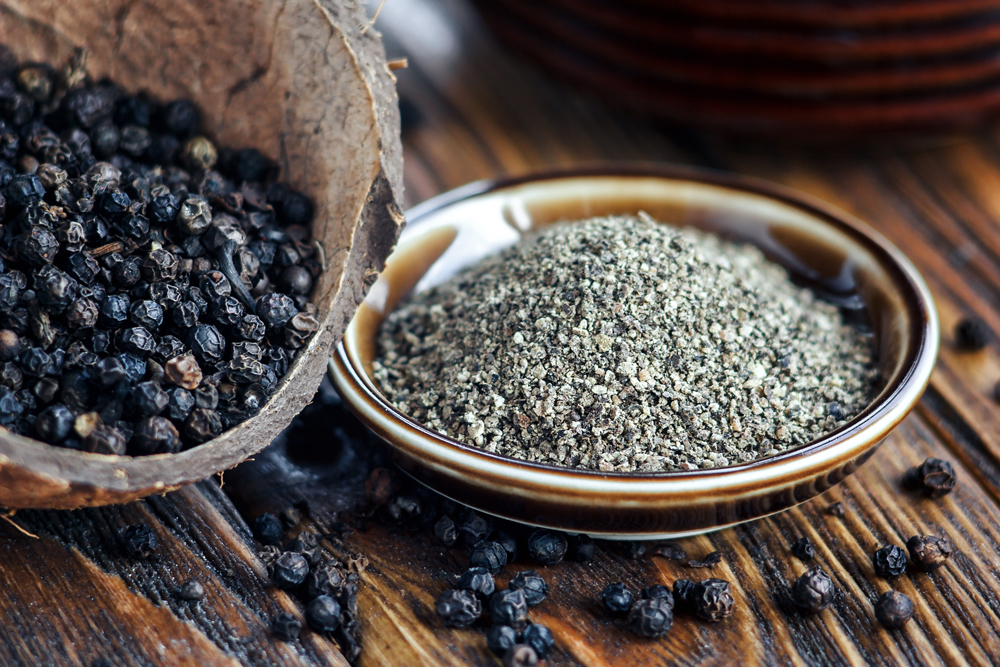
Managing the logistics of shipping delicate spices over long ocean voyages requires deep expertise. Moisture absorption, mold growth, and loss of volatile oils are ever-present risks during international transport. To protect our Agricultural Black Pepper Special SKUs, we employ robust protective packaging and strict container management protocols.
Standard export packaging includes multi-wall paper bags, heavy-duty woven polypropylene (PP) bags (typically 25kg or 50kg), and bulk FIBC jumbo bags. To combat moisture condensation inside ocean containers during temperature fluctuations, we use food-grade container desiccants and moisture-barrier liners (such as Kraft paper or specialized plastic wraps). Every container is carefully inspected for structural integrity, cleanliness, and the absence of off-odors prior to loading, ensuring that the pepper arrives at your destination facility in pristine condition.
Conclusion: Partnering with VIHABA for Premium Spice Sourcing
The global spice market rewards quality, consistency, and transparent supply chain practices. Transitioning from standard commodity grades to highly defined Agricultural Black Pepper Special SKUs allows food brands and distributors to protect their reputation, streamline their manufacturing efficiency, and meet the high expectations of modern consumers. By investing in sustainable farming, state-of-the-art post-harvest processing, and rigorous quality testing, Vietnam continues to solidify its role as the premier source for high-end agricultural exports.
At VIHABA, we are committed to being more than just a supplier; we act as your strategic supply chain partner. Our team manages every step of the journey—from sustainable cultivation in Vietnam’s rich basalt soils to custom machine processing, sterilization, and secure international shipping. Contact our procurement experts today to discuss your technical specifications, request samples, and secure your supply of premium Agricultural Black Pepper Special SKUs for the upcoming harvest season.
Black Pepper Special SKUs FAQ
Disclaimer: Unless otherwise stated, the images used in this article are the property of their respective owners. We do not claim ownership of any third-party images featured, and they are used here strictly for informational and educational purposes. If you are the copyright holder and wish to have an image removed, please contact us.