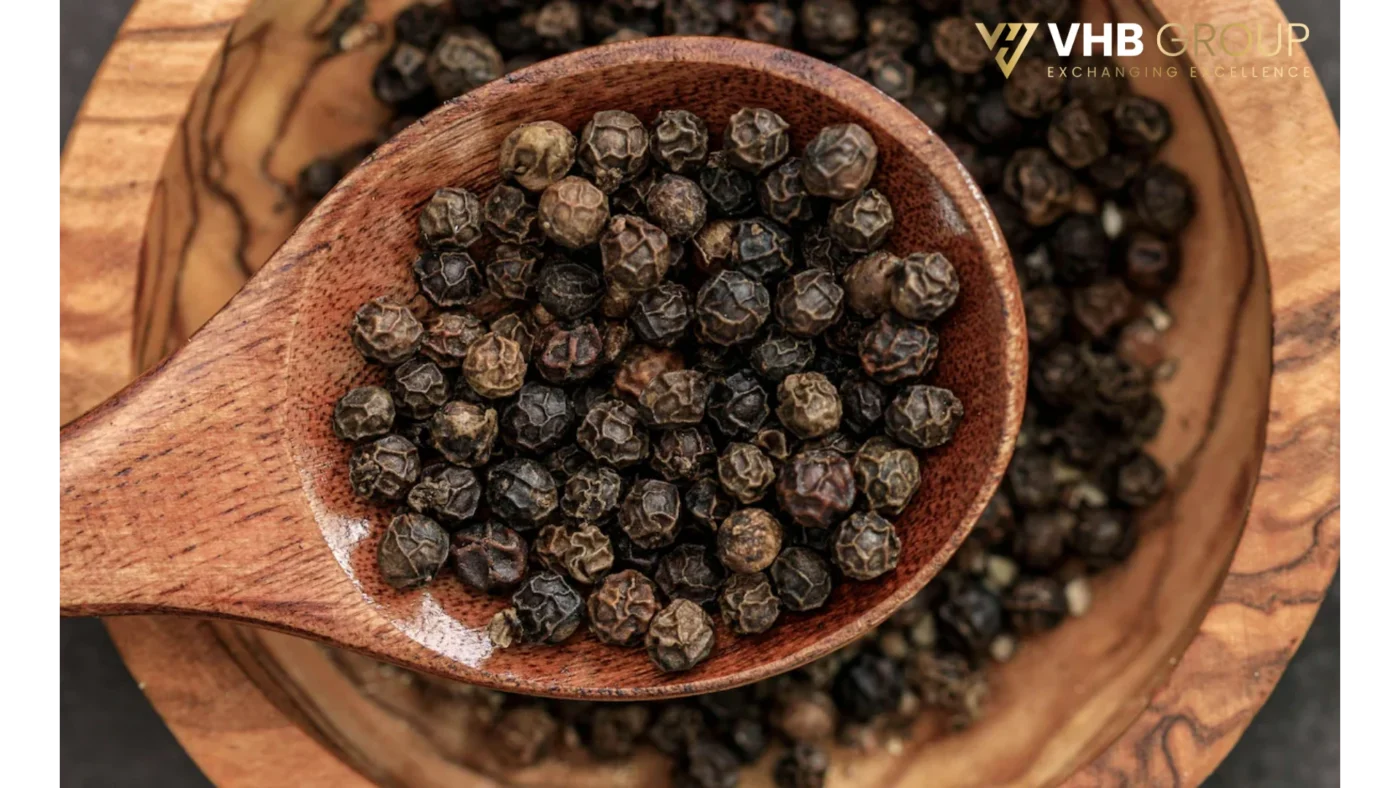
For global spice importers, wholesale distributors, and food processing conglomerates, finding a highly reliable and certified Bulk Export Black Pepper Origin is the foundational cornerstone of sustainable supply chain management. Black pepper (Piper nigrum), widely known as the ‘King of Spices,’ is the most heavily traded spice in the world, serving as a critical ingredient in everything from retail seasoning packs to industrial meat processing and botanical extractions. Navigating the international agricultural trade landscape, however, requires more than just finding the lowest price per metric ton. It demands a deep understanding of cultivation regions, agricultural practices, processing capabilities, and strict compliance with international food safety standards.
Table of Contents
- 1. Global Market Overview & The Significance of Bulk Export Black Pepper Origin
- 2. Key Cultivation Regions: Vietnam as the Premier Bulk Export Black Pepper Origin
- 3. Processing Methods and Quality Control at the Origin
- 4. International Quality Standards & Specifications
- 5. Sustainable Sourcing & Supply Chain Transparency
- 6. Export Packaging and Logistics Solutions
- 7. Frequently Asked Questions
- 8. Conclusion: Partnering with VIHABA

Global Market Overview & The Significance of Bulk Export Black Pepper Origin
The international trade in spices has witnessed substantial volatility over the last decade, driven by shifting weather patterns, geopolitical tensions, and evolving phytosanitary regulations in major consuming nations like the United States, members of the European Union, and Japan. In this complex environment, identifying a stable and transparent Bulk Export Black Pepper Origin is paramount to protecting operating margins and ensuring food safety compliance.
Historically, black pepper cultivation was distributed across India, Indonesia, and Brazil. However, over the past two decades, Vietnam has risen to become the undisputed global leader in both production and export volume. Today, Vietnam controls more than 40% of the global black pepper market share, exporting hundreds of thousands of metric tons annually to over 100 countries. This market dominance is not merely a product of sheer volume; it is the result of continuous public-private partnerships, massive capital investments in state-of-the-art cleaning facilities, and an agricultural transition toward integrated pest management (IPM) and international sustainability certifications.
For B2B buyers, understanding the structural dynamics of the country of origin is essential. A premium origin must offer more than just raw agricultural output. It must boast high-capacity steam sterilization plants, advanced mechanical sorting lines, direct-to-farm supply chain integration, and deep logistical connections to major deepwater ports. When these factors align, global importers can secure bulk shipments that minimize the risk of custom rejections due to pesticide residues, microbial contamination, or physical admixtures.
Key Cultivation Regions: Vietnam as the Premier Bulk Export Black Pepper Origin
Vietnam’s unique topography and tropical monsoon climate provide the perfect environment for growing high-yielding, high-piperine black pepper. Cultivation is concentrated across two primary geographical zones, each possessing distinct soil profiles and microclimates that influence the physical characteristics and chemical composition of the harvested peppercorns.
The Central Highlands (Tay Nguyen)
The Central Highlands, encompassing provinces such as Dak Lak, Dak Nong, and Gia Lai, represent the heart of Vietnam’s black pepper production. This region features vast plateaus of fertile, red basalt soil, which is exceptionally rich in minerals and offers natural drainage—a vital factor for the healthy development of the Piper nigrum vine’s root system. Pepper grown in the Central Highlands is highly regarded for its bold physical structure, high bulk density (typically ranging from 500 to 580 grams per liter), and deep, pungent aroma. The harvest season in Tay Nguyen generally starts in late January and runs through April, providing a massive influx of fresh crop to processing centers.
The Southeast Region
The Southeast region, which includes provinces like Binh Phuoc, Dong Nai, and Ba Ria – Vung Tau, is another highly productive zone. Farms in this area benefit from long-established farming traditions and highly structured agricultural cooperatives. Pepper from Binh Phuoc, for instance, is famous for its exceptionally high piperine content (often exceeding 5.5% to 6.0%), which delivers the characteristic fiery heat sought after by spice extractors and food manufacturers. Cooperatives in the Southeast have been at the forefront of implementing GlobalGAP, Rainforest Alliance, and organic farming certifications, making this region a prime target for buyers seeking sustainable, premium-grade exports.
Processing Methods and Quality Control at the Bulk Export Black Pepper Origin
Raw black pepper harvested from the fields contains moisture, dust, light berries, stems, and environmental contaminants. To transform this raw material into an export-grade product, professional processors employ a sequence of highly sophisticated mechanical and thermal processing stages. The quality control implemented at a reputable Bulk Export Black Pepper Origin directly determines the shelf life, safety, and sensory quality of the final product.
1. Harvest and Primary Drying
Harvesting is primarily done by hand, with skilled workers selectively picking clusters when the berries at the base of the spike begin to turn red or yellow. The picked berries are then separated from the spikes and spread out on clean concrete drying yards or elevated drying beds under natural sunlight. Traditional sun-drying reduces the moisture content from roughly 70% down to a stable 12% to 13.5%. During this stage, natural enzymes trigger fermentation, turning the green outer skin of the berry black, wrinkled, and highly aromatic.
2. Machine Cleaning and Sorting
Once dried, the raw pepper is transported to high-capacity processing plants. Here, the pepper undergoes mechanical cleaning to remove physical impurities. The processing line typically includes:
- De-stoners: Gravity-based machines that remove heavy foreign matter like stones, sand, and soil clumps.
- Air Classifiers: Systems that blow air through the pepper stream to separate light berries, dust, and husks from mature, high-density peppercorns.
- Spiral Separators: Specialized gravity channels that separate perfectly round berries from flat or broken ones, ensuring visual uniformity.
- Metal Detectors: High-sensitivity industrial metal detectors placed at critical control points to eliminate any metallic fragments introduced during harvesting or transport.
3. Steam Sterilization (Pasteurization)
For high-end B2B markets like the EU and North America, steam sterilization is an indispensable step. Traditional chemical treatments like Ethylene Oxide (ETO) fumigation and irradiation are increasingly restricted or banned outright due to health concerns. Steam sterilization offers a safe, natural, and highly effective alternative. By exposing the black pepper to high-temperature, high-pressure steam for a precise, short duration, processors can eliminate pathogens such as Salmonella, E. coli, and molds without damaging the delicate volatile oil content or reducing the natural pungency of the peppercorns.
International Quality Standards & Specifications
To facilitate international trade, bulk black pepper is classified into precise grades based on physical and chemical specifications. Importers must align their purchases with recognized international frameworks, including those established by the American Spice Trade Association (ASTA), the European Spice Association (ESA), and the International Pepper Community (IPC).
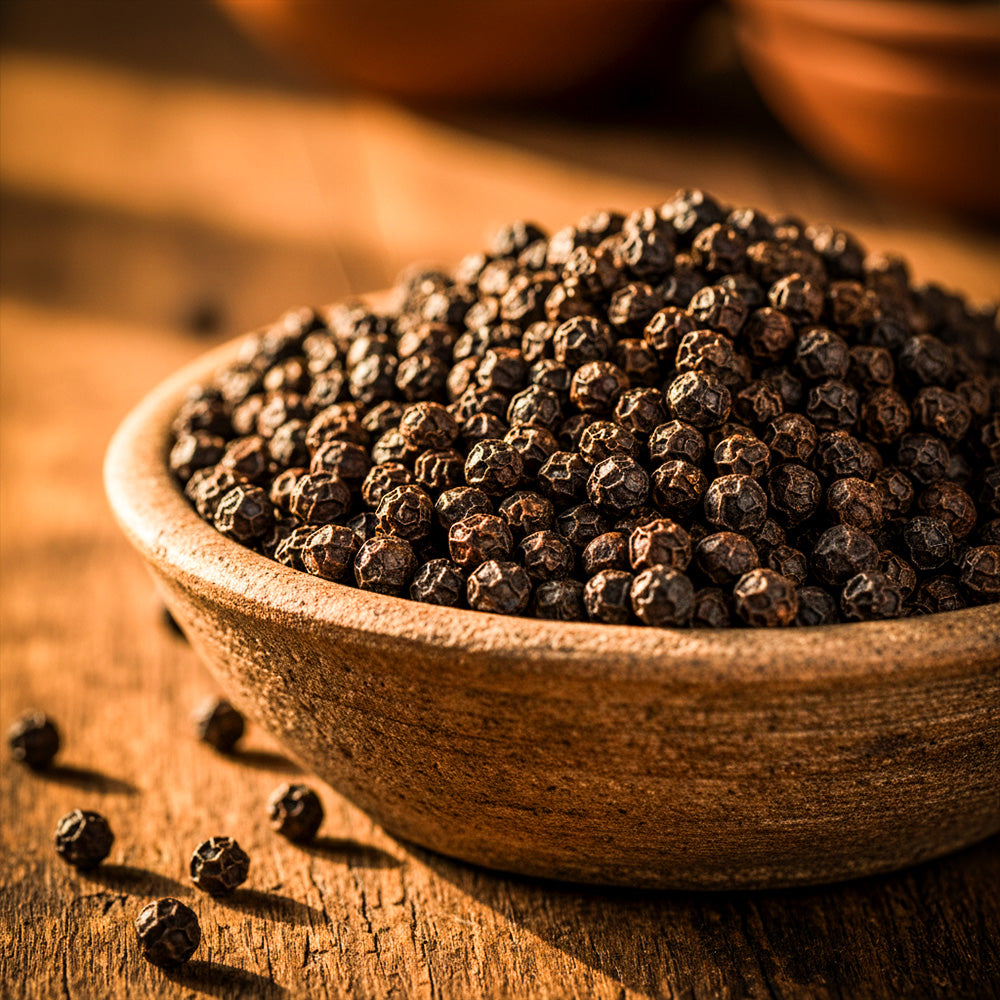
The table below outlines the standard technical specifications for the major grades of black pepper exported from premium origins:
| Grade / Specification Type | Bulk Density (g/l) | Moisture Content (Max %) | Admixture / Foreign Matter (Max %) | Piperine Content (Min %) | Primary Applications |
|---|---|---|---|---|---|
| FAQ 500 g/l (Fair Average Quality) | 500 g/l Min | 13.5% | 1.0% | 4.0% | Industrial grinding, extraction, cost-sensitive spice blends |
| FAQ 550 g/l | 550 g/l Min | 13.5% | 0.5% | 4.5% | Standard retail packing, foodservice distribution, catering |
| ASTA Grade 570 g/l (Cleaned) | 570 g/l Min | 12.5% | 0.2% | 5.0% | Premium retail whole pepper grinders, high-end food manufacturing |
| Steam Sterilized ASTA | 570-580 g/l | 12.0% | 0.1% | 5.2% | Microbiology-sensitive food manufacturing, pharmaceutical extractions |
Sustainable Sourcing & Supply Chain Transparency
Modern B2B purchasing decisions are no longer guided solely by quality and price. Corporate social responsibility (CSR) and strict ESG (Environmental, Social, and Governance) mandates mean that supply chain transparency is a commercial necessity. Importers must be able to trace their spice shipments back to regional cooperatives or individual farm groups.
Sourcing from an established Bulk Export Black Pepper Origin that implements robust traceability systems ensures that agricultural practices do not contribute to local deforestation, soil degradation, or unethical labor practices. Prominent exporters like VIHABA work closely with local farming collectives to implement eco-friendly farming practices. These initiatives include educating farmers on the precise, minimal use of organic fertilizers and bio-pesticides, conserving local water resources through advanced drip irrigation systems, and paying fair-trade premiums to secure stable, long-term supply agreements. By achieving certifications such as USDA Organic, EU Organic, Halal, and Kosher, processors can assure global buyers of total safety and compliance at every link of the supply chain.
Export Packaging and Logistics Solutions
The journey of bulk black pepper from the processing plant to the buyer’s destination warehouse can span thousands of miles across varying climatic zones. Proper bulk packaging and meticulous container management are critical to preventing moisture re-absorption, mold growth, and physical degradation during maritime transit.
Standard packaging configurations for bulk exports include:
- Multi-wall Kraft Paper Bags (20kg to 25kg): Ideal for high-grade, steam-sterilized pepper as they protect against environmental dust while allowing minor air exchange.
- Woven Polypropylene (PP) Bags (25kg to 50kg): The standard, highly durable option for high-volume, cost-effective industrial shipping.
- Jumbo Bulk Bags (FIBC – 500kg to 1,000kg): Used primarily by high-capacity grinding factories equipped with automated unloading systems.
To prevent condensation and ‘container rain’ during long ocean voyages, exporters must use dry, clean ocean containers lined with thick kraft paper. The inclusion of heavy-duty silica gel or calcium chloride desiccant bags is mandatory to maintain stable relative humidity levels inside the shipping container. Proper palletization utilizing fumigated, heat-treated wooden pallets compliant with ISPM-15 standards ensures safe mechanical loading and unloading at global ports.
Conclusion: Partnering with VIHABA for Premium Bulk Export Black Pepper Origin
In conclusion, securing a reliable, transparent, and high-quality Bulk Export Black Pepper Origin is a critical strategic move for any global B2B buyer looking to maintain product quality and protect their brand reputation. Vietnam’s rich agricultural regions, combined with modern industrial processing capabilities, make it the ideal sourcing hub for wholesale black pepper.
As a leading exporter in Vietnam, VIHABA is committed to bridging the gap between local farming communities and international food manufacturing standards. We provide fully traceable, premium-grade black pepper processed in state-of-the-art facilities that meet strict ASTA, ESA, and ISO requirements. Whether your business requires high-density clean FAQ pepper or fully certified steam-sterilized ASTA grades, VIHABA offers tailored packaging, seamless export logistics, and consistent quality you can trust. Partner with VIHABA today to elevate your spice supply chain with direct-from-origin efficiency and integrity.
Bulk Black Pepper Origin FAQ
Disclaimer: Unless otherwise stated, the images used in this article are the property of their respective owners. We do not claim ownership of any third-party images featured, and they are used here strictly for informational and educational purposes. If you are the copyright holder and wish to have an image removed, please contact us.