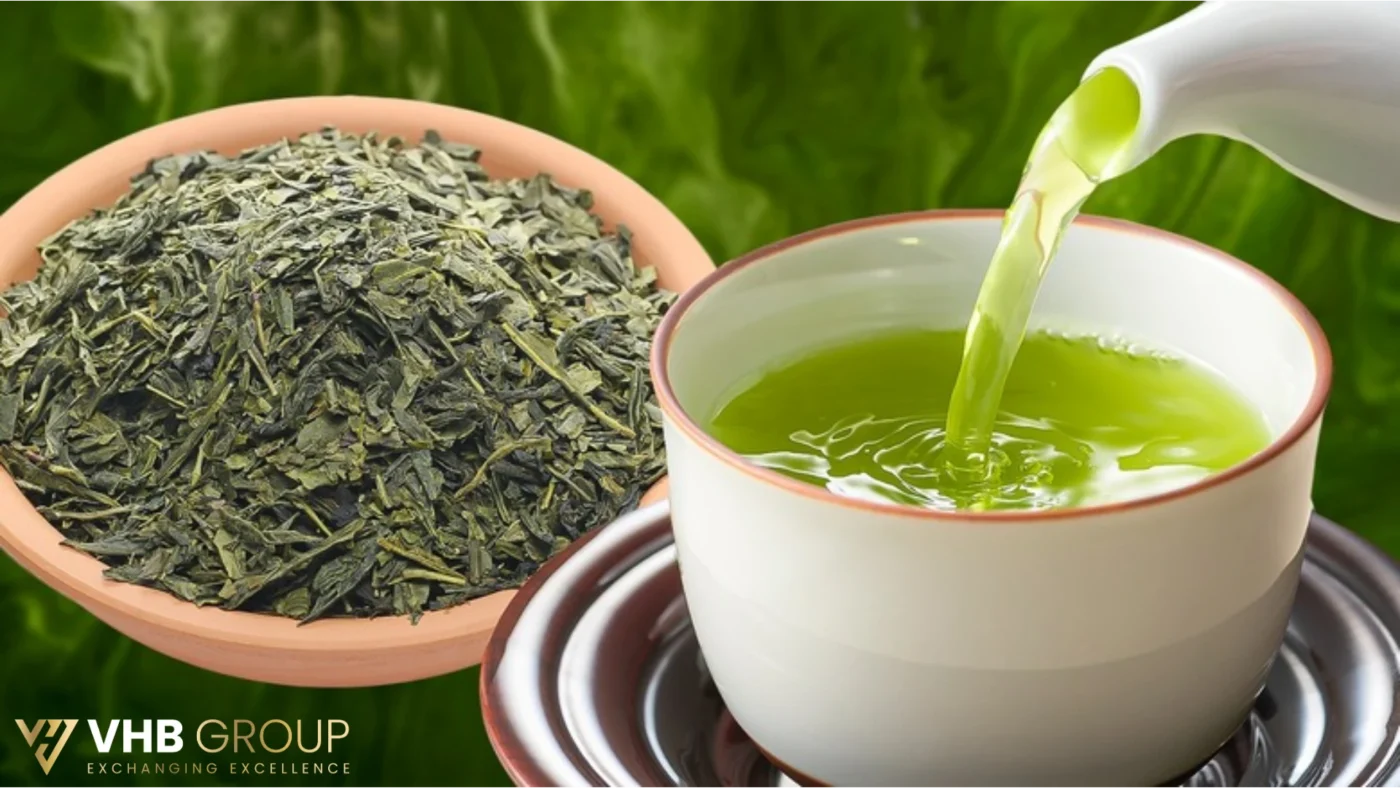
When sourcing premium agricultural commodities, understanding the essential High Grade Green Tea Facts is crucial for global importers seeking exceptional quality, flavor consistency, and supply chain reliability. As the beverage industry experiences a paradigm shift toward health-conscious consumption, premium loose-leaf green tea has transitioned from a niche artisanal product to a mainstream commodity driver. Importers, distributors, and blenders require comprehensive insights into agricultural origins, processing excellence, and chemical profiles to satisfy modern consumer demands. This article explores the technical and commercial dimensions of Vietnam’s premium tea sector, highlighting why top-tier green tea remains an invaluable asset for international beverage portfolios.
To navigate this complex commodity, use the interactive index below to explore each key section:
- Global Market Dynamics and High Grade Green Tea Facts
- Vietnam’s Premium Tea Cultivation Regions and Terroir
- Processing Methodologies Defining High Grade Green Tea Facts
- Quality Standards and Certifications for International B2B Trade
- Export Packaging, Logistics, and Supply Chain Integrity
- Essential High Grade Green Tea Facts for Importers
- Frequently Asked Questions
- Conclusion: Partnering with VIHABA for Premium Tea Sourcing
Global Market Dynamics and High Grade Green Tea Facts
The global green tea market has experienced robust compound annual growth rates (CAGR), driven by a worldwide shift toward wellness, antioxidant-rich diets, and clean-label beverages. In this highly competitive environment, understanding High Grade Green Tea Facts separates successful commercial enterprises from low-margin competitors. Traditional commodity-grade tea often suffers from price volatility and quality degradation. Conversely, premium grades demand a price premium, securing long-term customer loyalty and higher margins for B2B importers.
Modern consumers are no longer satisfied with generic tea bags filled with low-quality fannings and dust. Instead, there is a booming demand for whole-leaf, single-origin orthodox green teas that offer complex flavor profiles, sweet umami undertones, and vibrant liquor colors. Vietnam has emerged as a powerhouse in this evolving sector. By combining age-old agricultural traditions with state-of-the-art processing infrastructure, Vietnamese exporters are meeting the rigorous sensory and chemical standards of markets in North America, Europe, East Asia, and the Middle East.
Vietnam’s Premium Tea Cultivation Regions and Terroir
Vietnam’s unique topography, characterized by mountainous terrains, rich volcanic soil, and subtropical climates, provides an ideal terroir for cultivating high-grade Camellia sinensis. The characteristics of premium green tea are fundamentally determined by the microclimates of these northern highlands.
Thai Nguyen Province: The Cradle of Vietnamese Green Tea
Thai Nguyen, particularly the Tan Cuong micro-region, is globally renowned for producing some of the finest green teas in Southeast Asia. Nestled near the Cong River and sheltered by the Tam Dao mountain range, the tea gardens here benefit from fertile, slightly acidic soil and optimal solar radiation. The leaves harvested in Thai Nguyen yield a signature bright yellowish-green liquor, characterized by a sweet, grassy aroma and a deep, lingering sweet aftertaste (known locally as ‘Hau vi’).
The High-Altitude Terraces of Ha Giang and Moc Chau
Further north, regions such as Ha Giang are home to ancient, wild Shan Tuyet tea trees growing at elevations exceeding 1,500 meters above sea level. Covered in persistent mist and subjected to drastic diurnal temperature variations, these ancient trees grow slowly, concentrating complex polyphenols, amino acids, and essential oils in their leaves. The resulting tea is exceptionally smooth, featuring a distinct honey-like sweetness and a robust body that appeals to sophisticated tea connoisseurs globally. Meanwhile, the fertile volcanic plateaus of Moc Chau produce excellent high-yield green teas ideal for high-volume B2B blends requiring absolute consistency.
Processing Methodologies Defining High Grade Green Tea Facts
The physical transformation of freshly plucked green tea leaves into a stable, dry export product is a highly sophisticated science. Sourcing agents must analyze these High Grade Green Tea Facts regarding processing, as any operational deviation can ruin an entire batch, leading to astringency, flat aromas, or rapid degradation.
Meticulous Plucking Standards
The journey begins with the harvest. High-grade green teas rely on selective hand-plucking rather than mechanical harvesting. The gold standard for premium orthodox tea is ‘one bud, two young leaves’ (often referred to as ‘one bud, one leaf’ for super-premium grades). These young shoots contain the highest concentrations of L-theanine, chlorophyll, and epigallocatechin gallate (EGCG), which collectively dictate the sweetness, color, and health benefits of the final brew.
Enzyme Inactivation (Fixing) and Shaping
To preserve the green color and prevent oxidation, the freshly harvested leaves undergo ‘fixing’ (or de-enzymation) within hours of plucking. This is achieved by exposing the leaves to high dry heat in rotating drum roasters or steam chambers. This thermal treatment deactivates the polyphenol oxidase enzymes, locking in the natural green chemistry of the leaf. Following fixing, the leaves are rolled and shaped. Rolling breaks down the internal cell walls, releasing essential oils onto the leaf surface, which will easily dissolve during brewing. Premium Vietnamese green teas are typically rolled into tight, curly needles or semi-spherical pearls, protecting the delicate leaves from environmental degradation during long-distance shipping.
Quality Standards and Certifications for International B2B Trade
Navigating international food safety compliance is the most critical hurdle for global tea importers. To guarantee chemical purity and structural integrity, premium tea must adhere to strict quality benchmarks. Our production processes prioritize transparency, pesticide residue management, and microbial safety, ensuring our shipments seamlessly clear customs in strict regulatory environments like the European Union and the United States.
The following technical specification table highlights the rigorous physical and chemical parameters that differentiate premium grade green tea from standard export grades:
| Quality Parameter | Premium Grade (AAA) | Standard Export Grade (A) | Testing / Compliance Method |
|---|---|---|---|
| Appearance | Tight, evenly rolled needles, vibrant green | Slightly loose, dark green to yellowish | Organoleptic / Visual Analysis |
| Moisture Content | < 5.5% | < 7.0% | ISO 1573 Oven Drying Method |
| Total Ash Content | 4.0% – 6.0% | 4.5% – 7.0% | ISO 1575 Ashing Method |
| Dust and Fannings | < 0.5% | < 2.0% | Sieve Analysis (Mechanical) |
| Pesticide Residue | Compliant with EU/FDA MRLs | Compliant with regional limits | GC-MS/MS & LC-MS/MS |
| L-Theanine Content | > 1.8% | > 1.0% | HPLC (High-Performance Liquid Chromatography) |
By implementing integrated pest management (IPM) systems and securing certifications such as GlobalGAP, ISO 22000, and HACCP, modern Vietnamese exporters ensure that every batch of high-grade green tea meets the absolute highest safety standards for premium beverage manufacturers around the world.
Export Packaging, Logistics, and Supply Chain Integrity
Even the finest green tea will degrade rapidly if exposed to oxygen, light, heat, or moisture during sea transit. Therefore, protective packaging is a cornerstone of our export process. To preserve active catechins, volatile oils, and vibrant green coloring, premium bulk green tea must be packed in multi-layer barrier materials.
Standard export configuration includes sealing the tea in heavy-duty aluminum vacuum bags, which are then placed inside double-wall corrugated cartons or high-strength woven polypropylene bags. To protect your brand equity and guarantee chemical purity, we invite you to explore our dedicated resource on High Grade Green Tea Facts to assess our detailed laboratory certifications, supply chain workflows, and customized packaging solutions for global B2B procurement.
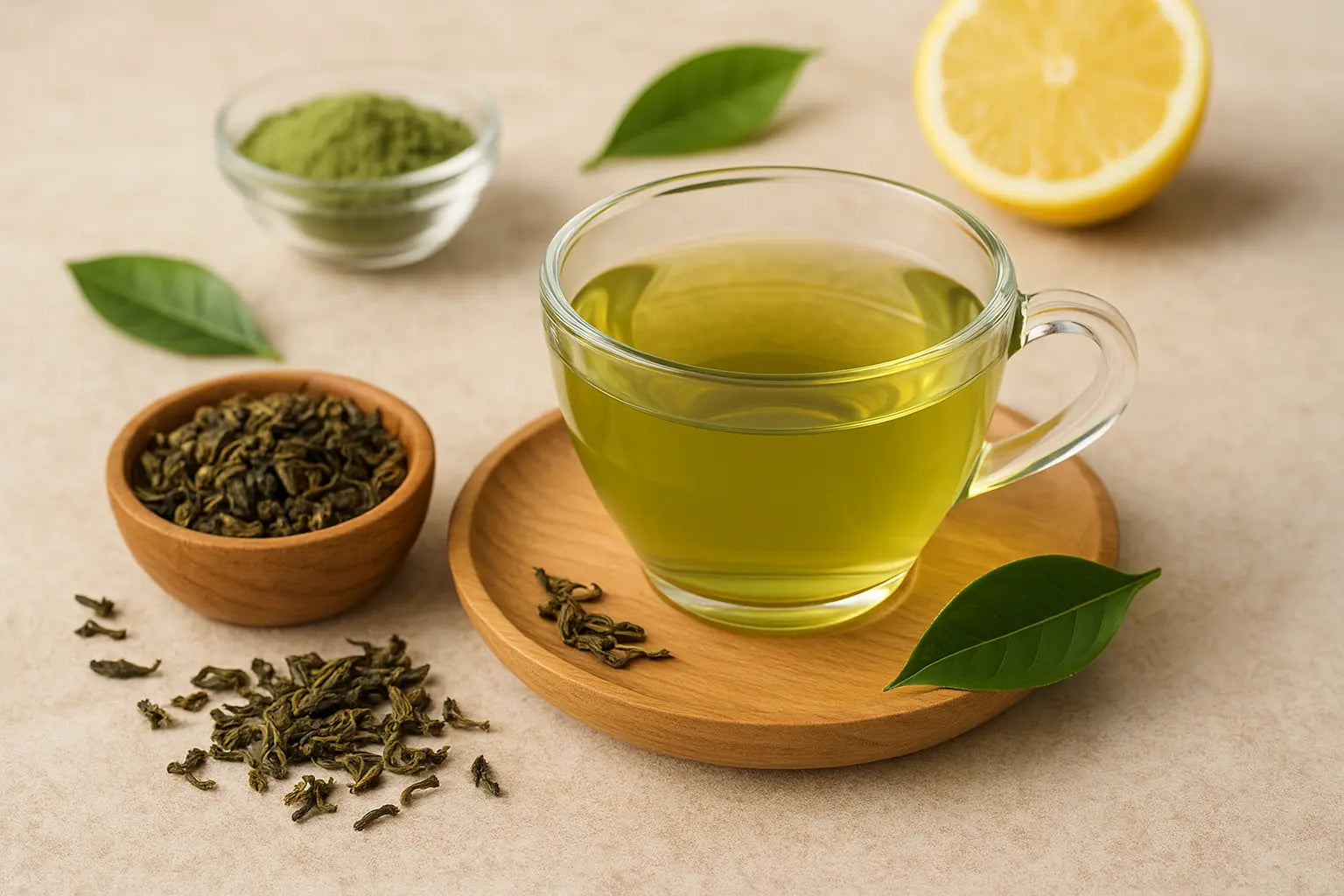
Furthermore, maintaining strict temperature and humidity controls in warehousing facilities prior to shipment prevents premature oxidation. VIHABA works closely with trusted international freight forwarders to ensure minimal transit times and clean, dry container conditions, delivering fresh, plantation-grade green tea directly to your receiving docks.
Essential High Grade Green Tea Facts for Importers
For B2B procurement managers, purchasing officers, and distributors, mastering these technical High Grade Green Tea Facts will optimize inventory performance and end-user satisfaction:
- Polyphenol Concentration: High-grade green teas generally contain 15% to 25% polyphenols by dry weight, offering exceptional health benefits and antioxidant profiles.
- Harvest Seasonality: The spring harvest (First Flush) yields the highest concentration of amino acids, resulting in a sweeter, less astringent cup, whereas late summer harvests yield higher catechins and a bolder profile.
- Leaf Integrity: Broken leaves release tannins rapidly, leading to a bitter brew. Whole-leaf teas allow for multi-steeping, a key selling point for premium tea houses.
- Storage Longevity: Properly vacuum-sealed green tea maintains its peak sensory attributes for up to 18 to 24 months when stored in cold, dry environments.
Conclusion: Partnering with VIHABA for Premium Tea Sourcing
In summary, mastering the vital High Grade Green Tea Facts allows international buyers to make informed, value-driven purchasing decisions that elevate their brand portfolios. From selecting the pristine mountainous terroir of northern Vietnam to enforcing rigid processing, packaging, and testing standards, every stage of the supply chain must be executed with absolute precision.
As a leading Vietnamese agricultural exporter, VIHABA is dedicated to providing high-grade green teas that consistently meet and exceed international standards. Our commitment to sustainability, supply chain transparency, and rigorous quality control guarantees that your B2B requirements are met seamlessly, season after season. Contact our B2B procurement specialists today to obtain product samples, laboratory analysis reports, and customized supply chain solutions tailored to your market’s exact needs.
High Grade Green Tea FAQ
Disclaimer: Unless otherwise stated, the images used in this article are the property of their respective owners. We do not claim ownership of any third-party images featured, and they are used here strictly for informational and educational purposes. If you are the copyright holder and wish to have an image removed, please contact us.