
In the rapidly expanding global food and cosmetic manufacturing sectors, securing reliable supplies of Refined Coconut Oil Unique SKUs has become a critical operational advantage for international buyers. As agricultural supply chains face increasing volatility, B2B enterprises must partner with sophisticated exporters who can deliver tailored commodity solutions. Vietnam has emerged as a premier hub for high-quality coconut derivatives, offering unmatched quality control from farm to final shipment. By understanding the structural advantages of customizable refined coconut oil specifications, global procurement managers can optimize their processing lines, reduce manufacturing waste, and secure competitive pricing.
Table of Contents
- Global Market Dynamics and the Rise of Refined Coconut Oil Unique SKUs
- Cultivation Regions in Vietnam: The Cradle of Premium Coconuts
- Processing Technology and Quality Standards for Refined Coconut Oil Unique SKUs
- Tailoring B2B Sourcing with Refined Coconut Oil Unique SKUs
- Specifications and Technical Data Sheet
- Supply Chain Logistics and Export Best Practices
- Frequently Asked Questions (FAQs)
- Conclusion: Partnering with VIHABA for Agriculture Exports
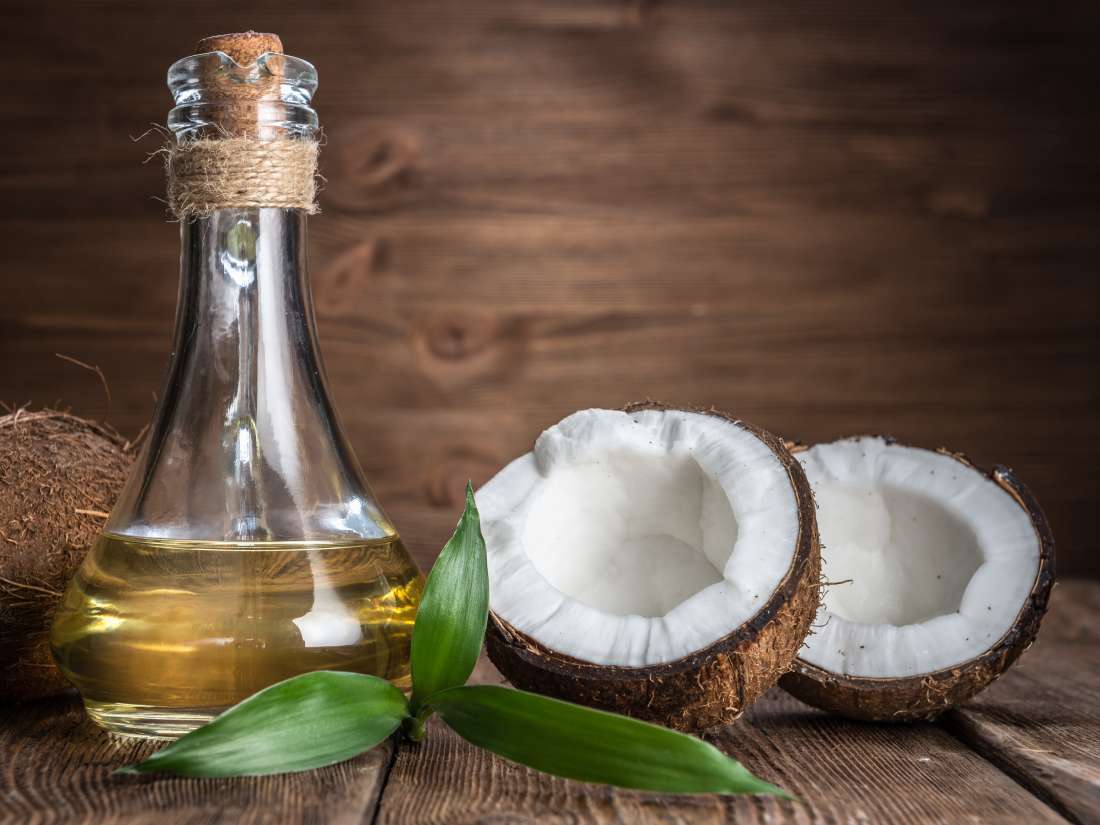
Global Market Dynamics and the Rise of Refined Coconut Oil Unique SKUs
The global agricultural market has witnessed a monumental shift in how fats and oils are sourced, processed, and utilized. Industrial food production, clean-label cosmetics, and pharmaceutical formulation require highly stable raw materials. Among these, Refined, Bleached, and Deodorized (RBD) coconut oil has become a dominant force due to its neutral sensory profile, high oxidative stability, and excellent shelf-life characteristics. However, standard, off-the-shelf bulk oil solutions often fail to meet the exact technical demands of modern automated production plants. This is where specialized Refined Coconut Oil Unique SKUs provide significant strategic value.
Unlike raw agricultural commodities that are traded purely on volume, unique SKUs allow buyers to specify custom packaging sizes, tailored chemical attributes, and specific certification alignments. In Western Europe and North America, strict regulatory frameworks governing food safety and environmental sustainability have driven the demand for certified organic and traceable coconut derivatives. Meanwhile, in emerging markets across Asia and the Middle East, the rapid growth of the processed food industry has created an insatiable demand for consistent frying media and confectionery fats. Meeting these diverse international demands requires a deep understanding of manufacturing flexibility and direct access to sustainable agricultural resources.
Cultivation Regions in Vietnam: The Cradle of Premium Coconuts
Vietnam’s geographical positioning within the tropical belt provides the ideal environment for coconut cultivation. The country’s coconut industry is concentrated primarily in the Mekong Delta, with Ben Tre province universally recognized as the “coconut capital” of Vietnam. Ben Tre benefits from a unique network of rivers and fertile alluvial soil deposit systems, which supply coconut palms with rich nutrients year-round. This natural hydrology results in coconuts with exceptionally thick kernels and a high natural oil content, making them highly efficient raw materials for refined oil production.
In addition to Ben Tre, neighboring provinces such as Tra Vinh and Tien Giang have expanded their cultivation footprints, adopting sustainable agricultural practices to align with global standards. Vietnamese farmers are increasingly transitioning to organic farming methods, minimizing the use of synthetic fertilizers and chemical pesticides. By maintaining a close relationship with local farming cooperatives, exporters like VIHABA can guarantee absolute traceability from the coastal groves of the Mekong Delta directly to the manufacturing facility. This vertical integration is critical for maintaining supply chain transparency, especially when developing specialized product lines designed for discerning international markets.
Processing Technology and Quality Standards for Refined Coconut Oil Unique SKUs
To transform raw coconut meat into high-grade Refined Coconut Oil Unique SKUs, manufacturers must employ precise refining technologies. The processing starts with the extraction of crude coconut oil from dried copra. This crude oil undergoes a systematic physical and chemical refining process consisting of three core stages: refining, bleaching, and deodorization (RBD). Refining neutralizes free fatty acids, bleaching utilizes natural activated clay to extract pigments and impurities, and deodorization uses high-temperature steam under vacuum conditions to remove volatile odor compounds without damaging the oil’s beneficial medium-chain triglycerides (MCTs).
To ensure these specialized SKUs are suitable for international food-grade and cosmetic applications, they must adhere to rigorous quality benchmarks. Premium processing facilities employ automated monitoring systems to trace crucial chemical parameters, including peroxide value, iodine value, and moisture content. For global B2B transactions, possessing accredited international certifications is non-negotiable. These include:
- ISO 22000 & HACCP: Ensuring robust food safety management systems across the entire processing chain.
- Halal & Kosher Certifications: Guaranteeing compliance with dietary laws required for distribution in Middle Eastern, North American, and Southeast Asian consumer markets.
- GlobalGAP & Organic Standards: Verifying sustainable agricultural practices and the absence of synthetic chemical processing aids.

Tailoring B2B Sourcing with Refined Coconut Oil Unique SKUs
Every industrial manufacturer operates unique production lines that dictate their raw material handling workflows. A large-scale bakery might require bulk transport solutions to feed continuous production lines, whereas a high-end cosmetic brand might need smaller, highly protective packaging to maintain active ingredient integrity. Recognizing these distinct operational needs, VIHABA offers highly customizable refined coconut oil unique SKUs designed to integrate seamlessly into diverse industrial workflows.
Customization goes beyond just altering physical dimensions; it encompasses the complete adaptation of the product’s physical-chemical parameters and functional properties. For example, commercial frying applications benefit from refined oil with minimized moisture content to maximize smoke points and resist thermal degradation. Conversely, personal care manufacturers often request specific filtration levels to ensure a perfectly clear, water-white liquid when formulated into skin creams and lotions. By collaborating directly with a flexible exporter, purchasing managers can customize everything from packaging formats (including flexitanks, IBC totes, steel drums, and retail-ready PET bottles) to custom chemical tolerances, eliminating the need for expensive secondary processing at destination ports.
Specifications and Technical Data Sheet
To ensure consistency across international shipments, industrial buyers rely on precise physical and chemical specifications. Below is the technical data sheet outlining the standard parameters for premium-grade refined coconut oil exported from Vietnam. These parameters can be adjusted when formulating your specific product requirements.
| Parameter | Standard Specification Limit | Testing Method Compliance |
|---|---|---|
| Appearance | Clear, pale yellow to water-white liquid (above 25°C) | Visual Inspection |
| Odor & Taste | Neutral, completely free from foreign odors and rancidity | Organoleptic Analysis |
| Free Fatty Acid (as Lauric) | Max 0.05% – 0.1% | AOCS Ca 5a-40 |
| Moisture & Volatile Matter | Max 0.1% | AOCS Ca 2c-25 |
| Iodine Value (Wijs) | 7.5 – 10.5g I2/100g | AOCS Cd 1-25 |
| Peroxide Value | Max 1.0 meq O2/kg | AOCS Cd 8-53 |
| Color (Lovibond 5.25″ cell) | Max 1.5 Red / 15 Yellow | AOCS Cc 13b-45 |
| Saponification Value | 250 – 264 mg KOH/g | AOCS Cd 3-25 |
Supply Chain Logistics and Export Best Practices
Transporting temperature-sensitive vegetable fats like coconut oil over long oceanic voyages requires precise logistics management. Coconut oil naturally solidifies at temperatures below 24°C (75°F). When shipping to temperate or cold climates, such as Northern Europe or North America, bulk containers must be equipped with specialized heating pads (thermal elements) to gently liquefy the oil prior to discharge at the receiver’s facility. Proper insulation and temperature monitoring are essential to prevent thermal shock and maintain structural stability throughout transit.
-758977.jpg)
Furthermore, preventing contamination during maritime shipping is critical for food-grade oil. When loading Refined Coconut Oil Unique SKUs into flexitanks or ISO tanks, the containers must be food-grade certified, dry, odor-free, and thoroughly inspected before filling. Partnering with seasoned logistics providers ensures that all necessary shipping documentation—such as bills of lading, phytosanitary certificates, certificates of analysis (COA), and customs declarations—are processed accurately. This minimizes custom clearance delays at major global ports, guaranteeing that your raw materials arrive on schedule to maintain uninterrupted production schedules.
Conclusion: Partnering with VIHABA for Agriculture Exports
Sourcing high-quality agricultural commodities requires more than just finding a supplier; it requires establishing a partnership with a reliable exporter capable of adapting to your exact business specifications. Vietnam’s rich agricultural landscape, combined with state-of-the-art refining capabilities, positions the country as a leading source for premium coconut oil derivatives. By choosing to source custom Refined Coconut Oil Unique SKUs, B2B buyers can streamline their manufacturing processes, reduce waste, and improve overall product quality.
As a leading exporter in Vietnam, VIHABA is committed to delivering exceptional agricultural products, complete supply chain transparency, and reliable logistics support. Our team works closely with you to understand your operational needs and formulate tailored solutions that align with your technical requirements. Contact the agricultural export specialists at VIHABA today to discuss your next bulk order, request product samples, or explore custom product formulation options for your brand.
Refined Coconut Oil Unique SKUs FAQ
Disclaimer: Unless otherwise stated, the images used in this article are the property of their respective owners. We do not claim ownership of any third-party images featured, and they are used here strictly for informational and educational purposes. If you are the copyright holder and wish to have an image removed, please contact us.