- 1. Understanding the Global Fine Grade Desiccated Coconut Distribute Channel
- 2. Key Technical Specifications and Quality Standards
- 3. Sustainable Sourcing and Vietnam’s Cultivation Edge
- 4. State-of-the-Art Processing and Quality Control
- 5. How to Optimize Your Logistics and Supply Chain
- 6. Frequently Asked Questions (FAQs)
- 7. Conclusion

Understanding the Global Fine Grade Desiccated Coconut Distribute Channel
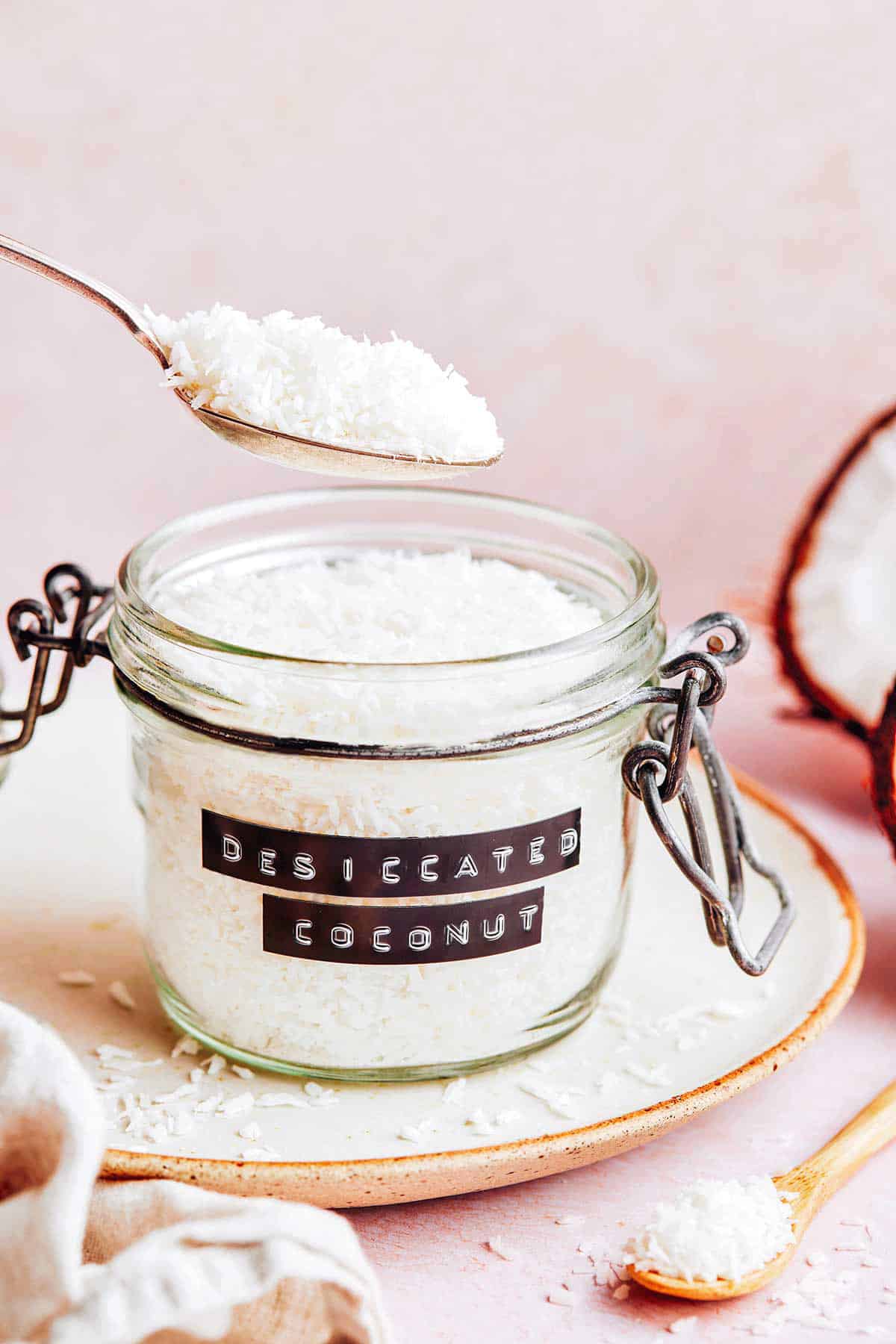
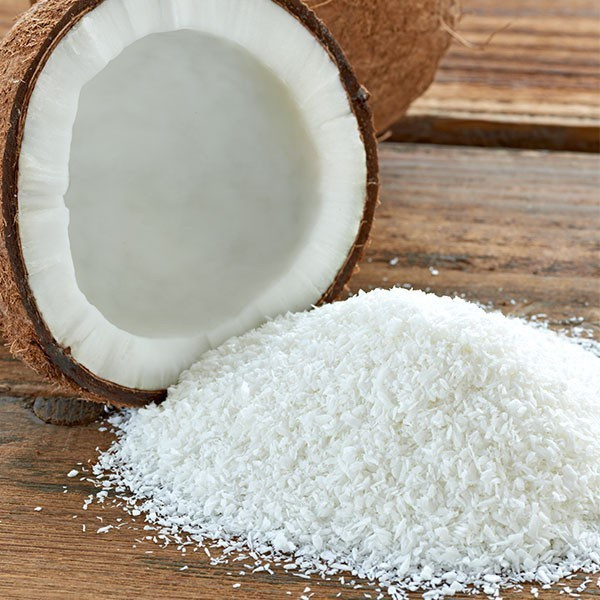
Developing a resilient, high-performing Fine Grade Desiccated Coconut Distribute Channel is a strategic priority for food manufacturers, wholesale distributors, and confectionery brands seeking to secure premium raw materials. The global demand for coconut-based ingredients has experienced exponential growth over the past decade. This trend is driven by a massive consumer shift towards plant-based diets, healthy snacking, and clean-label foods. Fine grade desiccated coconut, characterized by its snow-white color, delicate nutty flavor, and finely granulated texture, is highly sought after by industrial bakeries, chocolatiers, and pastry manufacturers worldwide.
To successfully integrate this premium agricultural commodity into your production line, understanding the complexities of the global supply chain is paramount. A robust distribution channel bridges the gap between agricultural producers in Southeast Asia and industrial end-users in Europe, North America, and the Middle East. Sourcing directly from certified origins allows businesses to avoid intermediary markups, stabilize their pricing structures, and guarantee product consistency. Establishing a reliable distribution channel requires deep industry knowledge, strict compliance with international food safety regulations, and strong partnerships with experienced agricultural exporters.
By optimizing your supply network, you eliminate traditional sourcing pain points such as shipping delays, quality fluctuations, and moisture contamination during ocean transit. As global markets become increasingly competitive, securing an uninterrupted flow of high-quality ingredients through an optimized channel is the key to maintaining your market share and safeguarding your brand’s reputation.
Key Technical Specifications in the Fine Grade Desiccated Coconut Distribute Channel
For B2B buyers, procurement managers, and quality assurance teams, technical specifications are the cornerstone of any purchasing agreement. Fine grade desiccated coconut must meet precise physical, chemical, and microbiological criteria to ensure it performs optimally in food applications and complies with global regulatory frameworks. Whether used as a coating for premium truffles, a texture enhancer in baked goods, or a filling in confectionery items, the product must retain its natural characteristics without the use of chemical preservatives.
When selecting a supplier within the Fine Grade Desiccated Coconut Distribute Channel, buyers should demand comprehensive Certificates of Analysis (COA) for every batch. The following table outlines the industry-standard specifications for high-fat, premium-quality fine desiccated coconut from Vietnam:
| Parameters | Standard Specifications | Testing Methods / Reference |
|---|---|---|
| Appearance | Fine, free-flowing granular powder, free from foreign matter | Visual Inspection |
| Color | Natural white, free from yellowing or dark specks | Visual Inspection |
| Flavor / Odor | Mild, sweet, and typical of fresh coconut, without off-odors | Sensory Analysis |
| Moisture Content | Max 3.0% | Oven Drying Method |
| Fat Content (High Fat) | Min 63% – 65% | Soxhlet Extraction |
| Free Fatty Acid (FFA) | Max 0.3% (calculated as lauric acid) | Titration Method |
| Sulfur Dioxide (SO2) | Free from SO2 (or Max 50 ppm depending on market requirements) | Monier-Williams Method |
| Particle Size (Fine) | 90% passing through a 1.4 mm sieve | Sieve Analysis |
| E. Coli | Negative in 25g | ISO 16649 |
| Salmonella | Negative in 25g | ISO 6579 |
These rigid benchmarks guarantee that the desiccated coconut retains its structural integrity, rich taste, and extended shelf life when stored under optimal conditions. Premium suppliers employ advanced optical sorting technology and automated sifting machinery to achieve these rigorous standards, eliminating foreign materials and inconsistent particles before packaging.
Sustainable Sourcing Within the Fine Grade Desiccated Coconut Distribute Channel
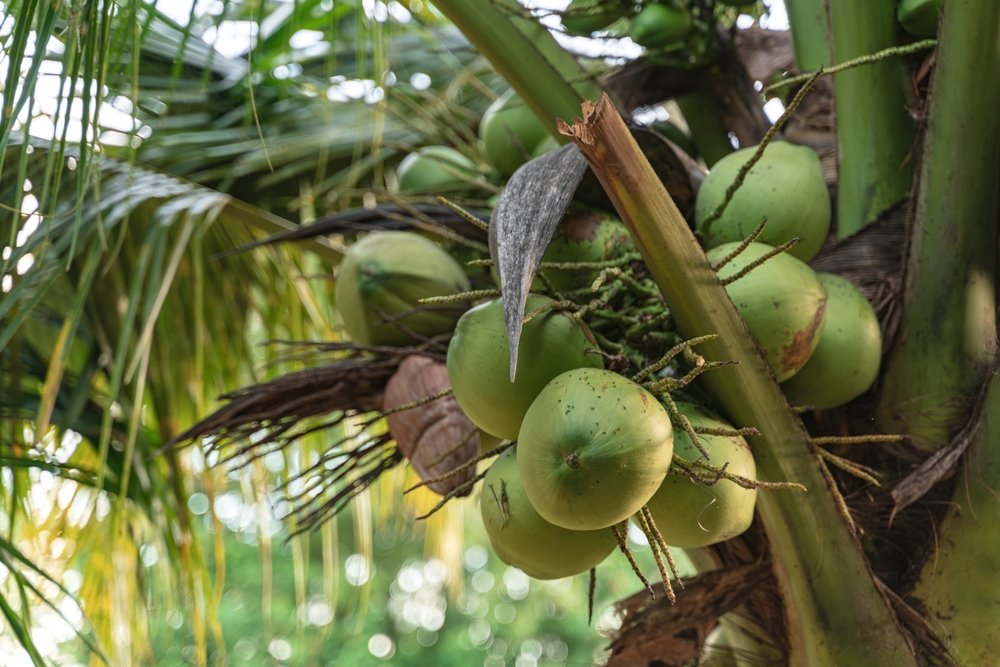
The foundation of a reliable Fine Grade Desiccated Coconut Distribute Channel lies in the agricultural soils of Vietnam, specifically the Mekong Delta region. Ben Tre province, widely recognized as the “Coconut Capital” of Vietnam, boasts ideal agro-climatic conditions for cultivation. The region is blessed with alluvial-rich soil replenished annually by the Mekong River, high humidity, and consistent year-round sunshine. These natural factors contribute to coconuts with an exceptionally high oil content and natural sweetness, making them highly prized on the global market.
In today’s B2B landscape, sustainability and supply chain transparency are non-negotiable. Modern global brands must trace their ingredients back to the farm gate. Vietnam’s agricultural sector has undergone a massive modernization effort, shifting toward organic cultivation, sustainable water management, and fair-trade practices. Farmers are trained in Integrated Pest Management (IPM) to eliminate chemical pesticides, and organic-certified coconut plantations (USDA Organic, EU Organic) are rapidly expanding. By sourcing from these certified regions, global distributors and processors can confidently market their products to environmentally conscious consumers, reinforcing their brand’s commitment to corporate social responsibility (CSR).
Furthermore, local agricultural initiatives focus on improving farm-level yields while protecting biodiversity. Intercropping cocoa or bananas within coconut groves is a common practice that helps maintain soil health, optimize land use, and provide secondary income streams for local farming communities. This holistic approach ensures that the entire channel remains economically viable and ecologically sustainable for generations to come.
State-of-the-Art Processing and Quality Control
Transforming raw coconuts into premium fine grade desiccated coconut requires high-precision industrial processing. The journey from farm to factory is tightly controlled to prevent contamination and quality degradation. Freshly harvested coconuts are transported to modern processing facilities where they undergo several critical stages:
- De-husking and Shelling: The outer husk and hard inner shell are removed mechanically or by skilled workers to expose the coconut meat enclosed in a thin brown skin (testa).
- Paring: The brown skin is meticulously shaved off, leaving only the pure white kernel. This step is vital to ensure the final product is free of dark specks and maintains its pristine white color.
- Washing and Blanching: The white kernels are washed with purified water and then subjected to high-temperature steam blanching. This sterilization process eliminates pathogens, particularly Salmonella and E. coli, ensuring compliance with international microbiological food safety regulations.
- Grating and Disintegrating: Specialized stainless-steel disintegrators grind the sterilized kernels into a fine, uniform particle size characteristic of the fine grade standard.
- Fluidized Bed Drying: The wet grated coconut is fed into continuous fluidized bed dryers. Heated clean air gently removes moisture until the content drops below 3.0%. This precise drying technique prevents caramelization (which causes yellowing) and preserves the natural fat and nutritional profile of the coconut.
- Sifting, Sorting, and Metal Detection: The dried product is cooled and passed through vibrating sieves to separate particles by size. Advanced optical sorters detect and eject any off-color particles, followed by passage through sensitive industrial metal detectors to ensure absolute purity.
Throughout these stages, factories certified in HACCP, ISO 22000, FSSC 22000, Halal, and Kosher monitor critical control points (CCPs) with rigorous laboratory testing. This ensures that the final product shipped through your distribution network meets the highest international food safety expectations.
How to Optimize Your Fine Grade Desiccated Coconut Distribute Channel Supply Chain
To maximize the efficiency of your Fine Grade Desiccated Coconut Distribute Channel, strategic attention must be paid to packaging, storage, and maritime logistics. Coconut products are highly sensitive to moisture absorption and rancidity (fat oxidation) caused by exposure to heat, light, and air. Therefore, selecting the correct packaging medium and container shipping practices is critical to preserving quality during long-distance transit.
Standard export packaging consists of multi-layer Kraft paper bags (typically 3 to 4 plies) with an inner food-grade Polyethylene (PE) liner hermetically sealed to block moisture and oxygen. Common bulk weights are 25 kg or 50 lbs bags, though some industrial buyers prefer big bags (super sacks) of 500 kg to 1,000 kg for high-volume automated processing plants. During ocean freight transit, containers must be fitted with moisture-absorbing silica gel bags (container desiccants) to prevent “container rain” caused by temperature fluctuations during long maritime voyages.
Furthermore, establishing a direct partnership with an integrated Vietnamese exporter like VIHABA simplifies the procurement process. By working with a partner who oversees the entire supply chain—from local farm sourcing and factory quality control to custom clearance and international shipping—you eliminate unnecessary intermediaries. This direct distribution model guarantees competitive pricing, transparent lead times, consistent product quality, and reliable container allocations even during high-demand peak shipping seasons.
Conclusion: Secure Your Fine Grade Desiccated Coconut Distribute Channel with VIHABA
Optimizing your Fine Grade Desiccated Coconut Distribute Channel is essential for achieving operational efficiency, product excellence, and cost predictability in your food manufacturing business. Sourcing premium desiccated coconut from Vietnam’s fertile Mekong Delta, combined with high-standard industrial processing and robust quality assurance, ensures your brand delivers superior finished goods to consumers worldwide.
As an established leader in agricultural B2B exports, VIHABA is committed to bridging the gap between Vietnam’s finest agricultural treasures and international markets. Our rigorous quality control protocols, comprehensive certifications, transparent supply chains, and client-centric customer service make us the ideal B2B partner for your sourcing needs. By partnering with a reliable exporter like VIHABA, your business can build a resilient, high-quality Fine Grade Desiccated Coconut Distribute Channel that drives long-term market success. Contact our export specialist team today to secure your supply of premium fine grade desiccated coconut and elevate your production standards to new heights.
Fine Grade Desiccated Coconut FAQ
Disclaimer: Unless otherwise stated, the images used in this article are the property of their respective owners. We do not claim ownership of any third-party images featured, and they are used here strictly for informational and educational purposes. If you are the copyright holder and wish to have an image removed, please contact us.