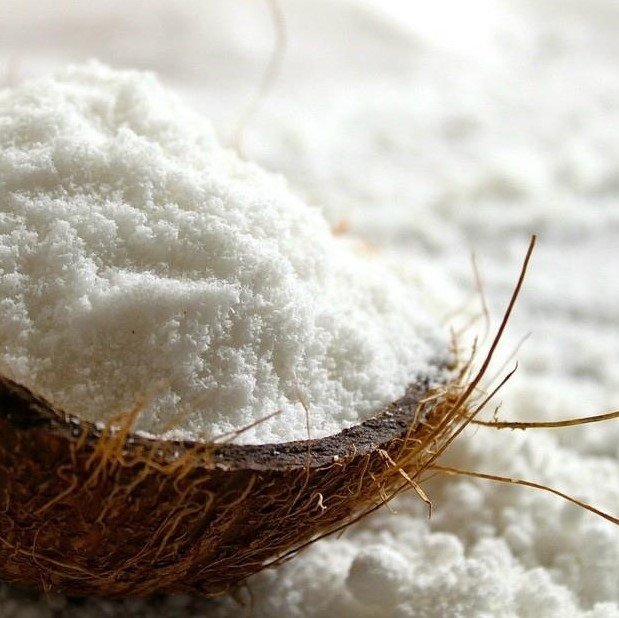
For food manufacturers and distributors globally, securing a reliable supply of Low Fat Desiccated Coconut Wholesale is critical to meeting the rising consumer demand for healthy, low-fat bakery and confectionery ingredients. As a leading agricultural export partner, VIHABA is committed to streamlining your global supply chain by offering premium-grade, direct-from-source agricultural products, including our highly sought-after low fat desiccated coconut wholesale programs. Our dedicated focus on quality control, reliable logistics, and competitive bulk pricing ensures that your production lines operate seamlessly and cost-effectively.
Whether you are formulating gluten-free baked goods, high-fiber breakfast cereals, or low-calorie confectionery items, choosing the right grade and fat percentage of desiccated coconut can significantly impact your product’s texture, shelf-life, and nutritional profile. This comprehensive guide provides B2B buyers, procurement managers, and food scientists with a deep dive into the technical specifications, agricultural manufacturing processes, market pricing trends, and logistical requirements necessary to successfully source low fat desiccated coconut in bulk.
Table of Contents
- 1. Understanding Low Fat Desiccated Coconut (LFDC)
- 2. Why Choose Low Fat Desiccated Coconut Wholesale for Your Business?
- 3. Technical Specifications and Nutritional Profile
- 4. Sourcing and Industrial Processing Excellence
- 5. Sourcing Low Fat Desiccated Coconut Wholesale: Pricing Trends and Market Insights
- 6. Quality Certifications and Global Food Safety Standards
- 7. B2B Logistics, Packaging, and Storage Solutions
- 8. Why Partner with VIHABA for Low Fat Desiccated Coconut Wholesale?
- 9. Frequently Asked Questions (FAQ)
- 10. Conclusion
1. Understanding Low Fat Desiccated Coconut (LFDC)
Desiccated coconut is the shredded, dried, and unsweetened meat of fresh, mature coconuts (Cocos nucifera). While high-fat desiccated coconut retains almost all of the coconut oil naturally present in the kernel (typically 60% to 65% fat content), Low Fat Desiccated Coconut (LFDC) undergoes a controlled mechanical extraction process. This step removes a portion of the coconut milk and oil before the remaining meat is sterilized, shredded, and dried. The resulting product generally features a fat content ranging from 25% to 35%.
By extracting a portion of the oil, the remaining coconut meat becomes highly concentrated in dietary fiber and essential minerals, while retaining its natural aroma, clean white appearance, and delicate flavor. LFDC is characterized by its light, dry texture and is less prone to fast lipid oxidation (rancidity) compared to its high-fat counterpart, making it an incredibly stable and versatile ingredient for global food processing industries.
2. Why Choose Low Fat Desiccated Coconut Wholesale for Your Business?
Sourcing premium Low Fat Desiccated Coconut Wholesale offers extensive nutritional, functional, and economic benefits for modern commercial food enterprises. Below, we examine the primary advantages of integrating this functional ingredient into your product formulations:
Improved Shelf-Life and Oxidative Stability
One of the primary challenges when working with coconut ingredients in bulk storage is rancidity. High-fat coconut products contain high amounts of lauric acid and other saturated fats which, when exposed to heat, light, and oxygen, undergo hydrolytic and oxidative rancidity. Because low fat desiccated coconut has had over half of its fat content mechanically extracted, the rate of fat oxidation is dramatically reduced. This translates to an extended shelf-life of up to 12 to 18 months under optimal warehouse conditions, reducing inventory waste and ensuring product consistency over time.
Ideal for Calorie-Conscious and Health-Focused Products
Modern consumers are highly conscious of their daily caloric and fat intake, actively seeking out light snacks, high-fiber bakery options, and keto-friendly or gluten-free alternatives. Sourcing Low Fat Desiccated Coconut Wholesale allows food manufacturers to reduce the overall fat and calorie density of finished goods without sacrificing the beloved, authentic flavor of real coconut. The high dietary fiber content in LFDC acts as an excellent bulking agent and texture enhancer, making it a perfect addition to protein bars, meal replacement shakes, and healthy cereals.
Superior Functional Performance in Baking and Confectionery
In high-volume baking operations, the moisture absorption capacity of an ingredient is crucial. High-fat coconut can sometimes release oils under thermal processing, altering the spread of cookies or the structure of cakes. Low fat desiccated coconut acts as an exceptional moisture regulator. Its high fiber content absorbs liquid uniformly, helping to maintain structural integrity, improve crumb softness, and retain freshness in baked goods. Furthermore, its light weight makes it an ideal dusting and coating agent for chocolates, visual garnishes, and Turkish delights, as it adheres beautifully to surfaces without clumping.
Cost Efficiency and Freight Savings
From a purely financial perspective, purchasing Low Fat Desiccated Coconut Wholesale represents a significant cost advantage. Because coconut oil is a highly valued commodity on its own, the extraction of coconut milk/oil prior to desiccation offsets the production cost of the raw fiber. Consequently, LFDC is typically more economical per metric ton than high-fat desiccated coconut. Additionally, the lower fat content reduces the overall bulk density and weight of the product, resulting in more cost-effective shipping, handling, and warehousing fees per container load.

3. Technical Specifications and Nutritional Profile
When purchasing agricultural commodities on a global scale, technical transparency is non-negotiable. To ensure your quality assurance (QA) department can evaluate our product with complete confidence, VIHABA maintains strict physical, chemical, and microbiological specifications for our low fat desiccated coconut. Below is the detailed specification sheet for our export-grade product:
| Parameter Group | Specific Test / Attribute | Export Standard / Limit |
|---|---|---|
| Physical Characteristics | Appearance | Natural white, free from yellow specks, mold, or insect infestation |
| Flavor / Odor | Mild, sweet, fresh coconut aroma; free from rancidity or off-flavors | |
| Particle Size (Fine Grade) | 1.0 mm to 2.0 mm (Sieving test: min 90% retention) | |
| Particle Size (Medium Grade) | 2.0 mm to 3.0 mm (Sieving test: min 90% retention) | |
| Chemical Analysis | Moisture Content | Max 3.0% by weight |
| Fat Content | 25% – 35% (Dry basis) | |
| Free Fatty Acids (FFA as Lauric) | Max 0.15% | |
| Sulfur Dioxide (SO2) | Free (Max 10 ppm on request for preserved grade) | |
| Microbiological Specs | Total Plate Count | Max 5,000 cfu/g |
| Yeast and Mold Count | Max 100 cfu/g | |
| Coliforms | Max 10 cfu/g | |
| Escherichia coli | Negative in 1g | |
| Salmonella spp. | Negative in 25g |
Our processing facilities utilize state-of-the-art laboratory testing equipment to run batch analysis on every single lot of low fat desiccated coconut before it departs our warehouses. Certificate of Analysis (CoA) reports are issued for every shipment, providing our global partners with absolute peace of mind regarding compliance, food safety, and specification accuracy.
4. Sourcing and Industrial Processing Excellence
The premium quality of VIHABA’s low fat desiccated coconut begins in the lush, nutrient-rich coastal plains of Southeast Asia, specifically Vietnam’s Ben Tre province, globally recognized as the “capital of coconuts.” The tropical maritime climate, abundant rainfall, and alluvial soil from the Mekong Delta combine to create the absolute perfect growing conditions for the *Cocos nucifera* palm, yielding coconuts with an exceptionally sweet, creamy taste profile and robust nutritional density.
Sustainable Agricultural Cultivation
VIHABA partners closely with local farming cooperatives that practice sustainable, pesticide-free agricultural methods. Our agronomists monitor the health of the coconut groves, ensuring that trees are only harvested at optimal maturity (typically 11 to 12 months). Harvesting mature coconuts is critical; immature nuts lack the developed endosperm (meat) thickness required for high-quality desiccation, while over-mature nuts run the risk of sprouting, which negatively alters the taste and fat stability.
Step-by-Step Clean Industrial Processing
Once harvested, the coconuts are transported immediately to our state-of-the-art processing facility, where they undergo a highly automated and hygienic production sequence designed to maintain maximum freshness:
- Dehusking and Deshelling: The tough outer fibrous husk and the hard inner shell are carefully removed using specialized machinery, leaving the round, brown-skinned coconut seed.
- Paring: Skilled operators remove the thin, brown outer skin (testa) using stainless-steel paring knives, leaving behind only the pure, brilliant white coconut kernel.
- Washing and Sterilization: The white kernels are washed extensively in purified, chlorinated water to eliminate organic debris. They are then subjected to high-temperature steam sterilization (blanching) at 100 degrees Celsius for a specified duration to completely eliminate any surface pathogens, yeasts, molds, or bacteria.
- Disintegration and Fat Extraction: The sterilized white kernels are fed into industrial disintegrators that grind the meat into fine or medium shreds. This wet coconut meal is then passed through a commercial screw press. Under regulated physical pressure, a precise portion of the coconut milk and oil is expressed, effectively reducing the fat content from the initial ~65% down to the target 25% – 35% range.
- Fluidized Bed Drying: The wet, semi-defatted coconut meal is quickly transferred to multi-stage fluidized bed dryers. Clean, hot air heated to precise temperatures (between 70 and 80 degrees Celsius) gently dries the coconut particles, reducing moisture content below the critical 3.0% threshold. This rapid, uniform drying prevents caramelization, ensuring the final product remains brilliantly white and free of yellowing.
- Sieving, Metal Detection, and Packing: The dried product is cooled to ambient temperature and passed through high-precision vibrating sieves to separate it into Fine and Medium particle sizes. It then passes through ultra-sensitive, inline industrial metal detectors before being immediately sealed in protective, multi-layer food-grade packaging.
5. Sourcing Low Fat Desiccated Coconut Wholesale: Pricing Trends and Market Insights
Navigating the global agricultural commodities market requires a clear understanding of the macro-economic and environmental factors that influence prices. When purchasing Low Fat Desiccated Coconut Wholesale, B2B buyers must monitor several critical market drivers to optimize their procurement timing and secure the most competitive rates.
Key Drivers of Global Coconut Prices
The pricing of desiccated coconut is highly dynamic and is primarily influenced by the following factors:
- Weather Patterns and Climatic Events: Coconuts are highly sensitive to extreme weather. Droughts, typhoons, or severe El Nino and La Nina cycles in key producing regions like Vietnam, Indonesia, and the Philippines can drastically impact crop yields, lowering the availability of raw materials and causing short-term price spikes.
- Global Coconut Oil Commodity Value: Because low fat desiccated coconut is a co-product of coconut oil and coconut milk extraction, its pricing is intrinsically linked to global vegetable oil indexes. When global demand for coconut oil rises, processors increase production, which can sometimes lead to a stable or even surplus supply of the low-fat cake, keeping LFDC pricing highly competitive.
- Ocean Freight and Energy Costs: Because desiccated coconut is shipped globally in dry van containers, fluctuations in ocean shipping rates, fuel surcharges, and container availability can heavily impact the Landed Duty Paid (LDP) or CIF price. VIHABA mitigates this risk by maintaining long-term service agreements with leading shipping lines, allowing us to pass freight savings directly to our wholesale partners.
Procurement Best Practices for Wholesale Buyers
To secure consistent pricing and guard against market volatility, we recommend that bulk buyers engage in annual or semi-annual volume contract agreements. Rather than relying solely on spot-market purchasing—which exposes your business to unexpected price increases during seasonal shortages—contracting with a reliable exporter like VIHABA guarantees a stable price floor and ensures a continuous, uninterrupted raw material supply throughout the fiscal year.
6. Quality Certifications and Global Food Safety Standards
For international food manufacturers, chain-of-custody transparency and comprehensive food safety compliance are mandatory. VIHABA strictly adheres to international quality management systems, ensuring our low fat desiccated coconut is safe for direct human consumption and seamless integration into industrial recipes worldwide.
Our manufacturing facilities and processing lines are certified under the following globally recognized standards:
- ISO 22000 & HACCP: These certifications demonstrate our commitment to a systematic, scientific approach to identifying, evaluating, and controlling food safety hazards from raw material receiving to shipment.
- BRCGS (British Retail Consortium Global Standard): This standard verifies that our manufacturing facilities meet rigorous operational controls, hygiene protocols, and product quality management.
- Halal and Kosher Certifications: Our processing plants are audited regularly by Islamic and Jewish dietary authorities to verify that no non-conforming processing aids or animal derivatives are used, opening up your market potential to diverse dietary consumer groups globally.
- SGS Quality Inspections: Prior to port departure, we welcome independent, third-party inspections from world-renowned testing bodies like SGS or Bureau Veritas to verify weight, packaging integrity, and chemical compliance.
7. B2B Logistics, Packaging, and Storage Solutions
Maintaining the structural and chemical integrity of low fat desiccated coconut during long-distance maritime transport requires superior packaging and strict climate control. At VIHABA, we employ advanced shipping protocols designed specifically for delicate agricultural exports.
Standardized Bulk Packaging Options
To prevent moisture absorption, contamination, and physical damage, our standard packaging consists of multi-layer, heavy-duty materials:
- Outer Layer: Multi-wall kraft paper bags designed to withstand high puncture forces and physical handling during container loading/unloading.
- Inner Layer: Food-grade polyethylene (PE) inner liner (typically 50 to 80 microns thick) that is hermetically heat-sealed to completely block humidity, moisture ingress, and ambient odors.
- Net Weight: Offered in standard 25 kg (55.1 lbs) or 50 kg (110.2 lbs) bags. Customized packaging, private labeling (OEM), and jumbo bulk bags (500 kg to 1000 kg) can be arranged on demand for high-volume automated processing plants.
Container Loading and Stowage
We pack our products into clean, dry, and odor-free 20-foot and 40-foot High Cube (HC) ocean containers. A standard 20-foot GP container can accommodate approximately 12 to 13 metric tons of unpalletized desiccated coconut, or 10 metric tons of palletized goods. A 40-foot HC container can comfortably load up to 25 to 26 metric tons. To prevent “container sweat” caused by temperature fluctuations during ocean transit, we utilize advanced desiccated cargo sheets and moisture-absorbing silica gel bags inside every container container load.
Optimal Warehouse Storage Conditions
Upon receiving your shipment, we advise storing the low fat desiccated coconut in a clean, dry, well-ventilated warehouse facility. The ideal storage temperature should be kept below 25 degrees Celsius (77 degrees Fahrenheit) with a relative humidity (RH) of less than 60%. The product must be kept away from direct sunlight, off the floor on clean pallets, and completely isolated from strong-smelling substances (such as spices, chemicals, or coffee beans) to prevent cross-contamination of flavor.
8. Why Partner with VIHABA for Low Fat Desiccated Coconut Wholesale?
As the international trade landscape becomes increasingly complex, working with a highly professional, transparent, and direct agricultural exporter is vital to maintaining your business’s competitive edge. Here is why global food brands trust VIHABA for their bulk coconut requirements:
Why Partner with VIHABA for Low Fat Desiccated Coconut Wholesale?
First and foremost, VIHABA acts as a direct link between the farm gate and your factory door. By operating our own sourcing channels and partner processing facilities in Vietnam, we eliminate unnecessary middlemen, allowing us to pass significant cost savings directly to you. We maintain total traceability, meaning we can trace every single bag of low fat desiccated coconut back to the specific cooperative and harvesting cycle it originated from.
Furthermore, our dedicated multi-lingual customer support team, experienced export logistics coordinators, and robust quality assurance personnel are available 24/7 to manage your order, navigate customs procedures, and ensure that your goods arrive on time, in perfect condition, and with all necessary import/export documentation. We understand that in the B2B world, reliability is just as important as price, and we strive to build long-term, mutually beneficial partnerships with every client we serve.
9. Conclusion
Sourcing premium-grade, reliable ingredients is the cornerstone of any successful food manufacturing business. Choosing Low Fat Desiccated Coconut Wholesale from VIHABA guarantees that your company receives a superior, sustainably sourced ingredient that satisfies stringent food safety regulations. From our carefully harvested coconuts in Vietnam’s fertile Ben Tre province to our state-of-the-art processing, rigorous laboratory testing, and professional logistics, we ensure that every batch meets the highest standards of physical, chemical, and microbiological purity.
Ready to optimize your supply chain, elevate your product quality, and benefit from competitive direct-from-source pricing? Contact the B2B export specialists at VIHABA today to request physical samples, discuss your custom specifications, and receive a comprehensive, obligation-free wholesale quote for your upcoming production cycles.
Low Fat Desiccated Coconut Wholesale FAQ
Disclaimer: Unless otherwise stated, the images used in this article are the property of their respective owners. We do not claim ownership of any third-party images featured, and they are used here strictly for informational and educational purposes. If you are the copyright holder and wish to have an image removed, please contact us.