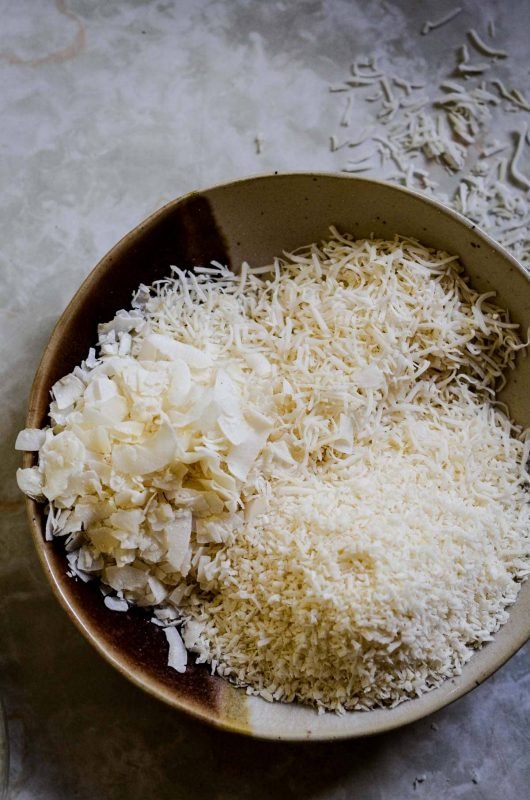
Developing an efficient High Fat Desiccated Coconut Distribute Channel is essential for international food manufacturers, confectionery brands, and wholesale importers seeking premium-grade ingredients. As global food trends shift toward natural, clean-label, and plant-based alternatives, desiccated coconut has transformed from a simple baking ingredient into a highly functional commodity. Ensuring a steady, high-quality supply requires deep market intelligence, robust agricultural partnerships, and rigorous adherence to international food safety regulations.
At VIHABA, we understand that supply chain stability is the foundation of B2B success. This comprehensive guide details the global market landscape, processing methodologies, strict export standards, and strategic logistical insights necessary to optimize your supply network.
Table of Contents
- The Global Dynamics of the High Fat Desiccated Coconut Distribute Channel
- Vietnam’s Cultivation Regions and Terroir
- Processing Standards and Quality Assurance
- Technical Specifications and Grading Systems
- Packaging, Logistics, and Supply Chain Integrity
- Frequently Asked Questions (FAQ)
- Conclusion: Partnering with VIHABA
The Global Dynamics of the High Fat Desiccated Coconut Distribute Channel
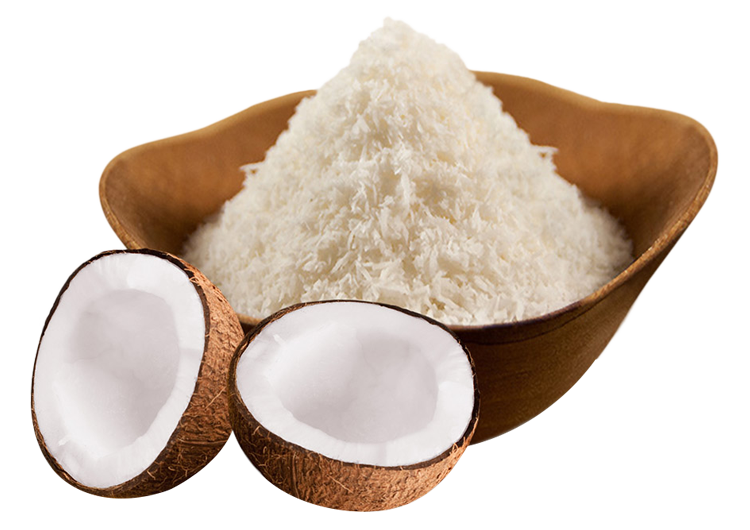
The global trade of desiccated coconut is expanding rapidly, driven by the growth of the bakery, confectionery, dairy, and snack sectors. Industrial buyers heavily prioritize high-fat desiccated coconut due to its rich organoleptic properties, sweet aroma, and excellent moisture retention capacities. With a fat content exceeding 65%, this ingredient provides the critical texture and flavor profile that low-fat alternatives simply cannot replicate.
However, securing a reliable supply demands a sophisticated and transparent High Fat Desiccated Coconut Distribute Channel. Importers often face challenges such as price volatility, seasonal crop fluctuations, and shipping delays. By working with direct exporters who maintain close relationships with farming cooperatives, global buyers can mitigate these risks, lock in competitive pricing, and ensure a continuous flow of raw materials for their manufacturing lines.
Furthermore, consumer consciousness regarding sustainable and ethical sourcing has placed pressure on B2B supply chains. Today’s global brands do not just buy ingredients; they purchase traceably sourced components that respect fair labor standards and sustainable agricultural practices. A well-designed distribution channel addresses these compliance demands by providing certified organic options, full batch traceability, and audited processing facilities.
Sourcing Excellence: Cultivation Regions in Vietnam
Vietnam stands as one of the world’s leading coconut producers, with the Mekong Delta region acting as the heart of its cultivation. Within the Mekong Delta, Ben Tre province is globally renowned for its vast coconut groves, thriving under ideal tropical conditions. The unique combination of year-round high temperatures, high humidity, and fertile alluvial soil deposited by the Mekong River creates a terroir that is perfect for growing coconuts with exceptional oil content.
For international buyers looking to establish a resilient High Fat Desiccated Coconut Distribute Channel, sourcing from Vietnam offers exceptional strategic advantages. Vietnamese agricultural practices have modernized rapidly. Farmers now incorporate organic fertilization, precise water management, and biological pest control to optimize yield and quality. These advancements guarantee a high-grade harvest that meets the strict chemical and microbial standards of highly regulated markets like the European Union, the United States, and Japan.
Processing Methods and Quality Standards in the High Fat Desiccated Coconut Distribute Channel
The transition from raw coconut to premium desiccated powder is a highly controlled process that bridges agricultural craftsmanship and industrial technology. Once harvested at peak maturity (usually 11 to 12 months), the coconuts are transported to modern processing facilities where they undergo rigorous inspection. The initial processing steps involve removing the outer husk, de-shelling, and carefully paring away the brown testa to reveal the pure white coconut meat.
This white meat is immediately washed in treated water and subjected to high-temperature steam sterilization. This sterilization phase is crucial, as it eliminates harmful pathogens like Salmonella and E. coli while keeping the natural fat structure intact. After sterilization, the meat is ground or shredded into specific cut sizes using automated milling machinery. To gain deeper operational insights into bulk procurement, sourcing strategies, and factory audits, buyers can consult our comprehensive High Fat Desiccated Coconut Bulk B2B Guide.
Once shredded, the coconut enters fluidized bed dryers where temperatures are calibrated to reduce moisture content below 3.0% without scorching the product. Scorching or overheating must be avoided, as it degrades the natural fats and leads to off-flavors or yellowing. The dried product is then cooled, sifted to ensure uniform size distribution, and passed through advanced metal detectors and optical sorters to remove any foreign matter before final packaging.

Technical Specifications and Grading Systems
Industrial buyers require precise physical and chemical specifications to ensure consistency in their final food formulations. High-fat desiccated coconut is generally categorized into Fine, Medium, and Flake grades, determined by the particle size distribution. The table below outlines the definitive physical, chemical, and microbiological specifications for premium-grade high-fat desiccated coconut:
| Quality Parameter | Fine Grade Specification | Medium Grade Specification |
|---|---|---|
| Fat Content (%) | Min 65% (dry basis) | Min 65% (dry basis) |
| Moisture Content (%) | Max 3.0% | Max 3.0% |
| Free Fatty Acids (FFA) | Max 0.3% (as Lauric Acid) | Max 0.3% (as Lauric Acid) |
| SO2 (Sulfur Dioxide) | Max 100 ppm (or SO2-Free upon request) | Max 100 ppm (or SO2-Free upon request) |
| Physical Appearance | Fine, free-flowing granular powder | Thread-like, uniform medium particles |
| Color | Natural, brilliant white | Natural, brilliant white |
| Microbiology – Salmonella | Negative in 25g | Negative in 25g |
| Microbiology – E. coli | Negative in 1g | Negative in 1g |
Packaging, Logistics, and Supply Chain Integrity
Due to its high fat and oil content, desiccated coconut is highly sensitive to environmental factors such as oxygen, ambient moisture, heat, and strong odors. Exposure to moisture can trigger mold growth, while exposure to heat and oxygen accelerates lipid oxidation, leading to rancidity and off-flavors. Therefore, secure packaging and strict shipping conditions are non-negotiable for preserving product quality across long transit times.
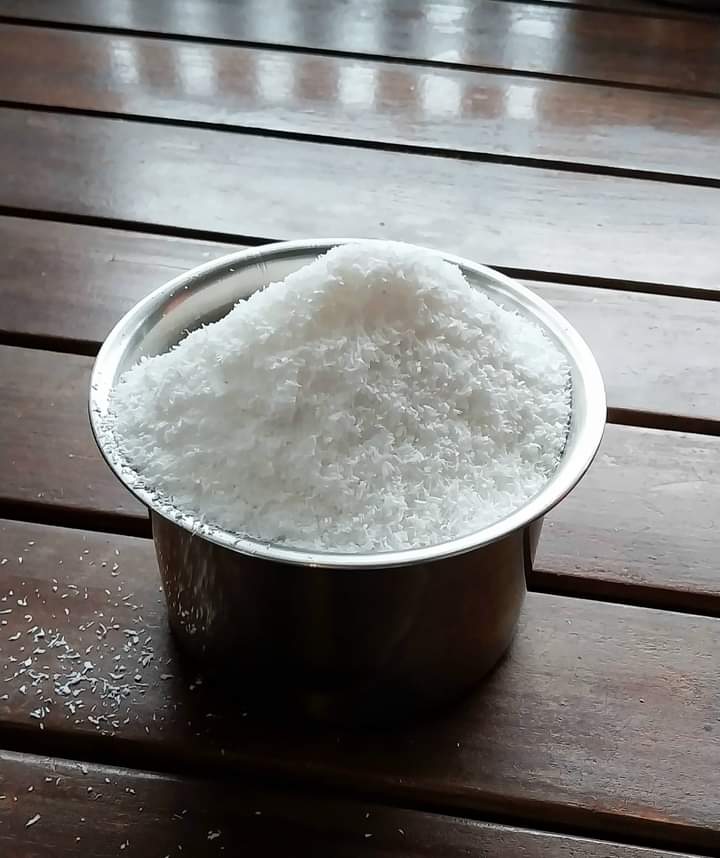
Our standard export packaging consists of multi-wall, heavy-duty kraft paper bags with an inner heat-sealed polyethylene (PE) liner. This multi-layered barrier protects the product against moisture absorption, oxygen exposure, and physical damage. Standard bag weights are 25 kg or 50 kg, designed for efficient manual handling and palletization. For high-volume manufacturing facilities, we also offer jumbo bulk bags (500 kg to 1,000 kg) fitted with protective barrier liners to streamline industrial unloading systems.
From a logistics perspective, ocean shipments are closely monitored. We use clean, dry, and odor-free containers. Our logistics teams place desiccant bags within the shipping containers to prevent condensation (“container rain”) caused by temperature fluctuations during maritime transport. Every shipment is fully traceable, accompanied by critical export documentation including Phytosanitary Certificates, Certificates of Origin, BRCGS/ISO compliance audits, and detailed analytical test reports (COA).
Conclusion: Choosing VIHABA as Your Partner in the High Fat Desiccated Coconut Distribute Channel
Establishing a resilient, transparent, and quality-consistent High Fat Desiccated Coconut Distribute Channel is essential for securing your competitive advantage in the global food processing industry. By controlling every variable from farm cultivation in Vietnam’s fertile Ben Tre province to strict manufacturing protocols and optimized maritime logistics, VIHABA guarantees an uninterrupted supply of premium-grade ingredients.
As a seasoned exporter of Vietnamese agricultural commodities, VIHABA prides itself on deep market expertise, supply chain transparency, and client-centric solutions. We are dedicated to helping our B2B clients streamline their procurement processes, reduce costs, and maintain the highest levels of quality. Contact the VIHABA export team today to request samples, discuss custom specifications, and obtain competitive bulk pricing tailored to your production schedule.
High Fat Desiccated Coconut Distribute Channel FAQ
Disclaimer: Unless otherwise stated, the images used in this article are the property of their respective owners. We do not claim ownership of any third-party images featured, and they are used here strictly for informational and educational purposes. If you are the copyright holder and wish to have an image removed, please contact us.