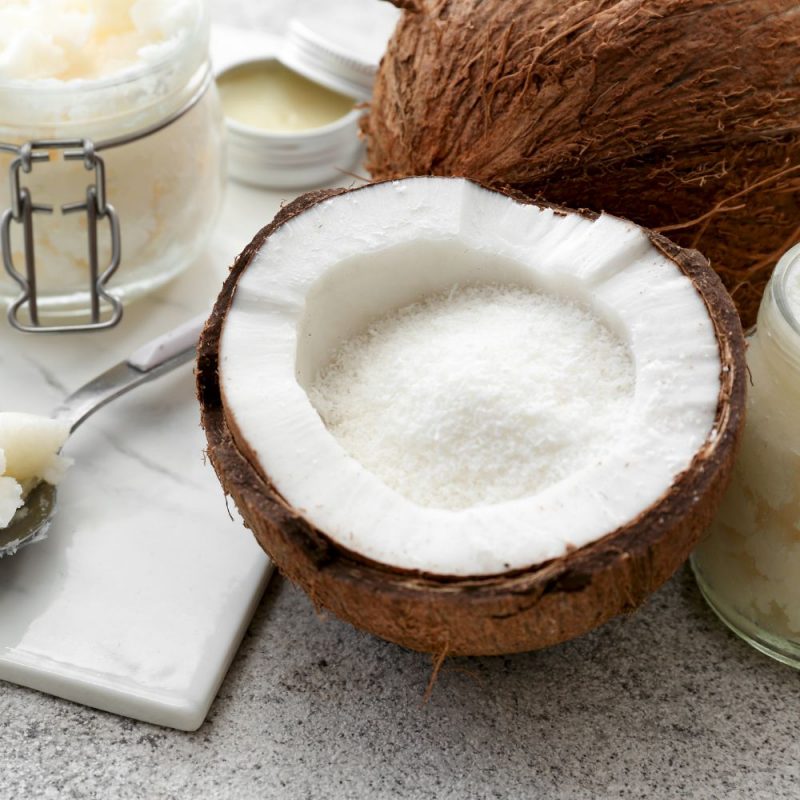
As global food manufacturing shifts toward clean-label ingredients, sourcing high-quality Organic Desiccated Coconut Special SKUs has become a strategic priority for B2B buyers, confectionery brands, and large-scale bakery networks worldwide. Consumers are no longer satisfied with standard ingredients; they demand organic certification, complete traceability, and tailored physical specifications that match their unique product formulations. For global importers searching for reliable suppliers, exploring certified Organic Desiccated Coconut Special SKUs from direct manufacturers ensures product integrity, premium taste, and stable supply chain logistics.
This comprehensive guide explores the global market dynamics, the unique agronomic advantages of Vietnamese coconut cultivation, technical processing steps, quality control standards, and the logistical frameworks necessary to import these premium agricultural products successfully.
Table of Contents
- Global Market Overview for Organic Desiccated Coconut Special SKUs
- Sourcing Premium Organic Desiccated Coconut Special SKUs from Vietnam
- Manufacturing and Processing of Organic Desiccated Coconut Special SKUs
- Quality Assurance, Technical Specifications, and Grading Standards
- Packaging and Logistics for International Export
- Why Partner with VIHABA for Organic Desiccated Coconut Special SKUs
- Frequently Asked Questions (FAQs)
- Conclusion

Global Market Overview for Organic Desiccated Coconut Special SKUs
The global demand for organic coconut derivatives has experienced exponential growth over the past decade. Driven by the global shift toward plant-based diets, vegan lifestyles, gluten-free formulations, and clean-label confectionery, industrial food buyers are actively seeking premium suppliers. Conventional desiccated coconut, while widely available, often falls short of the stringent pesticide-free and chemical-free requirements of premium organic brands in North America, Europe, and the Asia-Pacific region.
Within this market, Organic Desiccated Coconut Special SKUs represent the highest echelon of quality. These are not general-purpose ingredients; rather, they are highly customized cuts, fat levels, and moisture profiles engineered for specific culinary and industrial applications. From extra-fine powder used in gluten-free baking to toasted flakes designed for gourmet snack mixes, these specialized SKUs offer food scientists and product developers the exact texture, mouthfeel, and shelf stability required for high-end consumer packaged goods (CPG).
Sourcing Trends and B2B Demand Shifts
Industrial food processors are increasingly moving away from multi-layered broker networks to secure direct-from-source contracts. By sourcing direct, brands can bypass intermediaries, lower transaction costs, and establish deep traceability back to the individual farm cooperatives. Organic Desiccated Coconut Special SKUs are highly sensitive to moisture absorption and microbial activity, making a shortened, transparent supply chain vital for maintaining food safety and fresh flavor profiles upon arrival at destination ports.
Sourcing Premium Organic Desiccated Coconut Special SKUs from Vietnam
Vietnam has rapidly emerged as a dominant powerhouse in the global agricultural export arena, particularly within the coconut sector. Sourcing Organic Desiccated Coconut Special SKUs from Vietnam provides international buyers with a distinct combination of exceptional raw material quality, advanced processing facilities, and favorable trade terms.
The epicenter of Vietnamese coconut production is Ben Tre Province, located in the fertile Mekong Delta. The unique geography of this region—characterized by rich alluvial soil, abundant freshwater irrigation, and a stable tropical climate—creates the ideal environment for growing coconuts with high natural oil content and a sweet, mild flavor profile. Coconuts cultivated in Ben Tre exhibit a dense, thick kernel (meat) that is exceptionally well-suited for processing into various specialty cuts without excessive crumbling or oil separation.
Sustainable Agriculture and Farmer Partnerships
To produce truly organic desiccated coconut, Vietnamese agricultural cooperatives work hand-in-hand with local smallholder farmers to convert traditional groves into certified organic farmlands. This transformation involves strict adherence to USDA Organic, EU Organic, and JAS standards, which prohibit the use of synthetic chemical fertilizers, chemical pesticides, and genetically modified organisms (GMOs). Soil health is preserved using natural composts and intercropping methods, which not only yields a superior agricultural product but also protects the local ecosystem and provides fair, stable pricing for farming families.

Manufacturing and Processing of Organic Desiccated Coconut Special SKUs
The transition from a raw, freshly harvested coconut to high-quality Organic Desiccated Coconut Special SKUs involves a highly controlled, multi-stage manufacturing process. In order to maintain organic integrity, processing lines are thoroughly sanitized, and organic batches are strictly isolated from conventional processing runs to prevent cross-contamination.
1. De-husking and Deshelling
Fresh coconuts are harvested at optimal maturity (typically 11 to 12 months) when the fat content is at its peak. The fibrous outer husk is removed, followed by the careful removal of the hard inner shell. This step is largely done manually by skilled operators to ensure the kernel remains intact and free from contamination by shell fragments.
2. Paring (Removal of the Brown Testa)
The thin, brown outer skin (testa) of the coconut meat is pared away using specialized knives. This paring process must be meticulous; any remaining brown spots will lower the visual grade of the desiccated coconut. For special SKUs, extreme care is taken to ensure only the pure, snow-white inner meat is forwarded to the washing and blanching stage.
3. Washing and Sterilization
The white coconut meat is thoroughly washed in pure, filtered water to remove any residual coconut water or natural sugars. It is then subjected to a critical blanching process using high-temperature steam. This thermal pasteurization step destroys any potential foodborne pathogens, including Salmonella and E. coli, ensuring the product meets international microbiological safety standards.
4. Milling and Customized Cutting
This is where standard desiccated coconut diverges into specialized SKUs. Depending on the buyer’s precise requirements, the sterilized meat is routed to different high-precision cutting machines. Special SKUs can include:
- Fine Grade: Small, granular particles ideal for biscuits, cake fillings, and chocolate coatings.
- Medium Grade: Slightly larger, thread-like particles commonly used in macaroons, energy bars, and muesli.
- Flakes and Chips: Larger, flat, thin cuts that provide a distinct crunch and high-end visual appeal for retail granola packaging and snack mixes.
- Fancy Shreds and Threads: Elegant, long cuts preferred by premium bakeries and gourmet foodservice companies.
- Toasted SKUs: Controlled roasting lines apply gentle heat to create toasted variations with a golden hue and enhanced nutty aroma.
5. Drying and Moisture Regulation
The wet, shredded coconut is passed through continuous fluid-bed dryers. The temperature is regulated carefully to dry the coconut to a moisture content below 3.0%. Over-drying can scorch the coconut and cause oil leakage, while under-drying increases the risk of microbial spoilage and rancidity during transit. Once dried, the product is cooled rapidly to preserve its natural flavor and prevent thermal degradation.
Quality Assurance, Technical Specifications, and Grading Standards
Industrial food manufacturers require absolute consistency from batch to batch. For Organic Desiccated Coconut Special SKUs, every production run is subjected to rigorous testing against physical, chemical, and microbiological parameters. The following specification table outlines the typical high-grade parameters for these premium ingredients:
| Parameter | Fine Grade SKU Specifications | Medium Grade SKU Specifications | Flakes & Chips SKU Specifications |
|---|---|---|---|
| Moisture Content | Max 3.0% | Max 3.0% | Max 3.5% |
| Total Fat Content | Min 65% (High Fat) | Min 65% (High Fat) | Min 63% (High Fat) |
| Free Fatty Acids (FFA) | Max 0.3% (as Lauric Acid) | Max 0.3% (as Lauric Acid) | Max 0.3% (as Lauric Acid) |
| Sulfur Dioxide (SO2) | Free (0 ppm – No Sulfites) | Free (0 ppm – No Sulfites) | Free (0 ppm – No Sulfites) |
| Physical Color | Natural Clean White | Natural Clean White | Natural Clean White / Golden (if Toasted) |
| Salmonella | Negative per 25g | Negative per 25g | Negative per 25g |
| E. coli | Negative per 10g | Negative per 10g | Negative per 10g |
In addition to physical and chemical parameters, international buyers require comprehensive documentation. Top exporters of organic coconut products maintain internationally recognized food safety and organic certifications, including BRCGS, IFS Food, ISO 22000, HACCP, Halal, Kosher, USDA Organic, and EU Organic certifications.
Packaging and Logistics for International Export
Protecting the delicate sensory qualities of Organic Desiccated Coconut Special SKUs during long ocean voyages is a major operational challenge. Coconut fat is highly susceptible to absorbing off-odors and moisture from the environment, and exposure to oxygen can trigger oxidative rancidity. Consequently, packaging must act as a total barrier against external contaminants.
Standard B2B Packaging Formats
Most bulk international orders are packed in multi-wall, food-grade kraft paper bags with a heavy-duty inner polyethylene (PE) liner. The standard weight configurations are 25 kg or 50 lbs per bag. For high-volume manufacturing facilities, bulk super sacks (tote bags) weighing 500 kg to 1,000 kg are also available, equipped with specialized discharge spouts to integrate seamlessly with automated processing machinery.
Container Loading and Transit Conditions
Exporters must ensure that shipping containers are clean, dry, and completely free from any residual odors from previous cargoes (such as spices or chemicals). Desiccant bags are placed strategically inside the container to manage humidity levels during transit across varying climate zones. It is highly recommended to store and transport these organic SKUs in cool, dry conditions away from direct sunlight and heat sources, preserving the delicate, creamy flavor of the coconut until it reaches its final destination.
Why Partner with VIHABA for Organic Desiccated Coconut Special SKUs
Sourcing premium agricultural commodities requires more than just finding a supplier; it requires a strategic partnership built on transparency, consistency, and exceptional operational capabilities. VIHABA has positioned itself as a premier Vietnamese exporter, specializing in supplying tailored B2B solutions for global markets.
By choosing VIHABA for your Organic Desiccated Coconut Special SKUs, you gain several distinct advantages:
- Direct Sourcing: We work closely with organic farmers and modern, certified processing plants in Ben Tre, Vietnam. This direct relationship cuts unnecessary costs and provides full, verifiable traceability from the organic farm to your factory floor.
- Custom Product Customization: We understand that a one-size-fits-all approach does not work for advanced food manufacturers. We offer highly customized SKUs, including specific cuts, tailored moisture levels, fat percentages, and physical shapes to match your precise product formulations.
- Rigorous Quality Control: Our products undergo stringent testing at every stage of the supply chain. We guarantee that our organic coconut products are completely sulfite-free, non-GMO, and meet the strict microbiological standards of the EU and US markets.
- End-to-End Logistical Support: Our dedicated export team manages all aspects of international trade, including custom packaging, phytosanitary certificates, origin declarations, and ocean freight logistics, ensuring a smooth customs clearance process.
Conclusion
In conclusion, procuring premium Organic Desiccated Coconut Special SKUs is not merely about finding a food ingredient; it is about building a sustainable partnership with a manufacturer that understands quality, traceability, and operational excellence. From the rich soils of Ben Tre Province to the advanced cutting, drying, and packaging facilities, Vietnam offers some of the finest coconut products in the world. By partnering with a dedicated exporter like VIHABA, global buyers can secure consistent, certified, and customized organic desiccated coconut that elevates their final products and satisfies the growing consumer demand for clean-label, high-quality ingredients.
Organic Desiccated Coconut Special SKUs FAQ
Disclaimer: Unless otherwise stated, the images used in this article are the property of their respective owners. We do not claim ownership of any third-party images featured, and they are used here strictly for informational and educational purposes. If you are the copyright holder and wish to have an image removed, please contact us.