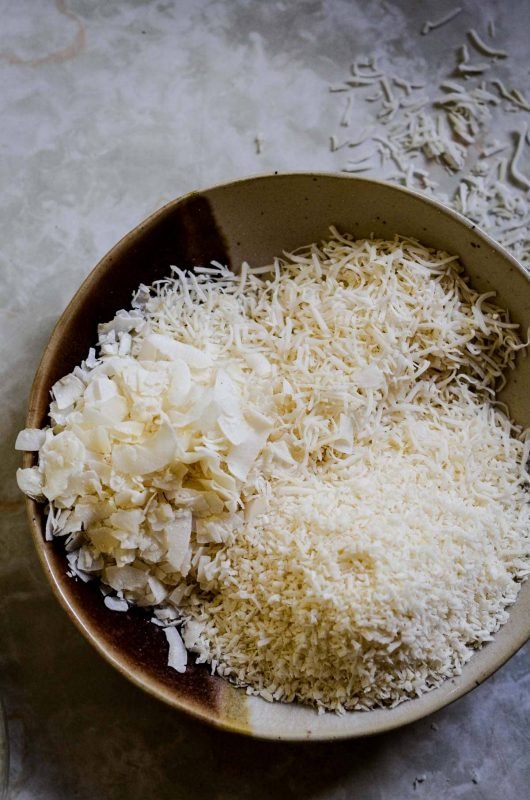
Optimizing supply chain logistics is essential to building a profitable B2B ingredient business. For food manufacturers, wholesale ingredient distributors, and import-export trading houses, understanding the Flake Desiccated Coconut Distribute Channel network ensures seamless procurement, eliminates port customs bottlenecks, and secures optimal landed costs per metric ton.
Because primary coconut processing is concentrated in tropical agricultural regions across Southeast Asia and South Asia, finished coconut flakes must move through a structured export distribution ecosystem to reach industrial end-users globally. This guide analyzes channel structures, supplier dynamics, ocean freight mechanics, and customs compliance protocols.
Table of Contents
-
Ocean Freight Logistics, Container Payload, and Port Handling
-
Customs Clearance, Phytosanitary Protocols, and Documentation

1. Structure of the Global Coconut Flake Distribution Network
The global trade network for flake desiccated coconut operates through an integrated supply chain connecting primary coconut plantations, processing mills, international trading entities, and regional industrial distributors:
[Coconut Processing Mills (Philippines, Indonesia, Vietnam, Sri Lanka)]
       │
       ├──► Primary Industrial Buyers (Multinational Food & Snack Brands)
       └──► Export Ingredient Consolidators / Trading Houses
              │
              ├──► Regional Ingredient Wholesalers & Distributors
              ├──► Industrial Food Processors (Bakeries, Cereal Mills)
              └──► Private-Label Retail Snack Repackagers
Understanding this network architecture allows procurement managers to identify cost-saving sourcing nodes and mitigate transit delay risks during regional harvest fluctuations. Importers can review origin options in our guide on Flake Desiccated Coconut Sourcing.
2. Direct Mill Sourcing vs. FMCG Ingredient Consolidators
Commercial buyers must evaluate whether to establish direct contracts with processing mills or source through master ingredient consolidators based on annual volume requirements and inventory flexibility:
| Channel Parameter | Direct Coconut Processing Mill | FMCG Ingredient Consolidator |
| Minimum Order Quantity | High (Multi-FCL Annual Contracts) | Flexible (1x20ft or 1x40ft FCL) |
| SKU Flexibility | Single Cut / Single Origin Focus | Mixed Cuts (Flakes + Fine + Toasted) & Multi-Product FCL |
| Order Processing Lead Time | 30 to 45 Business Days | 10 to 20 Business Days |
| Customs Support | Standard Factory Invoicing | Complete Export Suite (Phytosanitary, CoA, COO) |
3. Commercial End-User Channels and Market Application
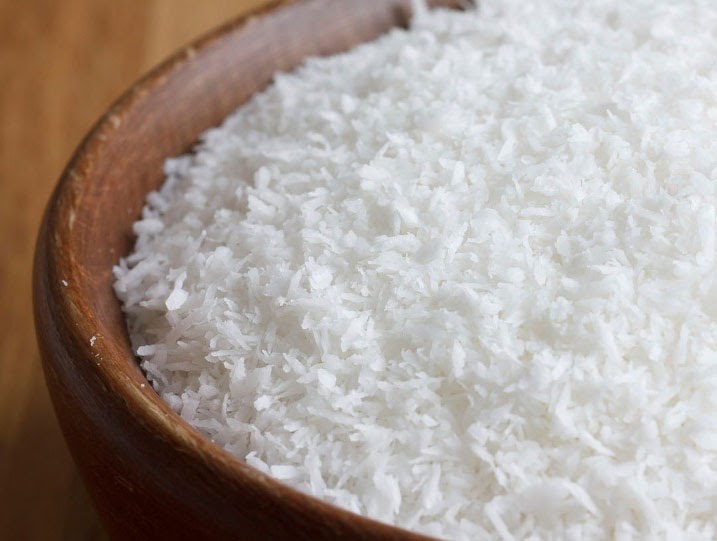
To maximize inventory velocity and gross margins within the Flake Desiccated Coconut Distribute Channel, importers should align cut sizes and packaging formats with specific commercial buyer segments:
-
Industrial Cereal & Granola Manufacturers: Standard White Flakes in 25 kg PE-lined bags for bulk automated mixing.
-
Commercial Bakery & Confectionery Channels: Medium Flakes and Fancy Shreds for visual cake, pastry, and donut toppings.
-
Retail Snack Repackagers & Trail Mix Packers: Toasted Coconut Chips and Organic Wide Flakes in 10 kg cartons for private-label retail pouching.
To evaluate technical specifications for these end-users, examine our guide on Flake Desiccated Coconut Special SKUs.
4. Ocean Freight Logistics, Container Payload, and Port Handling
Flake desiccated coconut is a volumetric cargo that requires careful container space management:
-
20ft FCL Capacity: Accommodates ~4.5 to 6.0 Metric Tons of wide flakes packed in 10 kg cartons, or ~10.0 Metric Tons of standard flakes in 25 kg bags.
-
40ft High Cube (HC) FCL Capacity: Accommodates ~9.5 to 12.5 Metric Tons of wide flakes in cartons, or ~21.0 to 22.5 Metric Tons of standard flakes in bags.
-
Moisture Protection Strategy: Ocean containers must be lined with thermal insulation blankets and equipped with heavy-duty calcium chloride desiccant poles to prevent container condensation (“container sweat”) when crossing tropical maritime routes:
Maritime Lead Times and Transit Dynamics
Navigating ocean freight logistics requires factoring in maritime transit windows from primary Asian loading ports (such as Manila, Tanjung Priok, Ho Chi Minh, or Colombo) to major discharge hubs worldwide. Transit times to European ports (such as Rotterdam, Hamburg, or Felixstowe) typically average 28 to 38 days, while transit to US West Coast ports (Los Angeles, Long Beach) spans 18 to 24 days.
Importers should build a 60-day safety stock buffer into their inventory management systems to account for potential vessel blank sailings, port congestion, or seasonal weather disruptions during Southeast Asian monsoon seasons.
5. Customs Clearance, Phytosanitary Protocols, and Documentation
Smooth import customs clearance requires securing a complete, error-free documentation suite from your export partner prior to vessel arrival:
-
Commercial Invoice & Packing List: Detailing exact SKU descriptions, net/gross weights, batch/lot numbers, and Harmonized System codes (HS 0801.11.00).
-
Phytosanitary Certificate: A legally required agricultural document issued by the government plant health authority of the exporting nation verifying freedom from plant pests and diseases.
-
Certificate of Analysis (CoA): Issued by an accredited laboratory certifying microbiological safety, moisture levels (3.0% or less), and Free Fatty Acid levels (0.15% or less).
-
Certificate of Origin (COO): Validating manufacturing origin (e.g., ASEAN Form E, Form D, or GSP) to claim preferential reduced import tariff treatment.
Managing Border Quarantine Holds and Container Demurrage
Border health agencies (such as US Customs and Border Protection, US FDA, or European Customs Authorities) enforce strict quarantine procedures for imported agricultural tree nut commodities. If documentation errors or missing test reports occur, customs officials will issue an entry hold, placing the container in port quarantine.
Unresolved documentation holds can lead to severe port demurrage and container detention fees, which can quickly erode profit margins. Working with experienced export consolidators who pre-clear all paperwork and verify Prior Notice filings before the vessel docks ensures rapid customs release and seamless inland truck dispatch.
7. Streamline Your Coconut Flake Supply Chain
Mastering the Flake Desiccated Coconut Distribute Channel network guarantees reliable inventory flow, lowered ocean freight overheads, and competitive landed costs per metric ton.
Our logistics specialists coordinate every phase of the transport cycle—from mill origin loading and thermal container lining to freight forwarding and customs pre-clearance. Contact our commercial trade sales team today to request wholesale pricing, discuss container allocations, and build your custom supply contract.
Flake Coconut Supply Chain & Logistics FAQ
Disclaimer: Unless otherwise stated, the images used in this article are the property of their respective owners. We do not claim ownership of any third-party images featured, and they are used here strictly for informational and educational purposes. If you are the copyright holder and wish to have an image removed, please contact us.