Sourcing Organic Cinnamon Bark Supply inventory provides international organic food manufacturers, certified spice processors, nutraceutical formulators, premium tea houses, and clean-label retail packagers with an unadulterated, chemical-free aromatic commodity. Cultivated without synthetic pesticides, chemical fertilizers, or genetically modified organisms (GMOs), certified organic cinnamon bark represents a high-value sector in the global spice trade.
For procurement directors, commercial buyers, and supply chain managers at VHB Group, procuring full container load (FCL) consignments of wholesale organic cinnamon bark requires navigating strict regulatory and operational parameters. Procurement teams must verify USDA Organic and EU Organic transaction certificates (TC), manage steam-sterilization pathogen controls, select high-barrier protective packaging, and maintain 100% physical segregation to prevent cross-contamination. This technical guide evaluates the operational, chemical, and logistical frameworks necessary to build a resilient organic supply chain.
Table of Contents
-
Global Market Demand for Certified Organic Spices
-
Organic Farming Agronomy: Zero Pesticides and Composting Science
-
Physical Quality Standards, Volatile Oil, and Purity Metrics
-
Packaging Configurations and Ocean Container Payload Economics
-
Organic Transaction Certificates (TC) and Import Compliance
-
Frequently Asked Questions (FAQ)
1. Global Market Demand for Certified Organic Spices
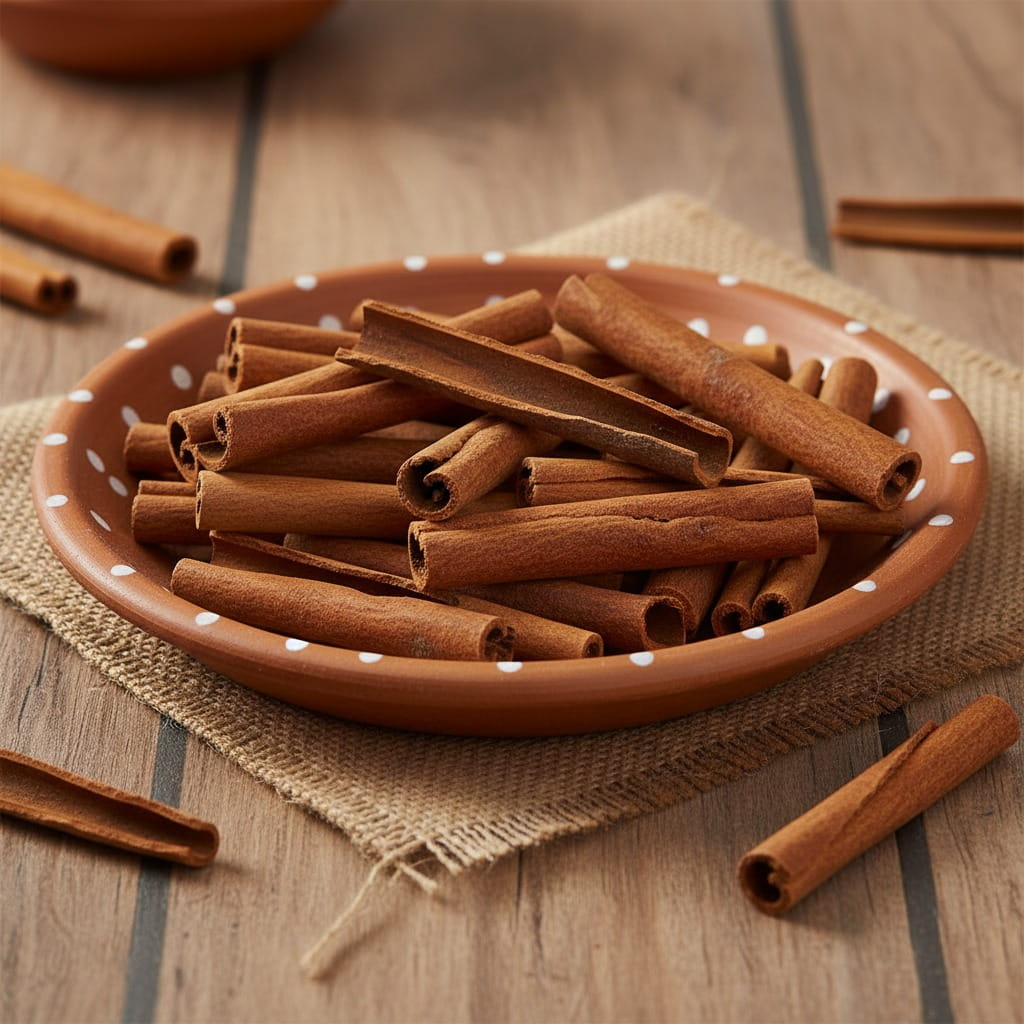
The global market for certified organic spices continues to experience rapid expansion, driven by consumer demand for clean-label food products, sustainable agricultural practices, and verified pesticide-free ingredients. Organic cinnamon bark occupies a leading position within this category:
Clean-Label Food Processing and Organic Bakery
Organic food manufacturers utilize certified organic cinnamon bark and powder in organic breakfast cereals, baby foods, bakery items, snack bars, and dairy-free plant beverages. Food safety regulations in North America and Europe enforce strict zero-tolerance residue limits for synthetic pesticides in organic-labeled finished foods.
Certified Organic Tea Blending and Beverages
Organic tea companies incorporate cut organic cinnamon quills and chips into certified organic chai teas, herbal infusions, and wellness beverages.
Organic Nutraceuticals and Dietary Supplements
Nutraceutical manufacturers process organic cinnamon bark into dietary supplement capsules, liquid tinctures, and functional health powders targeting natural blood sugar regulation and metabolic wellness.
2. Organic Farming Agronomy: Zero Pesticides and Composting Science
Certified organic cinnamon (Cinnamomum) is cultivated under strict sustainable agronomic protocols governed by international organic standards (such as USDA NOP and EU Regulation 2018/848).
[Organic Soil Preparation] ──► Natural Organic Composting & Bio-Char Addition
                                      │
                                      ▼
[Zero Synthetic Chemicals] ──► Biological Pest Control & Intercropping
                                      │
                                      ▼
[Pristine Harvest & Clean Processing] ──► 100% Chemical-Free Organic Cinnamon Bark
-
Soil Health and Composting: Organic farms utilize natural compost, manure, and green cover crops to enrich soil potassium (K) and nitrogen (N) naturally, avoiding synthetic chemical fertilizers.
-
Biological Pest Management: Farmers manage agricultural pests using natural botanical sprays (such as neem oil solutions) and beneficial insect encouragement, strictly prohibiting synthetic organophosphate insecticides.
-
Buffer Zone Isolation: Organic cinnamon plantations maintain minimum 10-meter physical buffer zones separating organic plots from conventional farmland to prevent pesticide drift.
3. Physical Quality Standards, Volatile Oil, and Purity Metrics
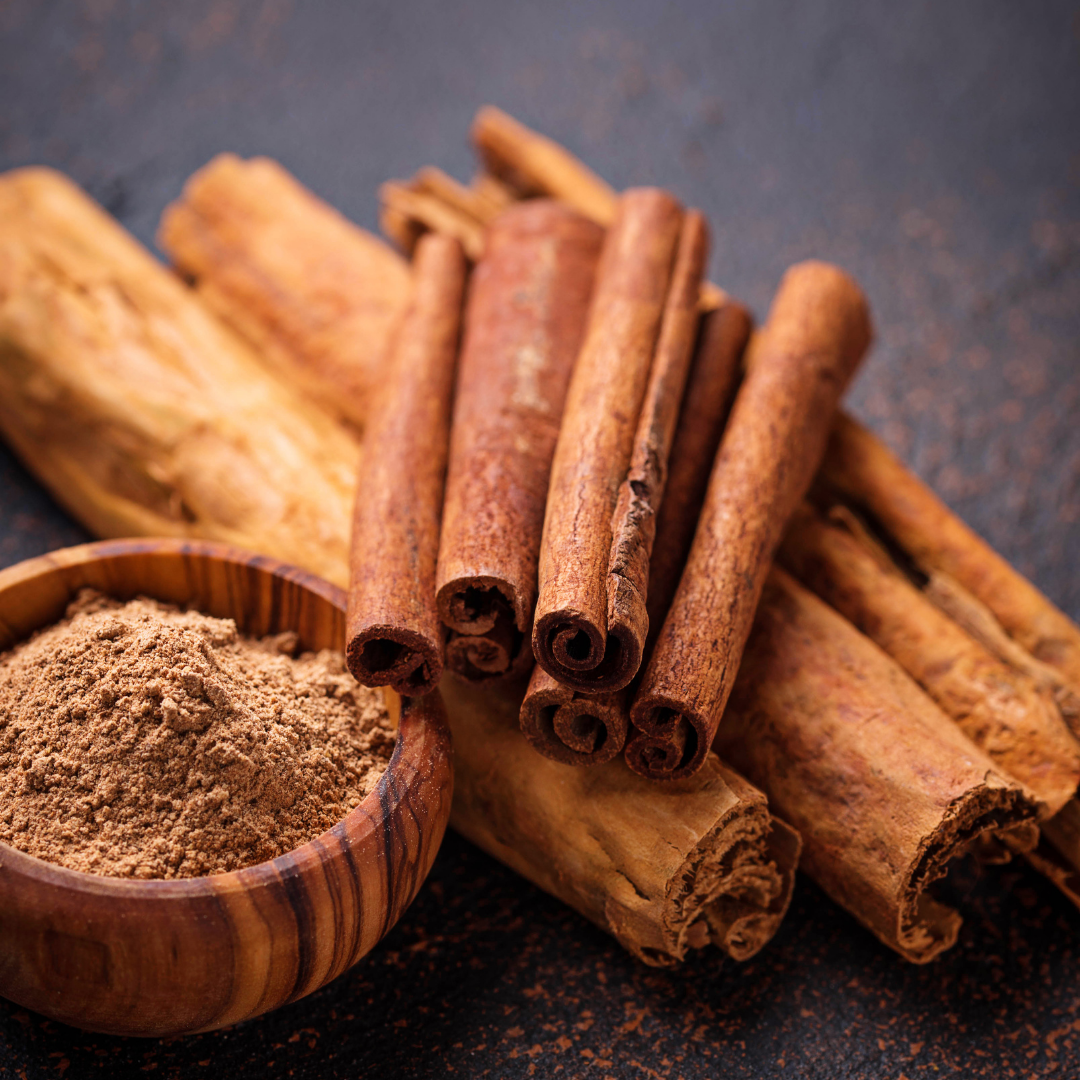
To meet international organic spice trade standards, wholesale organic cinnamon bark consignments supplied by VHB Group adhere to strict analytical benchmarks:
| Quality Parameter | Technical Standard Benchmark | Test Method | Functional Significance |
| Pesticide Residue Level | Zero Detected (< Limit of Quantification) | LC-MS/MS & GC-MS/MS | Mandatory for USDA Organic & EU Organic compliance. |
| Volatile Oil (VHO) | 2.0% to 5.0% v/w Minimum | ASTA Method 5.0 | Verifies natural flavor strength and essential oil density. |
| Moisture Content | Maximum 12.0% | ASTA Method 2.0 | Prevents mold growth (Aspergillus) during ocean shipping. |
| Total Ash Content | Maximum 5.0% | ASTA Method 3.0 | Verifies mineral purity and freedom from soil dirt. |
| Heavy Metals (Pb, Cd, As) | Complies with EU MRL Standards | ICP-MS Analysis | Ensures compliance with strict heavy metal limits. |
4. Packaging Configurations and Ocean Container Payload Economics
Organic cinnamon bark is packaged in food-grade, non-contaminated materials to maintain organic integrity during long ocean transit.
Poly-Lined Master Cartons (15kg / 25kg Net)
Broken flakes or cut quills are packed in corrugated master cartons fitted with 50-micron food-grade polyethylene inner barrier bags.
-
Payload Yield: 14.0 to 16.0 Metric Tons per 20ft container (22.0 to 24.0 Metric Tons per 40ft High Cube container).
-
Protective Value: Prevents moisture absorption and volatile essential oil loss while ensuring zero chemical contamination from outer packaging materials.
Hydraulically Compressed Organic Bales (25kg Net)
For high-volume organic spice grinders, organic cinnamon bark is compressed hydraulically into dense bales wrapped in food-grade polypropylene covers.
-
Payload Yield: 15.0 to 18.0 Metric Tons per 20ft container (24.0 to 25.0 Metric Tons per 40ft HC container).
5. Organic Transaction Certificates (TC) and Import Compliance
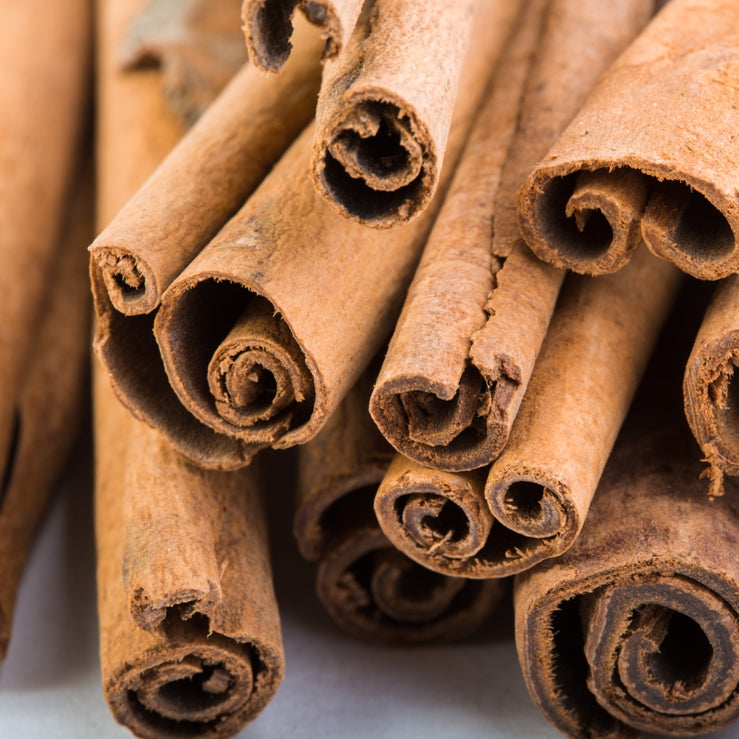
Importing commercial consignments of organic cinnamon bark requires complete legal traceability verified by accredited certifying bodies (such as Control Union, Ecocert, or CERES).
Essential Export Documentation Suite
-
Organic Transaction Certificate (TC): Official document issued by the origin certifying body for every specific export shipment, verifying that the exact consignment lot originates from certified organic farm plots.
-
Commercial Shipping Documents: Master Bill of Lading (B/L), Commercial Invoice, Detailed Packing List, and Certificate of Origin (COO).
-
Quality & Pesticide Test Reports: LC-MS/MS multi-residue pesticide screen reports certifying zero synthetic chemical detection.
-
Phytosanitary Certificate: Issued by origin agricultural health authorities confirming freedom from live pests.
-
Customs Tariff Classification: Classified under HS Code 0906.11.00 (Cinnamon, whole bark, not ground) or HS Code 0906.20.00 (Ground organic cinnamon).
Organic Cinnamon Bark Supply FAQ
Disclaimer: Unless otherwise stated, the images used in this article are the property of their respective owners. We do not claim ownership of any third-party images featured, and they are used here strictly for informational and educational purposes. If you are the copyright holder and wish to have an image removed, please contact us.