

Sourcing Saigon Cinnamon Powder Bulk inventory provides commercial bakeries, industrial food processors, flavor extractors, spice blenders, and pharmaceutical formulators with one of the most potent, aromatic, and flavor-dense ground spices in global trade. Derived from the inner bark of Cinnamomum loureiroi harvested predominantly in the mountainous Yen Bai and Quang Nam provinces of Vietnam, Saigon cinnamon stands out for its high natural essential oil content (typically 3.0% to 6.0% v/w) and concentrated cinnamaldehyde density.
For procurement directors, commercial buyers, and supply chain managers at VHB Group, procuring full container load (FCL) consignments of wholesale ground Saigon cinnamon requires navigating complex technical parameters. Procurement teams must manage mesh size calibration, volatile oil retention during grinding, cryogenic milling controls, coumarin limits, steam sterilization pathogen elimination, and international food safety compliance. This technical guide evaluates the operational, chemical, and logistical protocols necessary to build a highly profitable, scalable distribution pipeline.
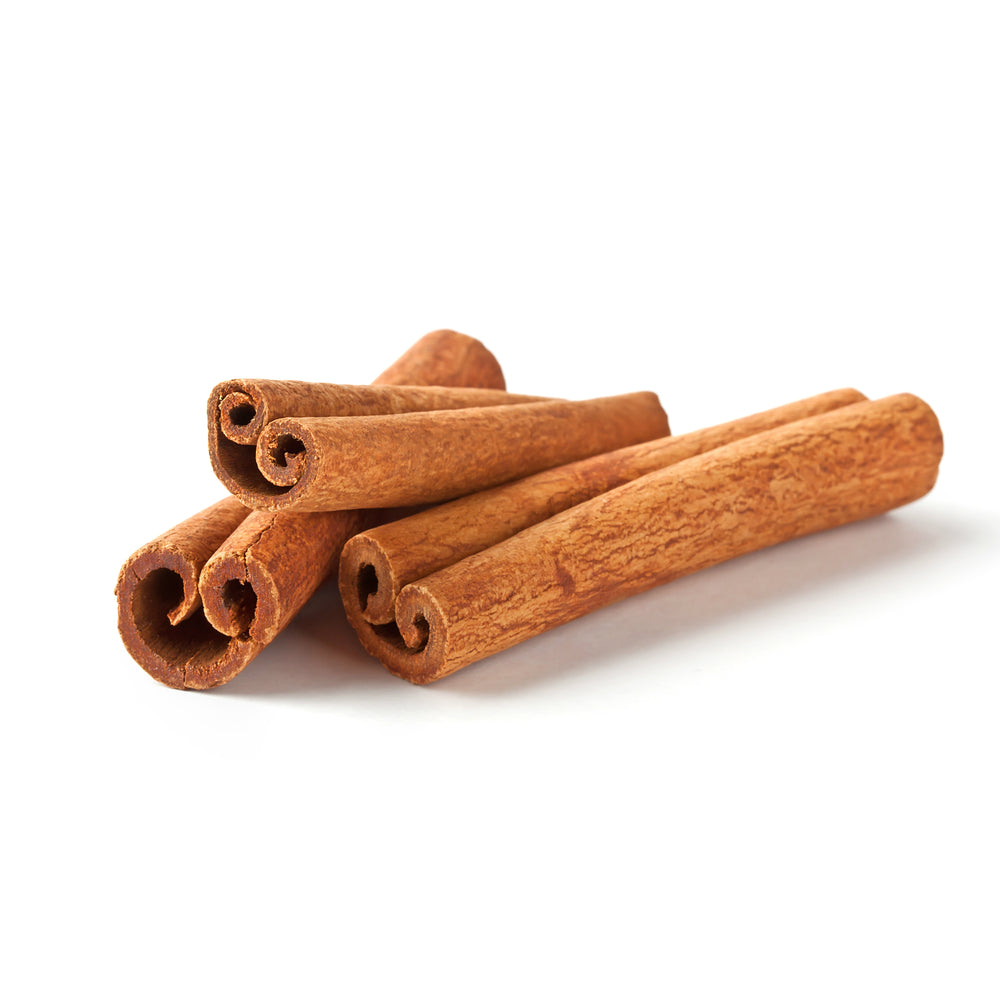
Table of Contents
-
Global Industrial Demand and Commercial Applications
-
Cryogenic Milling Technology: Preserving Volatile Oils
-
Chemical Composition and Technical Quality Specifications Matrix
-
Bulk Packaging Logistics: Craft Paper Bags, Super Sacks, and Container Payload Yields
-
B2B Landed Cost and Yield Calculation Framework
-
Import Compliance, Food Safety Standards, and Customs Documentation
-
Frequently Asked Questions (FAQ)
1. Global Industrial Demand and Commercial Applications
Saigon cinnamon powder commands a premium market position in commercial food processing due to its intense spicy-sweet flavor profile and high heat resistance during industrial cooking.
Commercial Industrial Bakeries
In commercial baking, Saigon cinnamon is the preferred spice for high-heat applications, including cinnamon rolls, pastries, cookies, and breakfast cereals. Its concentrated essential oil ensures that rich spicy-sweet flavors survive oven temperatures exceeding 200°C (392°F).
Confectionery, Flavors, and Beverages
Flavor houses and beverage processors extract liquid oleoresins and essential oils from ground Saigon cinnamon for use in spiced syrups, chewing gums, seasonal coffee flavorings, and craft spirits.
Savory Food Seasoning and Spice Blends
In savory manufacturing, ground Saigon cinnamon provides depth to barbecue rubs, marinades, processed meats, curry powders, and traditional Asian soup broths (such as Vietnamese Pho).
2. Cryogenic Milling Technology: Preserving Volatile Oils
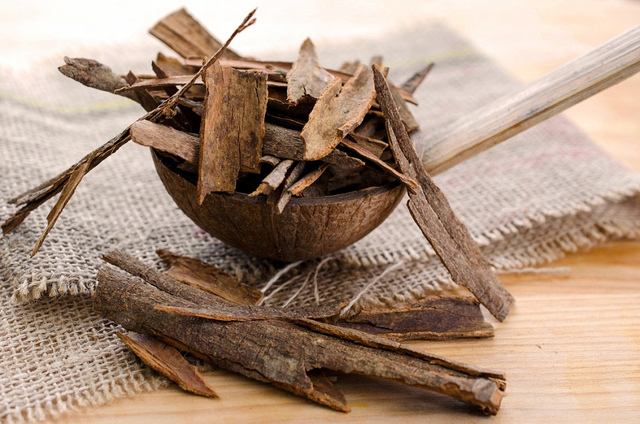
Converting raw Saigon cinnamon bark into free-flowing, highly aromatic powder requires multi-stage industrial milling technology.
Ambient Hammer Milling vs. Cryogenic Milling
-
Standard Ambient Grinding: Conventional high-speed hammer mills generate friction heat (temperatures exceeding 50°C to 60°C). Excess heat causes volatile essential oils (cinnamaldehyde) to flash off into the air, reducing spice potency and turning the powder dark and gummy.
-
Cryogenic Milling (VHB Standard): Liquid nitrogen (-100°C) is injected into the milling chamber to cool the cinnamon bark before and during grinding. Liquid nitrogen freezes volatile oils inside the bark matrix, preventing oil evaporation, preserving bright reddish-brown color, and ensuring a free-flowing powder fine-tuned from 60 mesh down to 120 mesh.
Steam Sterilization Pathogen Elimination
Raw Saigon Cinnamon Powder Bulk agricultural spices carry natural soil microflora. Steam sterilization treats the powder briefly with superheated dry steam under vacuum, reducing microbial counts (Salmonella, mold, yeast) to food-safe levels without chemical irradiation or loss of volatile essential oils.
3. Chemical Composition and Technical Quality Specifications Matrix
To meet American Spice Trade Association (ASTA) and European Spice Association (ESA) standards, wholesale consignments of Saigon cinnamon powder supplied by VHB Group adhere to strict analytical metrics:
| Quality Parameter | Technical Standard Benchmark | Test Method | Functional Industrial Significance |
| Volatile Oil (VHO) | 3.0% to 6.0% v/w Minimum | ASTA Method 5.0 | Measures natural flavor strength and baking heat survival. |
| Particle Mesh Size | 60, 80, 100, or 120 Mesh | Sieve Shaker Analysis | Governs dissolution speed, visual appearance, and mouthfeel. |
| Moisture Content | Maximum 10.0% to 12.0% | ASTA Method 2.0 | Prevents powder caking, clumping, and microbial growth. |
| Coumarin Content | 2,000 to 6,000 mg/kg (ppm) | HPLC Analysis | Requires verification for European Union food safety limits. |
| Total Ash Content | Maximum 5.0% | ASTA Method 3.0 | Verifies mineral purity and freedom from soil dirt. |
| Acid-Insoluble Ash | Maximum 1.0% | ASTA Method 4.0 | Measures residual sand and silica levels. |
4. Bulk Packaging Logistics: Craft Paper Bags, Super Sacks, and Container Payload Yields
Selecting the appropriate bulk packaging container directly impacts ocean freight density, moisture protection, and factory handling efficiency.
Multi-Layer Craft Paper Bags with Poly Liners (25kg Net)
Heavy-duty 3-ply craft paper bags fitted with 50-micron food-grade inner polyethylene barrier liners.
-
Payload Yield: 560 to 640 bags per 20ft FCL container (14.0 to 16.0 Metric Tons) or 880 to 960 bags per 40ft High Cube container (22.0 to 24.0 Metric Tons).
-
Protective Value: Paper provides external puncture resistance, while the poly liner seals against moisture ingress and volatile oil evaporation.
FIBC Bulk Super Sacks (500kg / 1,000kg Net)
Heavy-duty woven polypropylene big bags equipped with inner barrier liners, top fill spouts, and bottom discharge spouts.
-
Payload Yield: 20 super sacks per 20ft container (16.0 to 20.0 Metric Tons).
-
Best-Fit Application: Large commercial bakeries and industrial spice blending factories equipped with automated silo hoists.
5. B2B Landed Cost and Yield Calculation Framework
Procurement officers calculate net landed unit costs across ocean shipping lanes by applying a structured calculation process:
-
Step 1: Determine Total Shipping Overhead = Ocean Freight Charges + Import Customs Duties + Marine Cargo Insurance + Local Port Drayage.
-
Step 2: Calculate Destination Handling & Warehouse Fees = Container Unstripping + Palletizing Fees + Sampling Fees.
-
Step 3: Calculate Net Usable Powder Mass = Total Shipped Mass x (1 – Packaging Loss Percentage), where powder dust loss during silo transfer typically ranges from 0.1% to 0.3%.
-
Step 4: Calculate Net Landed Cost per Usable Kilogram = (Total FOB Factory Purchase Value + Total Shipping Overhead + Destination Handling) / Net Usable Powder Mass.
6. Import Compliance, Food Safety Standards, and Customs Documentation
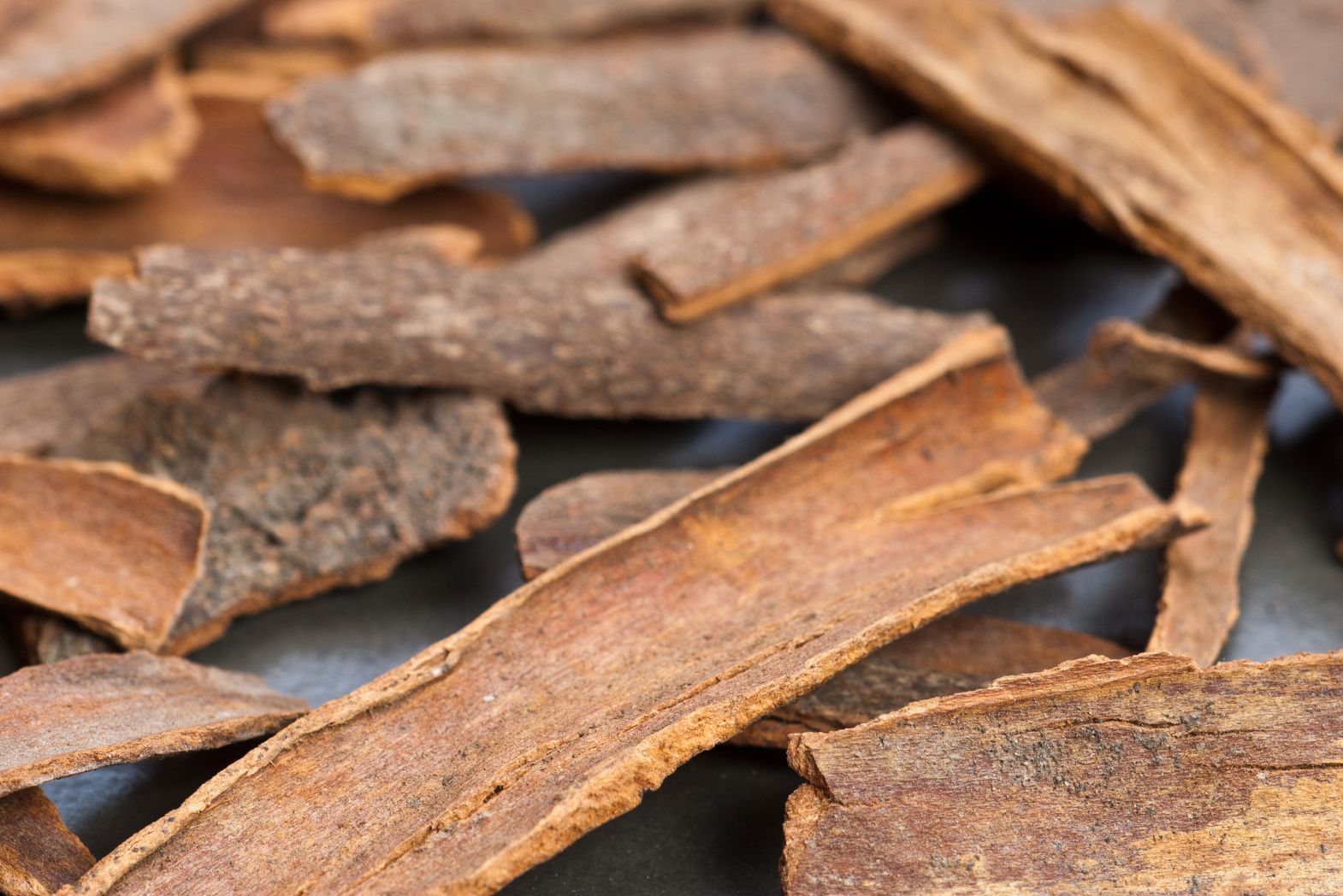
Clearing ground spice imports through international customs without administrative delays requires complete compliance documentation verified by accredited origin testing laboratories.
Essential Export Documentation Suite
-
Commercial Shipping Documents: Master Bill of Lading (B/L), Commercial Invoice, Detailed Packing List, and Certificate of Origin (COO).
-
Quality & Safety Certificates: Batch Certificate of Analysis (CoA) detailing moisture, mesh size, VHO, ash, and HPLC coumarin testing.
-
Steam Sterilization / Micro Certificate: Microbiological report certifying negative results for Salmonella, E. coli, and low total plate counts (TPC < 100,000 cfu/g).
-
Customs Tariff Classification: Classified under HS Code 0906.20.00 (Cinnamon and cinnamon-tree flowers, crushed or ground).
Saigon Cinnamon Powder Bulk FAQ
Disclaimer: Unless otherwise stated, the images used in this article are the property of their respective owners. We do not claim ownership of any third-party images featured, and they are used here strictly for informational and educational purposes. If you are the copyright holder and wish to have an image removed, please contact us.