
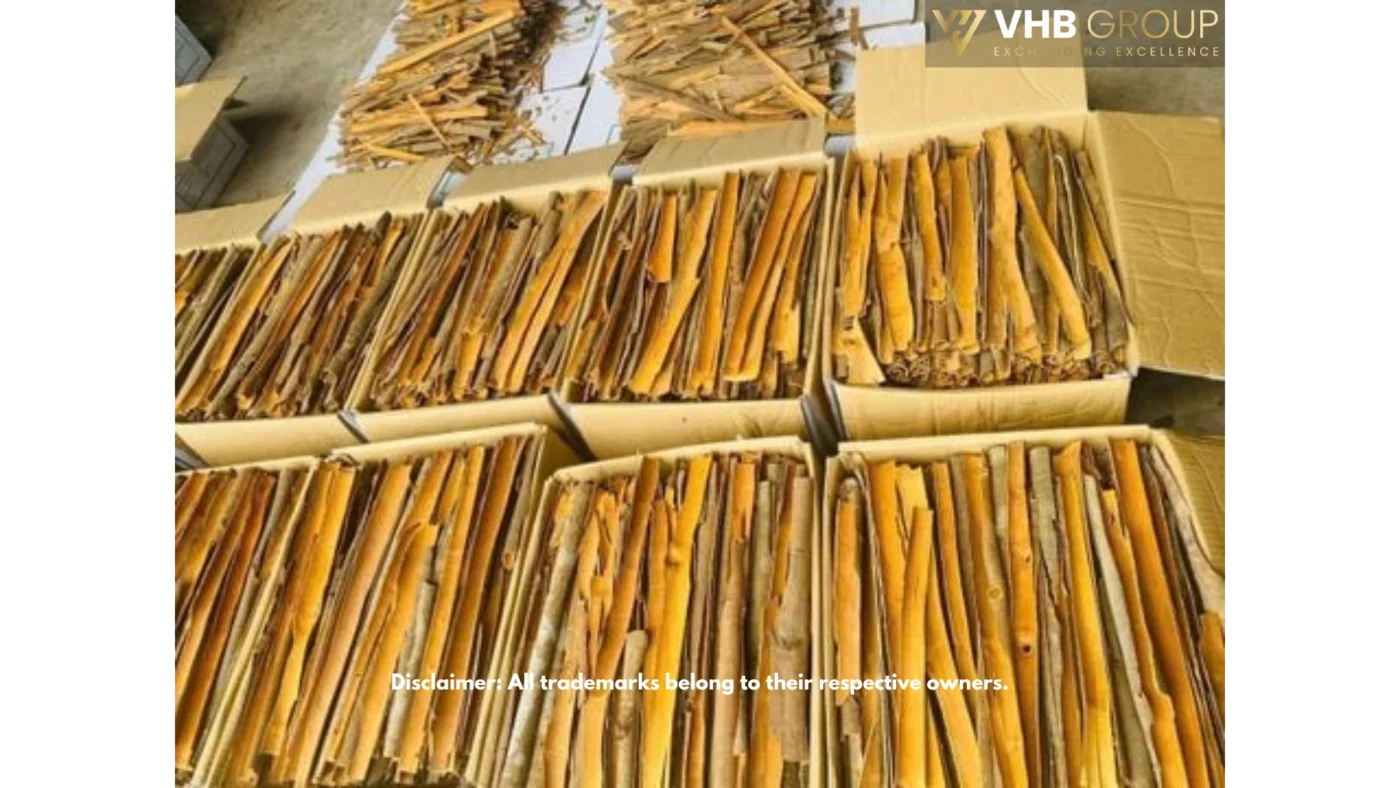
Navigating the Cleaned Split Cinnamon Distribute Channel requires a thorough understanding of global spice supply chains, maritime logistics routes, and regulatory trade compliance. As outlined in our foundation pillar on Cleaned Split Cinnamon Wholesale, cleaned split cinnamon moves through specialized international distribution networks connecting forest origin processors with end-use industrial markets.
In this guide, VHB Group maps out the distribution stages, ocean freight logistics, port clearance protocols, and wholesale buyer channels for split cinnamon.
Table of Contents
Overview of the Global Cinnamon Distribution Network
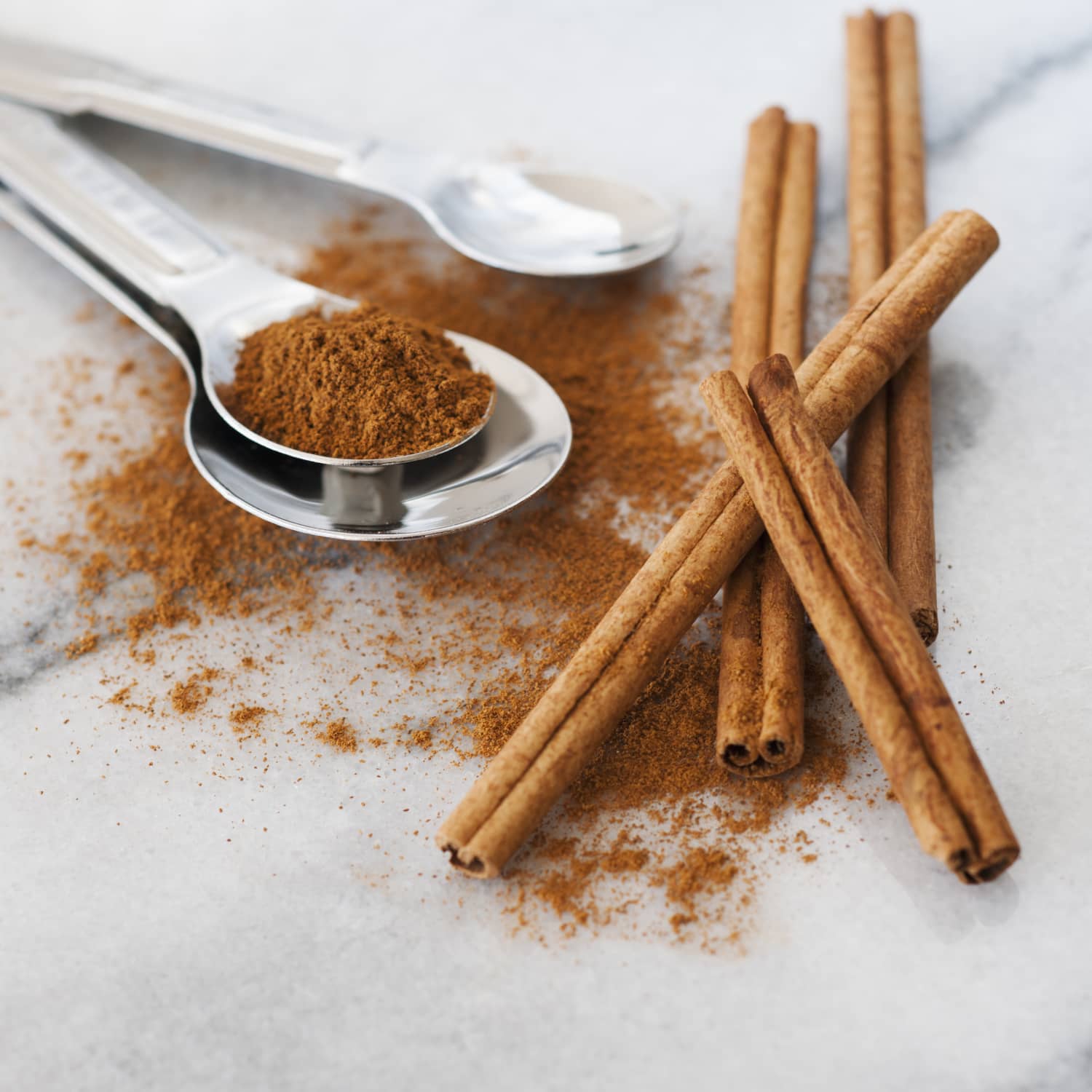
The distribution network for cleaned split cinnamon connects regional processing facilities in Southeast Asia to major international trade hubs across Europe, North America, the Middle East, and East Asia.
Key intermediaries within the distribution chain include:
-
Origin Processors (VHB Group): Sourcing raw forest bark, conducting cleaning, splitting, drying, and container packing.
-
International Spice Brokers & Importers: Managing sea freight, customs clearance, and warehousing at destination ports.
-
Industrial Food Manufacturers & Extractors: Converting split bark into ground cinnamon, essential oils, or retail spice blends.
Primary Maritime Shipping Routes and Export Gateways
In Vietnam, the primary export maritime gateway for cleaned split cinnamon is Haiphong Port (VNHPH) in Northern Vietnam, which provides direct feeder connections to major transshipment ports like Singapore and Busan.
Key Ocean Transit Times from Vietnam
-
Southeast Asia (Singapore / Port Klang): 3 to 7 days.
-
Middle East (Jebel Ali / Jeddah): 18 to 24 days.
-
Europe (Rotterdam / Hamburg): 28 to 35 days.
-
North America (Los Angeles / New York): 22 to 32 days.

Customs Documentation and Import Clearance Protocols
Navigating the Cleaned Split Cinnamon Distribute Channel requires accurate export documentation to satisfy destination customs and plant health authorities such as the U.S. Food and Drug Administration (FDA) and European port health units.
Mandatory Export Documentation Package
-
Phytosanitary Certificate: Issued by national plant protection organizations confirming freedom from quarantine pests.
-
Certificate of Origin (Form A, Form E, or General COO): Issued by Chambers of Commerce to establish preferential tariff treatment.
-
Bill of Lading (B/L): Official maritime carriage title document.
-
Commercial Invoice & Detailed Packing List (HS Code 0906.11 / 0906.19).
Downstream Distribution Channels: Millers, Extractors, and Re-packers
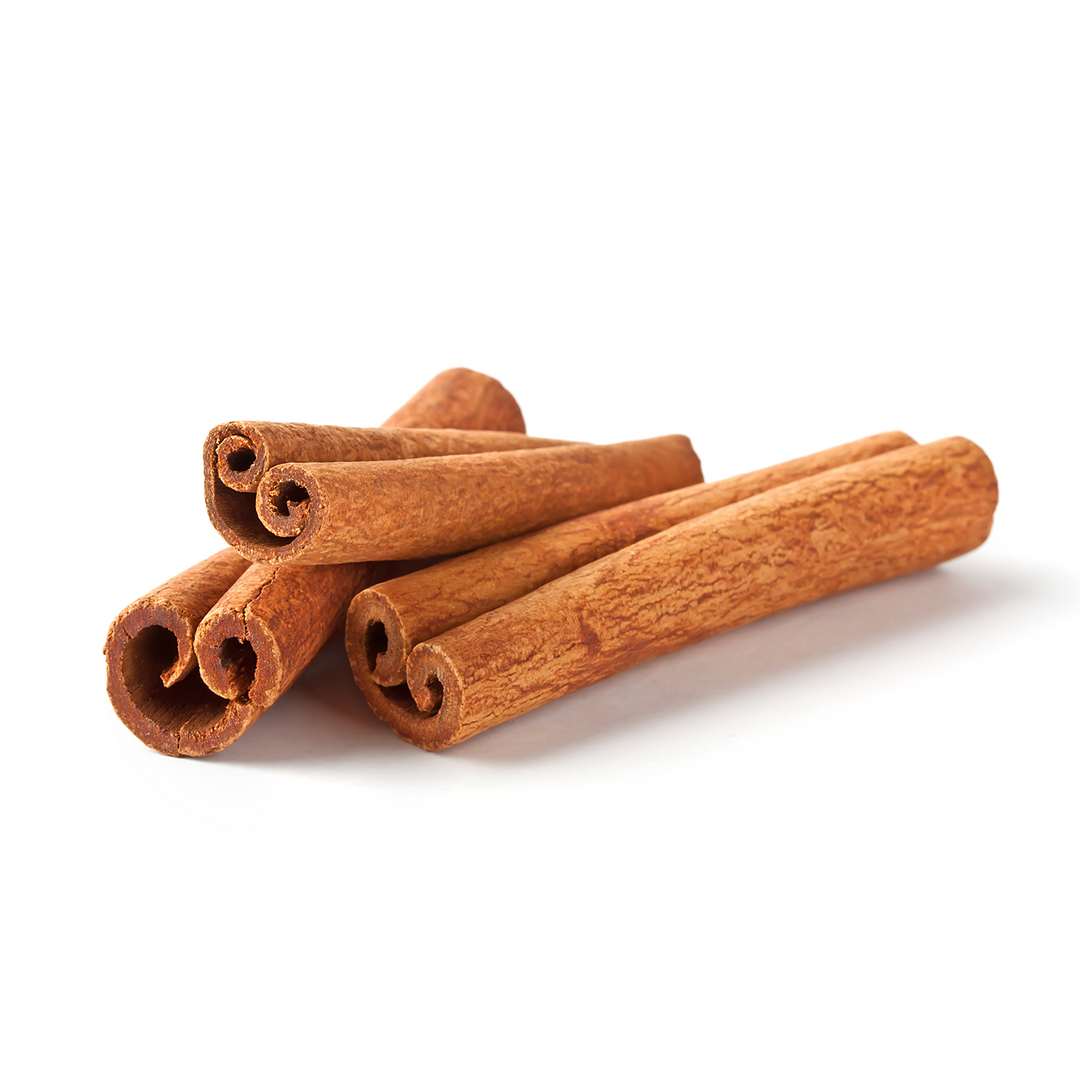
Once cleared at destination ports, cleaned split cinnamon moves into three primary commercial distribution channels:
| Distribution Channel | Primary Product Requirement | Volume Purchase Scale |
| Industrial Spice Millers | High purity, low ash, moisture below 13.5% | Multi-Container FCL (40ft HC) |
| Essential Oil Distillers | High volatile oil (3.5%+), unground bark | 20ft FCL or Shared LCL |
| Retail Spice Re-Packers | Clean appearance, uniform cut length (10cm-30cm) | Palletized FCL shipments |
Cleaned Split Cinnamon Distribution FAQ
Disclaimer: Unless otherwise stated, the images used in this article are the property of their respective owners. We do not claim ownership of any third-party images featured, and they are used here strictly for informational and educational purposes. If you are the copyright holder and wish to have an image removed, please contact us.