
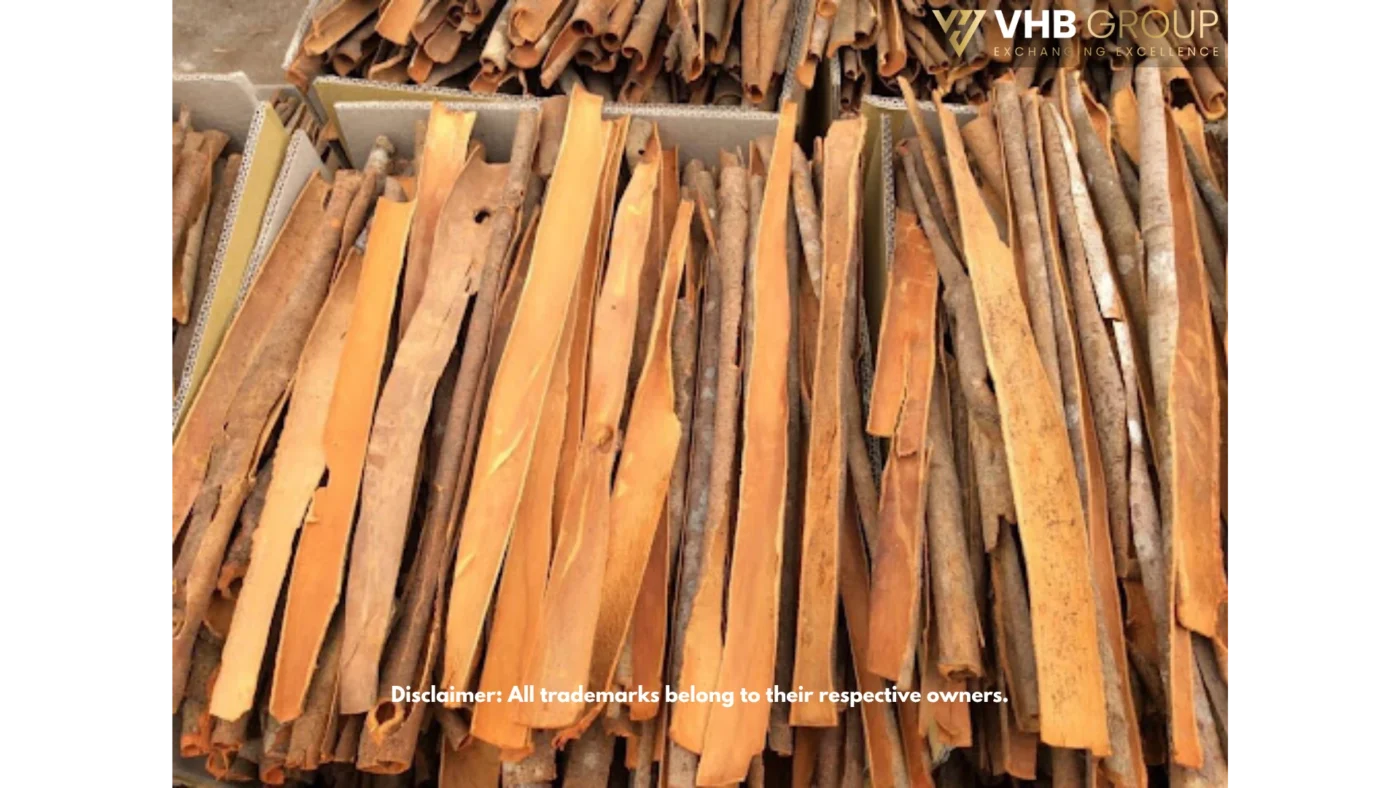
Understanding Cleaned Split Cinnamon Processing Facts is essential for commercial spice buyers, essential oil distillers, and food safety managers evaluating raw spice inputs. As detailed in our foundation pillar on Cleaned Split Cinnamon Wholesale, cleaned split cinnamon undergoes specialized mechanical and manual processing to remove outer lichen, reduce micro-organism counts, and preserve volatile oil compounds.
In this deep dive, VHB Group analyzes the technical processing stages, drying parameters, essential oil preservation facts, and quality assurance checkpoints that define commercial cassia processing.
Table of Contents
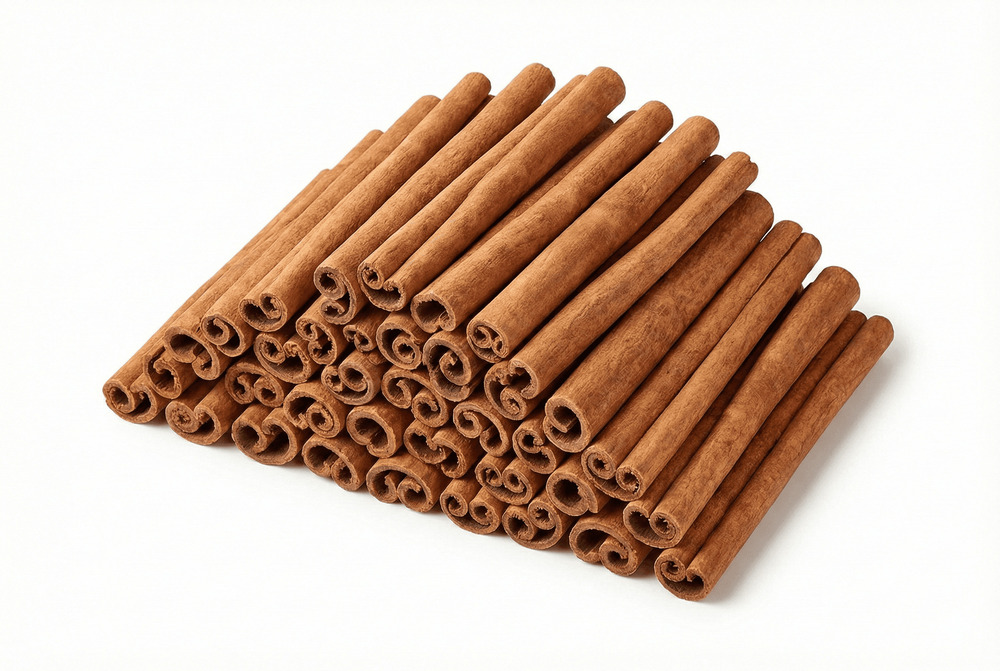
The Step-by-Step Processing Pipeline for Split Cinnamon
Transforming harvested forest bark into export-ready cleaned split cinnamon requires strict adherence to standardized manufacturing steps.
-
Selective Bark Peeling: Bark is stripped from mature Cinnamomum cassia trees during spring and autumn sap flows.
-
Manual Draw-Knife Scraping: Skilled workers shave off the rough, grey outer epidermis to expose the fragrant, oil-rich inner phloem layer.
-
Precision Longitudinal Splitting: Whole bark sheets are split lengthwise into uniform strips measuring 2cm to 4cm in width.
-
Controlled Solar Dehydration: Strips are cured on raised stainless steel or bamboo drying beds under controlled airflow.
Epidermal Scraping Facts: Why Outer Bark Removal Matters
Raw cassia bark is covered with epiphytic lichen, mosses, and airborne dirt accumulation. Removing this outer layer accomplishes three major commercial objectives:
-
Microbial Load Reduction: Scraped bark reduces total plate count (TPC), yeast, and mold counts prior to export sterilization.
-
Milling Machine Protection: Removing abrasive outer mineral crusts prevents excessive wear on commercial spice grinding hammers.
-
Ash Content Minimization: Scraped bark guarantees total ash content remains strictly below 5.0%, meeting European Spice Association (ESA) standards.
Scientific parameters regarding cinnamaldehyde degradation can be reviewed via research databases on Wikipedia’s Cinnamaldehyde page and import regulations enforced by the U.S. Food and Drug Administration (FDA).
Moisture Control and Sun-Drying Thermodynamics
To ensure long-term shelf stability during maritime transit, split cinnamon must reach a equilibrium moisture level between 12.5% and 13.5%.
Source: Image courtesy of Wikimedia Commons
Drying too quickly under direct sunlight can cause surface casing, trapping internal moisture that causes mold later. VHB Group utilizes gradual two-stage drying protocols to ensure uniform moisture evaporation throughout the bark matrix.
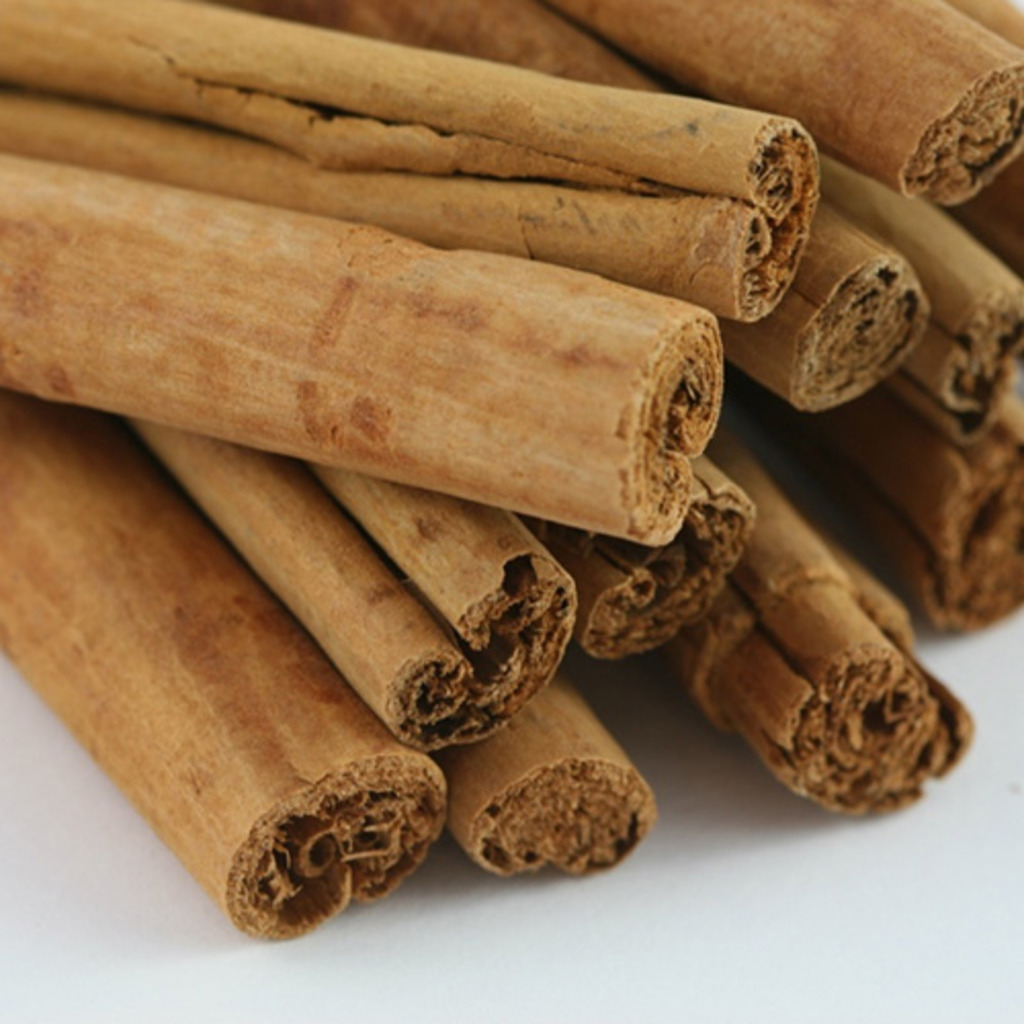
Essential Oil Retention: Cinnamaldehyde Preservation Specs
The main active compound responsible for cassia’s characteristic aroma and antimicrobial potency is cinnamaldehyde. The table below illustrates how different processing methods impact active oil retention:
| Processing Method | Essential Oil Content | Cinnamaldehyde Purity | Volatile Loss Rate |
| VHB Cleaned Split (Low-Temp Solar) | 2.8% – 4.2% | 85% – 92% | Below 5% |
| High-Temp Machine Dried Split | 1.8% – 2.5% | 75% – 82% | 15% – 25% |
| Unscraped Raw Forest Bark | 1.2% – 2.0% | 65% – 75% | Variable |
Cleaned Split Cinnamon Processing FAQ
Disclaimer: Unless otherwise stated, the images used in this article are the property of their respective owners. We do not claim ownership of any third-party images featured, and they are used here strictly for informational and educational purposes. If you are the copyright holder and wish to have an image removed, please contact us.