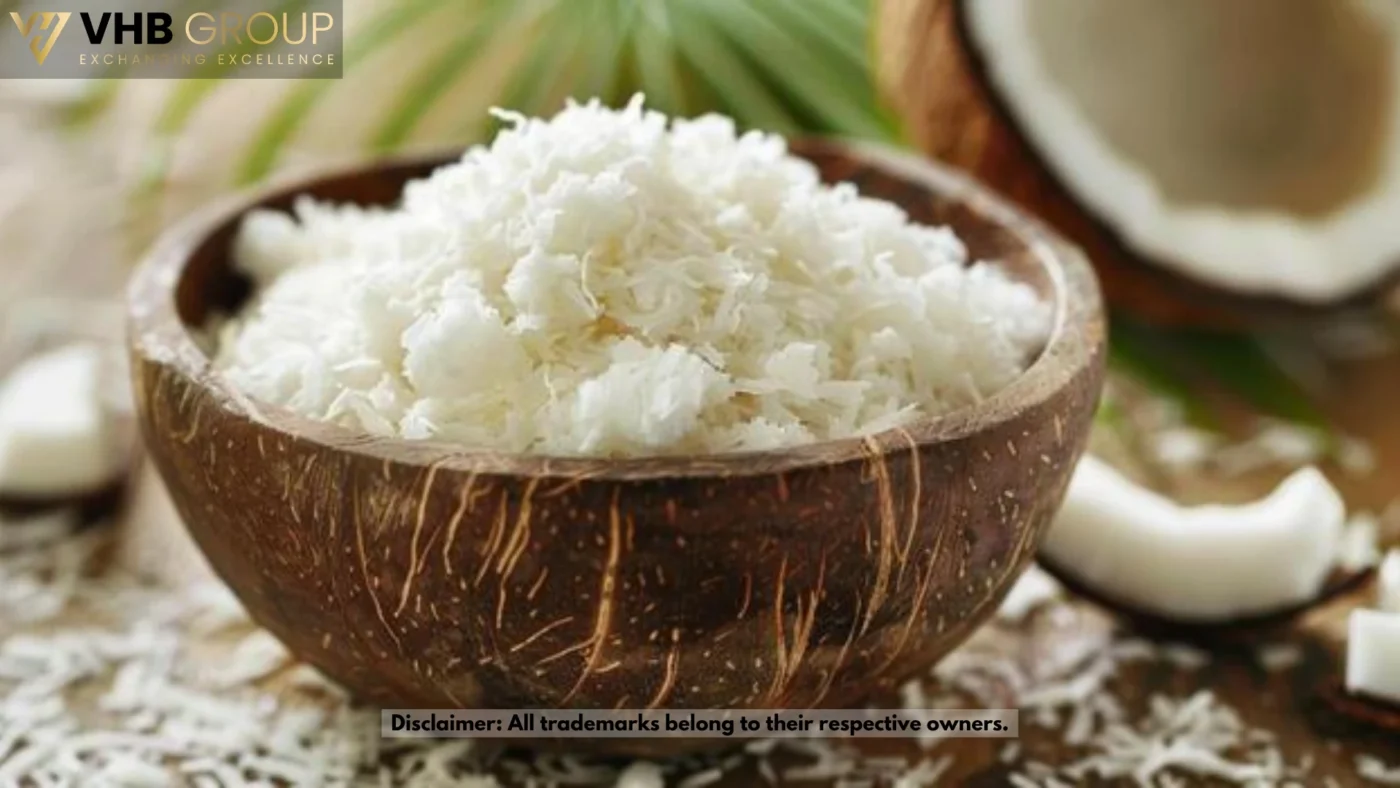
Understanding the exact Desiccated Coconut Fine Grade Fat Content Facts is absolutely essential for commercial bakeries, international culinary buyers, and industrial food manufacturers who want to comprehend why this specific botanical variant dictates the texture and flavor of premium baked goods. Unlike sweetened coconut flakes utilized in domestic retail, this pure, unadulterated ingredient is meticulously processed to provide exact lipid percentages that directly appeal to precise industrial culinary standards.
For international procurement teams and supply chain managers looking to capitalize on this immense global demand, reviewing the operational logistics of the Desiccated Coconut Fine Grade Bulk Supply line is the mandatory next strategic step. However, before investing in bulk container loads, buyers must fully understand the chemical, nutritional, and agricultural components that make this specific fat content a high-velocity commodity across premium food manufacturing and FMCG sectors.
Table of Contents
-
Core Botanical Profile and Processing Characteristics
-
The Milling and Dehydration Process
-
Flavor Profile: Essential Desiccated Coconut Fine Grade Fat Content Facts
-
Chemical Breakdown and Baking Synergy
-
Conclusion
Core Botanical Profile and Processing Characteristics
When analyzing the massive commercial success of this globally traded commodity, the primary differentiator lies in the precise, labor-intensive post-harvest processing of the mature Cocos nucifera fruit.
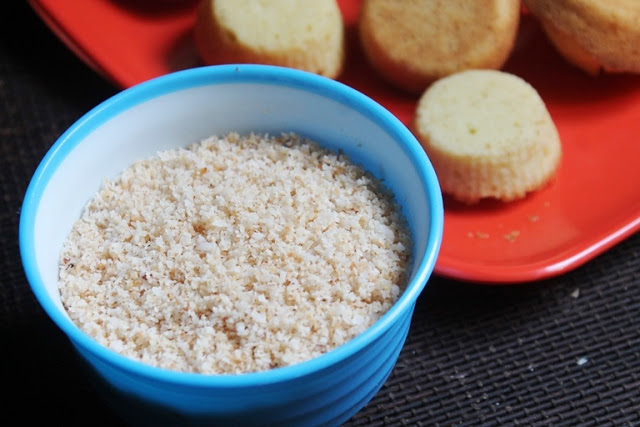
Desiccated coconut originates from the thick, white endosperm (meat) of fully mature brown coconuts, generally harvested 12 to 14 months after flowering. At this mature stage, the coconut meat has developed its maximum natural oil content. The “Fine Grade” designation refers entirely to the physical size of the particle after grating—it is milled to a small, uniform, granular texture that perfectly integrates into doughs and batters without leaving large, stringy fibers behind.
The Milling and Dehydration Process
A critical element within the agricultural profile is the crop’s unique curing requirement, heavily focused in the tropical, high-humidity climates of the Philippines and Indonesia.
Once the hard brown shell and the inner brown skin (testa) are completely removed, the pristine white meat is washed, pasteurized, and fed into high-speed industrial shredders to achieve the “Fine” specification. To create specific fat contents, the grated meat may be cold-pressed to extract virgin coconut oil before moving to the dehydration ovens. The moisture content is aggressively reduced from roughly 50% down to a strict maximum of 3%, rendering the product completely shelf-stable.
Flavor Profile: Essential Desiccated Coconut Fine Grade Fat Content Facts
The most distinctive physical characteristic of the ingredient upon baking is its delicate, sweet flavor profile which enhances rich, heavy pastries instantly.
Balancing Richness and Texture
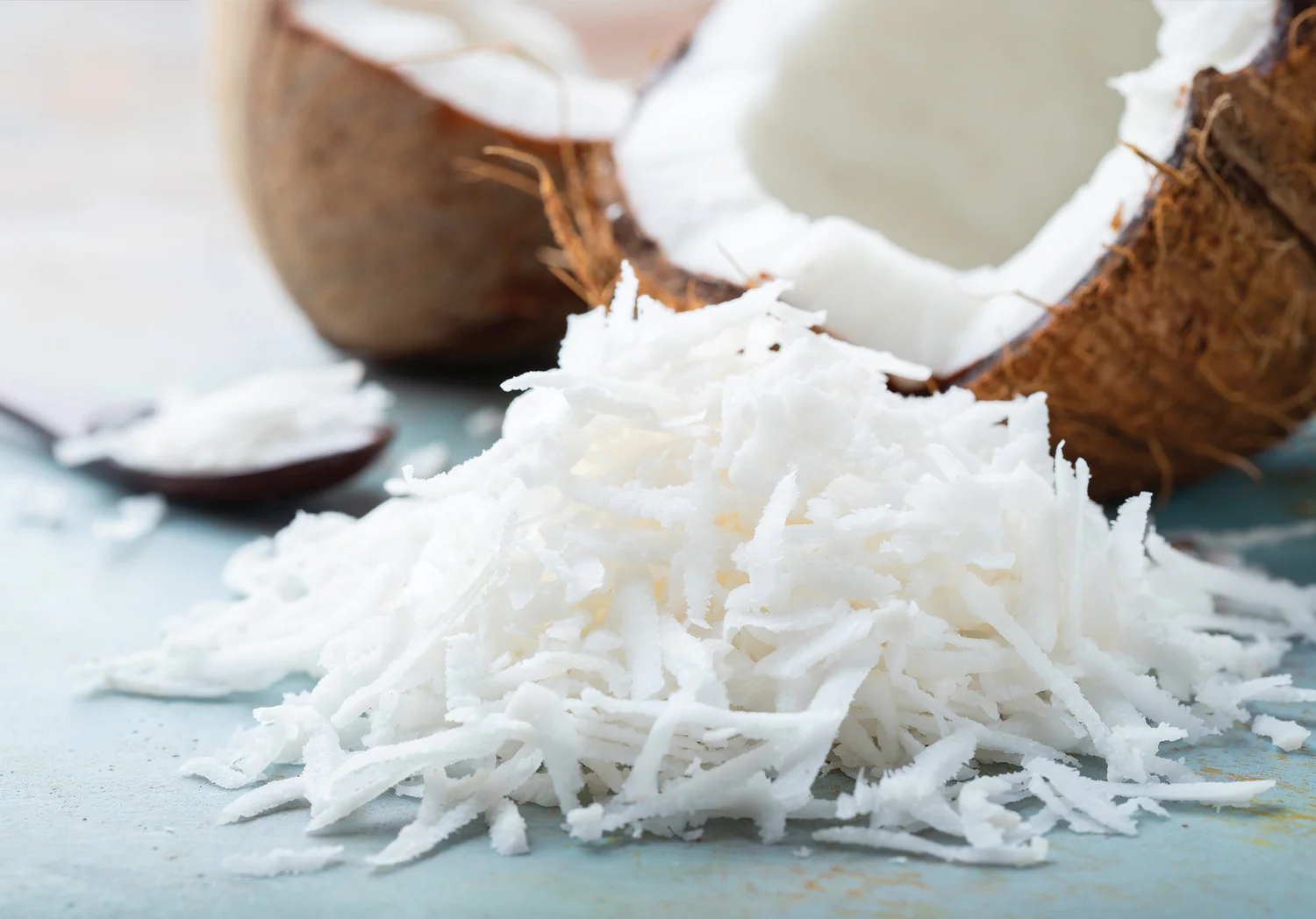
Because the product is 100% natural with no added sugar or sulfites (in premium grades), the Desiccated Coconut Fine Grade Fat Content Facts matrix is heavily characterized by the natural coconut oil. High Fat variants (65%) impart a deeply rich, buttery aroma and prevent cakes and cookies from drying out during long-term retail display. Reduced Fat variants (45-55%) provide the exact same visual aesthetic and crunch, but allow food scientists tighter control over the final caloric and macronutrient profile of diet-friendly or keto snacks.
Chemical Breakdown and Baking Synergy
To fully grasp the commercial appeal, extraction facilities and commercial bakeries must analyze the macro-chemical profile. The endosperm is carefully calibrated by nature for optimal nutrient density.
| Chemical Component | Content Range | Primary Function in Culinary Use |
| Total Fat Content | 45% – 68% | The primary driver of flavor, mouthfeel, and moisture retention. |
| Moisture Content | < 3.0% | Strictly controlled to prevent bacterial growth and ensure shelf stability. |
| Free Fatty Acids (FFA) | < 0.1% | Indicator of freshness; higher levels indicate rancidity or poor storage. |
| Carbohydrates / Fiber | 20% – 25% | Provides structural integrity and the signature “chew” in baked goods. |
Conclusion
Mastering the foundational botanical and processing facts is the definitive key to understanding its unstoppable global commercial velocity in premium baking markets. From the careful management of natural lipid yields to the precision mechanics of industrial dehydration, every single element of this crop is designed to deliver a refined, highly functional experience. For international distributors and commercial bakeries, stocking this authentic agricultural product guarantees access to a highly profitable supply chain. Contact your preferred procurement partner today to secure your wholesale agricultural allocation.
Desiccated Coconut Fat Content FAQ
Disclaimer: Unless otherwise stated, the images used in this article are the property of their respective owners. We do not claim ownership of any third-party images featured, and they are used here strictly for informational and educational purposes. If you are the copyright holder and wish to have an image removed, please contact us.