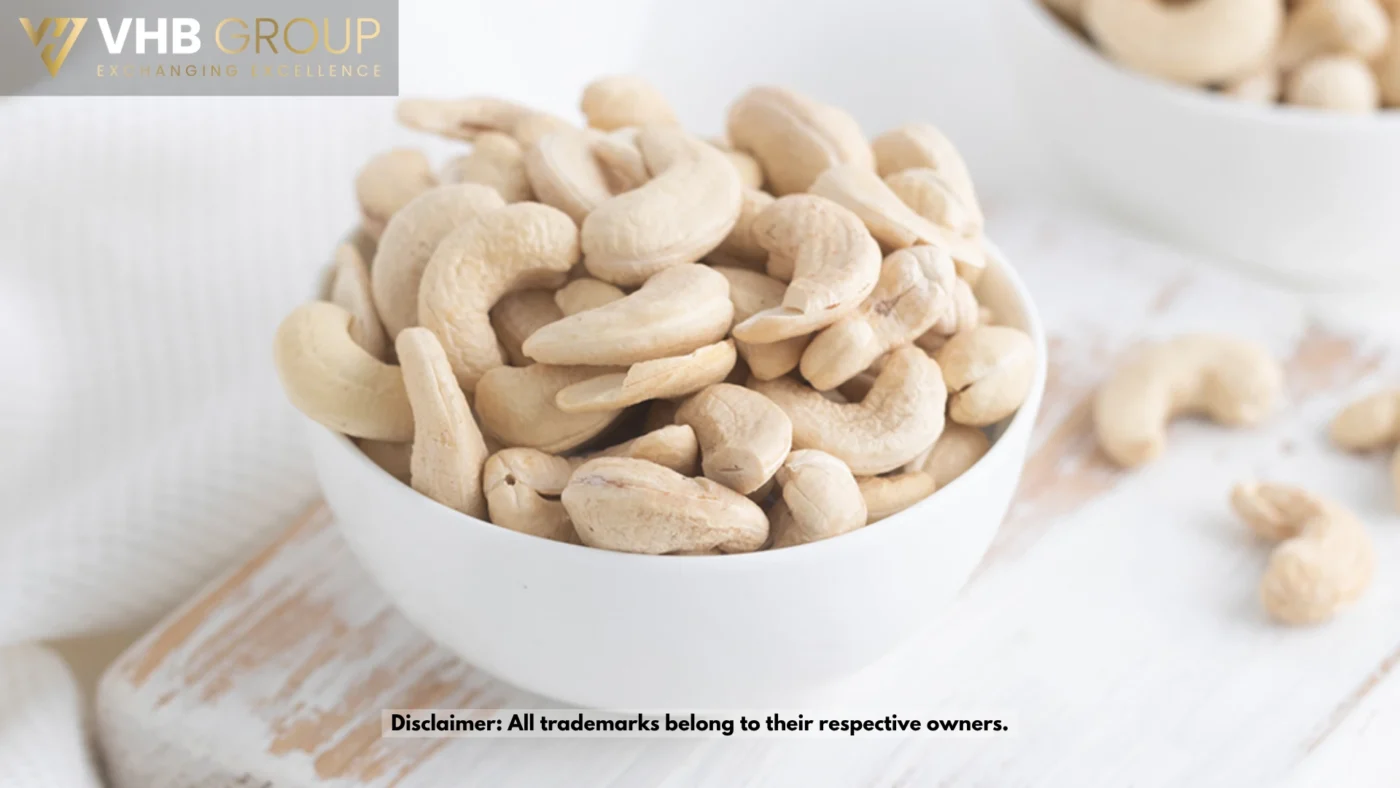
Selecting the correct Cashew Nuts W240 Bag SKUs Wholesale Catalog is a critical operational step for premium ingredient importers, international commercial roasters, and commodity distributors aiming to capture the lucrative global snacking market. Because premium cashew kernels are highly susceptible to moisture absorption, rancidity, and physical breakage, the export supply chain offers a highly specific range of heavy-duty vacuum-sealed PE bags and massive nitrogen-flushed tins engineered to protect the pristine ingredient during extended ocean transit.
For global procurement teams who are currently optimizing their Cashew Nuts W240 Bulk Wholesale Supply Line import strategy, familiarizing yourself with the exact physical dimensions, metric weights, and moisture-barrier configurations of these SKUs is absolutely mandatory. This knowledge allows supply chain directors to perfectly maximize voluminous ocean payloads and forecast accurate gross profit margins prior to ordering.
Table of Contents
-
Understanding Core Export SKUs
-
Hermetic Packaging in the Cashew Nuts W240 Bag SKUs Wholesale Catalog
-
Master Carton Logistics
-
How Packaging Preserves Ingredient Purity
-
Conclusion
Understanding Core Export SKUs
The foundation of any successful agricultural commodity portfolio begins with the core, high-turnover packaging variants. Unlike raw in-shell cashews which can be transported in breathable jute, the standard export bags for shelled, graded W240 kernels strictly prioritize absolute cleanliness, moisture defense, and breakage prevention.
The 22.68kg Vacuum Sealed Carton
The flagship product in this lineup is the highly durable vacuum-sealed Polyethylene (PE) bag housed inside a rigid corrugated cardboard carton. Packaged in a robust format, this specific SKU contains the exact optimal volume (22.68 kilograms, or precisely 50 lbs) for manual palletization and traditional warehouse storage. The cardboard is meticulously designed to provide structural integrity, while the crucial inner vacuum bag does the heavy lifting of protecting the product from oxygen and humidity.

Hermetic Packaging in the Cashew Nuts W240 Bag SKUs Wholesale Catalog
To aggressively protect modern premium snacking trends and prevent delicate flavor degradation during extended warehousing, the manufacturing facilities have heavily standardized a specialized hermetic portfolio. Integrating these specific bulk packs into the Cashew Nuts W240 Bag SKUs Wholesale Catalog dynamically protects your retail offering and preserves the pristine white color of the kernels.
Nitrogen-Flushed Tin Cans
For ultra-premium export markets or regions with extreme warehousing temperatures, W240 cashews are frequently packaged in square metal tins (typically holding 10kg or 11.34kg each). These tins are aggressively flushed with nitrogen gas before sealing. This displaces all oxygen, acting as the ultimate barrier against oxidation and rancidity. Operationally, two square tins are placed perfectly into a single master carton, yielding a standard 50 lb box.
Master Carton Logistics
When procuring premium commodities for massive industrial food processing and continuous-feed roasting lines, buyers heavily rely on optimized bulk packaging configurations. A deep understanding of these logistical formats is absolutely essential for industrial operations.
| SKU Variant | Fill Weight | Moisture Barrier | Container Strategy (20ft FCL) | Primary Manufacturing Channel |
| Vacuum PE Bag in Carton | 22.68kg (50lbs) | High | ~15 to 16 Metric Tons | Commercial Roasters |
| Nitrogen Tins in Carton | 2 x 11.34kg | Maximum | ~15 Metric Tons | Premium Confectioners |
How Packaging Preserves Ingredient Purity
The physical design of the product packaging plays a massive role in preserving the financial value of the ingredient. Because large W240 cashews represent a significant financial investment, any kernel breakage drops the grade (and value) of the nut immediately.

If the ingredient is exposed to excessive humidity and oxygen during a long ocean voyage, the high natural fat content will oxidize, leading to rapid rancidity. The creamy white color can fade or turn yellow, destroying the visual aesthetic that dictates its premium price. Utilizing internal vacuum sealing or rigid metal tins effectively pauses the degradation of the lipid profile. The vacuum sealing also creates a hard “brick” out of the bag, physically preventing the delicate kernels from rubbing together and shattering during transit.
Conclusion
Mastering the catalog of available export packaging is the baseline for executing a highly profitable international agricultural import strategy. By understanding the distinct physical and commercial differences between the standard 50lb vacuum cartons and the premium nitrogen-flushed tins, distributors can selectively curate perfect container loads that guarantee the preservation of delicate flavor profiles and pristine visuals in their specific target markets. To optimize your wholesale inventory and secure the best FOB pricing, reach out to your designated agricultural consolidator today.
Cashew W240 Packaging FAQ
Disclaimer: Unless otherwise stated, the images used in this article are the property of their respective owners. We do not claim ownership of any third-party images featured, and they are used here strictly for informational and educational purposes. If you are the copyright holder and wish to have an image removed, please contact us.