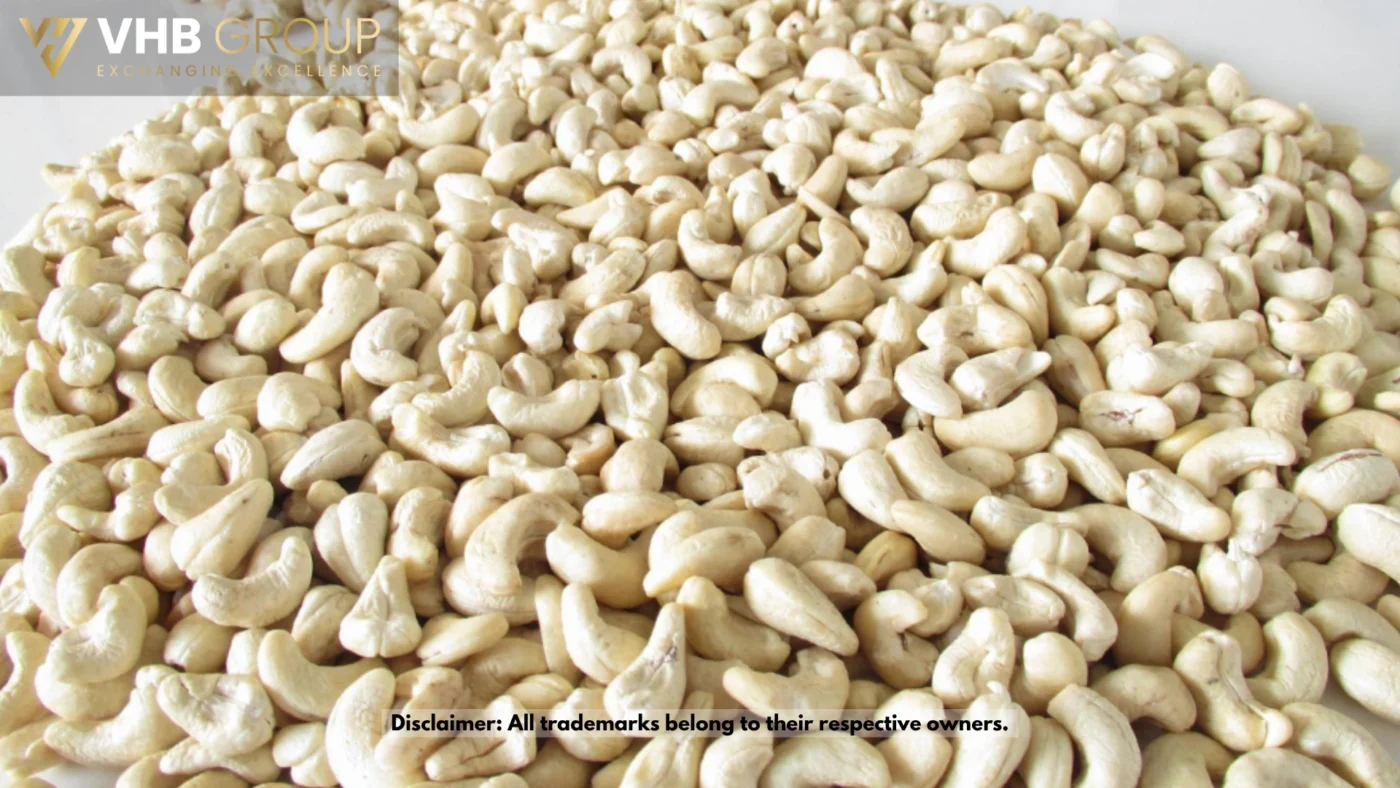
Tracing the exact Cashew Nuts W240 Sourcing Origin Details is a fundamental requirement for premium ingredient importers, quality assurance directors, and international supply chain managers. Understanding exactly where the raw cashew nuts are grown, harvested, and extensively processed highlights why specific tropical regions command such a massive presence and price premium on the global commodity market. The unique combination of highly regulated equatorial agriculture and advanced, heavily mechanized localized processing creates a highly traceable, premium supply chain.
For procurement executives managing bulk container shipments through the Cashew Nuts W240 Bulk Wholesale Supply Line networks, complete transparency regarding the origin of the harvest is crucial for passing stringent phytosanitary regulations and securing culinary trust. This guide breaks down the agricultural and industrial supply chain that fuels one of the world’s most prized snacking nuts.
Table of Contents
-
The Agricultural Core of Cashew Sourcing
-
Milling and Processing Facilities in Cashew Nuts W240 Sourcing Origin Details
-
Tracing Regions: Vietnam, Cambodia, and Africa
-
Why Origin Specifications Matter for Importers
-
Conclusion
The Agricultural Core of Cashew Sourcing
When evaluating the supply chain, the journey involves massive, high-humidity agricultural belts across Southeast Asia and West Africa. Unlike seasonal crops, the cashew tree (Anacardium occidentale) provides massive yields in tropical climates, explicitly engineering these supply chains to function as highly stable, massive regional export hubs to supply international commercial roasters.
Tropical Cultivation Zones
The global market prioritizes raw cashew nuts (RCN) sourced explicitly from fertile, well-drained, tropical agricultural belts. The cashew nut grows uniquely attached to the bottom of the “cashew apple.” By sourcing directly from highly productive regional farms in Vietnam (Binh Phuoc province) or Cambodia (Kratie province), international importers guarantee that they are receiving authentic, fully developed nuts capable of meeting the strict size requirements of the W240 grade.
Milling and Processing Facilities in Cashew Nuts W240 Sourcing Origin Details
The raw in-shell nuts only form the first step; the intensive mechanical processing and high-tech industrial shelling forms the critical second half of the Cashew Nuts W240 Sourcing Origin Details.
Advanced Shelling and Grading Hubs
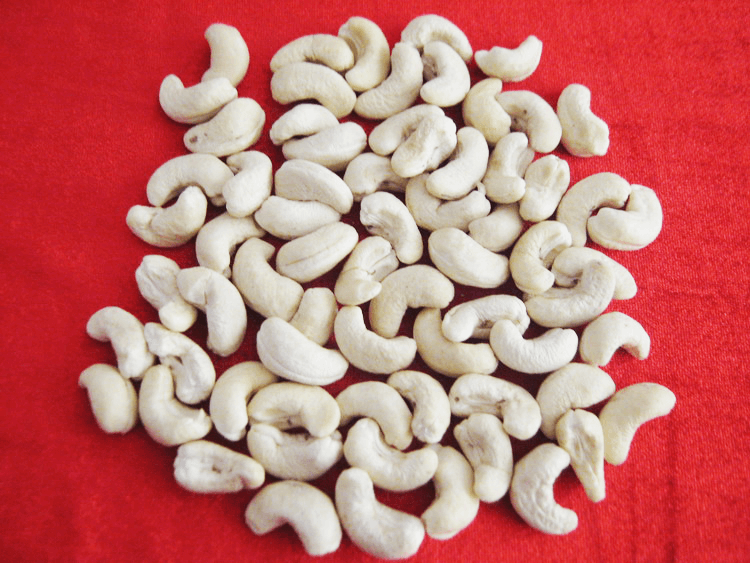
The heart of export production takes place in highly mechanized, ISO and HACCP-certified manufacturing complexes located heavily in Vietnam (the undisputed global leader in cashew processing). It is here that the harvested RCN is steam-roasted to neutralize the caustic shell liquid, mechanically shelled, dried, and peeled. The critical step is the optical grading, where advanced lasers and cameras sort the nuts strictly by color (White) and size (220-240 count per pound), instantly rejecting any broken or scorched kernels.
Tracing Regions: Vietnam, Cambodia, and Africa
While the exact lipid profiles vary slightly by terroir, the raw ingredients that compose the commodity are sourced through a well-established global supply chain.
| Sourcing Region | Primary Geography | Supply Chain Characteristics |
| Vietnam | Binh Phuoc, Dong Nai | The global processing hub. Exceptional grading accuracy, highly competitive export pricing. |
| Cambodia | Kratie, Kampong Thom | Rapidly growing raw nut exporter, often sending raw material to Vietnam for final shelling. |
| West Africa | Ivory Coast, Nigeria | Massive producers of raw nuts, increasingly investing in localized shelling infrastructure. |
| India | Kerala, Goa | Massive domestic consumption, historically the pioneer of cashew processing. |
Why Origin Specifications Matter for Importers
For B2B buyers, understanding the entire logistical path and origin specification is an absolute operational requirement for passing international border control and meeting visual and flavor consistency targets in modern food manufacturing.
When clearing international customs, importers must provide verified Certificates of Origin (COO), Phytosanitary certificates, and aflatoxin analysis. Knowing that the product is processed in globally audited, export-grade shelling facilities in Vietnam entirely eliminates the risk of cargo confiscation due to bacterial contamination (like salmonella) or excessive moisture levels at the destination port, ensuring smooth inventory turnover for the commercial roaster.
Conclusion
Total visibility into the origin of your agricultural supply chain empowers commodity distributors with absolute confidence in the quality, safety, and authenticity of their imported ingredient inventory. By combining ideal equatorial agriculture with world-class shelling and grading technology out of Southeast Asia, the supply chain delivers a perfectly standardized, pristine product built for global export. For international procurement teams aiming to leverage this highly lucrative supply chain, partner with an established agricultural export consolidator today to secure your bulk wholesale shipments.
Cashew W240 Origin FAQ
Disclaimer: Unless otherwise stated, the images used in this article are the property of their respective owners. We do not claim ownership of any third-party images featured, and they are used here strictly for informational and educational purposes. If you are the copyright holder and wish to have an image removed, please contact us.