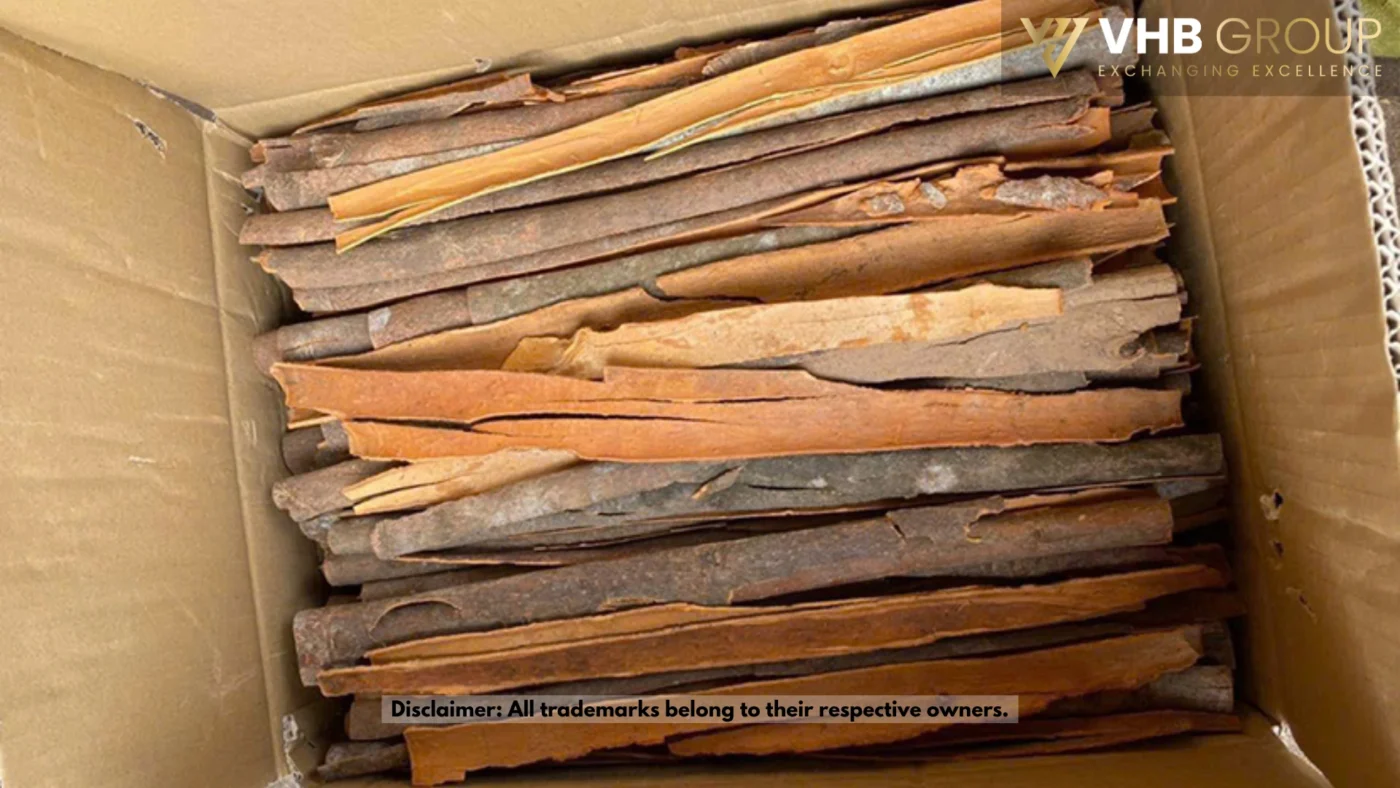
Selecting the correct Split Cassia Cinnamon Bag SKUs Wholesale List is a critical operational step for spice importers, international commercial grinders, and commodity distributors aiming to capture the lucrative global seasoning market. The export supply chain offers a highly specific range of traditional PP woven sacks and massive pressed cardboard cartons engineered to meet diverse industrial consumption habits—from boutique spice blending to massive commercial bakery supply.
For global procurement teams who are currently optimizing their Split Cassia Cinnamon Bulk Wholesale Supply import strategy, familiarizing yourself with the exact physical dimensions, metric weights, and volume configurations of these SKUs is absolutely mandatory. This knowledge allows supply chain directors to perfectly maximize ocean container payloads, prevent bark breakage, and forecast accurate gross profit margins prior to ordering.
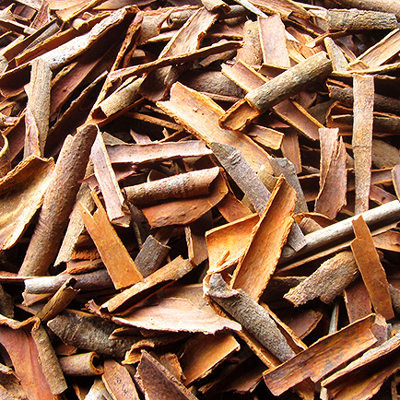
Table of Contents
-
Understanding Core Woven Bag Formats
-
Pressed Carton Logistics
-
Carton and Bag Logistics for the Split Cassia Cinnamon Bag SKUs Wholesale List
-
How Packaging Preserves Essential Oils
-
Conclusion
Understanding Core Woven Bag Formats
The foundation of any successful agricultural commodity portfolio begins with the core, high-turnover packaging variants. The standard export bags are universally recognized by their heavy-duty textures, making them instantly identifiable in customs warehouses and grinding facilities globally.
The 25kg and 50kg PP Woven Bags
A legacy flagship product in this lineup is the standard Polypropylene (PP) woven sack. Packaged in a robust, breathable format, this specific SKU contains the exact optimal volume for manual palletization and traditional warehouse storage. While highly cost-effective, loose split cassia in PP bags has a high volumetric weight (meaning it takes up a lot of physical space relative to its actual weight). Consequently, a 40ft shipping container loaded with loose bags will “cube out” (run out of space) before it hits its maximum weight limit.
Pressed Carton Logistics
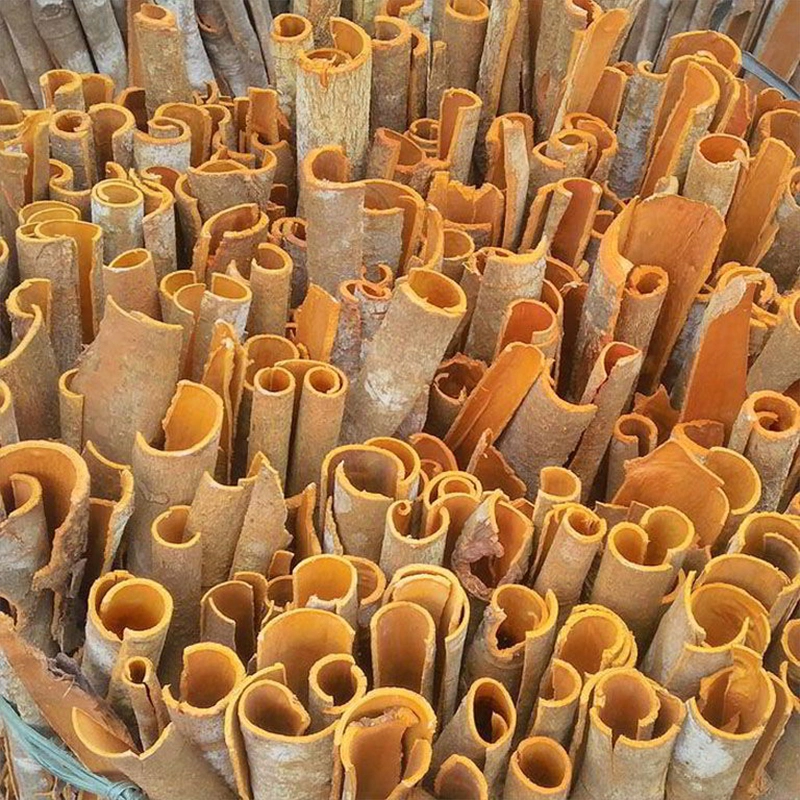
To aggressively optimize ocean freight economics, the manufacturing facilities have heavily shifted toward a specialty pressed portfolio for industrial buyers. Integrating these pressed packs dynamically protects your retail offering and drastically lowers your shipping cost per metric ton.
The 10kg to 25kg Pressed Cartons
For premium, high-oil split cassia, the bark is mechanically pressed by massive hydraulic machines into dense, compact blocks before being placed inside heavy-duty corrugated cartons lined with a thin PE bag. This format compresses the air out of the bark. Operationally, this allows an importer to fit significantly more metric tons into a single 40ft High Cube container (up to 25 MT), dramatically lowering the landed ocean freight cost of the spice.
Carton and Bag Logistics for the Split Cassia Cinnamon Bag SKUs Wholesale List
When procuring bulk commodities for massive industrial food processing, buyers heavily rely on optimized packaging configurations. A deep understanding of these logistical formats in the Split Cassia Cinnamon Bag SKUs Wholesale List is absolutely essential for industrial operations.
| SKU Variant | Fill Weight | Freight Density Strategy | Container Payload (40ft HC) | Primary Manufacturing Channel |
| Pressed Carton | 10kg / 25kg | Maximum Density (Hydraulic Press) | ~25 Metric Tons | Industrial Grinders |
| PP Woven Bag | 25kg / 50kg | Low Density (Loose Bark) | ~20-22 Metric Tons | Commercial Spice Brands |
| Traditional Jute | 50kg | Low Density (Loose Bark) | ~20 Metric Tons | Traditional Wholesale |
How Packaging Preserves Essential Oils
The physical design of the product packaging plays a massive role in preserving the financial value of the spice. Split cassia bark contains highly volatile essential oils that dictate its pungent aroma and commercial grading.

If the spice loses its moisture content or is exposed to excessive heat and oxygen during a long ocean voyage, the essential oils evaporate, destroying the bright aromatics that dictate its premium price. Utilizing pressed cartons with internal plastic liners halts this evaporation and prevents mold (fungus) development by keeping ambient humidity out of the carton. This ensures that the grinder receives a product that tastes exactly as it did when it left the drying patios at the origin farm.
Conclusion
Mastering the catalog of available export packaging is the baseline for executing a highly profitable international agricultural import strategy. By understanding the distinct physical and commercial differences between the loose PP woven sacks and the highly optimized pressed cartons, distributors can selectively curate perfect container loads that guarantee the preservation of delicate flavor profiles while maximizing ocean freight economics. To optimize your wholesale inventory and secure the best FOB pricing, reach out to your designated agricultural consolidator today.
Split Cassia Packaging FAQ
Disclaimer: Unless otherwise stated, the images used in this article are the property of their respective owners. We do not claim ownership of any third-party images featured, and they are used here strictly for informational and educational purposes. If you are the copyright holder and wish to have an image removed, please contact us.