
Understanding the exact Split Cassia Cinnamon Essential Oil Facts is absolutely essential for commercial spice grinders, international culinary buyers, and industrial food manufacturers who want to comprehend why this specific botanical variant is the most highly demanded cinnamon in the global market. Unlike delicate, mild Ceylon cinnamon, Vietnamese Cassia is meticulously cultivated and harvested to provide an explosive, high-oil content that delivers a sharp, spicy-sweet heat that directly appeals to commercial bakeries and premium culinary standards.
For international procurement teams and supply chain managers looking to capitalize on this immense global demand, reviewing the operational logistics of the Split Cassia Cinnamon Bulk Wholesale Supply line is the mandatory next strategic step. However, before investing in bulk container loads, buyers must fully understand the chemical, nutritional, and agricultural components that make this raw bark a high-velocity commodity across mainstream food manufacturing and FMCG sectors.
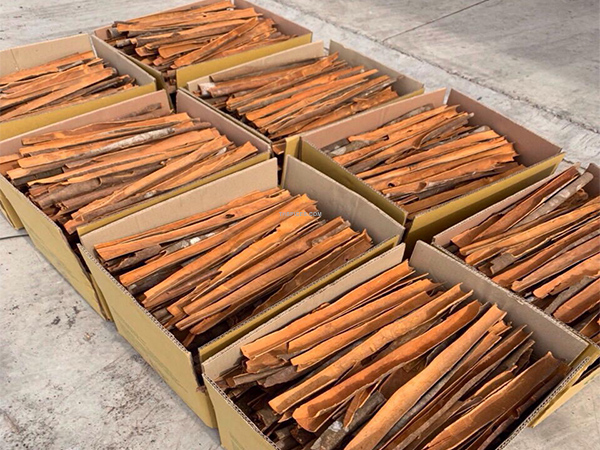
Table of Contents
-
Core Botanical Profile and Characteristics
-
The Harvesting and Sun-Drying Process
-
Flavor Profile: Essential Split Cassia Cinnamon Essential Oil Facts
-
Chemical Breakdown and Cinnamaldehyde Synergy
-
Conclusion
Core Botanical Profile and Characteristics
When analyzing the massive commercial success of this globally traded commodity, the primary differentiator lies in the precise botanical development of the Cinnamomum cassia tree.
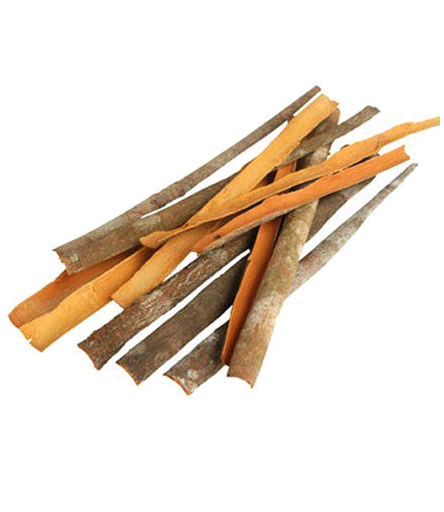
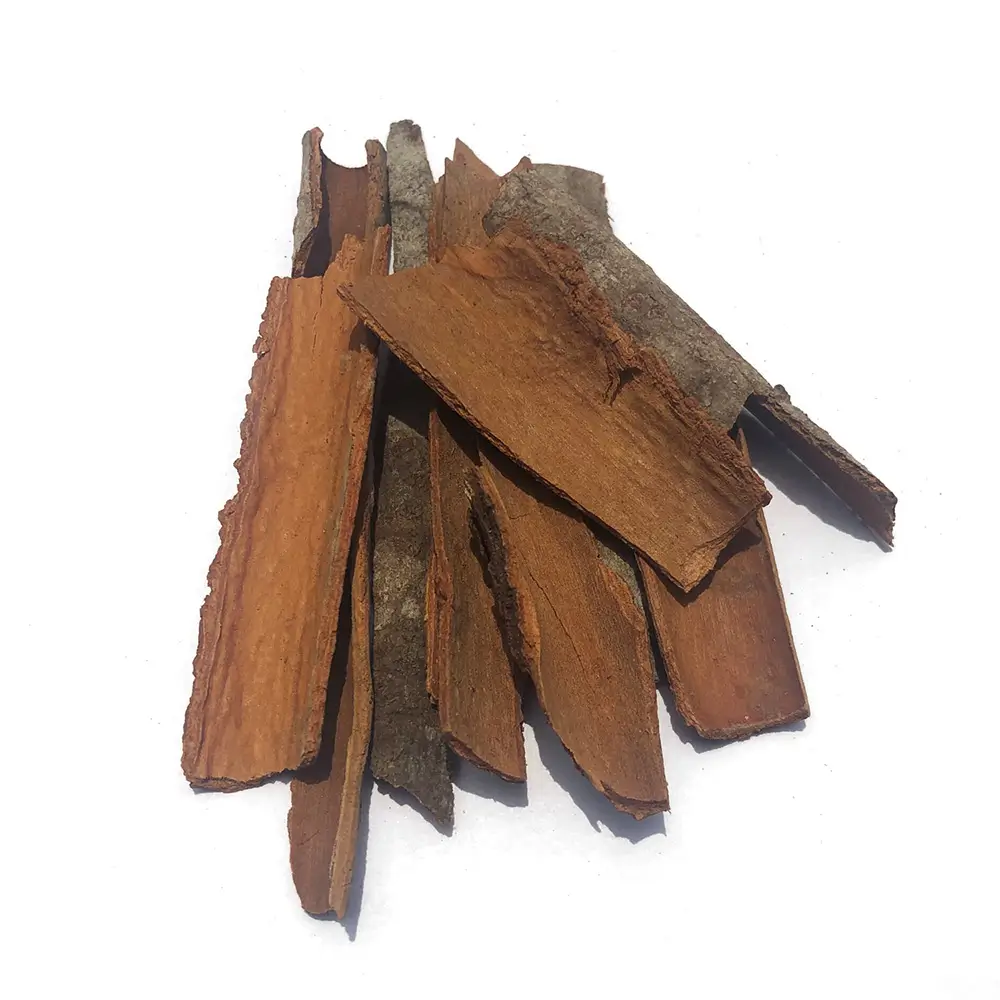
Unlike other spices derived from seeds or fruit, cinnamon is derived strictly from the inner bark of the tree. The split cassia format is created by harvesting the bark from mature trees (typically 10 to 15 years old, allowing maximum oil accumulation). The bark is stripped, the rough outer cork is meticulously removed, and the thick inner bark is mechanically split into long, uniform strips. This thick structure acts as a natural protective vault, locking in the incredibly volatile essential oils that degrade when exposed to oxygen or poor warehousing.
The Harvesting and Sun-Drying Process
A critical element within the agricultural profile is the crop’s unique geographical cultivation and curing requirements, heavily focused in the mountainous, high-altitude climates of Northern and Central Vietnam.
Once the thick strips of bark are harvested and split, they undergo a rigorous sun-drying process. The bark is spread out on massive patios or tarps to dry under the intense equatorial sun. During this sun-drying phase, the moisture content is rapidly reduced from over 40% down to a strict 13.5%. As the bark dries, the natural essential oils concentrate, and the bark takes on its signature hard, woody texture and deep reddish-brown coloration.
Flavor Profile: Essential Split Cassia Cinnamon Essential Oil Facts
The most distinctive physical characteristic of the spice upon grinding is its robust, aggressively spicy-sweet flavor profile which cuts through rich, fat-heavy baked goods instantly.
Balancing Pungency and Aromatics
The high-quality split bark provides an incredibly sharp, woody heat. The Split Cassia Cinnamon Essential Oil Facts matrix is heavily determined by its Volatile Oil (VO) content. Standard commercial cassia contains roughly 1.5% to 2.0% VO, while premium Vietnamese Yen Bai cassia can reach an astounding 3.0% to 4.5% VO. This massive oil concentration provides a perfectly balanced, explosive flavor profile when crushed, meaning commercial bakeries can use significantly less powder to achieve the same intense flavor.
Chemical Breakdown and Cinnamaldehyde Synergy
To fully grasp the commercial appeal, extraction facilities and spice blenders must analyze the macro-chemical profile. The bark is carefully calibrated by nature for optimal flavor complexity and preservation.
| Chemical Component | Content Range | Primary Function in Culinary Use |
| Volatile Oil (VO) | 2.0% – 4.5% | The primary indicator of quality, dictating the total aromatic strength. |
| Cinnamaldehyde | 75% – 90% of VO | The specific organic compound responsible for the signature cinnamon flavor. |
| Moisture Content | < 13.5% | Strictly controlled to prevent mold (aspergillus) and ensure safe global export. |
| Coumarin | Naturally Occurring | A fragrant organic chemical compound natural to all Cassia varieties. |
Conclusion
Mastering the foundational botanical facts is the definitive key to understanding its unstoppable global commercial velocity. From the powerful extraction of high cinnamaldehyde yields to the precision mechanics of industrial food seasoning, every single element of this crop is designed to deliver a premium, highly intense experience. For international distributors and commercial grinders, stocking this authentic whole spice guarantees access to a highly profitable supply chain. Contact your preferred procurement partner today to secure your wholesale agricultural allocation.
Split Cassia Essential Oil FAQ
Disclaimer: Unless otherwise stated, the images used in this article are the property of their respective owners. We do not claim ownership of any third-party images featured, and they are used here strictly for informational and educational purposes. If you are the copyright holder and wish to have an image removed, please contact us.