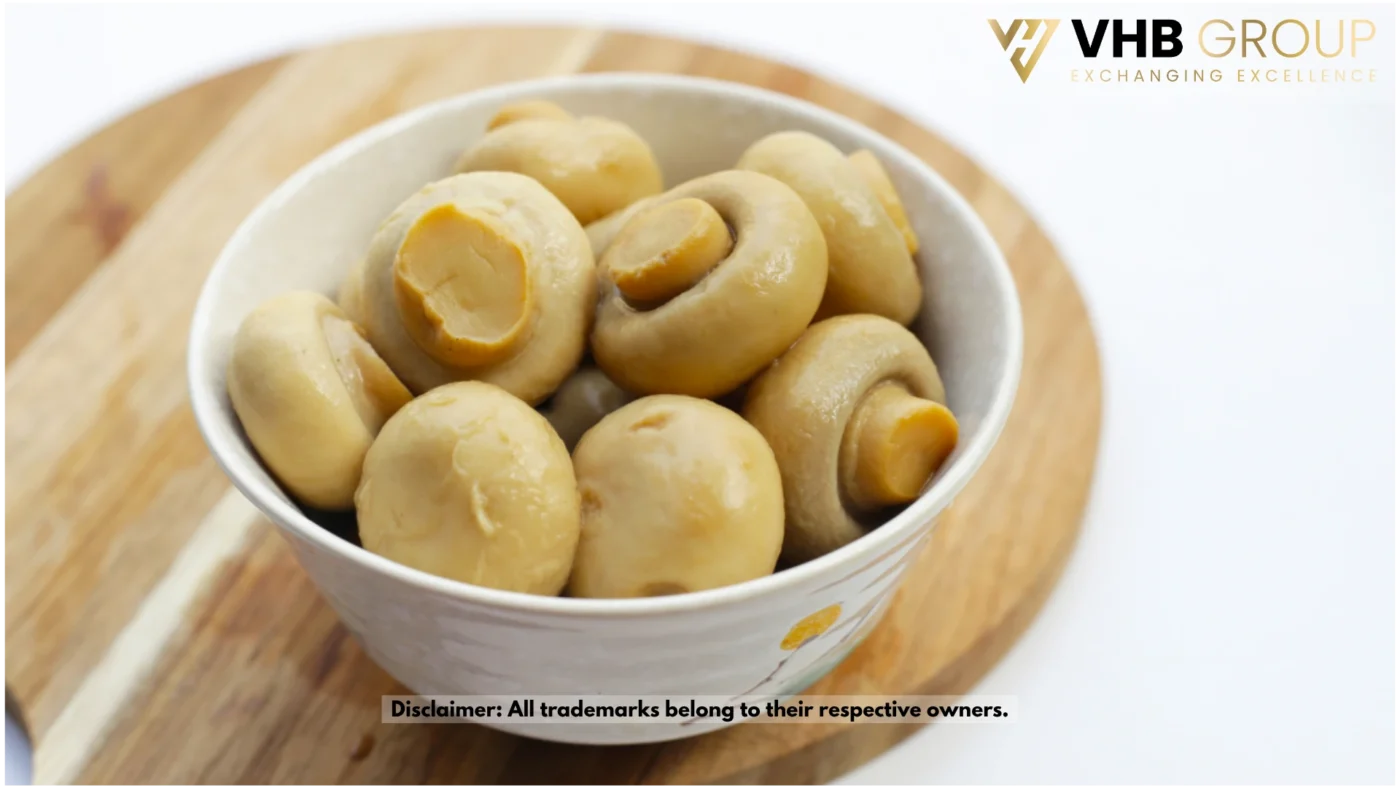
Tracing the exact Canned Mushrooms Sourcing Origin Specifications is a fundamental requirement for food importers, quality assurance directors, and international retail brand managers. Understanding exactly where the raw crop is cultivated, harvested, and thermally processed highlights why specific global agricultural hubs command such a massive presence on the premium commodity market. The unique combination of highly regulated indoor climate-controlled farming, intense manual harvesting, and advanced localized canning creates a highly traceable, premium supply chain.
For procurement executives managing bulk container shipments through wholesale networks, complete transparency regarding the origin of the harvest is crucial for passing stringent food safety regulations and securing consumer trust in high-end retail markets. This guide breaks down the agricultural and industrial supply chain that fuels one of the world’s most heavily traded canned vegetables.
Table of Contents
-
The Agricultural Core of Fungi Sourcing
-
Thermal Processing and Canning Hubs
-
Tracing Regions: China, Europe, and the Global Belt
-
Why Origin Specifications Matter for Importers in Canned Mushrooms Sourcing Origin Specifications
-
Conclusion
The Agricultural Core of Fungi Sourcing
When evaluating the supply chain, the journey involves massive, technologically advanced indoor growing facilities across Asia and Europe. Unlike crops that rely on seasonal weather and sun-drenched fields, the supply chain for premium canned mushrooms requires highly synchronized, climate-controlled farming, ensuring that the processing plant can operate year-round regardless of outside conditions.
View Mushroom Cultivation Facility Reference on Wikimedia Commons
Indoor Cultivation and Hand-Harvesting
The global market prioritizes canned vegetables sourced explicitly from sophisticated growing facilities. By sourcing directly from highly productive regional farming collectives (such as those in Fujian province, China or the Netherlands), massive canning conglomerates guarantee they are receiving authentic, dense Agaricus bisporus varieties. Factories grow the mushrooms on sterilized compost in dark, temperature- and humidity-controlled rooms. Because mushrooms bruise easily, they are often hand-picked in massive “flushes” and rushed directly to the canning facility within hours to prevent degradation, ensuring a perfectly intact, pale white button.
Thermal Processing and Canning Hubs
The raw mushrooms only form the first step; the intensive washing, blanching, slicing, and thermal processing forms the critical second half of the journey.
View Industrial Canning Line Reference on Wikimedia Commons
Advanced Retorting and Pasteurization
The heart of premium export production takes place in highly sanitized, ISO 22000, HACCP, and BRC-certified processing complexes located near massive global export ports like Xiamen or Rotterdam. It is here that the fresh mushrooms are vacuum-hydrated, aggressively washed, and blanched to shrink them to their final size. They are mechanically sliced or left whole, and dropped into empty cans. A precise mixture of hot water and salt brine is added. The cans are hermetically double-seamed and immediately pushed into massive pressure cookers (retorts). This extreme heat sterilization kills all pathogens and botulism spores. After rapid cooling, the cans are labeled, shrink-wrapped, and loaded onto pallets for global export.
Tracing Regions: China, Europe, and the Global Belt
While mushrooms are cultivated globally, the canned export commodity is sourced through highly specialized, cost-effective regional supply chains.
| Sourcing Region | Primary Geography | Agricultural and Export Characteristics |
| China | Fujian, Shandong | The undisputed global king of canned mushroom export. Massive infrastructure, unparalleled volume, highly competitive FOB pricing, and world-class BRC-certified canning facilities. |
| The Netherlands | Southern Provinces | Massive volume producer, highly automated, heavily targeting European Union retail markets and premium quality standards. |
| Poland / Spain | Regional Hubs | Strong producers within Europe, focusing heavily on intra-EU trade and premium glass-jar formats. |
| United States | Pennsylvania (Kennett Square) | Massive volume producer, primarily serving the domestic North American market due to higher production costs compared to Asian export hubs. |
Why Origin Specifications Matter for Importers in Canned Mushrooms Sourcing Origin Specifications
For B2B buyers, understanding the Canned Mushrooms Sourcing Origin Specifications and logistical path is an absolute operational requirement for passing international border control and meeting the extreme food safety targets of modern retail packaging.
When clearing international customs, importers must provide verified Certificates of Origin (COO), Health Certificates, and processing registrations (such as US FDA FCE/SID numbers for low-acid canned foods). Knowing that the product is processed in globally audited, export-grade facilities entirely eliminates the risk of cargo confiscation due to botulism risks, improper seaming, or rust at the destination port, ensuring smooth inventory turnover for the retail brand. Sourcing specifically from optimized Chinese or European hubs guarantees the robust processing infrastructure required to deliver perfect texture and food safety year-round.
Conclusion
Total visibility into the origin of your agricultural supply chain empowers commodity distributors with absolute confidence in the quality, safety, and visual perfection of their imported vegetable inventory. By combining highly controlled indoor cultivation with meticulous harvesting and precision thermal retort technology, the supply chain delivers a perfectly standardized, aesthetically stunning product built for global premium export. For international procurement teams aiming to leverage this highly lucrative supply chain, partner with an established agricultural export consolidator today to secure your wholesale shipments.