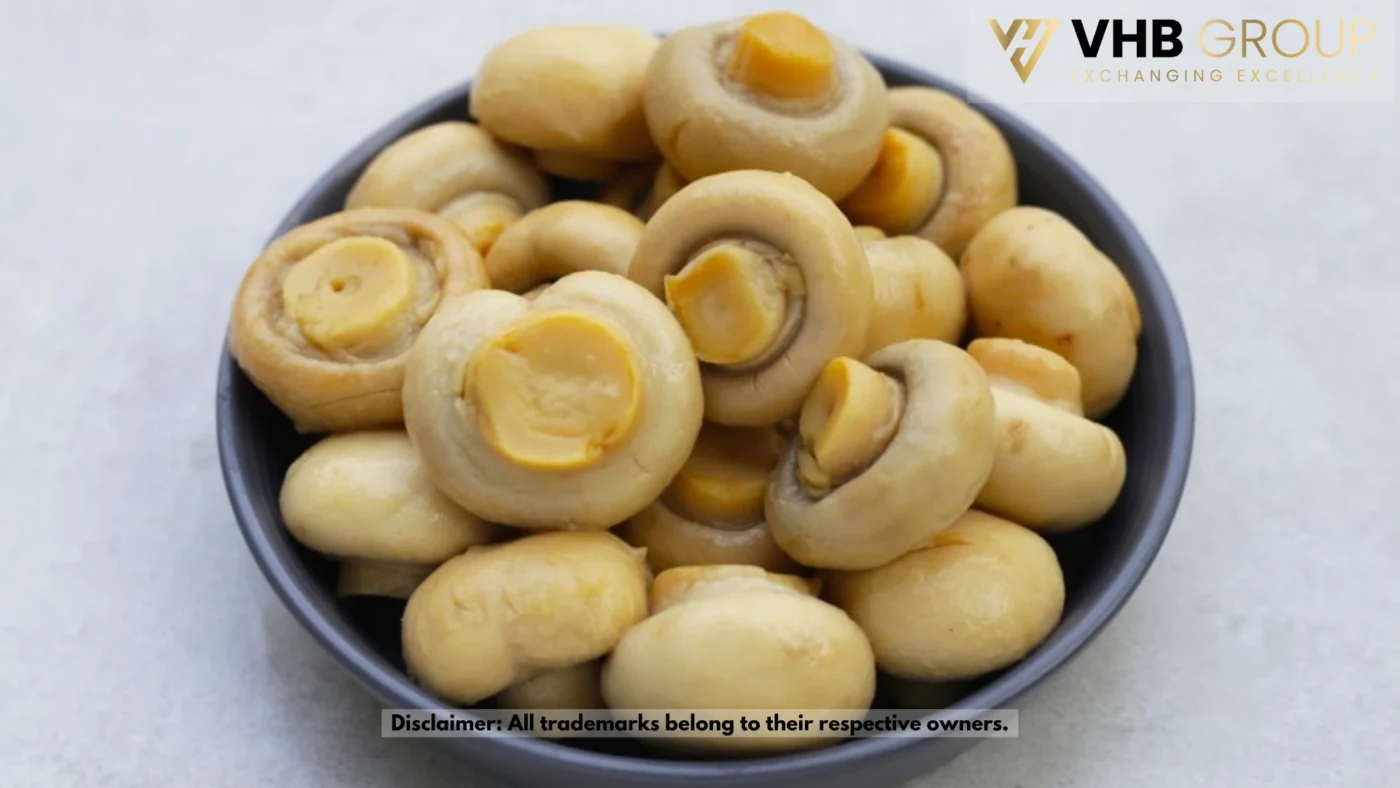
Understanding the exact Canned Mushrooms Texture & Culinary Facts is absolutely essential for commercial caterers, pizza franchise directors, and international supermarket buyers who want to comprehend why this specific botanical variant dictates the global preserved fungi economy. Unlike fresh mushrooms which are highly perishable and shrink drastically when cooked, canned Agaricus bisporus are meticulously cultivated, blanched, and canned to provide a highly stable, umami-rich ingredient that serves as the economic backbone of mass-market retail foods and restaurant toppings.
For international procurement teams and supply chain managers looking to capitalize on this immense global demand, reviewing the operational logistics of the wholesale supply chain is the mandatory next strategic step. However, before investing in bulk container loads, buyers must fully understand the physical, chemical, and culinary components that make this specific grade the most heavily utilized canned mushroom across commercial food manufacturing sectors.
Table of Contents
-
Core Botanical Profile and Button Varieties
-
The Blanching and Processing Synergy
-
Flavor Profile: Essential Canned Mushrooms Texture & Culinary Facts
-
Nutritional Breakdown and Umami Synergy
-
Conclusion
Core Botanical Profile and Button Varieties
When analyzing the massive commercial success of this globally traded commodity, the primary differentiator lies in the precise, controlled cultivation of the Agaricus bisporus species, commonly known as the white button mushroom.
View Agaricus bisporus Mushroom Reference on Wikimedia Commons
Canned mushrooms are derived almost exclusively from this specific species. Agricultural facilities have optimized the indoor growing environment to produce massive, uniform flushes of these fungi. This botanical engineering ensures that the mushroom retains a firm cap and dense cellular structure that can survive the intense heat and pressure of the commercial canning process without turning completely into mush, preserving the structural integrity required for slicing and industrial food application.
The Blanching and Processing Synergy
A critical element within the agricultural profile is the crop’s unique requirement for controlled blanching and brine stabilization.
View Sliced Canned Mushrooms Reference on Wikimedia Commons
Unlike fresh produce, mushrooms for canning undergo a significant textural transformation. To preserve the premium export quality, factories mandate that the mushrooms must be washed and vacuum-hydrated to remove air from the porous tissue. They are then rapidly blanched in hot water. This blanching step is crucial; it shrinks the mushroom to its final cooked size before canning, meaning that the buyer receives a consistent drained weight. The blanching also deactivates enzymes that cause the mushroom to turn brown or black, ensuring the final product maintains a clean, pale color inside the tin.

Flavor Profile: Essential Canned Mushrooms Texture & Culinary Facts
The most distinctive physical characteristic of the ingredient upon opening the tin is its robust, earthy aroma and a tender, slightly chewy texture that holds up perfectly under secondary cooking.
Balancing Earthiness and Texture
Because the product is packed in a neutral brine, the Canned Mushrooms Texture & Culinary Facts matrix is heavily characterized by its savory depth and resilience. Premium export grades typically feature a firm bite rather than a rubbery or disintegrated texture. The canning process cooks the mushroom in its own juices alongside the brine, concentrating the natural glutamates. The resulting flavor is a perfectly balanced earthy umami, allowing it to hold its structure and flavor perfectly when baked at high temperatures on pizzas or simmered for hours in commercial soups and gravies.
Nutritional Breakdown and Umami Synergy
To fully grasp the commercial appeal, food service facilities and commercial blenders must analyze the macro-chemical profile. The mushroom is carefully calibrated by nature and the canning liquid for optimal flavor preservation and low-calorie appeal.
| Nutritional Component | Content per 100g (Approx.) | Primary Function in Culinary Use |
| Glutamates | High | Provides the deep, savory “umami” flavor that acts as a natural flavor enhancer in savory dishes. |
| Total Carbohydrates | ~3g – 4g | Extremely low calorie; suitable for almost all commercial dietary requirements. |
| Sodium (From Brine) | ~300mg – 400mg | Salt is added to the canning water to enhance the earthy flavor and act as a mild preservative. |
| Protein & Fiber | ~2g | Provides nutritional value while remaining highly digestible. |

Conclusion
Mastering the foundational botanical and processing facts is the definitive key to understanding its unstoppable global commercial velocity in mass-market food production. From the careful management of indoor cultivation to the precision mechanics of vacuum-hydration and retort sterilization, every single element of the canned mushroom is designed to deliver a highly functional, perfectly consistent, and delicious culinary experience. For international distributors and commercial kitchens, stocking this authentic agricultural product guarantees access to a highly liquid, highly profitable supply chain. Contact your preferred procurement partner today to secure your wholesale agricultural allocation.
Canned Mushrooms Culinary FAQ
Disclaimer: Unless otherwise stated, the images used in this article are the property of their respective owners. We do not claim ownership of any third-party images featured, and they are used here strictly for informational and educational purposes. If you are the copyright holder and wish to have an image removed, please contact us.