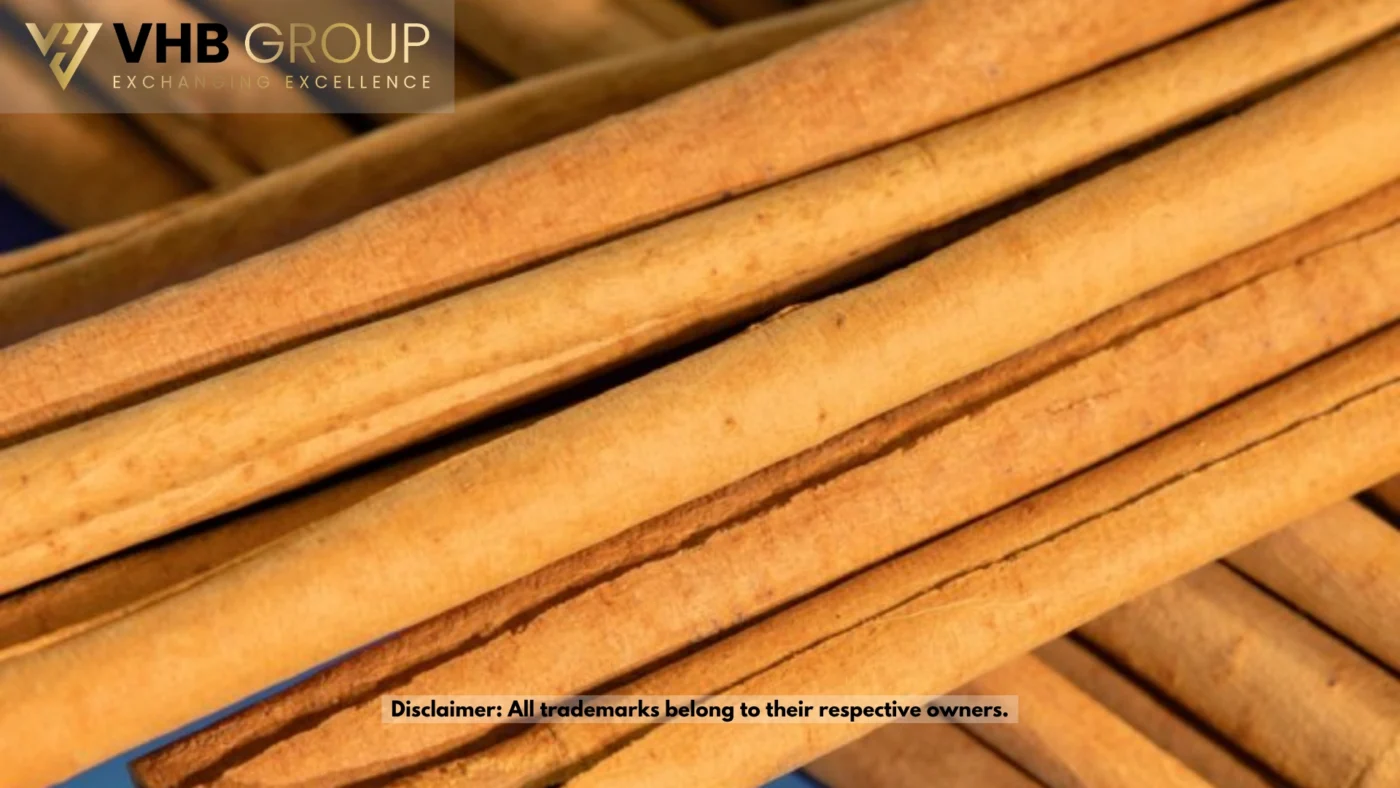
Understanding the exact Split Cassia Cinnamon Essential Oil & Aroma Facts is absolutely essential for agricultural importers, international spice buyers, and FMCG distributors who want to comprehend why this specific spice commands a premium commercial value in the global market. Unlike true Ceylon cinnamon which is delicate and floral, split cassia undergoes a highly specific peeling and drying process that preserves its incredibly dense, thick bark structure and traps its aggressive, sweet-spicy essential oils, directly appealing to demographics and food scientists seeking intense, bake-stable flavors.
For international procurement teams and supply chain managers looking to capitalize on this immense global demand, reviewing the operational logistics of the wholesale supply chain is the mandatory next strategic step. However, before investing in bulk container loads, buyers must fully understand the chemical, physical, and sensory components that make this split botanical a high-margin retail juggernaut.
Table of Contents
-
The Botanical Base: Cinnamomum Cassia
-
The Splitting and Sun-Drying Process
-
Sensory Profile: Essential Split Cassia Cinnamon Essential Oil & Aroma Facts
-
Chemical Safety and Dietary Synergy
-
Wholesale Botanical Integration

The Botanical Base: Cinnamomum Cassia
When analyzing the massive commercial success of this globally recognized spice, the primary differentiator lies in the species and age of the harvested botanical.
While Ceylon cinnamon (Cinnamomum verum) utilizes the fragile inner bark of young shoots, commercial Cassia (Cinnamomum cassia or Cinnamomum loureiroi for Vietnamese Saigon Cassia) is harvested from much older, mature trees (often 10 to 20 years old). This extended maturation period results in a thick, dense bark that acts as a robust storage vessel for extraordinary levels of volatile essential oils. This botanical density ensures that when the bark is ground into powder or used in slow-cooking commercial extraction, it delivers a massive yield of intense flavor that does not evaporate or cook off at high temperatures.
The Splitting and Sun-Drying Process
A critical element within the manufacturing cycle is the heavy reliance on manual peeling and controlled moisture evaporation.
View Cassia Bark Drying Reference on Wikimedia Commons
To transform the thick, freshly harvested tree bark into premium “split” cassia, agricultural processors must first strip away the rough, flavorless outer cork (the epidermis). This peeling process exposes the highly aromatic inner layers. The bark is then mechanically or manually split into uniform, flat or slightly curled strips. These strips are laid out on vast tarpaulins to sun-dry. The heat of the sun naturally curls the edges inward slightly and drops the moisture content down to safe export levels (below 13.5%), locking the essential oils into the rigid woody matrix of the bark.
Sensory Profile: Essential Split Cassia Cinnamon Essential Oil & Aroma Facts
The most distinctive physical characteristic of perfectly processed split cassia is its deep, reddish-brown color, its rigid structure, and the immediate, aggressive aromatic burst of sweet spice released upon breaking or grinding.
Balancing Cinnamaldehyde, Sweetness, and Heat
The Split Cassia Cinnamon Essential Oil & Aroma Facts matrix is heavily characterized by its unique chemical composition. The dominant compound is Cinnamaldehyde, which is responsible for the aggressive, spicy “red hot” flavor and intense sweetness associated with commercial cinnamon. Vietnamese split cassia, in particular, is globally renowned for possessing the highest volatile oil content in the world (frequently 3% to 6%), providing a massive flavor impact that requires commercial bakers to use far less product by volume compared to cheaper, low-oil Indonesian Korintje variants.
Chemical Safety and Dietary Synergy
To fully grasp the commercial appeal, FMCG food distributors must analyze the macro-chemical and safety profile. A standard bulk carton is carefully calibrated for maximum shelf stability and sensory delivery.
| Culinary Component | Function in the Matrix | Safety & Quality Profile |
| Cinnamaldehyde | Provides the sharp, intense heat and sweet cinnamon aroma. | High levels indicate superior agricultural quality and tree maturity. |
| Coumarin | A naturally occurring flavoring compound in Cassia. | Heavily monitored; strict limits exist in the EU for baked goods. |
| Moisture Content | Dictates exact shelf stability and prevents mold. | Must be strictly maintained below 13.5% to prevent fungal growth. |
| Outer Cork Removal | Dictates the visual purity and flavor density of the grade. | Proper splitting and peeling removes bitter, woody off-flavors. |

Wholesale Botanical Integration
Mastering the core culinary facts and drying matrices is the definitive key to understanding this product’s unstoppable global retail velocity in the spice aisle. From the careful selective harvesting of mature trees to the precision engineering of the peeling and splitting process, every single element of this processing cycle is designed to deliver a premium, highly pungent culinary ingredient. For international distributors and commercial kitchens, stocking authentic Southeast Asian split cassia guarantees access to a highly loyal, quality-focused commercial consumer base.
Split Cassia Aroma Facts FAQ
Disclaimer: Unless otherwise stated, the images used in this article are the property of their respective owners. We do not claim ownership of any third-party images featured, and they are used here strictly for informational and educational purposes. If you are the copyright holder and wish to have an image removed, please contact us.