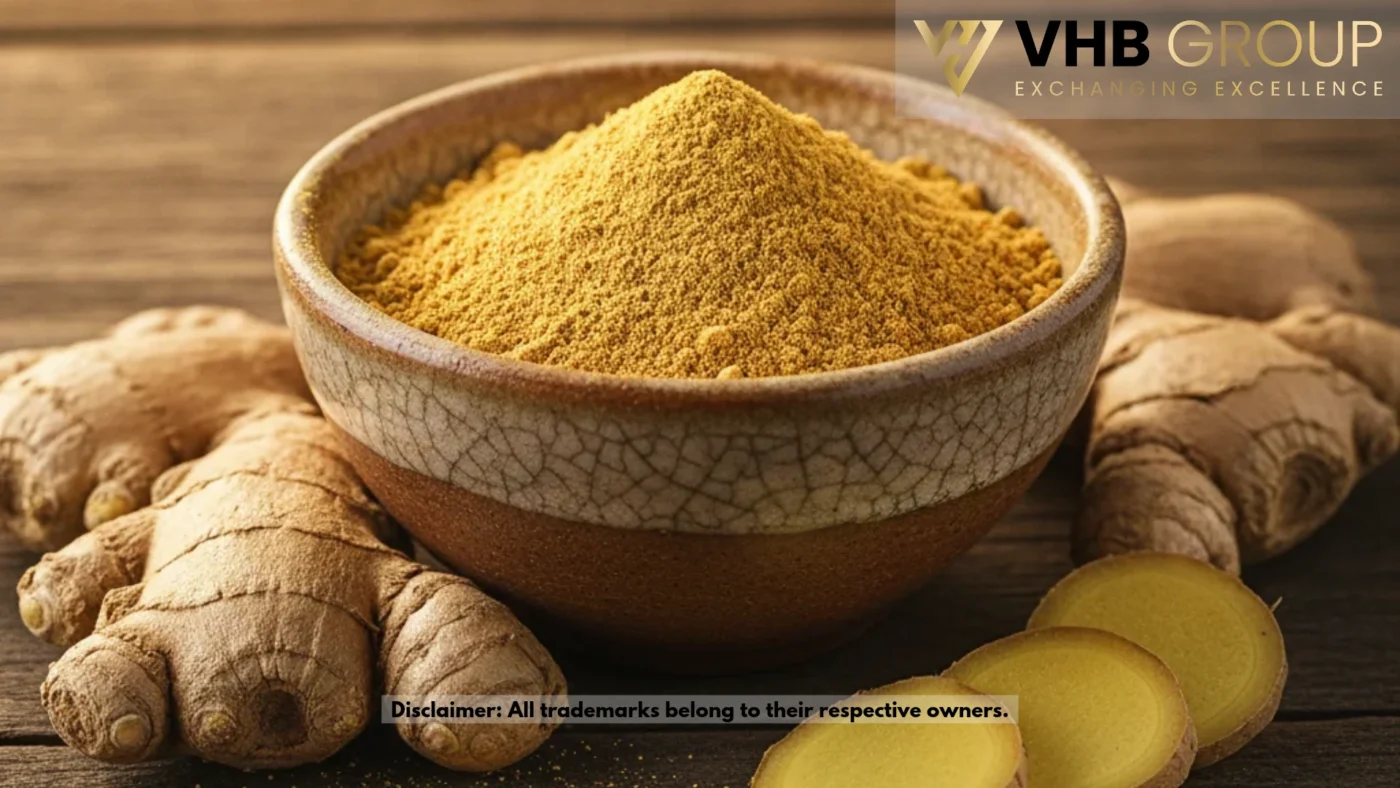
Selecting the correct Ginger Powder Bag SKUs Wholesale Catalog formats is a critical operational step for spice importers, industrial food processors, and wholesale distributors aiming to protect aromatic potency during long-haul maritime transit. Because finely milled ginger powder is highly hygroscopic and rich in volatile essential oils, the export packing lines offer a targeted range of multi-wall kraft bags, laminated woven sacks, corrugated cartons, and bulk FIBC totes engineered to lock out humidity and maximize container payloads.
For global procurement teams who are currently optimizing their wholesale import strategy, familiarizing yourself with the exact net weights, barrier liner specifications, and palletization metrics of these SKUs is absolutely mandatory. This knowledge allows supply chain directors to prevent moisture caking in humid ocean containers, streamline warehouse handling, and forecast accurate landed costs prior to ordering.
Table of Contents
-
Understanding the Core Industrial 25 kg Multi-Wall Kraft Bag
-
Carton-Lined Export Packs and Bulk FIBC Totes
-
Master Logistics for Ginger Powder Bag SKUs Wholesale Catalog
-
How Barrier Packaging Preserves Volatile Oils
-
Logistics and SKU Optimization
Understanding the Core Industrial 25 kg Multi-Wall Kraft Bag
The foundation of any B2B spice import portfolio begins with the global industry standard: the 25 kg multi-wall paper sack. Designed specifically for industrial food manufacturers and spice repackers, this format balances manual handling ergonomics with maximum barrier protection.
View Spice Sacks Reference on Wikimedia Commons
The 25 kg 3-Ply Kraft Paper Bag with PE Inner Liner
The absolute flagship SKU for international spice trade is the 25 kg bag constructed from three layers of heavy-duty virgin kraft paper housing a heat-sealed, food-grade polyethylene (PE) inner liner (typically 60–80 microns thick). The outer kraft layers provide high tensile strength against tearing and pallet friction, while the inner PE liner creates an airtight moisture barrier. Without this sealed inner liner, ginger powder rapidly absorbs ambient marine humidity, turning into rock-hard clumps and losing its essential oil aroma before reaching the destination warehouse.
Carton-Lined Export Packs and Bulk FIBC Totes
To serve both high-security retail repackers and massive automated food plants, export mills offer specialized secondary packaging formats.
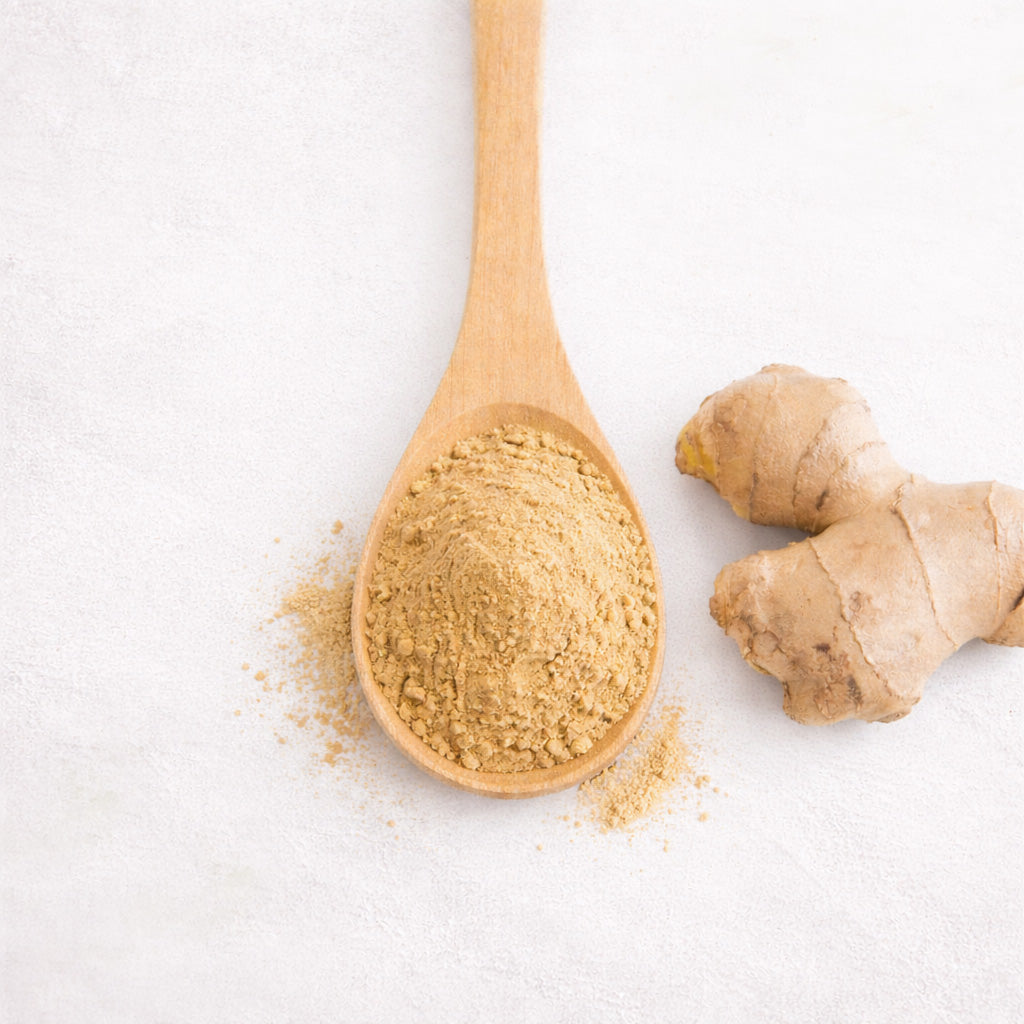
20 kg / 25 kg Corrugated Cartons and 500 kg–1,000 kg FIBC Totes
For buyers shipping to strict European or North American food-safety facilities that prohibit paper dust in cleanrooms, ginger powder is packed into 20 kg or 25 kg heavy-duty 5-ply corrugated cartons with a sealed blue food-grade PE liner inside (blue liners allow immediate visual detection of plastic fragments on production lines). Conversely, for massive beverage or seasoning plants utilizing automated pneumatic feeders, mills supply 500 kg to 1,000 kg FIBC (Flexible Intermediate Bulk Container) super sacks with discharge spouts and moisture-proof inner liners.
Master Logistics for Ginger Powder Bag SKUs Wholesale Catalog
When procuring ground ginger in bulk, buyers must calculate both bag count and container payload limits. A standard 20ft dry container typically loads between 13 and 15 metric tons of bagged ginger powder (floor-loaded or palletized), while a 40ft container accommodates 24 to 26 metric tons.
| SKU Variant | Net Weight | Packaging Construction | Typical 20ft FCL Load | Primary Distribution Channel |
| Standard Kraft Bag | 25 kg | 3-Ply Kraft + Sealed PE Liner | 520 – 600 Bags (13–15 MT) | Spice Blenders, Food Service |
| Cleanroom Carton | 20 kg / 25 kg | 5-Ply Carton + Blue PE Liner | 500 – 600 Cartons | EU/US Food & Nutraceutical Plants |
| Woven PP Sack | 25 kg / 50 kg | Laminated PP + PE Liner | 520 – 600 Sacks (25 kg) | Regional Wholesalers, Traders |
| Bulk FIBC Tote | 500 kg / 1,000 kg | Woven PP Super Sack + Liner | 10 – 14 Totes | Automated Industrial Factories |
How Barrier Packaging Preserves Volatile Oils
The physical barrier design of the export bag directly dictates the commercial shelf life of the spice. Ginger’s volatile oils (zingiberene) evaporate rapidly through porous paper or unlined woven sacks, and exposure to oxygen accelerates rancidity of the natural oleoresins. By utilizing heat-sealed, high-barrier PE or metallized foil liners inside rigid cartons or multi-wall bags, exporters lock in the volatile oil percentage for 18 to 24 months at ambient warehouse temperatures (< 25°C, < 60% relative humidity).
Logistics and SKU Optimization
Mastering the catalog of available bulk bag SKUs is the baseline for executing a highly profitable international spice import strategy. By selecting 25 kg PE-lined kraft bags for general distribution, blue-lined cartons for strict cleanroom food plants, or FIBC totes for automated factories, procurement directors eliminate transit clumping and maximize per-kilogram margin efficiency.
Ginger Powder Bag SKUs FAQ
Disclaimer: Unless otherwise stated, the images used in this article are the property of their respective owners. We do not claim ownership of any third-party images featured, and they are used here strictly for informational and educational purposes. If you are the copyright holder and wish to have an image removed, please contact us.