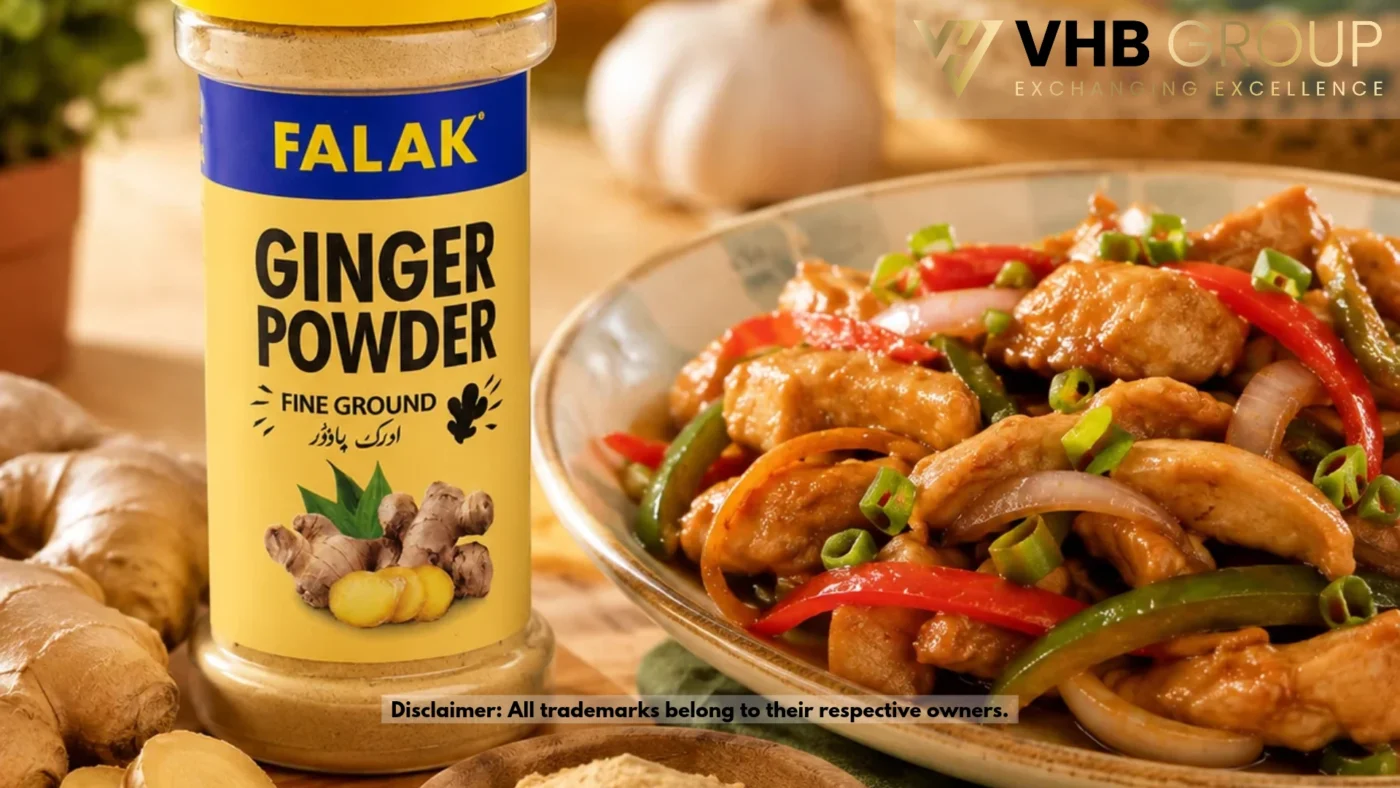
Tracing the exact Ginger Powder Sourcing Origin Details is a fundamental requirement for spice importers, regulatory assurance directors, and international supply chain managers. Because soil composition, rainfall, and harvest maturity directly dictate a rhizome’s gingerol pungency, fiber content, and volatile oil yield, understanding the exact agricultural regions—and the post-harvest drying and milling infrastructure—separates reliable, compliant spice imports from high-risk spot-market lots.
For procurement executives managing bulk container shipments through wholesale networks, complete transparency from farm gate to export mill is crucial for passing stringent customs regulations (especially regarding pesticide MRLs, heavy metals, and sulfur-dioxide limits) and securing long-term buyer trust. This guide breaks down the agricultural and industrial supply chain that fuels the world’s premier ginger powder export hubs.
Table of Contents
-
The Agricultural Core of Ginger Sourcing (Vietnam, China, India)
-
Washing, Slicing, Drying, and Steam-Sterilization Facilities
-
Tracing Origin Characteristics by Region
-
Why Origin Specifications Matter for Importers
-
Supply Chain Assurance

The Agricultural Core of Ginger Sourcing (Vietnam, China, India)
When evaluating the global supply chain for bulk ginger powder, three premier Asian origins dominate international trade, each offering distinct culinary and commercial advantages:
-
Vietnam (Northern Highlands & Central Provinces): Rapidly growing as a premier export origin for high-oil, pungent buffalo ginger and native yellow ginger cultivated in provinces like Lang Son, Bac Giang, and Nghe An. Vietnamese ginger is prized for its intense aroma, bright yellow interior, and competitive FOB pricing.
-
China (Shandong & Yunnan Provinces): The world’s largest volume producer, offering massive industrial scale, advanced automated washing and dehydration lines, and highly uniform, low-fiber yellow ginger powder.
-
India (Kerala & Karnataka): Renowned globally for traditional high-pungency Cochin and Calicut ginger cultivars, prized for their exceptionally high volatile oil content and warm, lemony-spicy profile.
Washing, Slicing, Drying, and Steam-Sterilization Facilities
The raw harvested rhizome only forms half the equation; the post-harvest sanitation and controlled dehydration cycle is what transforms a soil-grown root into a safe, export-ready food ingredient.
View Fresh Ginger Rhizomes Reference on Wikimedia Commons
Inside ISO 22000 and HACCP-certified export processing plants, mature ginger rhizomes (harvested at 8–10 months for maximum dry matter and oil content) undergo high-pressure mechanical washing to remove all soil and sand. The roots are peeled or semi-peeled, sliced uniformly, and dehydrated in controlled hot-air kiln dryers (preventing the dust, avian, and mold contamination common in open-air sun drying). Before or after cool-milling to the target 60–80 mesh, export-grade lots pass through rare-earth magnetic traps, metal detectors, and—for EU/US ready-to-eat buyers—saturated steam sterilization chambers to guarantee ultra-low microbiological counts.

Tracing Origin Characteristics by Region
Procurement teams select their sourcing origin based on target flavor profiles, regulatory requirements, and landed cost structures.
| Sourcing Origin | Typical Flavor & Oil Profile | Key Industrial Advantage |
| Vietnam | Intense, sharp pungency; vibrant yellow interior; high aroma. | Competitive FOB pricing; strong tariff advantages (EVFTA, RCEP). |
| China (Shandong) | Mild-to-medium clean heat; very pale yellow; low fiber. | Massive year-round volume; ultra-consistent automated milling. |
| India (Cochin) | Deep, complex, lemony warmth; very high volatile oil. | Iconic global reputation for premium curry and oleoresin extraction. |
Why Origin Specifications Matter for Importers
For B2B buyers, understanding the Ginger Powder Sourcing Origin Details and logistical path is an absolute operational requirement for passing international border control and meeting food safety compliance in modern retail and industrial environments.
Because ginger is a subterranean rhizome, it naturally absorbs minerals and agricultural inputs from the soil. Sourcing from audited, traceable origin mills ensures strict compliance with EU and US FDA limits on heavy metals (lead, cadmium, arsenic), pesticide Maximum Residue Limits (MRLs), and mycotoxins (aflatoxins and ochratoxin A). Furthermore, verified Certificates of Origin (COO) allow importers in Europe, Japan, and ASEAN to leverage Free Trade Agreements (such as the EVFTA for Vietnamese ginger) to reduce or eliminate import duties.

Supply Chain Assurance
Total visibility into the origin of your spice supply chain empowers distributors with absolute confidence in the purity, safety, and aromatic potency of their imported inventory. By combining mature rhizome harvesting with controlled kiln drying, cool-milling, and accredited laboratory verification, the supply chain delivers a perfectly standardized product built for global export.
Ginger Powder Sourcing Origin FAQ
Disclaimer: Unless otherwise stated, the images used in this article are the property of their respective owners. We do not claim ownership of any third-party images featured, and they are used here strictly for informational and educational purposes. If you are the copyright holder and wish to have an image removed, please contact us.