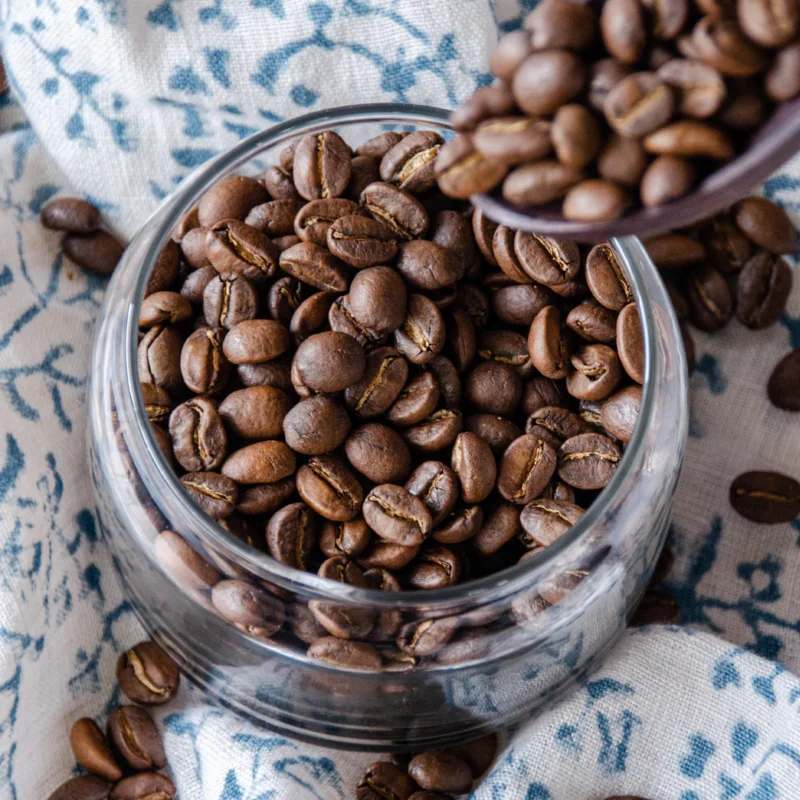
When sourcing agricultural commodities for the global beverage industry, understanding the fundamental Coffee Beans Facts is essential for ensuring product quality, cost-efficiency, and supply chain integrity. As the global coffee market expands, B2B buyers—ranging from multi-national roasters to specialty importers—face the challenge of navigating complex botanical varieties, diverse processing methods, and shifting geopolitical logistics. Vietnam, as the world’s second-largest coffee producer and the dominant force in Robusta cultivation, stands at the center of this global trade network.
This comprehensive B2B sourcing guide serves as the definitive technical reference for international buyers looking to optimize their procurement operations. From botanical characteristics to chemical profiles, export grading frameworks, and trade logistics, we examine the critical parameters that govern the global coffee market, establishing a foundation of transparency and trust for high-volume trade partnerships.
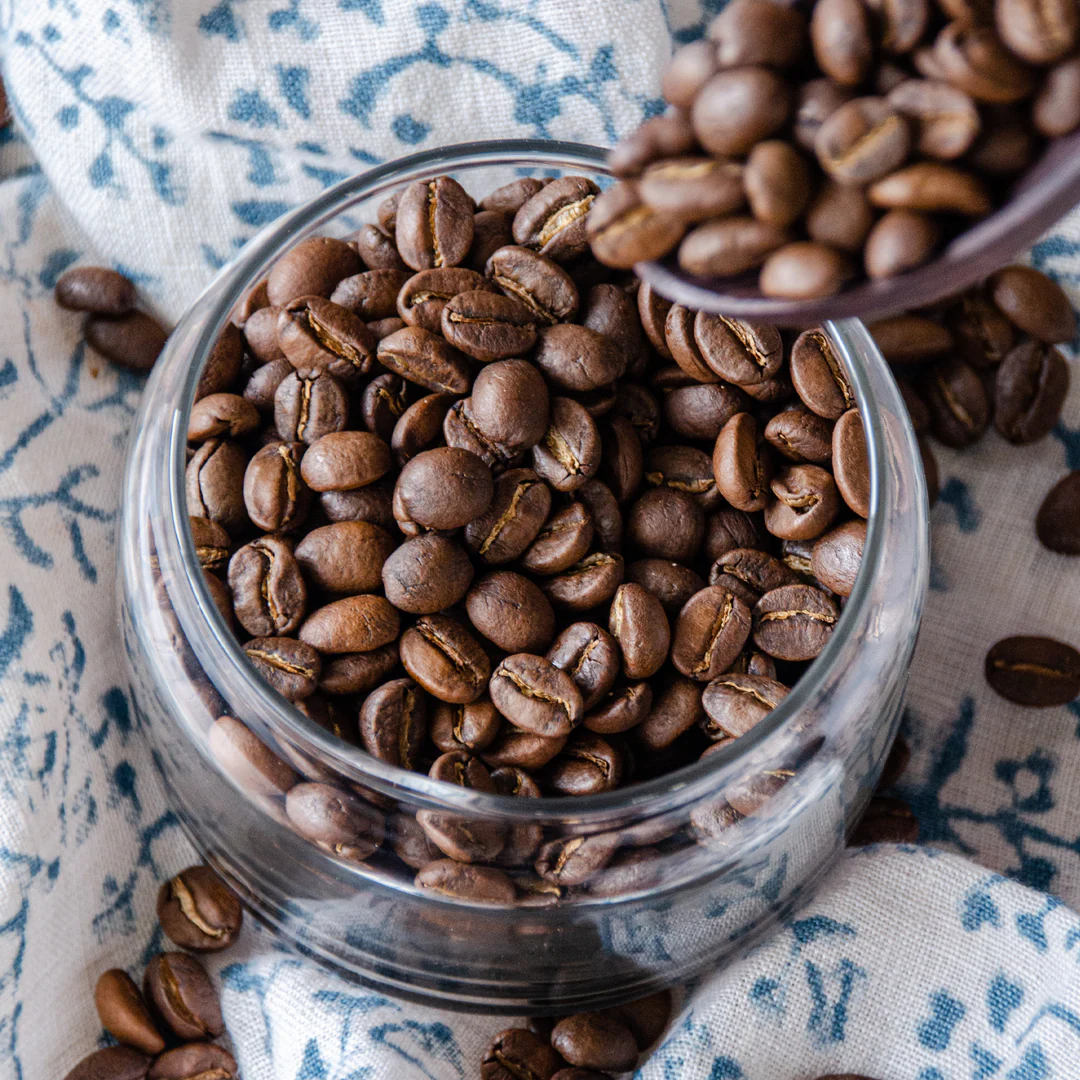 Table of Contents
- 1. Essential Coffee Beans Facts: Global Market Dynamics
- 2. Vietnamese Cultivation and Coffee Beans Facts by Region
- 3. Processing Methodologies and Grading Coffee Beans Facts
- 4. International Quality Standards and B2B Compliance
- 5. Strategic Sourcing: Why Partners Rely on VIHABA
- 6. Export Packaging and Logistics for Green Coffee Beans
- 7. Frequently Asked Questions (FAQ)
1. Essential Coffee Beans Facts: Global Market Dynamics
[IN_POST_IMAGE]To establish a highly profitable sourcing strategy, a buyer must first master the structural Coffee Beans Facts that dictate pricing, availability, and organoleptic quality on the world market. Green coffee (the unroasted seeds of the Coffea plant) is one of the most heavily traded agricultural commodities globally, traded primarily under two distinct market frameworks: the Intercontinental Exchange (ICE) NY ‘C’ contract for Arabica and the London LIFFE contract for Robusta.
Arabica vs. Robusta: The Core Chemical and Agronomic Distinctions
The global commercial coffee supply is split almost entirely between two species: Coffea arabica (Arabica) and Coffea canephora (commonly known as Robusta). For B2B buyers, understanding their distinct profiles is critical for accurate market positioning and product formulation:
- Coffea Arabica: Accounting for approximately 60% of global production, Arabica is celebrated for its complex acidity, sweetness, and diverse aromatic profiles (floral, fruity, citrus). It typically contains lower caffeine levels (0.9% to 1.5% by dry weight) and higher lipid content, which contributes to a smoother mouthfeel. Arabica thrives at higher altitudes (600 to 2,000+ meters above sea level) and requires delicate, labor-intensive husbandry.
- Coffea Canephora (Robusta): Dominating the remaining 40% of the market (with Vietnam leading global supply), Robusta is a hardy, high-yielding crop. It possesses roughly double the caffeine concentration of Arabica (1.8% to 3.5% by dry weight) and a higher concentration of chlorogenic acids (CGA), which provide natural resistance to pests and diseases. Robusta features a heavy body, low acidity, and deep, chocolatey, or nutty flavor profiles, making it the indispensable backbone of espresso blends, instant (soluble) coffee manufacturing, and high-caffeine consumer products.
The Shift Toward Functional and Traceable Sourcing
Modern B2B procurement is no longer driven solely by price-per-ton metrics. Today’s commercial roasters and distributors demand comprehensive farm-to-cup traceability. Industrial buyers require precise analytical documentation detailing the physical screen size, moisture retention levels, defect counts, and organic chemical residues of every incoming batch. Consequently, having immediate access to reliable crop data is paramount to maintaining a resilient supply chain.
2. Vietnamese Cultivation and Coffee Beans Facts by Region
Vietnam is an agricultural powerhouse, particularly within the international beverage sector. Understanding the regional microclimates and specific geographical Coffee Beans Facts within Vietnam allows buyers to target their sourcing efforts toward regions that best match their desired flavor profiles and price points.
The Central Highlands (Tây Nguyên): The Heart of Global Robusta
The vast majority of Vietnam’s coffee is cultivated in the Central Highlands, a region characterized by rich red basaltic volcanic soils, distinct wet and dry seasons, and moderate elevation profiles (500 to 800 meters above sea level). This territory provides the absolute optimal agronomic conditions for high-density, high-yield Robusta cultivation.
- Dak Lak (Buon Ma Thuot): Widely recognized as the ‘coffee capital’ of Vietnam, Dak Lak produces high-body, robust coffees characterized by a bold, earthy aroma with notes of dark chocolate and toasted nuts. The region’s stable climate and extensive processing infrastructure make it the primary hub for high-volume commercial Robusta exports.
- Gia Lai and Dak Nong: These regions feature slightly higher average elevations and cooler microclimates, yielding Robusta beans with exceptionally high density and cleaner cup profiles. They are increasingly favored by international buyers seeking premium-grade Robusta for specialty espresso blending.
Lam Dong (Da Lat): Premium Arabica Terroirs
While Vietnam is globally synonymous with Robusta, the high-altitude province of Lam Dong, particularly around the city of Da Lat (1,400 to 1,600 meters above sea level), boasts ideal conditions for Arabica cultivation. Often referred to as the ‘Sapa of the South’, Da Lat’s cool mountain air, misty mornings, and steep, well-drained terrain allow Arabica varieties—primarily Catimor—to mature slowly, concentrating sugars and acids to develop bright, balanced, and citrus-forward flavor profiles comparable to premium Central American coffees.
3. Processing Methodologies and Grading Coffee Beans Facts
The post-harvest processing method applied to green coffee beans dramatically alters their physical attributes, chemical composition, and eventual cup quality. International buyers must select processing specifications that align with their processing equipment and consumer flavor targets. The table below outlines key technical specifications associated with major export grades.
Post-Harvest Processing Technologies
- Natural (Dry) Process: The traditional method where the entire coffee cherry is dried under the sun on raised beds or concrete patios. This allows the natural sugars in the fruit pulp to ferment and migrate into the seed, resulting in a heavy-bodied bean with low acidity and pronounced notes of dried fruit, molasses, and spice.
- Washed (Wet) Process: In this process, the outer skin and pulp of the cherry are mechanically removed (pulped) before the beans undergo controlled fermentation in water tanks to break down the remaining mucilage. Washed beans are characterized by a clean, bright acidity, high clarity of flavor, and minimal earthy defects. This is the standard method for premium Arabica and specialty Robusta.
- Honey (Pulped Natural) Process: A hybrid method where the skin is removed, but some portion of the sticky mucilage (the ‘honey’) is left on the bean during drying. Depending on the amount of mucilage retained (White, Yellow, Red, or Black Honey), this process yields a highly balanced cup with mild acidity and a complex, honey-like sweetness.
Standard Commercial Export Specifications
To ensure uniform transaction parameters, the physical quality of export-grade green coffee is classified using specific metrics, including screen size (measured in 1/64ths of an inch), moisture content, and defect tolerances. Below is the technical specification table for prime Vietnamese export grades:
| Export Grade & Variety | Screen Size (Minimum) | Moisture Content (Max) | Black & Broken Beans (Max) | Foreign Matter (Max) | Admixture / Defect Standard |
|---|---|---|---|---|---|
| Robusta Grade 1, Screen 18 | 90% > 7.1mm (S18) | 12.5% | 2.0% | 0.5% | Clean, dry, homogeneous color |
| Robusta Grade 1, Screen 16 | 90% > 6.3mm (S16) | 12.5% | 2.0% | 0.5% | Clean, dry, commercial standard |
| Robusta Grade 2, Screen 13 | 90% > 5.0mm (S13) | 13.0% | 5.0% | 1.0% | Standard instant coffee grade |
| Arabica Grade 1, Screen 16/18 | 90% > 6.3mm/7.1mm | 12.0% | 1.5% | 0.2% | Polished, zero primary defects |
4. International Quality Standards and B2B Compliance
Compliance with global food safety regulations and sustainability standards is a critical prerequisite for B2B green coffee imports. International custom authorities and consumer markets demand rigorous testing, traceability, and certification to ensure environmental protection, ethical labor, and chemical safety.
Pesticide Residue and Mycotoxin Management
To enter highly regulated markets such as the European Union (EU), Japan, and North America, green coffee shipments must comply with strict Maximum Residue Limits (MRLs) for agricultural chemicals, as well as regulatory caps on Ochratoxin A (OTA)—a harmful mycotoxin produced by mold due to improper drying. Importers must work with exporters who utilize advanced mechanical drying systems and climate-controlled storage to maintain moisture levels strictly below the critical 12.5% threshold, preventing mold growth during long ocean voyages.
Key Global Certifications
B2B buyers can mitigate supply chain risks and appeal to conscious consumer segments by sourcing coffee certified under recognized global frameworks:
- Rainforest Alliance & UTZ: Focuses on sustainable agriculture, biodiversity conservation, and improving the livelihoods of farming communities.
- Fairtrade: Guarantees a minimum price floor to protect smallholder farmers against volatile market price swings.
- ISO 22000 & HACCP: International food safety management systems that guarantee rigorous quality control from harvesting and milling through to packaging and shipping.
5. Strategic Sourcing: Why Partners Rely on VIHABA
Navigating the global coffee market requires more than just standard product knowledge; it demands a strategic partnership with a reliable on-the-ground exporter. To make an informed purchasing decision, accessing accurate coffee beans facts and sourcing guides is paramount for B2B procurement managers who must defend their raw material investments to corporate stakeholders.
VIHABA stands out as a premier exporter of Vietnamese agricultural commodities, specializing in bridging the gap between local farming cooperatives and international industrial buyers. By controlling every stage of the supply chain—from crop monitoring in the Central Highlands to state-of-the-art milling, grading, and customs clearance—VIHABA ensures that every shipping container matches the exact physical and chemical specifications demanded by the buyer.
Our commitment to transparency means providing our partners with comprehensive pre-shipment samples, third-party SGS quality verifications, and real-time tracking of logistics. We don’t just supply raw materials; we deliver consistency, supply security, and customized processing profiles tailored to our buyers’ distinct manufacturing needs.
6. Export Packaging and Logistics for Green Coffee Beans
The journey of a green coffee bean from a Vietnamese dry mill to an international roastery is long and fraught with environmental hazards. Changes in temperature and humidity during transit can trigger moisture condensation inside shipping containers, causing bean damage, mustiness, and mold growth. Safe arrival depends on advanced packaging technology and strict logistic protocols.
Advanced Hermetic Protection
While traditional 60kg single-weave jute bags are still widely used for bulk transportation, they provide virtually no barrier against atmospheric humidity and odor contamination. To preserve the organoleptic qualities of high-grade Arabica and premium Robusta, modern exporters utilize advanced multi-barrier packaging solutions:
- GrainPro and Ecotact Liners: These are high-density hermetic plastic bags inserted directly inside the traditional outer jute bag. They create an ultra-low oxygen and moisture-stable microclimate, completely isolating the green coffee from exterior humidity, pests, and ambient odors, effectively extending the green beans’ premium shelf life for up to two years.
- Bulk Container Liners: For massive commercial volumes, bulk container liners allow loose green coffee beans to be loaded directly into a standard 20-foot container, maximizing volume efficiency while protecting the cargo from container sweat.
Containerized Shipping Practices
Green coffee is highly sensitive to rapid temperature swings, particularly when traveling from tropical export hubs like Ho Chi Minh City to colder destinations in northern Europe or North America. To mitigate this risk, containers should be lined with insulating materials (thermal blankets) and stowed ‘below deck’ on container ships to avoid direct sun exposure. VIHABA coordinates closely with major maritime shipping lines to ensure optimal container positioning and minimized transit times.
7. Frequently Asked Questions (FAQ)
What are the primary factors affecting green coffee bean shelf life?
Green coffee bean shelf life is primarily determined by internal moisture levels and storage environments. Properly dried beans (between 11% and 12.5% moisture) stored in a cool, dark, dry place (relative humidity below 60% and temperatures below 24°C) using hermetic packaging (like GrainPro liners) can maintain their optimal cup profile for 12 to 24 months without noticeable degradation.
How does Vietnam’s Robusta compare to other global origins?
Vietnamese Robusta is renowned for its exceptional density, high caffeine content, and bold body. Thanks to the rich basaltic soils of the Central Highlands and highly advanced domestic farming techniques, Vietnamese Robusta consistently offers a more uniform size profile and a richer, chocolatey flavor with fewer wild, rubbery defects than Robusta sourced from wild or less developed origins.
What certifications are mandatory for importing coffee beans into Europe or the USA?
While standard commercial imports require basic phytosanitary certificates, certificates of origin, and bills of lading, entering premium channels in Europe or the US requires compliance with strict MRLs (Maximum Residue Limits) for pesticides. Additionally, buyers often demand voluntary certifications such as Rainforest Alliance, UTZ, or Organic to comply with corporate sustainability mandates and trade regulations like the EU Deforestation Regulation (EUDR).
What is the typical minimum order quantity (MOQ) for B2B coffee bean export?
For standard maritime shipping, the typical minimum order quantity is one Full Container Load (FCL), which equivalent to approximately 19 to 20 metric tons of green coffee packed in 60kg bags within a standard 20-foot shipping container. Smaller trial quantities or air freight orders may be negotiated for ultra-premium specialty micro-lots.
How does VIHABA guarantee supply chain transparency and quality consistency?
VIHABA guarantees quality by executing direct-from-farm sourcing agreements, utilizing modern color-sorting and grading machinery at our processing facilities, and providing independent, third-party inspection reports (e.g., from SGS or Cafecontrol) for every export batch. We invite our partners to receive pre-shipment samples for internal cupping and laboratory analysis before any container leaves the port.
Conclusion: Elevating Your Beverage Portfolio
Sourcing green coffee at scale requires a deep, uncompromising understanding of Coffee Beans Facts, including botanical differences, regional terroirs, rigorous processing standards, and strict logistical controls. By aligning with a dedicated, vertically integrated partner like VIHABA, international buyers can successfully navigate the complexities of global agricultural trade, secure continuous supplies of premium green coffee, and deliver consistent, high-quality products to consumers worldwide.
Whether you are formulating a robust espresso blend, sourcing high-yield beans for soluble manufacturing, or introducing premium Vietnamese Arabica to a discerning specialty market, VIHABA is your trusted partner. Contact our B2B trade specialists today to discuss your technical specifications, request physical samples, and establish a secure, transparent, and resilient supply chain.