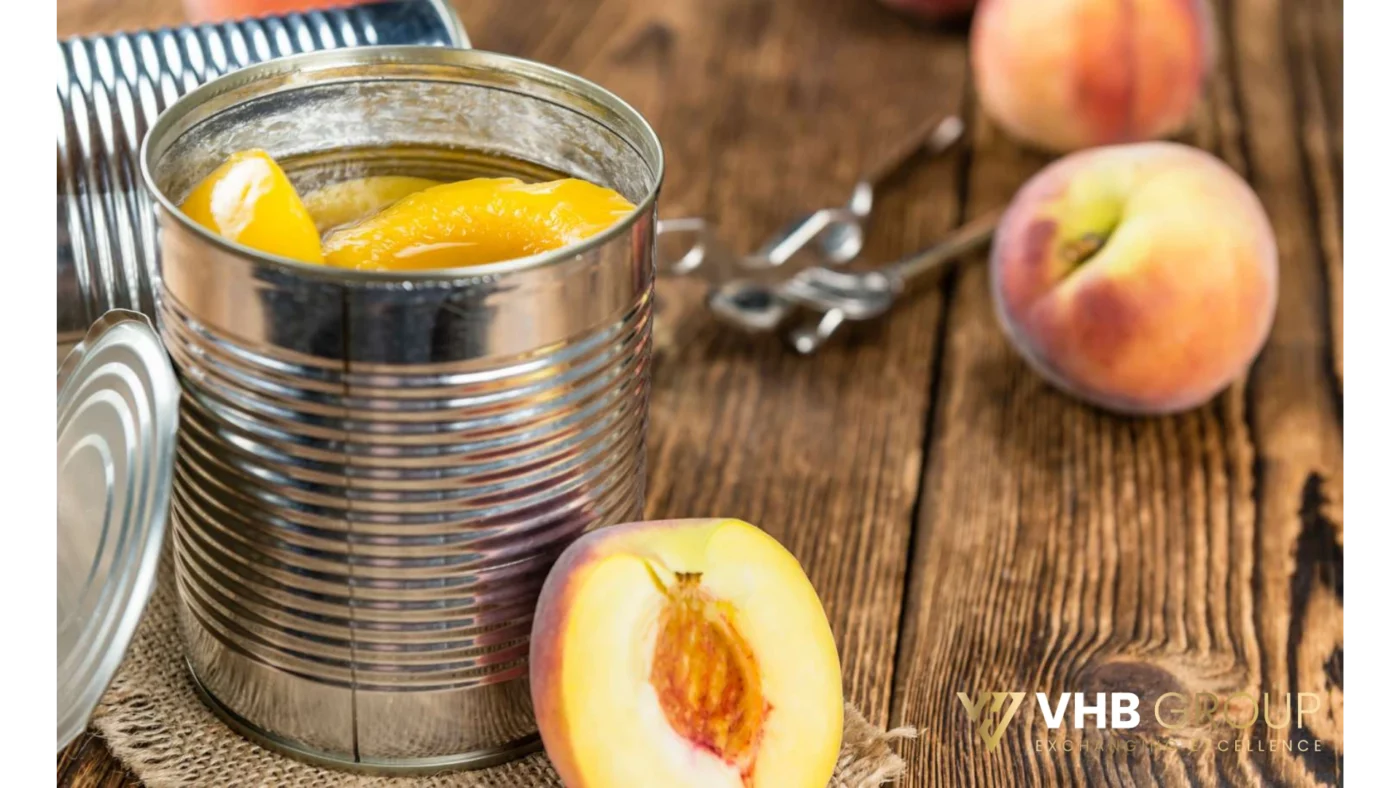
For B2B buyers, importers, and wholesalers navigating the complex global agricultural market, securing a consistent supply of high-quality canned fruit requires more than just identifying a supplier. It demands a sophisticated and strategically sound approach to sourcing. Understanding the intricacies of the Canned Fruit Global Sourcing Blueprint is paramount for maintaining competitive advantage, ensuring product integrity, and fostering sustainable trade relationships. This article delves deep into the critical components of a robust sourcing strategy, from origin selection and quality assurance to logistics and pricing. For a comprehensive guide to navigating these complexities, explore our detailed resource on the Canned Fruit Global Sourcing Blueprint.
:max_bytes(150000):strip_icc()/Health-GettyImages-CannedFruit-c69923448cc34fb6914b63d352a22898.jpg)
In a marketplace increasingly focused on transparency, sustainability, and stringent quality control, your sourcing blueprint must be dynamic and adaptable. We will explore how leading B2B enterprises leverage advanced methodologies to mitigate risks, optimize costs, and deliver superior products to their customers. This deep dive aims to equip you with the knowledge to build an unassailable sourcing framework for your canned fruit portfolio.
Table of Contents
- Navigating the Canned Fruit Global Sourcing Blueprint: Key Considerations
- Core Pillars of Sustainable Canned Fruit Sourcing
- Product Specifications and Quality Control in the Canned Fruit Global Sourcing Blueprint
- Supply Chain Optimization and Logistics for Canned Fruit Imports
- Pricing Dynamics and Market Analysis
- Partnership and Due Diligence in the Sourcing Process
- Frequently Asked Questions (FAQs)
- Conclusion
Successfully navigating the global market for canned fruit requires a holistic understanding of various interconnected factors. B2B buyers must contend with fluctuating raw material prices, evolving international trade policies, geopolitical tensions, and ever-increasing consumer demand for ethically produced goods. The initial phase of developing your Canned Fruit Global Sourcing Blueprint involves comprehensive market analysis, identifying demand trends, and evaluating supply capabilities across different regions.
Understanding the global supply-demand dynamics is critical. For instance, a bumper harvest in a major producing region can lead to lower prices, while adverse weather conditions can cause significant price hikes. Buyers must also consider the specific characteristics of different fruit varieties and their suitability for canning, alongside their regional availability and harvest seasons. This strategic insight forms the bedrock for making informed purchasing decisions and implementing advanced agricultural commodity trading strategies. Furthermore, evaluating potential trade barriers, tariffs, and non-tariff measures (such as import quotas or specific labeling requirements) in target markets is crucial to prevent unexpected delays and costs.
Core Pillars of Sustainable Canned Fruit Sourcing
A robust sourcing blueprint is built upon several foundational pillars, each contributing to the overall stability, quality, and ethical integrity of the supply chain. Prioritizing these elements ensures that your canned fruit procurement strategy is not only economically viable but also resilient and responsible.
Origin and Varietal Selection
The choice of origin country and specific fruit varietal profoundly impacts the final product’s quality, flavor profile, and cost. Different regions specialize in particular fruits due to climate, soil conditions, and agricultural expertise. For example:
- Pineapple: Thailand, Philippines, and Vietnam are renowned for their sweet, juicy pineapple varieties ideal for canning, such as the Smooth Cayenne. Their tropical climates ensure consistent quality and yield.
- Peaches: Greece, China, and Spain are significant producers of clingstone peaches, prized for their firm texture and vibrant color, which hold up well during the canning process.
- Pears: China and Argentina are key players, with varieties like the Bartlett (William’s pear) being popular for canning due to their smooth texture and sweet flavor.
- Lychee: Vietnam and Thailand offer premium lychee, known for its delicate fragrance and succulent flesh, making it a sought-after canned fruit.
- Mango: India, Thailand, and Mexico provide diverse mango varieties, each offering unique taste profiles for canned mango products.
Understanding the specific harvest seasons in these regions allows B2B buyers to plan their procurement cycles effectively, ensuring freshness and optimal pricing. Diversifying sourcing origins can also mitigate risks associated with localized crop failures or political instability in a single region.
Embracing Quality and Certification Standards
In the global food trade, certifications are not merely labels; they are indispensable assurances of quality, safety, and responsible production. For B2B canned fruit importers, partnering with suppliers who adhere to internationally recognized standards is non-negotiable. These certifications provide a verifiable framework that builds trust and facilitates market access.

- GlobalGAP: This standard addresses food safety and sustainability in agricultural production. It covers aspects from the farm to the packing house, ensuring responsible farming practices. Adherence to GlobalGAP certification demonstrates a commitment to environmentally sound methods and worker welfare, which is increasingly important for ethically-minded consumers and regulators.
- ISO 22000: This international standard specifies the requirements for a food safety management system (FSMS) that combines generally recognized key elements to ensure food safety along the food chain, up to the point of final consumption. Integrating the principles of HACCP, ISO 22000 provides a robust framework for managing food safety risks. Understanding ISO 22000 food safety standards is crucial for any serious importer.
- BRCGS (Brand Reputation Compliance Global Standards): Widely recognized, BRCGS Global Standard for Food Safety provides a framework for food manufacturers to assist them in the production of safe food and the selection of reliable suppliers.
- HACCP (Hazard Analysis and Critical Control Points): A systematic preventative approach to food safety from biological, chemical, and physical hazards in production processes that can cause the finished product to be unsafe.
- FDA (Food and Drug Administration) & EU Regulations: Compliance with specific national or regional import regulations, such as those set by the FDA in the US or various directives within the European Union, is mandatory.
Due diligence must include auditing supplier facilities to verify these certifications and ensuring that their internal quality control processes align with your company’s standards. This includes pre-shipment inspections and laboratory testing for contaminants or deviations from agreed specifications.
The Role of Sustainability and Ethical Practices
Modern B2B sourcing is increasingly driven by sustainability and ethical considerations. Consumers and regulatory bodies alike demand greater transparency regarding environmental impact and social responsibility throughout the supply chain. Incorporating sustainable sourcing practices into your Canned Fruit Global Sourcing Blueprint is not just about compliance; it’s about building long-term brand value and resilience.
- Traceability: The ability to trace a product back to its origin farm and understand its journey through the supply chain is critical. This helps verify ethical labor practices, responsible land use, and compliance with environmental regulations.
- Environmental Impact: Assessing water usage, waste management, energy consumption, and pesticide use at the farm and processing levels. Supporting suppliers who invest in renewable energy or eco-friendly packaging contributes to a greener supply chain.
- Social Responsibility: Ensuring fair wages, safe working conditions, and no child labor. Certifications like Fair Trade or SA8000 can be valuable indicators, though direct verification through audits is also recommended.
- Community Engagement: Sourcing from suppliers who actively contribute to the well-being of their local communities fosters positive relationships and strengthens the agricultural ecosystem.
By prioritizing these factors, B2B buyers can create a supply chain that is not only robust but also contributes positively to global sustainability goals.
Product Specifications and Quality Control in the Canned Fruit Global Sourcing Blueprint
Establishing precise product specifications is fundamental to successful B2B canned fruit sourcing. These specifications serve as the benchmark against which all incoming shipments are measured, ensuring consistency and adherence to customer expectations. A comprehensive Canned Fruit Global Sourcing Blueprint must detail every critical attribute.

Key specifications typically include:
- Fruit Variety: Specific type (e.g., Smooth Cayenne pineapple, Bartlett pear).
- Cut Style: Slices, chunks, tidbits, crushed, halves, whole.
- Packing Medium: Light syrup, heavy syrup, fruit juice, water.
- Brix Level (Sugar Content): Essential for taste and shelf stability. Ranges (e.g., 14-17° Brix for light syrup).
- Drained Weight: The net weight of the fruit solids after draining the liquid, indicating fruit fill.
- pH Level: Crucial for food safety and preventing microbial growth (typically acidic for fruit).
- Piece Count/Size Uniformity: Especially for chunks or halves, ensuring consistency.
- Color and Texture: Visual appearance and mouthfeel.
- Defect Levels: Permissible limits for blemishes, core material, foreign matter.
- Microbiological Standards: Absence of pathogens, yeast, mold.
- Pesticide Residue Limits: Compliance with international MRLs (Maximum Residue Limits).
Table: Key Specifications for Canned Pineapple Chunks (Light Syrup)
| Specification | Description/Range | Testing Method |
|---|---|---|
| Fruit Variety | Smooth Cayenne Pineapple | Visual Inspection |
| Cut Style | Chunks (approx. 15-20mm cubes) | Visual Inspection, Measurement |
| Packing Medium | Light Syrup | Refractometer (Brix) |
| Brix Level | 14.0 – 17.0° Brix | Refractometer |
| Drained Weight | Min. 60% of Net Weight | Standard Draining Method |
| pH Level | 3.5 – 4.0 | pH Meter |
| Color | Typical golden yellow, uniform | Visual (Colorimeter if required) |
| Texture | Firm but tender, not mushy | Sensory Evaluation |
| Defect Level | Max. 2% minor defects (e.g., small core, blemish) | Visual Inspection (AQL) |
| Can Size & Type | A10 (3.06 kg / 108 oz) Lacquered Tin Can | Physical Measurement |
Effective quality control involves continuous monitoring from farm to factory, including raw material inspection, in-process checks during peeling, cutting, and canning, and final product testing. Implementing a robust AQL (Acceptable Quality Limit) sampling plan for incoming shipments ensures that deviations are identified and addressed promptly, preventing substandard products from entering the market.
Supply Chain Optimization and Logistics for Canned Fruit Imports
Even with perfect product quality, inefficiencies in the supply chain can erode profitability and damage customer relationships. The logistics component of your Canned Fruit Global Sourcing Blueprint is therefore critical. Canned goods, while shelf-stable, still require careful handling and timely delivery to maintain market freshness and avoid inventory bottlenecks.

Effective B2B supply chain optimization for canned fruit involves:
- Transportation Mode Selection: Primarily sea freight for bulk shipments, choosing between Full Container Load (FCL) and Less than Container Load (LCL) based on volume and urgency. Air freight is rarely cost-effective for canned fruit.
- Container Types: Standard dry containers are suitable, but consideration of controlled atmosphere or reefer containers may be necessary for raw materials if fresh fruit is transported prior to canning at destination.
- Route Planning and Carrier Selection: Optimizing shipping routes to minimize transit times and costs, and selecting reputable carriers with a track record of reliability and cargo care.
- Customs and Documentation: Navigating complex international customs procedures, tariffs, duties, and obtaining necessary import permits, phytosanitary certificates, and certificates of origin. Errors here can lead to significant delays and demurrage charges.
- Warehousing and Inventory Management: Efficient storage solutions at destination, including temperature-controlled warehousing if required, and Just-In-Time (JIT) inventory strategies to reduce holding costs.
- Risk Management: Developing contingency plans for potential disruptions such as port strikes, adverse weather, geopolitical events, or unexpected delays. This includes comprehensive cargo insurance.
Leveraging supply chain visibility tools and partnering with experienced freight forwarders can significantly enhance efficiency and transparency, allowing for proactive problem-solving.
Pricing Dynamics and Market Analysis
Understanding the factors that influence canned fruit pricing is essential for profitable sourcing. The global market for agricultural commodities is inherently volatile, and canned fruit is no exception. A robust Canned Fruit Global Sourcing Blueprint incorporates thorough market analysis to inform purchasing decisions.
Key factors affecting pricing include:
- Raw Material Costs: The price of fresh fruit (e.g., pineapple, peaches) is the primary driver. This is influenced by harvest yields, weather conditions, disease outbreaks, and global demand for fresh consumption versus processing.
- Production Costs: Labor wages, energy costs (for cooking, sterilization), packaging materials (cans, labels, cartons), and processing chemicals.
- Logistics Costs: Freight rates (sea freight, inland transportation), port charges, insurance, and fuel surcharges. These can fluctuate significantly based on global economic conditions and shipping capacity.
- Currency Exchange Rates: As transactions are often in USD, fluctuations between the USD and the local currency of the exporting country can impact landed costs.
- Trade Policies & Tariffs: Import duties, subsidies, or trade agreements between countries can influence competitiveness and final pricing.
- Competitive Landscape: The number and capacity of suppliers in the market, as well as demand from other major importers.
B2B buyers should engage in continuous market intelligence gathering, subscribe to commodity reports, and build strong relationships with suppliers to gain insights into future price trends. Negotiating long-term contracts with price escalation clauses can provide stability, while also maintaining flexibility to capitalize on favorable market conditions through spot buying when appropriate.
Partnership and Due Diligence in the Sourcing Process
The success of your Canned Fruit Global Sourcing Blueprint ultimately hinges on the strength and reliability of your supplier partnerships. Selecting the right partners requires rigorous due diligence that extends beyond price alone.
A comprehensive due diligence process should include:
- Supplier Audits: On-site inspections of facilities (farms and processing plants) to verify production capabilities, hygiene standards, quality control systems, and adherence to certifications.
- Reference Checks: Contacting other B2B clients or industry contacts to gauge a supplier’s reputation for reliability, product quality, and responsiveness.
- Financial Stability Assessment: Ensuring the supplier has the financial capacity to fulfill large orders and manage potential disruptions.
- Communication & Transparency: Evaluating a supplier’s willingness to share information, communicate proactively about potential issues, and adapt to specific requirements.
- Contractual Agreements: Drafting robust contracts that clearly define specifications, pricing, payment terms, delivery schedules, quality control protocols, dispute resolution mechanisms, and force majeure clauses.
Building long-term, mutually beneficial relationships with a select group of trusted suppliers often yields better results than constantly chasing the lowest price. These partnerships foster greater transparency, allow for collaborative problem-solving, and provide a stable foundation for consistent supply.
Frequently Asked Questions (FAQs)
What are the critical quality parameters for importing canned fruit?
Critical quality parameters for importing canned fruit include Brix level (sugar content), drained weight (fruit fill), pH level (acidity for safety and stability), piece count and uniformity for specific cuts, color, texture, and the absence of defects or foreign matter. Microbiological standards and compliance with maximum pesticide residue limits are also essential for food safety.
How does sustainability impact the Canned Fruit Global Sourcing Blueprint?
Sustainability significantly impacts the Canned Fruit Global Sourcing Blueprint by requiring buyers to consider environmental, social, and ethical factors in addition to price and quality. This includes verifying sustainable farming practices, fair labor conditions, traceability from farm to can, and minimizing environmental impact through efficient resource use and responsible waste management. Prioritizing sustainable suppliers enhances brand reputation, mitigates risks, and aligns with global consumer and regulatory demands.
What is the typical shelf life of wholesale canned fruit?
The typical shelf life of wholesale canned fruit is generally 2-3 years from the date of production when stored in a cool, dry place away from direct sunlight and extreme temperature fluctuations. The canning process, which involves heat sterilization and vacuum sealing, effectively preserves the fruit, making it shelf-stable for an extended period without refrigeration until opened. Always refer to the specific ‘Best By’ or ‘Expiration’ date on the product packaging.
Which certifications are most important for international canned fruit trade?
For international canned fruit trade, the most important certifications include GlobalGAP (for sustainable agricultural practices), ISO 22000 (for food safety management systems), BRCGS (for global food safety standards), and HACCP (for hazard analysis and critical control points). Additionally, compliance with specific national import regulations, such as FDA requirements for the USA or EU food safety directives, is mandatory.
Conclusion
Developing and executing a comprehensive Canned Fruit Global Sourcing Blueprint is a multifaceted endeavor that demands strategic foresight, meticulous attention to detail, and a commitment to quality and ethical practices. For B2B buyers, importers, and wholesalers, success hinges on navigating market complexities, upholding stringent quality and sustainability standards, optimizing supply chain logistics, and forging robust, transparent partnerships with suppliers. By integrating these advanced strategies, businesses can ensure a consistent supply of premium canned fruit, meet evolving consumer demands, and sustain profitability in a competitive global landscape.
At VIHABA, we specialize in connecting discerning B2B buyers with the highest quality agricultural commodities, including a diverse range of canned fruits, sourced from reputable producers worldwide. Our commitment to transparency, sustainability, and adherence to international quality standards ensures that your sourcing needs are met with unparalleled reliability and excellence. Contact VIHABA today to discuss your wholesale canned fruit requirements and experience a partnership built on trust, quality, and mutual success. Let us help you refine your sourcing blueprint and secure your supply chain for the future.