
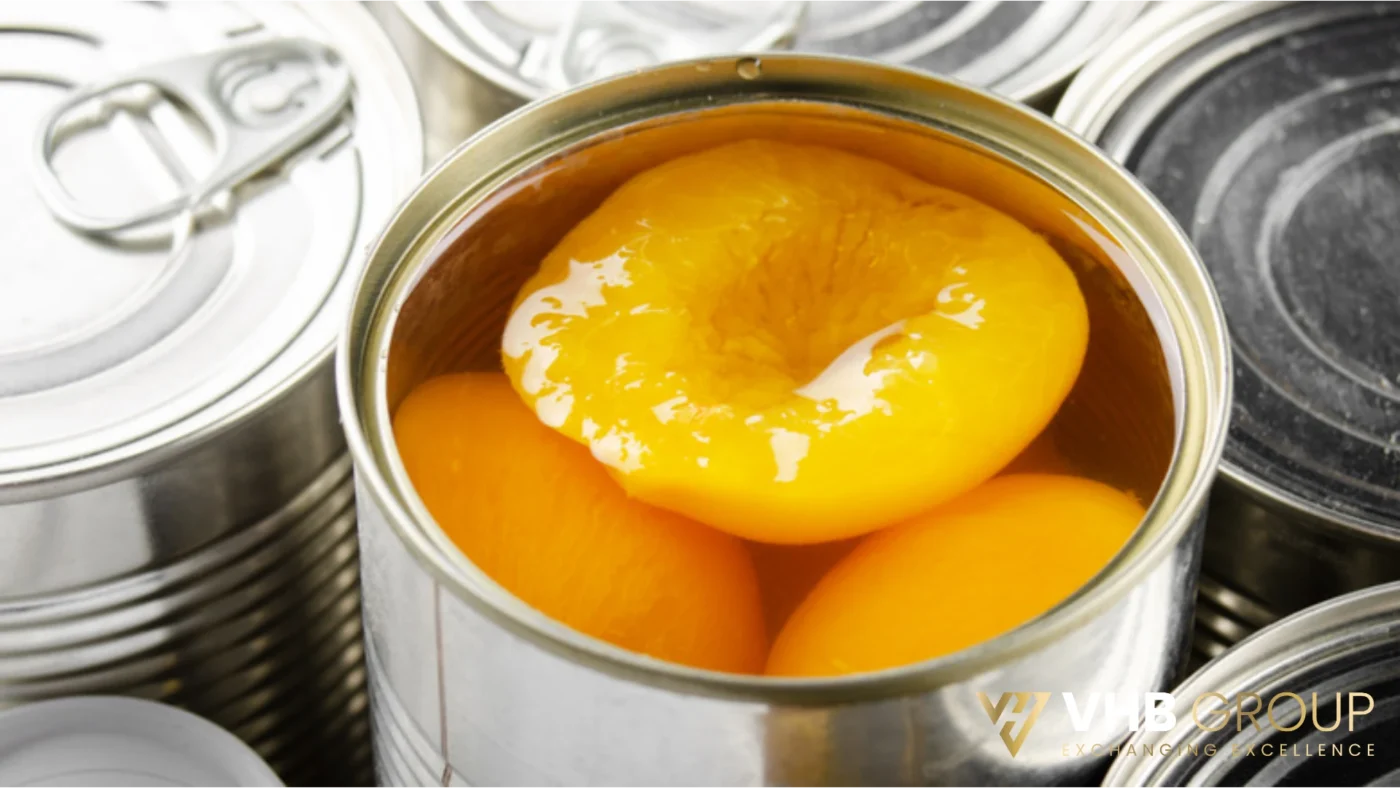
When navigating the complex world of agricultural commodities, understanding the intricate details of each product is paramount for B2B importers. This comprehensive guide delves into essential Canned Fruit Facts, providing an authoritative overview for businesses looking to source high-quality canned fruit globally. From cultivation to international standards and export logistics, we’ll equip you with the knowledge to make informed purchasing decisions and secure reliable supply chains.
Table of Contents
- Global Canned Fruit Market: Key Facts and Trends
- Vietnam’s Role in the Global Canned Fruit Supply Chain
- From Farm to Can: Canned Fruit Processing Methods
- Ensuring Quality: International Standards for Canned Fruit Exports
- Export Packaging and Logistics for Canned Fruit
- Canned Fruit Facts: Frequently Asked Questions (FAQs)
- Conclusion
Global Canned Fruit Market: Key Canned Fruit Facts and Trends
The global canned fruit market is a robust and growing sector, driven by consumer demand for convenience, extended shelf-life, and consistent availability of seasonal fruits year-round. Major importing regions include North America, Europe, and parts of Asia, while key exporters hail from Southeast Asia and South America. The market value continues to climb, with a strong emphasis on product innovation, including fruits in lighter syrups, natural juices, or with no added sugar. Understanding these dynamics is crucial for any B2B buyer. The versatility of canned fruits—used in bakeries, catering, food manufacturing, and retail—ensures sustained demand, making it a stable commodity in international trade. For a broader perspective on the region’s contribution, insights into Vietnam’s agricultural exports highlight the country’s growing influence in this sector.
Vietnam’s Role in the Global Canned Fruit Supply Chain
Vietnam has emerged as a significant player in the global canned fruit market, leveraging its abundant tropical fruit resources and advanced processing capabilities. The country’s favorable climate and fertile soil allow for the cultivation of a wide array of fruits ideal for canning. Notable contributions include: Pineapple, Lychee, Mango, and Dragon Fruit.
Key Cultivation Regions for Export Fruits
- Pineapple: Predominantly cultivated in provinces such as Tien Giang, Kien Giang, and Hau Giang in the Mekong Delta, known for varieties like Cayen and Queen pineapple. These regions contribute significantly to the global pineapple export market.
- Lychee: Grown extensively in Bac Giang and Hai Duong provinces in the north, Vietnam’s lychee is highly prized for its sweet, aromatic flesh, offering excellent potential for canned products. Learn more in our lychee sourcing guide.
- Mango: The Mekong Delta, especially Dong Thap and Tien Giang, is a prime area for mango cultivation, producing varieties like Hoa Loc and Cat Chu, perfect for canning.
- Dragon Fruit: Binh Thuan province is the epicenter for dragon fruit, an increasingly popular fruit that offers unique texture and color for canned fruit mixes. Explore diverse dragon fruit varieties and their applications.
From Farm to Can: Canned Fruit Processing Methods
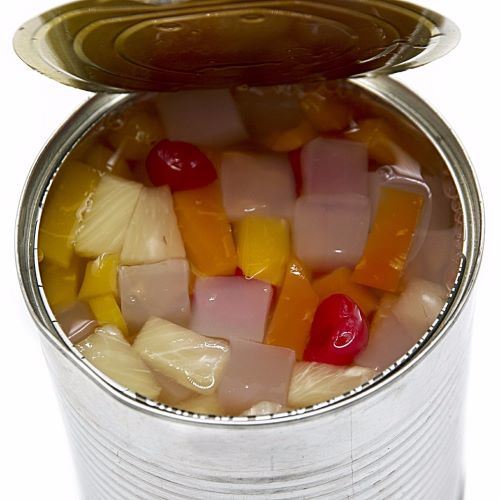
The journey from fresh fruit to a perfectly preserved can involves a series of meticulously controlled steps designed to retain flavor, texture, and nutritional value while ensuring food safety. These key Canned Fruit Facts illustrate the precision required:
- Harvesting & Sorting: Fruits are hand-picked at peak ripeness, then rigorously sorted to remove damaged or unripe specimens.
- Washing & Preparation: Thorough washing removes dirt and debris. Depending on the fruit, it’s then peeled, cored, sliced, or diced. For instance, mango processing standards dictate specific peeling and slicing techniques.
- Blanching (Optional): Some fruits undergo a brief blanching process to inactivate enzymes, preserve color, and reduce microbial load.
- Filling & Syrup/Juice Addition: Prepared fruit pieces are filled into cans. A covering liquid (syrup, juice, or water) is added, which protects the fruit and enhances its flavor.
- Exhausting & Sealing: Air is removed from the cans (exhausting) to create a vacuum, then the cans are hermetically sealed to prevent contamination.
- Sterilization: The sealed cans are subjected to precise heat treatment (retorting) at specific temperatures and durations to destroy spoilage microorganisms and pathogens, ensuring commercial sterility and extended shelf-life.
- Cooling & Labeling: After sterilization, cans are rapidly cooled to prevent overcooking, then dried, labeled, and prepared for storage or shipment.
Ensuring Quality: International Standards for Canned Fruit Exports
Adherence to stringent international quality standards is non-negotiable for B2B canned fruit exports. Importers demand products that meet global benchmarks for safety, hygiene, and consistent quality. Key certifications and parameters include:
- HACCP (Hazard Analysis and Critical Control Points): A systemic preventive approach to food safety.
- ISO (International Organization for Standardization): Various ISO standards like ISO 22000 for food safety management.
- BRCGS (Brand Reputation Compliance Global Standards): A leading global food safety standard.
- FDA (Food and Drug Administration): Compliance for exports to the United States.
- EU Regulations: Specific directives for exports to the European Union.
Beyond certifications, specific product parameters are critical:
- Brix Level: Measures the sugar content of the syrup, directly impacting sweetness.
- pH Level: Indicates acidity, crucial for preservation and taste.
- Drained Weight: The actual weight of the fruit solids after draining the liquid, a key indicator of product value.
- Vacuum: Ensures proper sealing and indicates effective air removal.
Here’s an example of typical specifications for a common canned fruit:
| Parameter | Specification (Example: Canned Pineapple in Light Syrup) |
|---|---|
| Fruit Variety | Queen/Cayen Pineapple |
| Cut Type | Slices, Chunks, Tidbits, Crushed |
| Brix Level | 14-16% (Light Syrup) |
| pH Level | 3.4-3.8 |
| Drained Weight | Min. 50-60% of Net Weight (depending on fruit/cut) |
| Acidity | 0.25-0.5% (as Citric Acid) |
| Vacuum | >5 in Hg |
| Foreign Matter | Absent |
| Microbiological Standards | Commercial Sterility |
| Shelf Life | 24-36 months from production date |
For more detailed Canned Fruit Facts or specific product specifications, explore our dedicated product page where we outline the full range of our offerings.
Export Packaging and Logistics for Canned Fruit
Effective packaging and logistics are vital to ensure canned fruits reach their destination in perfect condition, maintaining quality and compliance with international trade regulations. Key considerations include:
- Container Types:
- Tin Cans: The most common, durable, and cost-effective. Available in various sizes (e.g., A10 for foodservice, 20oz for retail).
- Glass Jars: Offer visibility and premium appeal, but are heavier and more fragile.
- Pouches: Flexible packaging gaining traction for convenience and reduced weight.
- Labeling Requirements: Must comply with destination country regulations, typically including: product name, net weight, drained weight, ingredients, nutritional information, producer/exporter details, country of origin, production/expiry dates, and batch number. All text must be clear and legible.
- Secondary Packaging: Cans are typically packed into sturdy corrugated cardboard cartons, often shrink-wrapped onto pallets for stability.
- Shipping Considerations:
- Container Loading: Optimized loading plans maximize space and prevent damage during transit.
- Temperature Control: While canned fruits are shelf-stable, extreme temperature fluctuations should be avoided, especially in unrefrigerated containers during long voyages.
- Documentation: Accurate and complete shipping documents (Bill of Lading, Certificate of Origin, Phytosanitary Certificate, Commercial Invoice, Packing List) are essential for smooth customs clearance.
Conclusion
Navigating the global market for agricultural commodities requires a deep understanding of product specifics, quality controls, and logistical nuances. These essential Canned Fruit Facts underscore the complexity and precision involved in delivering high-quality products to B2B buyers worldwide. From Vietnam’s fertile orchards to advanced processing facilities and adherence to international standards, the journey of canned fruit is a testament to modern agricultural trade. VIHABA stands as a trusted thought leader and reliable export partner, committed to transparency, quality, and seamless execution. We invite you to partner with us for your canned fruit sourcing needs, ensuring you receive only the finest products that meet global benchmarks and exceed your expectations.