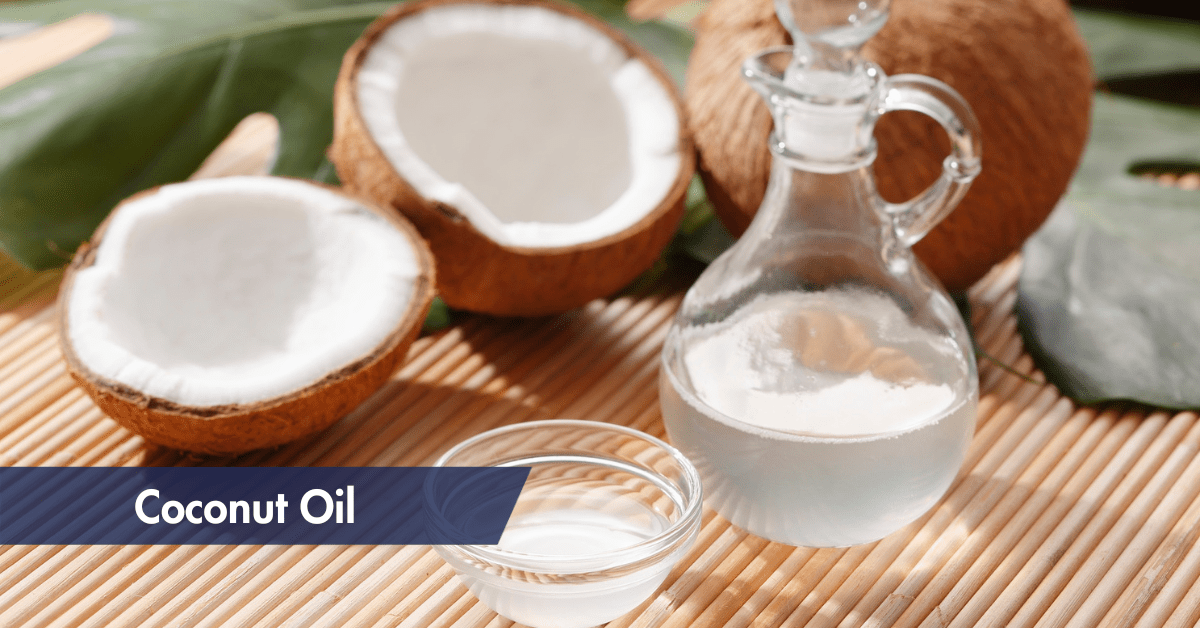
Understanding Virgin Coconut Oil Origin parameters provides cosmetics formulators, food processors, and agricultural importers with clear insights into how regional soil chemistry, coconut palm cultivars, climate variations, and local milling techniques impact the final fat profile of Virgin Coconut Oil (VCO). While virgin coconut oil maintains strict global quality standards, subtle variations in lauric acid concentration, moisture stability, and organoleptic notes trace back directly to regional harvest origins.
Evaluating harvest geography allows procurement officers to secure origin-traceable supply lines, optimize ingredient performance, and meet corporate sustainability goals.
Table of Contents
-
Harvest Geography, Climate Drivers, and Agronomic Terroir of Coconut Palms
-
Primary Production Hubs: Philippines, Indonesia, Sri Lanka, Vietnam, and India
-
Coconut Cultivar Physics: Tall vs. Dwarf Varieties and Kernel Oil Yield
-
Comparative Matrix of Regional Origins, Fatty Acid Profiling, and Organoleptic Traits
-
Ethical Sourcing, Smallholder Farmer Integration, and Fair Trade Certifications
-
Frequently Asked Questions (FAQ)
1. Harvest Geography, Climate Drivers, and Agronomic Terroir of Coconut Palms
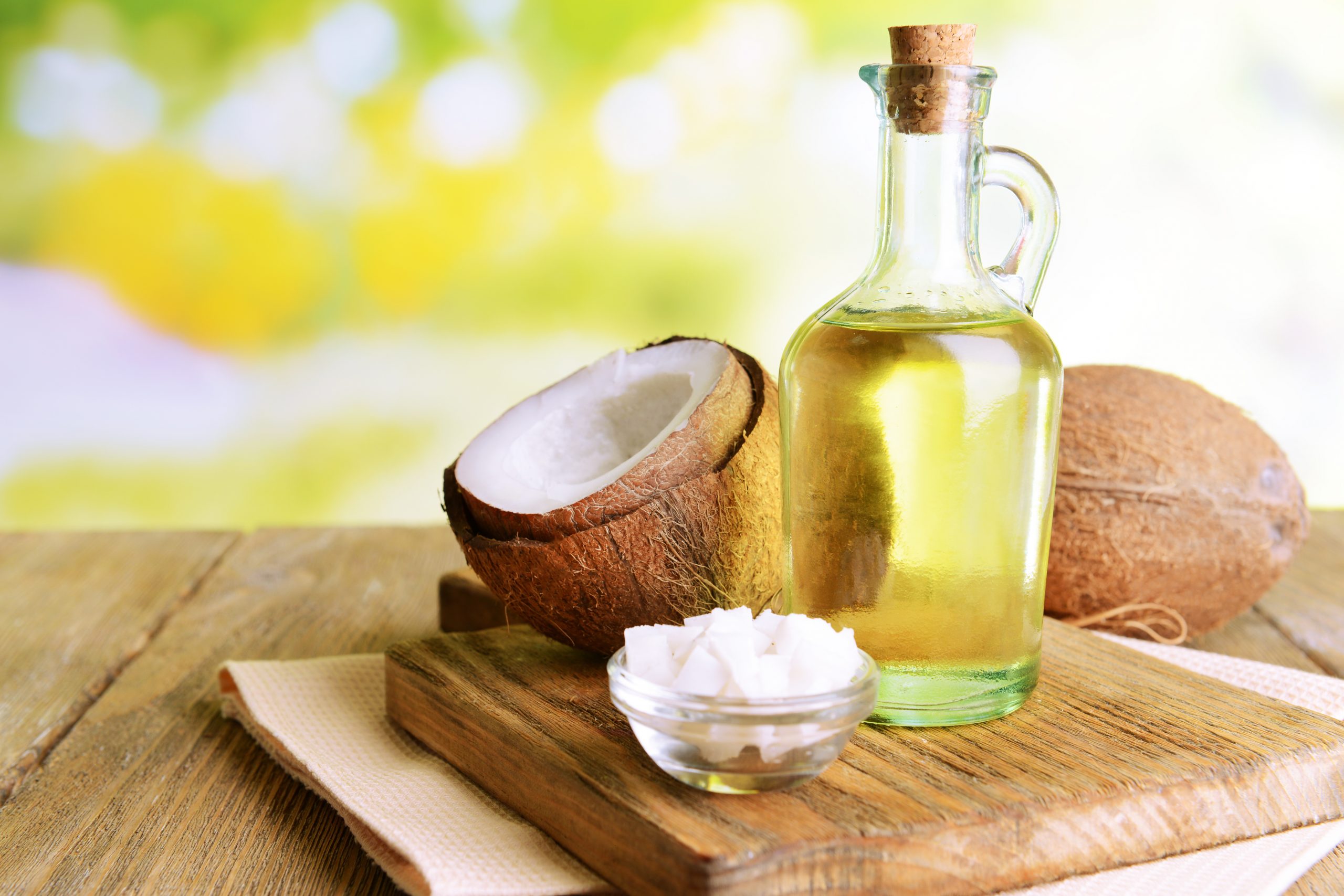
The coconut palm (Cocos nucifera L.) flourishes within tropical coastal zones located between 15 North and 15 South of the Equator. The agronomic development of coconut kernels depends on distinct environmental inputs:
+-------------------------------------------------------+
|               Agronomic Terroir Drivers               |
+-------------------------------------------------------+
                           |
       +-------------------+-------------------+
       |                   |                   |
       v                   v                   v
+--------------+    +--------------+    +--------------+
| Equatorial   |    | Coastal Soil |    | Consistent   |
| Solar Flux   |    | Chemistry    |    | Rainfall     |
+--------------+    +--------------+    +--------------+
| 2,000+ Hours |    | Well-Drained |    | 1,500 -      |
| Annual Sun   |    | Sandy Loam   |    | 2,500 mm/yr  |
| Full Photosyn|    | High Potassium|   | Stable RH%   |
+--------------+    +--------------+    +--------------+
-
Solar Irradiation & Heat: Requires a mean annual temperature of 27^{C} 80.6^{F) with minimal diurnal fluctuation to drive lipid synthesis within the endosperm.
-
Precipitation Distribution: Well-distributed annual rainfall between 1,500 mm and 2,500 mm supports steady nut development, preventing kernel abortion.
-
Soil Chemistry: Coastal alluvial and volcanic sandy loams rich in potassium ($K$), sodium ($Na$), and magnesium ($Mg$) support kernel density and lauric acid formation.
Research documented by the International Coconut Community (ICC) confirms that coastal palms receiving natural marine salt aerosol exposure yield nuts with robust medium-chain triglyceride profiles.
2. Primary Production Hubs: Philippines, Indonesia, Sri Lanka, Vietnam, and India
Global VCO export capacity is concentrated within Southeast Asia and South Asia. Each production hub offers specific industrial strengths:
The Philippines
As a top global exporter of virgin coconut oil, the Philippines operates under strict national standards (PNS/BAFPS 22). Production centers across Mindanao and Luzon specialize in large-scale centrifugal wet-milling and certified organic operations.
-
Key Strength: High-volume USDA/EU organic certified capacity and standardized export logistics.
Indonesia
Indonesia holds massive coconut acreage across Sumatra, Sulawesi, and Riau. Indonesian processors excel in fresh-kernel dry-expeller pressing and bulk flexitank exports.
-
Key Strength: Scalable bulk volume supply and competitive baseline pricing models.
Sri Lanka
Renowned for its traditional desiccated coconut and coconut processing infrastructure, Sri Lanka produces premium cold-pressed VCO with a distinct white appearance and mild nutty aroma.
-
Key Strength: Advanced Fair Trade integration, ISO-certified processing facilities, and dedicated specialty retail packaging.
Vietnam (Mekong Delta)
The Mekong Delta region—particularly Ben Tre province—features rich alluvial volcanic soils created by river silt deposition. Vietnamese processors utilize modern high-speed centrifugation, producing water-clear VCO with low moisture content.
-
Key Strength: High-purity centrifugal oil with low free fatty acid (<0.05%) profiles.
3. Coconut Cultivar Physics: Tall vs. Dwarf Varieties and Kernel Oil Yield
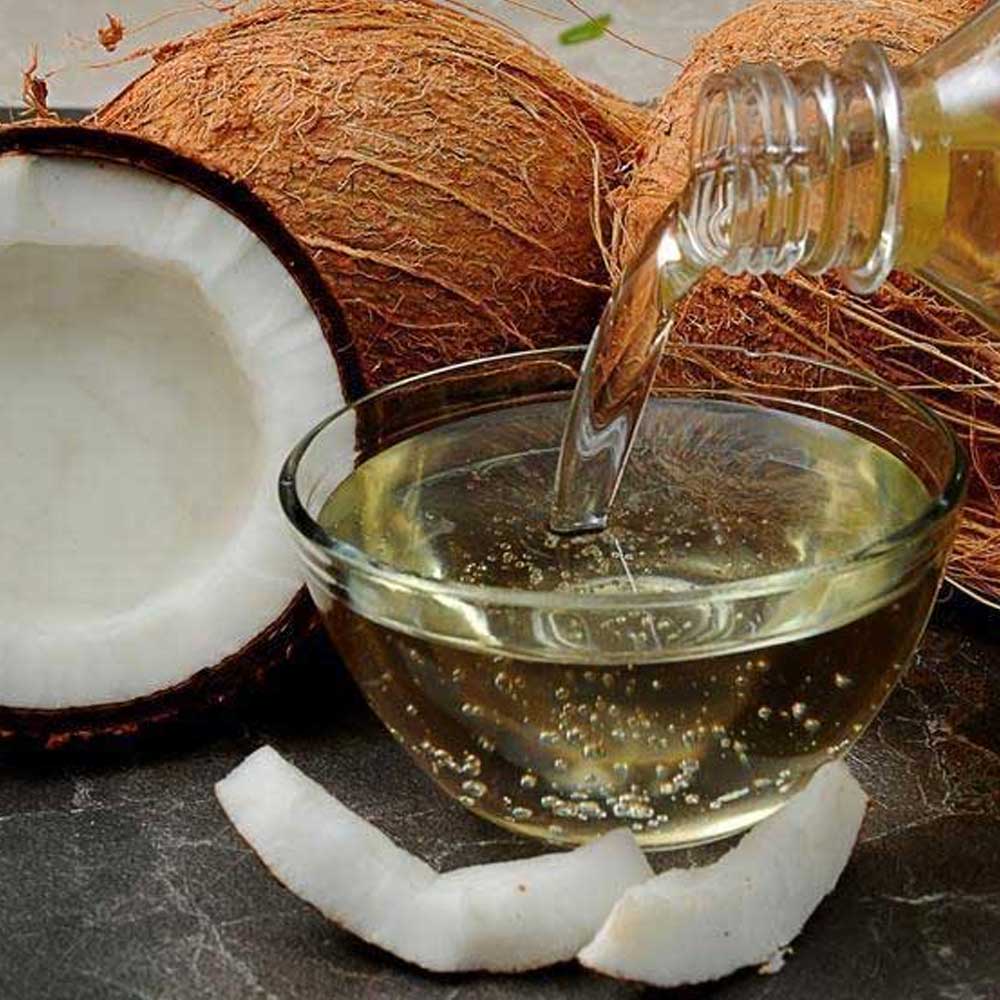
The selection of Virgin Coconut Oil Origin cultivars influences oil yield per nut, nut maturation schedules, and kernel lipid density.
+-------------------------------------------------------+
|                 Cultivar Classification               |
+-------------------------------------------------------+
                           |
       +-------------------+-------------------+
       |                                       |
       v                                       v
+-----------------------+               +-----------------------+
|  Tall Cultivars       |               |  Dwarf Cultivars      |
| (e.g., West Coast Tall)|              | (e.g., Malayan Yellow)|
+-----------------------+               +-----------------------+
| - Slow Maturation (6-10 yrs)          | - Fast Maturation (3-4 yrs)
| - High Kernel Mass (300-500g)         | - Lower Kernel Mass (150-250g)
| - Superior Oil Content (65-68%)       | - Moderate Oil Content (60-63%)
| - Cross-Pollinated / Hardier          | - Self-Pollinated / Fragile
+-----------------------+               +-----------------------+
Tall Varieties (Cocos nucifera var. typica)
Standard tall palms (e.g., Laguna Tall, West Coast Tall) live 80–100 years and produce thick, heavy kernels.
-
Oil Extraction Efficiency: Kernels contain 65% to 68% total fat on a dry basis, making them the primary source for industrial bulk VCO processing.
Dwarf Varieties (Cocos nucifera var. nana)
Smaller palms (e.g., Malayan Yellow Dwarf) mature early but yield smaller nuts with higher water content.
-
Oil Extraction Efficiency: Kernels contain 60% to 63% fat; primarily harvested for fresh coconut water or mixed hybrid breeding.
4. Comparative Matrix of Regional Origins, Fatty Acid Profiling, and Organoleptic Traits
While all virgin coconut oil meets baseline international specifications, regional origins exhibit distinct commercial characteristics:
| Country / Region | Dominant Processing Technology | Typical Lauric Acid (C12) Range | Organoleptic Aroma & Flavor Profile | Commercial Best-Fit Application |
| Philippines | Centrifugal Wet-Milling & Expeller | 48.0% – 53.0% | Ultra-mild, fresh coconut, near-neutral | High-end cosmetics & pharmaceutical encapsulation |
| Indonesia | Fresh-Kernel Expeller Pressing | 46.5% – 51.5% | Light roasted nut, mild warmth | Bulk food processing & culinary fats |
| Sri Lanka | Cold-Pressed Expeller & Filtered | 47.0% – 52.0% | Distinct nutty aroma, rich finish | Premium organic retail & gourmet culinary |
| Vietnam (Ben Tre) | High-Speed Centrifugation | 48.5% – 54.0% | Clean, fresh cream, neutral palate | Personal care emollients & premium MCT processing |
| India (Kerala) | Traditional Cold Press & Expeller | 45.5% – 50.5% | Pronounced fresh coconut notes | Ayurvedic formulations & regional hair care |
5. Ethical Sourcing, Smallholder Farmer Integration, and Fair Trade Certifications
Because coconut farming is anchored by millions of smallholder farming families owning small plots ($<2$ hectares), B2B buyers prioritize supply chain transparency and ethical practices.
Key Sustainability Frameworks
-
Fair Trade Certification (FLOCERT / Fair for Life): Guarantees minimum floor prices for raw nuts and funds community development projects (clean water, schools, agricultural equipment).
-
Intercropping & Regenerative Agriculture: Integrating coconut orchards with shade-tolerant secondary crops (e.g., cocoa, banana, coffee, vanilla) restores soil nitrogen balance, increases biodiversity, and stabilizes farmer income year-round.
-
Deforestation-Free Traceability: Unlike palm oil, coconut cultivation rarely drives primary forest clearing. However, buyers require GPS-mapped farm boundaries to verify compliance with European Union Deforestation Regulation (EUDR) mandates.
Virgin Coconut Oil Origin FAQ
Disclaimer: Unless otherwise stated, the images used in this article are the property of their respective owners. We do not claim ownership of any third-party images featured, and they are used here strictly for informational and educational purposes. If you are the copyright holder and wish to have an image removed, please contact us.