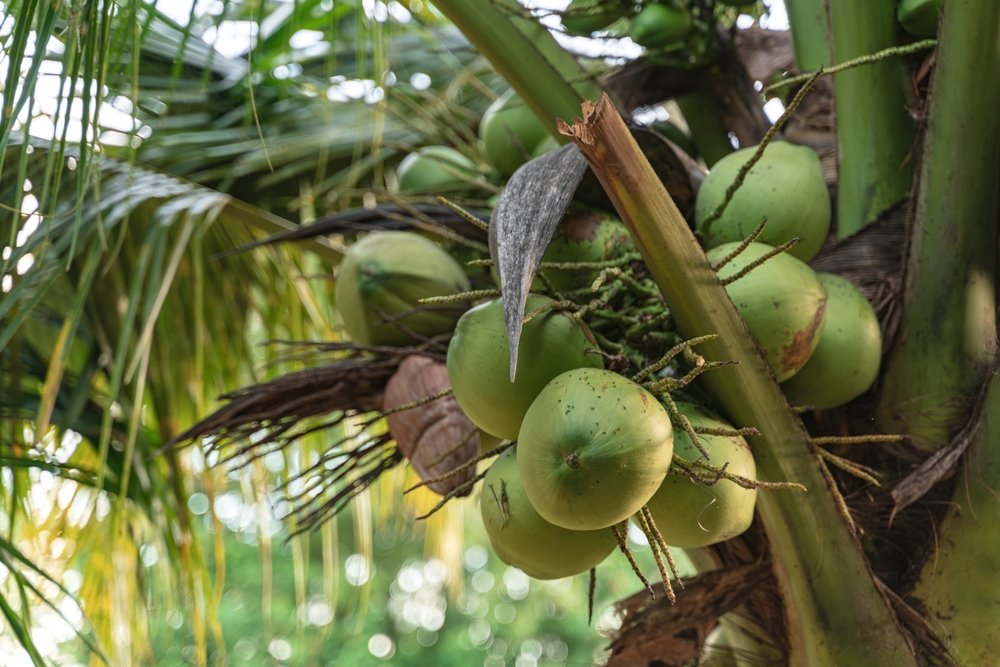
Analyzing Virgin Coconut Oil Special SKUs allows B2B brand owners, cosmetic formulators, nutraceutical distributors, and supermarket category managers to optimize packaging performance, extend shelf life stability, and target specific consumer channels. Stock Keeping Units (SKUs) in the virgin coconut oil (VCO) sector range from bulk industrial drums and liquid fractionated oils to retail-ready glass jars, squeezable tubes, culinary aerosol sprays, and dietary softgels.
Selecting the right specialized SKU profile requires balancing barrier protection, product state mechanics, user convenience, and freight density.
Table of Contents
-
Strategic Architecture of Specialized VCO SKUs across B2B & B2C Segments
-
Physical Formatting: Unrefined Cold-Pressed vs. Micro-Filtered vs. Liquid Fractionated SKUs
-
Consumer & Commercial Packaging Formats: Glass Jars, Squeeze Bottles, Culinary Sprays, & Softgels
-
Global Packaging Specification & Freight Density Yield Matrix
-
Thermal Stability Mechanics (24°C Phase Change) and Nitrogen Flushing Barrier Protection
-
Frequently Asked Questions (FAQ)
1. Strategic Architecture of Specialized VCO SKUs across B2B & B2C Segments
Beverage, food, and personal care brands deploy specialized VCO packaging formats to capture distinct market opportunities:
-
Retail Food & Culinary: Glass jars and tub formats communicate pure, unrefined premium quality, positioned for organic baking, keto diets, and high-heat pan frying.
-
Personal Care & Beauty: Ergonomic squeezable tubes, pump bottles, and wide-mouth cosmetic tubs target hair conditioning, skin moisturization, and oil-pulling oral care routines.
-
Nutraceutical Supplements: Encapsulated softgel capsules and liquid dropper bottles serve consumers seeking precise daily lauric acid intake without liquid measuring steps.
-
B2B Bulk & Formulators: Intermediate Bulk Containers (IBC Totes), heated drums, and flexitanks designed for mass processing and manufacturing facilities.
2. Physical Formatting: Unrefined Cold-Pressed vs. Micro-Filtered vs. Liquid Fractionated SKUs
The physical processing of virgin coconut oil can be customized to create unique ingredient formats:
Standard Unrefined Cold-Pressed VCO
Raw, unrefined oil retaining its natural coconut aroma, sweet flavor, and full fatty acid profile. Solidifies below 24°C (75°F).
-
Target Application: Organic food retail, raw culinary uses, and traditional natural cosmetics.
Micro-Filtered Ultra-Clear VCO
Centrifuged virgin oil passed through sub-micron stainless steel or ceramic membrane filters to remove all microscopic moisture droplets and insoluble kernel particulates.
-
Target Application: Premium cosmetic serum bases, luxury facial oils, and long-shelf-life retail packaging where visual clarity is required.
Fractionated Liquid Coconut Oil (MCT SKUs)
Virgin coconut oil subjected to controlled thermal fractionation (winterization) to remove long-chain saturated fats (Lauric, Myristic, Palmitic) while concentrating Caprylic (C8) and Capric (C10) acids.
-
Target Application: Liquid carrier oils that remain permanently liquid even under refrigeration (0°C / 32°F), ideal for sports nutrition and massage oils.
3. Consumer & Commercial Packaging Formats: Glass Jars, Squeeze Bottles, Culinary Sprays, & Softgels
Selecting container materials impacts consumer perception, shelf stability, and transportation durability.
Wide-Mouth Glass Jars (250ml, 500ml, 1,000ml)
Glass remains the gold standard for premium organic retail. It offers an absolute barrier against oxygen ingress and water vapor transmission, preventing flavor changes over a 36-month shelf life.
-
Design Considerations: Wide-mouth openings allow easy access with a spoon when the product solidifies into a hard fat in cool room temperatures.
Squeezable HDPE / PET Bottles & Tubes (200ml, 500ml)
Flexible plastic containers engineered with non-drip silicone valve caps, popular for bathroom usage (hair masks, body moisturizing) where glass breakage presents safety hazards. Shatterproof and lightweight, though minor micro-permeability may occur over long storage periods compared to glass.
-
Design Considerations: Requires wide dispensing orifices to handle semi-solid oil in warm climates.
Culinary Non-Aerosol Sprays (200ml, 250ml)
Bag-on-valve (BOV) spray cans that atomize liquid virgin coconut oil into a fine mist for non-stick cooking without propellant gases mixing with the oil.
Nutraceutical Softgels (1,000mg Capsules)
Bovine or vegetarian tapioca softgel capsules containing 1,000mg of pure VCO per capsule, packed into HDPE amber pill bottles or blister packs.
4. Global Packaging Specification & Freight Density Yield Matrix
The table below outlines operational parameters for primary specialized VCO SKUs across retail and industrial segments:
| SKU Packaging Format | Standard Fill Volume | Container Material | Closure / Seal Type | Shelf-Life Benchmark | Primary Retail Channel |
| Retail Glass Jar | 500 ml (16.9 fl oz) | Flint Glass | Lug Cap with Induction Liner | 36 Months | Organic Grocery & Supermarkets |
| Squeeze Tube | 200 ml (6.7 fl oz) | HDPE / Soft Touch | Flip-Top Silicone Valve | 24 Months | Beauty & Personal Care Retail |
| Culinary Spray | 250 ml (8.4 fl oz) | Aluminum BOV Can | Atomizer Pump & Overcap | 24 Months | Gourmet Culinary & Baking |
| Nutraceutical Bottle | 120 Softgels (1,000mg) | Amber PET Jar | Child-Resistant Heat Seal | 24 Months | Health & Pharmacy Chains |
| Pail / Bucket | 20 Liters (5.2 Gal) | HDPE Food Grade | Tear-Strip Lid with Gasket | 24 Months | Food Service & Bakery B2B |
| Industrial IBC | 1,000 Liters (264 Gal) | Paperboard / HDPE Totes | Bottom Valve Discharge | 24 Months | Cosmetics & Food Factories |
5. Thermal Stability Mechanics (24°C Phase Change) and Nitrogen Flushing Barrier Protection
The physical transformation of virgin coconut oil from liquid to solid presents unique packaging challenges:

-
Solid State (< 24°C / 75°F): Firm white butter consistency with a contracted volume. Requires wide-mouth jars, buckets, or pails for easy scooping.
-
Liquid State (> 25°C / 77°F): Water-clear fluid with high flowability. Undergoes a 1% to 2% volumetric expansion.
Volumetric Expansion Management
As VCO melts from a solid fat into a liquid above 24°C (75°F), it undergoes a 1% to 2% volumetric expansion. Glass jars and rigid bottles must be filled leaving a 5% head-space allowance to prevent container leakage or glass cracking when ambient temperatures fluctuate.
Nitrogen Flushing at Bottling
During automated retail filling, liquid VCO passes through a nitrogen injection zone. Displacing headspace oxygen with ultra-pure inert nitrogen gas (N2) reduces dissolved oxygen content to below 0.5 ppm, preventing oxidative rancidity and preserving natural volatile aromas.
6. Frequently Asked Questions (FAQ)
-
Why does Virgin Coconut Oil turn white and solid in my glass jar?
Virgin coconut oil contains over 90% saturated fatty acids, giving it a melt point of approximately 24°C (75°F). Below this temperature, the oil crystallizes into a solid white butter; above this temperature, it melts into a water-clear liquid. This physical state change does not alter product quality or nutritional content.
-
What is Bag-on-Valve (BOV) technology in VCO culinary sprays?
Bag-on-Valve technology isolates pure liquid virgin coconut oil inside a sterile pouch surrounded by compressed air inside an aluminum can. Pressing the nozzle dispenses a clean oil mist without using chemical propellants (like butane or propane) in contact with the oil.
-
How does private-label VCO manufacturing work for retail brands?
Master processors provide end-to-end private label production—sourcing certified organic VCO, executing custom jar filling, applying custom pressure-sensitive labels, nitrogen flushing, and packing into retail-ready display cartons for supermarket delivery.
-
Is glass or plastic packaging better for storing Virgin Coconut Oil?
Glass is superior for long-term retail storage (up to 36 months) because it provides a total gas barrier against oxygen ingress. Plastic (HDPE or PET) is lighter, shatterproof, and cheaper to transport, making it ideal for bathroom cosmetics or high-turnover food service uses.
Virgin Coconut Oil Special SKUs FAQ
Disclaimer: Unless otherwise stated, the images used in this article are the property of their respective owners. We do not claim ownership of any third-party images featured, and they are used here strictly for informational and educational purposes. If you are the copyright holder and wish to have an image removed, please contact us.