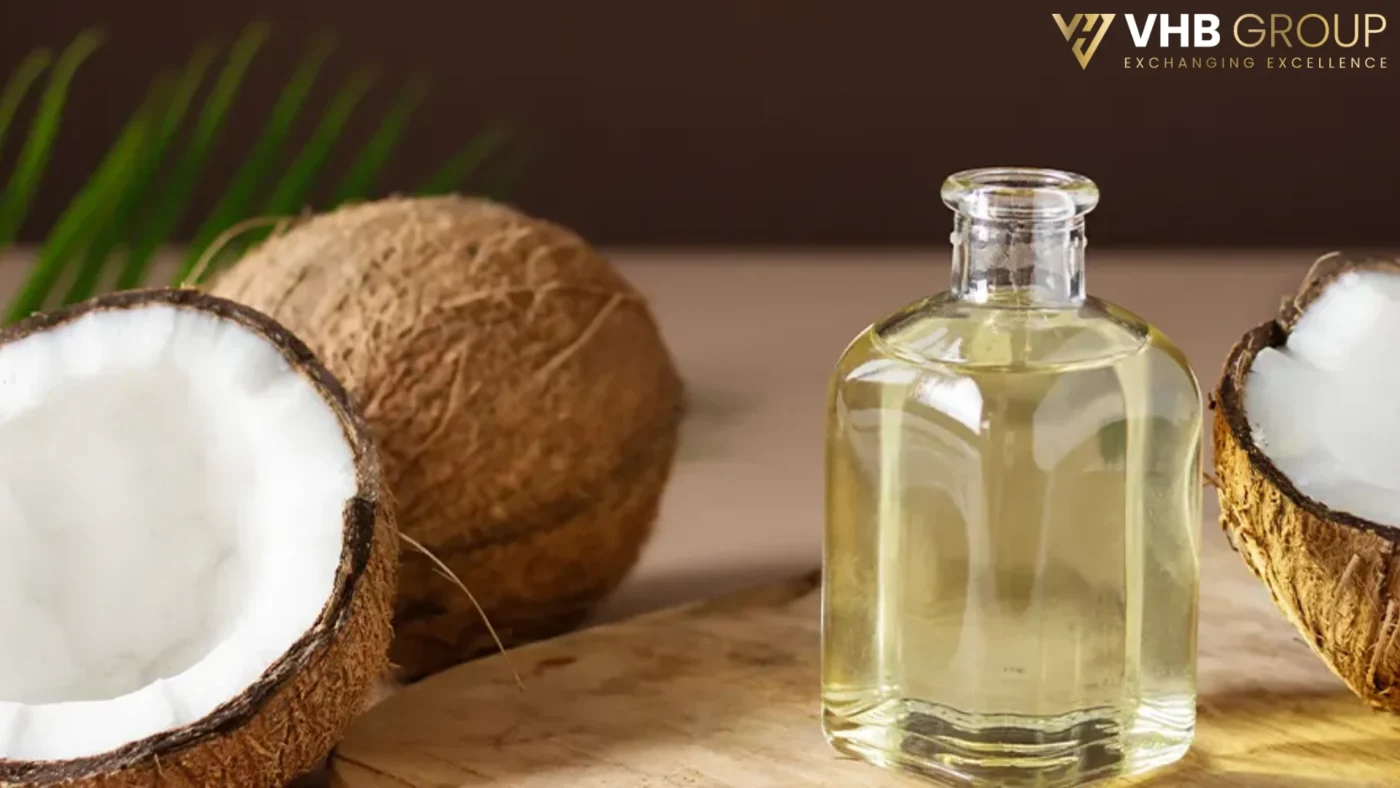
In the global agricultural trade, identifying the ideal Refined Coconut Oil Origin is crucial for B2B buyers seeking high-quality, stable, and cost-effective raw materials for food production, cosmetics, and industrial applications. Refined, Bleached, and Deodorized (RBD) coconut oil is a highly versatile commodity, prized for its high smoke point, neutral flavor profile, and exceptional shelf-life. As supply chains face geopolitical challenges and climate-induced disruptions, sourcing managers are shifting their focus to reliable agricultural hubs that offer transparent, sustainable, and certified supply chains.
This comprehensive guide explores the dynamics of the global coconut market, highlighting why Vietnam is rapidly emerging as the premier refined coconut oil origin. We will dive deep into the cultivation regions, industrial processing standards, quality certifications, and the logistical advantages of partnering with an established export leader like VIHABA.
Table of Contents
- 1. Global Market Overview and the Strategic Importance of Origin
- 2. Vietnam as a Premier Refined Coconut Oil Origin
- 3. Industrial Processing: From Raw Copra to Refined Oil
- 4. International Quality Standards and Technical Specifications
- 5. Logistical Mastery and Packaging Solutions for B2B Export
- 6. Frequently Asked Questions (FAQ)
- 7. Conclusion: Partner with VIHABA for Premium Sourcing
1. Global Market Overview and the Strategic Importance of Origin
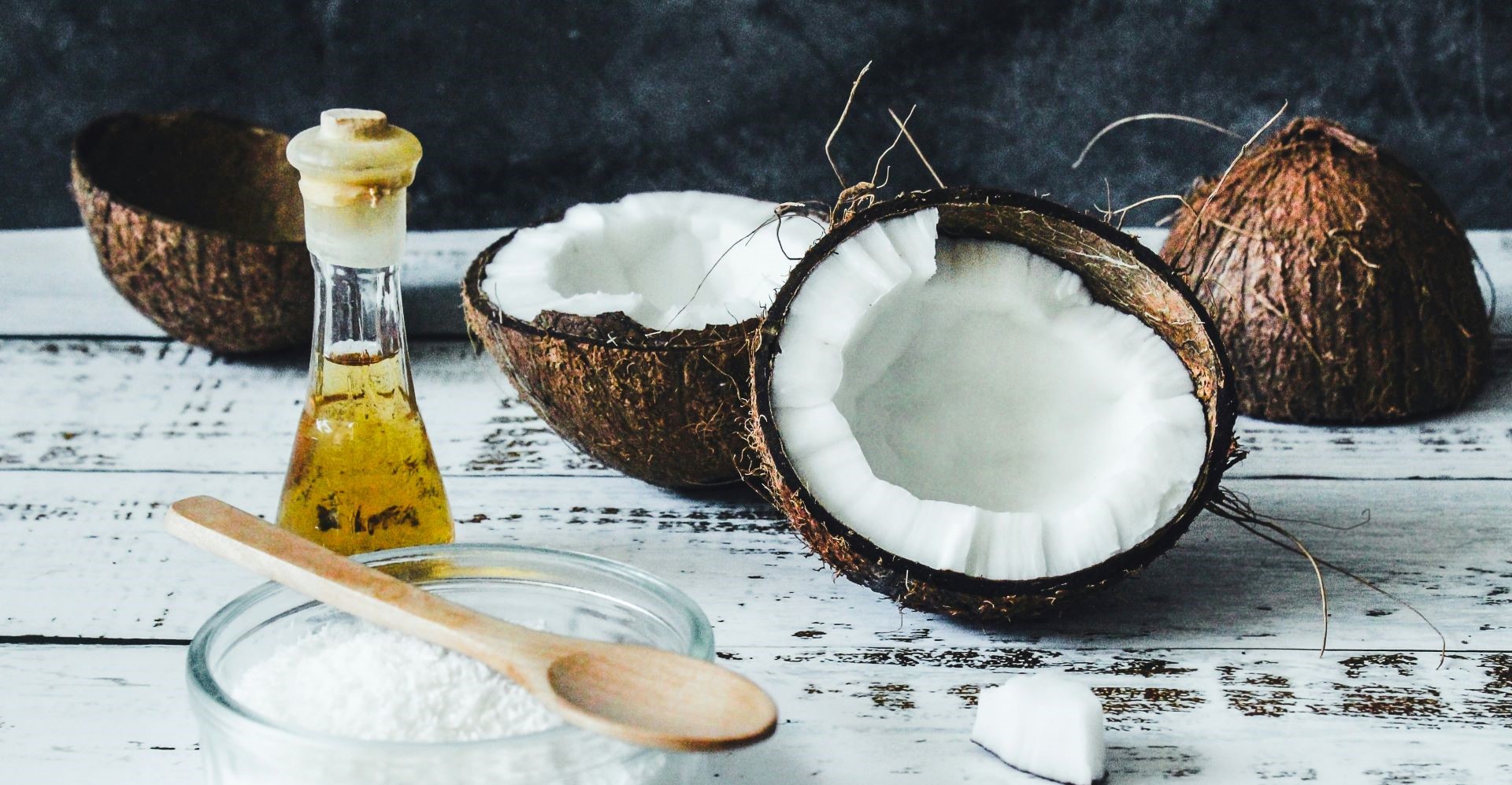
The global demand for refined coconut oil continues to rise, driven by its multi-industry application. Unlike virgin coconut oil, which retains a strong coconut aroma and taste, refined coconut oil undergoes a specialized purification process. This renders it completely odorless, tasteless, and ultra-clear, making it an ideal ingredient for commercial baking, frying, confectionery, cosmetics formulation, and pharmaceutical processing.
When selecting a Refined Coconut Oil Origin, international buyers must evaluate multiple factors beyond raw unit price. These factors include:
- Soil and Climatic Conditions: The nutrient composition of the soil directly influences the fatty acid profile, particularly the concentration of Lauric Acid (C12), which gives coconut oil its unique antimicrobial and moisturizing properties.
- Agricultural Sustainability: Modern B2B consumers demand environmental accountability. Sourcing from origins that practice ethical farming, intercropping, and fair-trade labor ensures brand protection and compliance with evolving global regulations like the EU Deforestation Regulation (EUDR).
- Trade Agreements and Tariff Structures: The choice of origin can significantly impact landing costs. For instance, countries with active Free Trade Agreements (FTAs) enjoy preferential tariff rates, reducing the overall cost of import.
While traditional origins like the Philippines and Indonesia have long dominated the market, Vietnam has rapidly modernized its agricultural infrastructure, making it a highly competitive and reliable alternative for premium-grade refined coconut oil.
2. Vietnam as a Premier Refined Coconut Oil Origin
Vietnam has established itself as an agricultural powerhouse, with its coconut industry experiencing exponential growth. The primary driving force behind Vietnam’s success as a world-class Refined Coconut Oil Origin is the Mekong Delta region, particularly Ben Tre Province, globally recognized as the “Land of Coconuts.”
The Ecological Advantage of Ben Tre
Ben Tre benefits from a unique ecological system. Positioned between the branches of the Mekong River, the region features highly fertile, alluvial soil constantly replenished by natural tidal cycles. This nutrient-rich environment allows coconut palms to thrive naturally with minimal reliance on chemical fertilizers. The local coconuts are celebrated for their thick, high-fat kernels, which serve as the perfect raw material for extracting premium copra.
Commitment to Sustainability and Traceability
VIHABA works closely with local farming cooperatives in Ben Tre to implement sustainable agricultural practices. Many of our partner plantations are transitioning to organic farming methods, incorporating natural pest management and water-conserving irrigation systems. By maintaining a closed-loop supply chain, we provide complete traceability from the individual farm gate to the final refined product, ensuring our partners receive a sustainable, ethical commodity.
3. Industrial Processing: From Raw Copra to Refined Oil
To transform high-quality coconuts into stable, food-grade refined oil, a meticulous and technologically advanced refining process is required. The process ensures that all free fatty acids, moisture, pigments, and odor compounds are removed, resulting in a highly stable medium-chain triglyceride (MCT) oil.

Step 1: Copra Preparation and Oil Extraction
The journey begins with harvesting fully matured coconuts. The kernel (meat) is extracted and dried to create copra. This copra is carefully monitored for moisture levels to prevent aflatoxin contamination. Once dry, the copra undergoes mechanical expeller pressing to extract raw, crude coconut oil.
Step 2: Refining (Neutralization)
The crude coconut oil contains free fatty acids (FFA) that reduce its stability and smoke point. During neutralization, the oil is treated with a food-grade alkaline solution, which reacts with the FFAs to form soap stock. This soap stock is separated from the neutral oil using high-speed industrial centrifuges, successfully lowering the FFA content to less than 0.1%.
Step 3: Bleaching (Decolorizing)
Next, the neutralized oil is passed through natural bleaching earths (activated clay and carbon) under vacuum conditions. This physical filtration process adsorbs pigments, trace metals, and residual oxidation products, leaving the oil completely clear and transparent in its liquid state.
Step 4: Deodorizing
The final phase is steam distillation under a high vacuum at elevated temperatures. This process strips away volatile compounds responsible for the natural coconut scent and flavor. What remains is a pure, neutral, highly stable refined coconut oil with a smoke point of 232 degrees Celsius (450 degrees Fahrenheit), perfect for high-heat manufacturing and culinary applications.
4. International Quality Standards and Technical Specifications
A reliable Refined Coconut Oil Origin must conform to rigorous international food safety and chemical standards. At VIHABA, we ensure our refined coconut oil meets the strictest global standards, backed by third-party testing from accredited laboratories such as SGS, Bureau Veritas, or Eurofins.
Below is the detailed technical specification sheet for our premium refined coconut oil:
| Parameter | Specification Limits | Test Method |
|---|---|---|
| Appearance | Clear, colorless to pale yellow (liquid) / White (solid) | Visual |
| Odor & Taste | Neutral, completely odorless and bland | Organoleptic |
| Free Fatty Acid (as Lauric Acid) | Max 0.1% | AOCS Ca 5a-40 |
| Moisture and Volatile Matter | Max 0.1% | AOCS Ca 2c-25 |
| Iodine Value (Wijs) | 7.5 – 10.5g I2/100g | AOCS Cd 1-25 |
| Peroxide Value | Max 1.0 meq O2/kg | AOCS Cd 8-53 |
| Saponification Value | 250 – 264 mg KOH/g | AOCS Cd 3-25 |
| Color (Lovibond 5.25 inch cell) | Max 1.5 Red / 15 Yellow | AOCS Cc 13b-45 |
| Slip Melting Point | 23 – 26 degrees Celsius | AOCS Cc 3-25 |
Our production facilities are fully compliant with international management systems, including ISO 22000, HACCP, Halal, Kosher, and GMP. This guarantees that every batch exported by VIHABA is safe, clean, and fully compliant with local regulations in target importing markets like Europe, North America, and East Asia.
5. Logistical Mastery and Packaging Solutions for B2B Export
International B2B sourcing requires seamless logistics and robust packaging to prevent oxidation, contamination, and damage during ocean transit. Sourcing from Vietnam as your Refined Coconut Oil Origin offers unparalleled logistical convenience, thanks to Vietnam’s extensive coastline and modern deep-water ports like Cat Lai (Ho Chi Minh City) and Cai Mep.
Flexible Packaging Options for Bulk Sourcing
To cater to different manufacturing scales and industrial setups, we offer highly adaptable packaging configurations:
- Flexibags (Flexitanks): Ideal for large-scale bulk buyers. A single food-grade multi-layer flexibag installed in a 20ft container can transport up to 21 to 22 Metric Tons (MT) of refined coconut oil, optimizing freight costs.
- IBC Totes (1000 Liters): Perfect for medium-sized manufacturing facilities that require easy handling, storage, and direct integration into their production lines.
- Steel or Plastic Drums (200 Liters / 190 kg): Traditional, durable packaging that allows for easy handling and decanting, highly favored in regions with variable infrastructure.
- Jerry Cans (18 Liters / 20 Liters): Suitable for foodservice distributors, commercial bakeries, or smaller formulation laboratories.
With Vietnam’s strategic location along major maritime trading routes, transit times to major Asian ports are within 5 to 10 days, while shipments to Europe and North America range between 25 to 40 days. VIHABA’s dedicated logistics team handles all customs clearance, phytosanitary certificates, and export documentation, ensuring a smooth delivery to your destination port.
7. Conclusion: Partner with VIHABA for Premium Sourcing
Choosing the right Refined Coconut Oil Origin is a critical business decision that impacts your product quality, brand reputation, and bottom line. Sourcing from Vietnam offers a unique combination of exceptional natural resources, advanced industrial processing capabilities, and highly favorable trade conditions.
As an industry leader in agricultural exports, VIHABA is committed to delivering premium-grade, sustainably sourced refined coconut oil to partners worldwide. Our comprehensive quality control, transparent supply chain, and dedicated logistics support make us the ideal long-term B2B partner. Let us help you streamline your supply chain and elevate your product quality. Discover how VIHABA’s Refined Coconut Oil can empower your business today.
Refined Coconut Oil Origin FAQ
Disclaimer: Unless otherwise stated, the images used in this article are the property of their respective owners. We do not claim ownership of any third-party images featured, and they are used here strictly for informational and educational purposes. If you are the copyright holder and wish to have an image removed, please contact us.