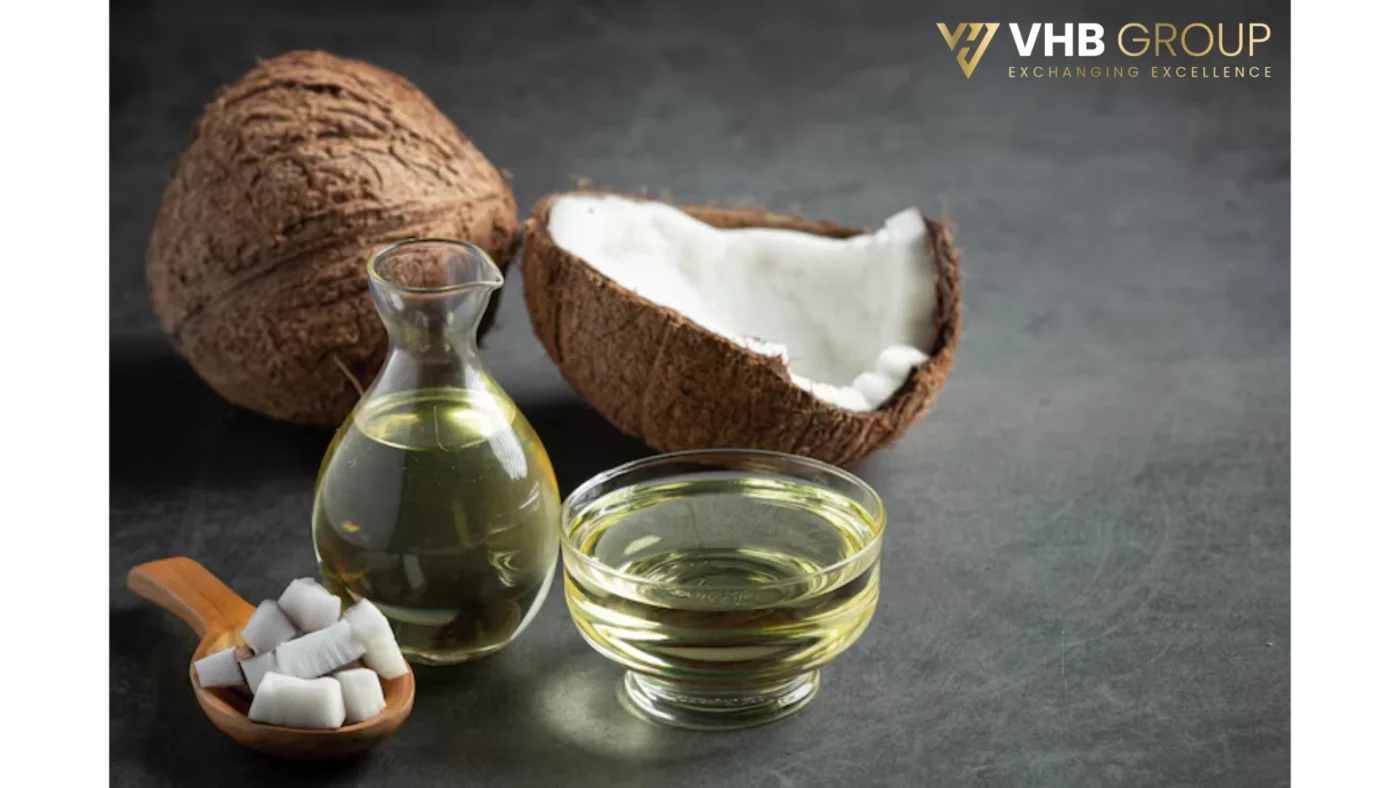
In the rapidly expanding global agricultural market, sourcing high-quality Refined Coconut Oil Special SKUs has become a critical strategic priority for food manufacturers, cosmetic brands, and pharmaceutical companies alike. As industrial applications become increasingly specialized, the demand for standardized, reliable, and custom-tailored coconut oil products has skyrocketed. Unlike standard crude coconut oil, refined, bleached, and deodorized (RBD) coconut oil offers a neutral taste, odor-free profile, and high smoke point, making it an indispensable ingredient across diverse sectors.
For global procurement officers, navigating the complexities of sourcing, technical specifications, and logistics requires a deep understanding of the agricultural supply chain and processing standards. In this comprehensive guide, we explore how premium sourcing strategies, advanced refining methodologies, and customized product options can optimize your manufacturing processes and elevate your product quality.
Table of Contents
- Global Market Dynamics and the Rise of Refined Coconut Oil Special SKUs
- Agricultural Foundations: Sourcing and Cultivation Regions in Vietnam
- Advanced Processing and Refining Technology
- Understanding Technical Specifications of Refined Coconut Oil Special SKUs
- Quality Assurance, International Certifications, and Compliance
- Packaging, Logistics, and B2B Export Solutions
- Why Choose Our Customized Refined Coconut Oil Special SKUs for Your Supply Chain
- Frequently Asked Questions
Global Market Dynamics and the Rise of Refined Coconut Oil Special SKUs
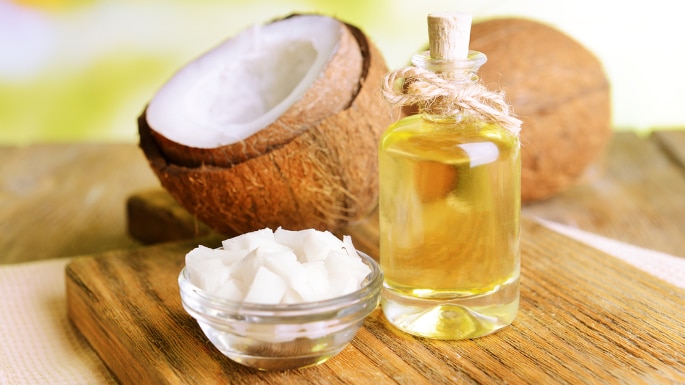
The global demand for coconut oil has witnessed a significant paradigm shift. Historically utilized primarily as a crude cooking oil in tropical regions, it has evolved into a highly sought-after functional ingredient in global B2B supply chains. Today, cosmetic formulators require ultra-clear, low-odor oils for premium skincare lines, while food processing giants demand high-stability fats with precise melting profiles to replace hydrogenated oils and trans-fats. This divergence in industrial requirements has driven the development of specialized grades, commonly referred to as Refined Coconut Oil Special SKUs.
Emerging market trends indicate that sustainability and custom physical properties are the dual pillars of modern agricultural procurement. Consumers globally are demanding cleaner labels, which in turn forces manufacturers to seek raw materials that are physically refined rather than chemically altered. By focusing on tailored SKUs, B2B buyers can secure coconut oil that meets exact melting points, moisture levels, and fatty acid profiles, reducing downstream processing costs and minimizing product variance. Sourcing from competitive, high-yield regions like Southeast Asia has consequently become a cornerstone strategy for multinational corporations aiming to build resilient and cost-effective ingredient pipelines.
Agricultural Foundations: Sourcing and Cultivation Regions in Vietnam
Vietnam has rapidly emerged as a dominant force in global coconut production, characterized by favorable tropical climates, rich alluvial soils, and highly organized smallholder farming networks. The heart of Vietnam’s coconut industry lies in the Mekong Delta, particularly within Ben Tre Province, widely recognized as the ‘coconut capital’ of the country. This region benefits from a dense network of rivers and canals, depositing nutrient-rich silt that feeds vast coconut groves naturally, minimizing the need for heavy chemical fertilization.
Sustainable agricultural practices are increasingly integrated into Vietnamese coconut cultivation. Local farmers employ traditional intercropping methods—planting cocoa, citrus, or bananas alongside coconut palms—which preserves soil biodiversity, manages pest populations naturally, and secures year-round income for agricultural communities. By prioritizing organic-equivalent farming practices and reducing synthetic inputs, Vietnamese exporters can guarantee that the raw copra sourced for further refining is free from harmful chemical residues. This solid agricultural foundation ensures that the raw material entering the refining mills is of the highest biological quality, directly impacting the purity and stability of the final refined product.
Advanced Processing and Refining Technology
Transforming raw coconut copra into high-grade industrial oil requires a sophisticated multi-stage refining process. The primary method utilized is the RBD (Refined, Bleached, Deodorized) process, which physically extracts impurities while preserving the oil’s structural integrity. Physical refining is highly preferred over chemical refining as it avoids the use of harsh caustic sodas, aligning with global clean-label trends.
The Degumming and Neutralization Stage
During the initial phase, crude coconut oil extracted from high-quality copra undergoes degumming to remove phospholipids and natural gums that can accelerate spoilage. This is followed by physical neutralization under vacuum conditions, where free fatty acids (FFAs) are distilled off. Reducing the FFA content is critical, as high acidity lowers the oil’s smoke point and reduces its shelf-life, making it unsuitable for food and cosmetic applications.
Bleaching and Deodorization
The neutralized oil is then subjected to bleaching, a physical filtration process where the oil is passed through natural activated clay or activated carbon. This step efficiently removes organic pigments like chlorophyll and carotenoids, resulting in a crystal-clear liquid. Finally, the oil undergoes steam deodorization under high vacuum and elevated temperatures. This process strips away volatile compounds, aldehydes, and ketones responsible for the characteristic coconut aroma and flavor. The end product is a highly stable, completely neutral oil that acts as a blank canvas for food flavorists and cosmetic formulators.
Understanding Technical Specifications of Refined Coconut Oil Special SKUs
When procuring industrial ingredients, technical precision is paramount. Standard RBD coconut oil may suffice for basic applications, but specialized industrial processes require strict adherence to tight chemical parameters. This is where customized Refined Coconut Oil Special SKUs provide immense value. By adjusting refining duration, filtration media, and temperature profiles, manufacturers can deliver oils with specific iodine values, moisture thresholds, and melting points.
Below is a comprehensive technical specification table detailing the differences between standard grades and specialized high-purity SKUs designed for demanding industrial applications:
| Technical Parameter | Standard RBD Grade | Special SKU – Food/Pharma Grade | Special SKU – Cosmetic Grade |
|---|---|---|---|
| Free Fatty Acids (as Lauric) | Max 0.1% | Max 0.05% | Max 0.03% |
| Moisture & Impurities | Max 0.1% | Max 0.05% | Max 0.02% |
| Iodine Value (g I2/100g) | 6.0 – 11.0 | 6.5 – 9.5 | 6.0 – 8.5 |
| Peroxide Value (meq O2/kg) | Max 2.0 | Max 1.0 | Max 0.5 |
| Color (Lovibond 5.25″ cell) | Red Max 1.5 / Yellow Max 15 | Red Max 0.8 / Yellow Max 8 | Red Max 0.5 / Yellow Max 5 |
| Slip Melting Point | 24°C – 26°C | 23°C – 25°C | 24°C – 26°C |
Understanding these variances allows procurement managers to select the precise SKU that prevents separation in cosmetic emulsions, prevents rancidity in packaged foods, or guarantees chemical stability in pharmaceutical excipients.
Quality Assurance, International Certifications, and Compliance
In the international trade of agricultural commodities, quality assurance is not merely a preference; it is a regulatory mandate. Leading global markets, including the European Union, North America, and East Asia, enforce strict import standards regarding pesticide residues, heavy metal concentrations, and microbiological safety. Therefore, establishing a rigorous quality management system across the entire supply chain is essential.
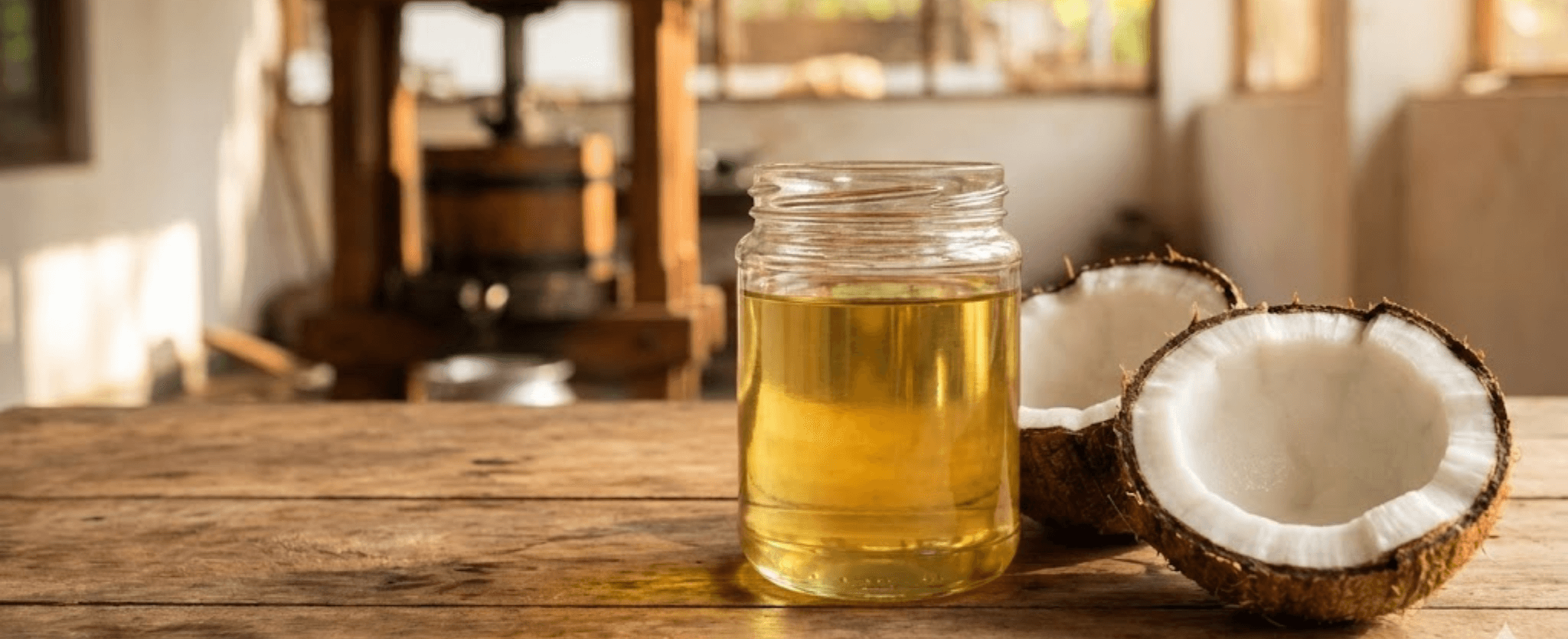
Sourcing partners must ensure compliance with international food safety and management standards. Premium facilities are backed by certifications such as ISO 22000, HACCP (Hazard Analysis Critical Control Point), and FSSC 22000. Additionally, for specialized markets, obtaining Halal and Kosher certifications is critical to expanding consumer reach. Robust traceability programs—where every batch of exported oil can be traced back to the specific cooperative and processing date—ensure transparent supply chains that protect brand integrity and minimize recall risks.
Packaging, Logistics, and B2B Export Solutions
The physical properties of coconut oil present unique logistical challenges. With a natural melting point of approximately 24°C (75°F), coconut oil transitions from a solid fat in temperate zones to a liquid oil in tropical climates. This phase transition requires careful planning in packaging, storage, and transport logistics to prevent leakage, oxidation, or quality degradation during maritime transit.
To accommodate diverse industrial requirements, flexible packaging options are deployed for global shipments:
- Flexitanks (20-24 Metric Tons): Ideal for large-scale liquid bulk buyers. Installed inside standard 20-foot containers, flexitanks offer a highly cost-effective transport method, minimizing handling and maximizing volume. For shipments destined for colder climates, integrated heating pads are installed underneath the flexitank to allow gentle melting of the solid oil at the port of discharge.
- IBC Totes (1,000 Liters): Perfect for medium-scale manufacturers who require easy handling and storage within their production facilities without the need for specialized bulk receiving tanks.
- Steel or Plastic Drums (200 Liters): The traditional, rugged packaging standard. Extremely durable, easy to stack, and ideal for operations that process smaller, batch-controlled volumes.
Efficient shipping logistics from key Vietnamese ports like Cat Lai in Ho Chi Minh City ensure timely delivery across global shipping lanes, minimizing transit times and safeguarding the oil’s shelf life.
Why Choose Our Customized Refined Coconut Oil Special SKUs for Your Supply Chain
When optimizing your ingredient sourcing, partnering with a reliable, direct-from-origin supplier makes all the difference. VIHABA has built a reputation as a trusted leader in the agricultural export sector, bridging the gap between Vietnam’s fertile farming communities and global industrial buyers. We understand that one size does not fit all, which is why we specialize in formulating and exporting customized Refined Coconut Oil Special SKUs that cater directly to your unique technical specifications.
By controlling our supply chain from the farm gate in Ben Tre to the final processing and packaging stages, we guarantee unmatched quality consistency, competitive pricing, and full transparency. Our state-of-the-art refining partnerships utilize physical, chemical-free processing, ensuring your oil remains pure, stable, and highly functional. Whether your enterprise requires custom-packaged bulk flexitanks for food production or ultra-low moisture drums for high-end cosmetics, VIHABA provides the technical expertise, quality assurance certifications, and logistics coordination needed to streamline your import operations.
Conclusion
Sourcing the right ingredients is fundamental to securing product consistency, regulatory compliance, and consumer trust. As demonstrated, the transition from basic agricultural commodities to highly specialized, custom-tailored ingredients is key to modern manufacturing success. Choosing premium Refined Coconut Oil Special SKUs ensures that your products maintain their desired texture, stability, and sensory characteristics without compromise. By partnering with VIHABA, you gain access to Vietnam’s finest agricultural resources, advanced refining technology, and a dedicated team of logistics experts committed to delivering excellence directly to your facility. Contact our B2B export team today to discuss your technical specifications and request tailored samples for your next production run.
Refined Coconut Oil Special SKUs FAQ
Disclaimer: Unless otherwise stated, the images used in this article are the property of their respective owners. We do not claim ownership of any third-party images featured, and they are used here strictly for informational and educational purposes. If you are the copyright holder and wish to have an image removed, please contact us.