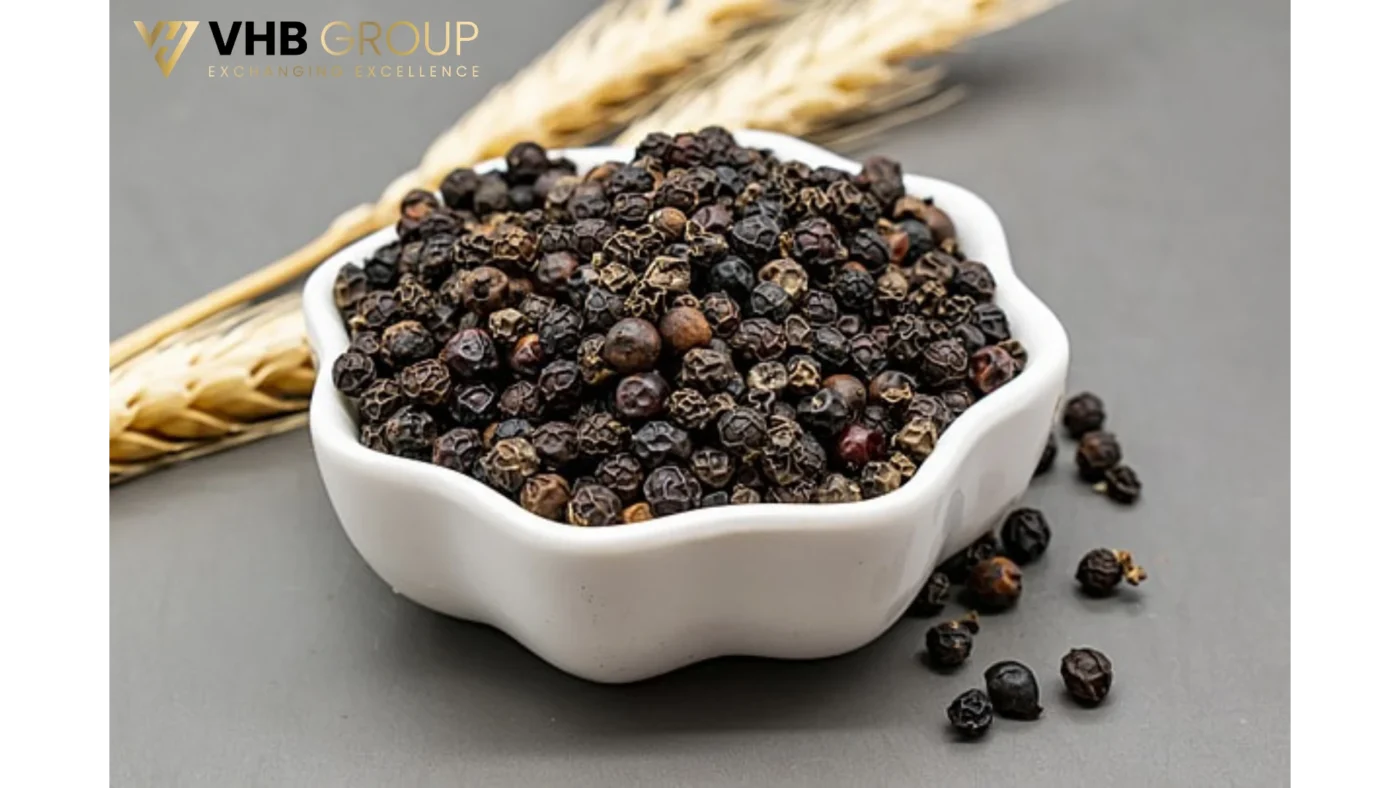
When sourcing high-quality Bulk Black Pepper for industrial food processing, wholesale distribution, or retail packaging, understanding the nuances of the global supply chain is critical.
As a leading global agricultural exporter, VIHABA provides premium bulk black pepper sourced directly from the fertile highlands of Vietnam, ensuring that international buyers receive consistent quality, transparent pricing, and unparalleled logistics support. Navigating the agricultural commodity market requires deep industry expertise, and establishing a stable supply of this essential spice can significantly impact your bottom line. In this guide, we will analyze the key aspects of sourcing this commodity at scale, covering cultivation, quality parameters, and logistics.
Table of Contents
- Sourcing High-Quality Bulk Black Pepper: A Strategic Guide
- Key Quality Standards and Grading Systems for Bulk Black Pepper
- Agricultural Sourcing: Vietnam’s Black Pepper Dominance
- Logistics, Packaging, and Supply Chain Transparency
- Navigating the Pricing Trends of Bulk Black Pepper
- Quality Certifications and Global Compliance
- Product Specification and Grading Table
- Frequently Asked Questions (FAQs)

Sourcing High-Quality Bulk Black Pepper: A Strategic Guide
Global trade in spices is driven by a quest for consistency, purity, and safety. When purchasing agricultural commodities on a large scale, B2B procurement managers face multiple challenges, including moisture damage, varying density grades, and fluctuating chemical profiles. To mitigate these risks, strategic sourcing must prioritize direct access to agricultural regions and comprehensive testing protocols.
At VIHABA, we bridge the gap between smallholder farms and international distribution networks. By establishing direct partnerships with growers in key cultivation hubs, we ensure that every batch of spice meets the highest global culinary and industrial standards. Our vertically integrated supply chain enables us to offer competitive pricing while maintaining total control over quality from cultivation to container loading.
Sourcing directly from the origin allows us to oversee the entire production cycle. From selecting high-yield cultivars to employing advanced post-harvest processing methods, our field experts work hand-in-hand with local farmers. This cooperative model not only guarantees volume stability but also fosters sustainable farming methods that protect the environment and improve farmer livelihoods. Historically, spice trading relied heavily on multiple tiers of middlemen, which often led to product adulteration, lack of traceability, and inflated prices. VIHABA’s direct-from-origin model eliminates these inefficiencies, providing an unadulterated product with clean trace records.
To ensure maximum purity, our partner farms utilize integrated pest management (IPM) protocols. This dramatically reduces reliance on synthetic chemicals and ensures that pesticide residues remain well below the strict Maximum Residue Limits (MRLs) enforced by importing nations. Our quality control teams perform regular pre-harvest testing, ensuring that only compliant raw materials enter our processing facilities.
Key Quality Standards and Grading Systems for Bulk Black Pepper
For B2B buyers, understanding how spices are graded is crucial for negotiating fair prices and securing the right product for specific applications. The physical and chemical characteristics of black pepper (Piper nigrum) determine its flavor profile, shelf life, and processing suitability.
The primary grading criteria include density (measured in grams per liter, or g/l), moisture content, percentage of light berries, and allowable levels of foreign matter. These metrics determine whether a batch is designated for direct retail packaging, industrial grinding, or oleoresin extraction.
Density and Weight Metrics
Density is perhaps the most critical indicator of quality in the wholesale trade. Higher density typically correlates with mature, fully formed berries that contain a richer concentration of essential oils and piperine. Common density classifications range from 500 g/l to 570 g/l. Standard FAQ (Fair Average Quality) grades generally sit at 500 g/l to 550 g/l, whereas ASTA (American Spice Trade Association) grades command a premium due to rigorous cleaning and higher density thresholds.
A higher density signifies that the kernel of the pepper berry is fully developed, maximizing the yield when the pepper is ground into powder. Industrial grinders and spice processors specifically request high-density grades (like 550 g/l or 570 g/l) to minimize processing waste and maximize flavor output. Low-density berries, also known as pinheads or light berries, are mechanically separated during the grading process to ensure that only the most robust grains are selected for export.
Moisture Control and Aflatoxin Prevention
Moisture content must be strictly controlled to prevent the growth of molds, particularly Aspergillus flavus, which can produce dangerous aflatoxins. The industry-standard maximum moisture limit is 12% to 12.5%. Anything higher increases the risk of spoilage and degradation during long-distance maritime shipping. At VIHABA, we utilize mechanical drying systems alongside traditional sun-drying methods to achieve uniform moisture levels across all export batches.
Moisture management does not end at the drying patio. In our processing facilities, moisture levels are continuously monitored using high-precision digital moisture meters. Samples are taken from various points of each batch before packaging to guarantee that the cargo remains dry and stable throughout its journey across global shipping routes. Proper drying also helps in retaining the natural blackish-brown color of the berries, preventing the development of undesirable greyish hues associated with poorly cured pepper.

Agricultural Sourcing: Vietnam’s Black Pepper Dominance
Vietnam is the undisputed global leader in black pepper production and export, accounting for over 50% of the world’s trade volume. The country’s unique geographical features, including fertile basalt red soils and a humid tropical climate, provide the perfect conditions for high-yield cultivation.
The major growing regions are concentrated in the Central Highlands and Southeast provinces, such as Dak Lak, Dak Nong, Gia Lai, and Binh Phuoc. Each region offers distinct terroir characteristics that influence the aromatic profile of the berries. VIHABA closely collaborates with agricultural cooperatives in these regions, promoting sustainable farming practices, minimizing synthetic pesticide usage, and preparing farms for GlobalGAP certification. This direct involvement ensures a stable, traceably sourced annual harvest that satisfies stringent European and North American import regulations.
The basaltic soil in these regions is particularly rich in organic matter and essential minerals, which promotes deep root development and robust plant health. This natural fertility, combined with generations of farming expertise, allows Vietnamese farmers to produce pepper with a distinctively sharp aroma and an intense, complex heat profile that is highly sought after by global food brands. Harvesting occurs primarily between January and April, a period during which our processing units run at full capacity to process, grade, and pack fresh crops for global distribution.
Logistics, Packaging, and Supply Chain Transparency
Exporting agricultural commodities across oceans requires meticulous planning and robust packaging solutions. Spices are highly sensitive to environmental factors like humidity, temperature fluctuations, and pest infestations. Therefore, logistics planning is just as critical as agricultural quality.
To preserve flavor and freshness, we utilize specialized B2B packaging options. These include multi-wall kraft paper bags, heavy-duty woven polypropylene (PP) bags (typically 25kg or 50kg), and high-capacity jumbo bags (500kg to 1,000kg) designed for industrial processing lines. For transoceanic voyages, shipping containers are equipped with container lining and silica gel desiccants to prevent ‘container sweat’—a phenomenon where moisture condenses on the container ceiling and drips onto the cargo, causing mold.
Furthermore, supply chain transparency is no longer a luxury but an industry mandate. VIHABA offers complete batch traceability, providing documentation that tracks the cargo from the specific cooperative or cultivation zone through cleaning, processing, sorting, and final export loading at Ho Chi Minh City ports.
Our logistics team handles all aspects of documentation, including Bill of Lading, Commercial Invoice, Packing List, Certificate of Origin (such as Form EUR.1 for European Union trade benefits under the EVFTA), Phytosanitary Certificates, and Fumigation Certificates. By managing these complex processes in-house, we eliminate administrative bottlenecks and guarantee smooth customs clearance at destination ports.
The global market price for Bulk Black Pepper is highly volatile, influenced by weather patterns, geopolitical shifts, and currency valuations. Phenomena such as El Nino or unexpected heavy rainfall can delay harvests and reduce yields, driving prices upward. Conversely, bumper crops can lead to temporary market saturation.
B2B buyers can protect themselves from sudden price spikes by establishing long-term supply contracts or purchasing forward contracts. VIHABA’s market intelligence team provides regular updates and analysis, helping our clients time their purchases strategically to lock in competitive pricing. By optimizing domestic logistics and operating our own processing facilities, we minimize overhead costs, passing those savings directly to our international partners.
In addition to climate-related factors, shipping freight rates and container availability play a major role in the final delivered cost (CIF). By maintaining strategic contracts with top-tier global shipping lines, VIHABA is able to secure stable freight rates and guaranteed container space, even during peak shipping seasons, safeguarding our buyers from unexpected logistics cost surges.
Quality Certifications and Global Compliance
Importing spices into highly regulated markets like the European Union, the United States, Japan, or South Korea requires compliance with strict phytosanitary and food safety laws. Buyers must ensure that their suppliers possess international quality certifications to avoid customs delays, product rejections, or costly recalls.
VIHABA is fully committed to upholding international standards. Our manufacturing and sorting processes comply with ISO 22000 and HACCP food safety management systems. We work diligently to ensure that pesticide residues, heavy metal content, and microbiological parameters (such as Salmonella and E. coli) fall well within the Maximum Residue Limits (MRLs) defined by the European Food Safety Authority (EFSA) and the US FDA. We also offer Halal and Kosher-certified products to meet diverse dietary requirements worldwide.
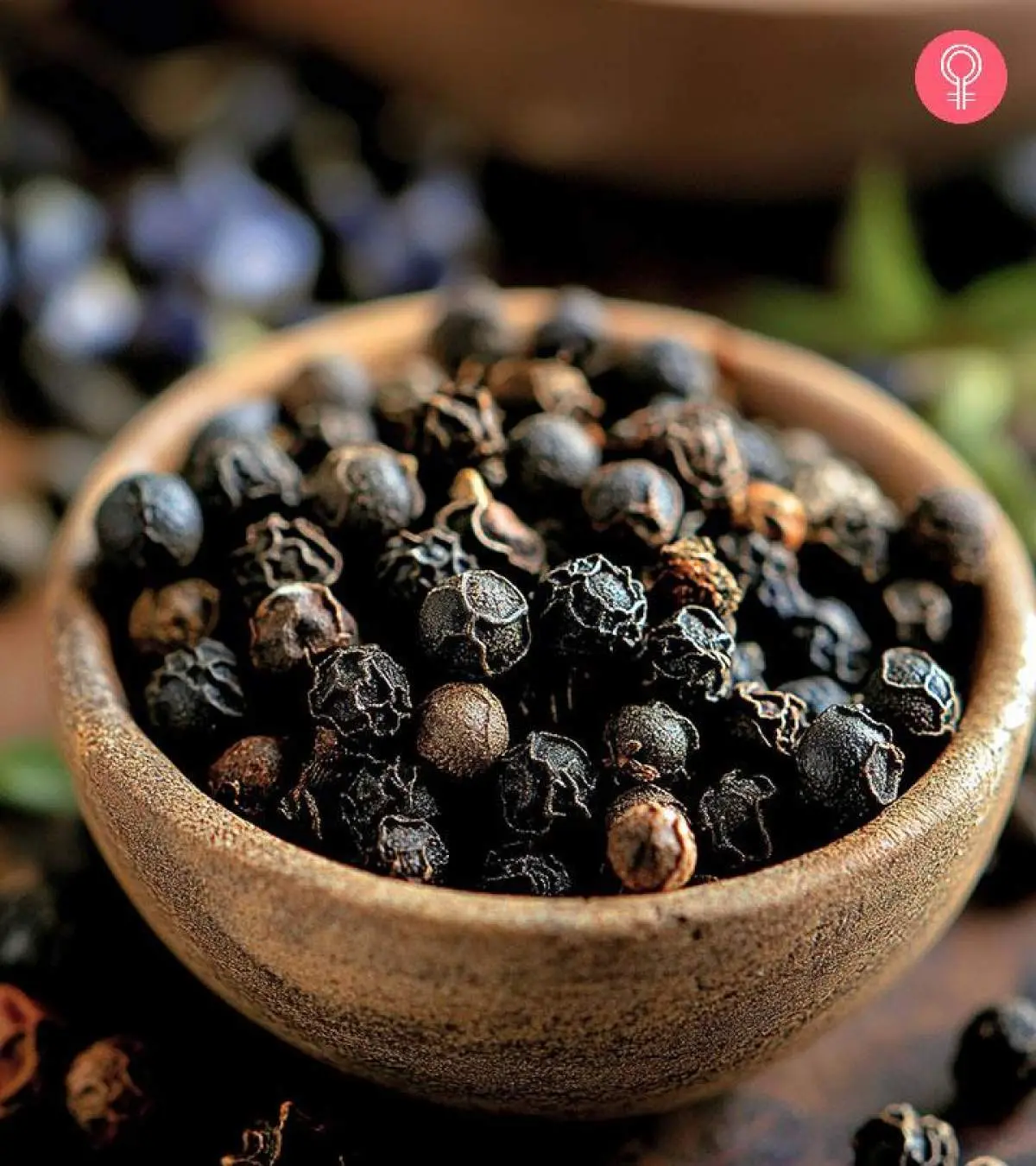
To achieve this high level of compliance, we employ rigorous testing protocols at every stage. Raw materials are analyzed in independent, ISO-accredited laboratories prior to processing. Our commitment to food safety ensures that every batch of spice leaving our facilities is not only delicious but absolutely safe for consumer consumption.
Product Specification and Grading Table
The following technical data sheet outlines the primary grades of export-quality black pepper processed and supplied by VIHABA. These specifications serve as a benchmark for international procurement standardizations.
| Specification / Grade | FAQ 500 G/L | FAQ 550 G/L | ASTA Cleaned |
|---|---|---|---|
| Density (g/l) | Min 500 | Min 550 | Min 570 |
| Moisture Content | Max 13.5% | Max 12.5% | Max 12.0% |
| Foreign Matter | Max 1.0% | Max 0.5% | Max 0.2% |
| Light Berries | Max 2.0% | Max 1.0% | Max 0.5% |
| Piperine Content | Min 4.0% | Min 4.5% | Min 5.0% |
Secure Your Spice Supply Chain with VIHABA
Sourcing high-quality Bulk Black Pepper requires a strategic partner who understands agricultural logistics, international food safety compliance, and the dynamics of the global commodity market. VIHABA is dedicated to providing superior agricultural products with complete transparency, direct-from-farm efficiency, and rigorous quality control. Whether you are seeking specific density grades, clean ASTA-quality shipments, or sustainable supply contracts, our dedicated team is here to support your company’s growth. Contact VIHABA today to request a custom wholesale quote and secure a reliable supply of premium spices for your business.
Bulk Black Pepper Sourcing FAQ
Disclaimer: Unless otherwise stated, the images used in this article are the property of their respective owners. We do not claim ownership of any third-party images featured, and they are used here strictly for informational and educational purposes. If you are the copyright holder and wish to have an image removed, please contact us.