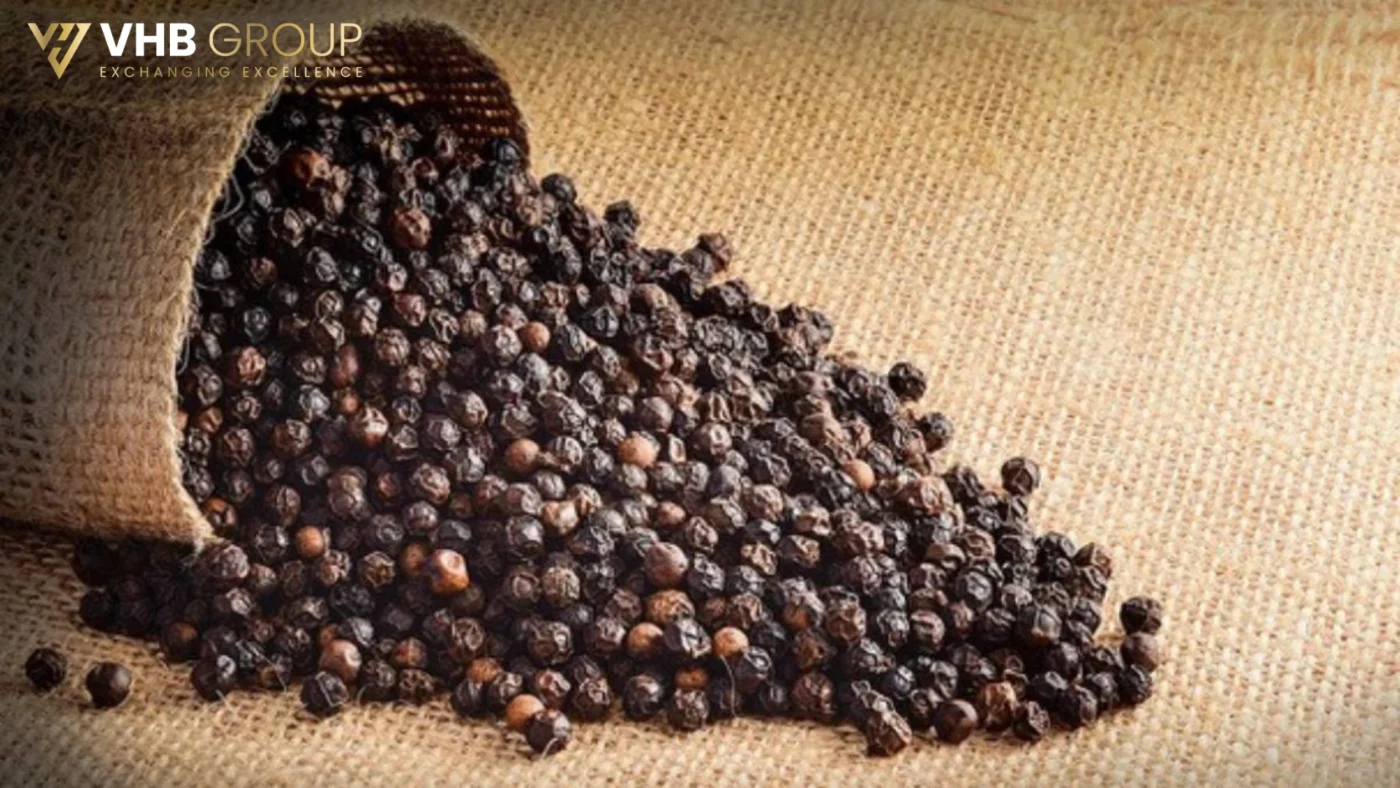
When analyzing global spice trade dynamics, understanding the essential Bulk Export Black Pepper Facts is crucial for international B2B buyers looking to secure high-quality supply chains. Black pepper (Piper nigrum), often referred to as the ‘King of Spices’, remains one of the most heavily traded agricultural commodities globally. Vietnam has established itself as the undisputed powerhouse of this industry, supplying over 40% of the world’s black pepper.
For global importers, food processors, and spice distributors, sourcing this commodity in bulk requires an in-depth understanding of quality grades, cultivation ecosystems, and rigorous processing technologies. In this pillar guide, we will break down the structural realities of the global market, explore the primary cultivation zones in Vietnam, examine processing standards, and provide key data-driven insights to help your business make informed sourcing decisions.
- Global Market Overview and Bulk Export Black Pepper Facts
- Key Cultivation Regions in Vietnam
- Technical Processing Methods for Export Grade Pepper
- Bulk Export Black Pepper Facts: Quality Standards and Specifications
- Packaging, Logistics, and Supply Chain Transparency
- Frequently Asked Questions (FAQ)
- Conclusion: Utilizing Bulk Export Black Pepper Facts for Strategic Sourcing

Global Market Overview and Bulk Export Black Pepper Facts
The global black pepper market is characterized by high demand across multiple sectors, including retail food packaging, industrial meat processing, cosmetics, and pharmaceuticals. As a key ingredient in spice blends, preservation, and dietary supplements, black pepper consumption grows consistently by 3% to 5% annually. Emerging markets in Asia-Pacific, alongside stable demand in North America and Western Europe, drive this upward trajectory.
Vietnam is the dominant player in the export ecosystem, exporting between 200,000 and 280,000 metric tons annually. This unparalleled volume is backed by highly optimized agricultural practices, strong government support, and massive processing facilities that meet international food safety requirements. Other major exporting nations include Brazil, Indonesia, India, and Malaysia. However, Vietnam’s competitive pricing, coupled with advanced post-harvest processing capabilities, makes it the preferred origin for global bulk buyers. For an analytical deep-dive into pricing and volume metrics, review our comprehensive analysis of bulk export black pepper facts, which outlines how modern processing facilities have elevated Vietnamese pepper above traditional competitors.
Key Cultivation Regions in Vietnam
Vietnam’s black pepper cultivation is concentrated in regions that offer the perfect blend of basaltic red soils, high relative humidity, and distinct wet and dry seasons. These geographical advantages allow for high-yield harvests and exceptional essential oil profiles.
The Central Highlands: The Epicenter of Pepper Production
The Central Highlands (Tay Nguyen) region, which includes the provinces of Dak Lak, Dak Nong, Gia Lai, and Kon Tum, accounts for the vast majority of Vietnam’s pepper output. The region’s rich volcanic basalt soil, situated at elevations ranging from 500 to 800 meters above sea level, provides excellent natural drainage and is highly rich in essential minerals. This unique soil profile ensures that pepper vines develop deep root systems, leading to larger, denser berries with high piperine content (typically ranging between 5.0% and 7.0%).
The Southeast Region: Traditional Excellence
Provinces such as Binh Phuoc, Dong Nai, and Ba Ria-Vung Tau form the secondary major cultivation hub. The climate here is slightly warmer, and the soil contains a mix of basalt and alluvial deposits. Farmers in Binh Phuoc have transitioned rapidly toward sustainable and organic farming methodologies, implementing GlobalGAP, Organic (USDA and EU), and Rainforest Alliance certifications to cater to premium markets in Europe and North America.
Technical Processing Methods for Export Grade Pepper
The journey from a freshly harvested green pepper drupe to a shelf-ready black pepper berry requires strict technical intervention. Raw pepper purchased from local farms contains organic debris, stones, dust, and microbiological contaminants that must be thoroughly removed before export.

1. Pre-cleaning and Mechanical Sorting
Raw pepper is first passed through a series of multi-deck vibratory screens, air separators, and destoners. These mechanical processes eliminate light materials (such as leaves, stems, and empty husks) as well as heavy materials (like stones and metallic particles). Modern facilities also employ spiral separators to remove misshapen or broken berries, ensuring absolute uniformity in size and weight.
2. Steam Sterilization: The Standard for Global Food Safety
To meet the strict sanitary and phytosanitary (SPS) regulations of the European Union (EFSA) and the United States (FDA), bulk export pepper must undergo steam sterilization. This non-chemical process exposes the pepper to high-pressure steam (usually between 120°C and 135°C) for a precise duration of 15 to 30 seconds. Steam sterilization effectively reduces microbiological loads, eliminating pathogen threats such as Salmonella, Escherichia coli (E. coli), yeasts, and molds, while preserving the delicate volatile oils (piperine, pinene, and caryophyllene) responsible for the spice’s aroma and pungency.
3. Controlled Dehydration and Moisture Control
After sterilization, the pepper must be rapidly cooled and dried using fluidized bed dryers or rotary hot-air dryers. The target moisture level for export-grade black pepper is strictly set between 12.0% and 12.5%. Anything higher increases the risk of mold growth (specifically Aspergillus flavus which produces aflatoxins) during transit across tropical seas, while overly dried pepper loses its aromatic integrity and weight.
Bulk Export Black Pepper Facts: Quality Standards and Specifications
International buyers categorize black pepper based on its bulk density (measured in grams per liter, or G/L), moisture percentage, and foreign matter content. Standard grades include 500 G/L, 550 G/L, and 570 G/L, with ASTA (American Spice Trade Association) grade representing the highest quality standard for premium food processors.
The table below highlights the critical technical specifications for the primary export grades of Vietnamese black pepper:
| Specification Parameter | Grade 500 G/L (Standard FAQ) | Grade 550 G/L (Premium Clean) | Grade 570 G/L (Super Clean) | ASTA Grade (Ultra Premium) |
|---|---|---|---|---|
| Bulk Density (g/l) | Minimum 500 | Minimum 550 | Minimum 570 | Minimum 570 – 580 |
| Moisture Content | Maximum 13.5% | Maximum 12.5% | Maximum 12.5% | Maximum 12.0% |
| Foreign Matter | Maximum 1.0% | Maximum 0.5% | Maximum 0.2% | Maximum 0.1% |
| Black Berries (Light/Moldy) | Maximum 2.0% | Maximum 1.0% | Maximum 0.5% | Maximum 0.2% |
| Piperine Content | Min 4.0% | Min 4.5% | Min 5.0% | Min 5.5% |
| Volatile Oil Content | Min 1.5% | Min 1.8% | Min 2.0% | Min 2.5% |
These strict laboratory specifications are monitored via gas chromatography and high-performance liquid chromatography (HPLC) in certified laboratories (such as SGS or Eurofins) prior to vessel loading. This guarantees that every bulk shipment aligns perfectly with the destination country’s legal requirements.
Packaging, Logistics, and Supply Chain Transparency
Securing the physical integrity of black pepper during long-distance maritime transit requires specialized packaging materials and strict climate-controlled logistics protocols. Because pepper is highly hygroscopic (readily absorbing moisture from the air), poor container management can ruin an entire multi-ton consignment.
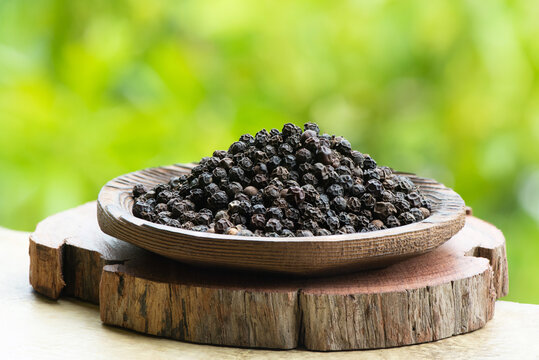
Modern Packaging Formats for B2B Export
Bulk exporters utilize several standardized packaging methods designed to match the handling infrastructure of the destination country:
- Woven Polypropylene (PP) Bags: The standard for global trade, usually packed in 25kg or 50kg capacities. PP bags provide excellent structural strength and durability, though they offer limited moisture protection.
- Multi-wall Kraft Paper Bags: Frequently requested by European buyers, these bags consist of 3 to 5 layers of food-grade paper, occasionally lined with a thin polyethylene (PE) inner barrier to block ambient humidity.
- Flexible Intermediate Bulk Containers (FIBC / Jumbo Bags): Ranging from 500kg to 1,000kg capacities, jumbo bags are ideal for industrial food manufacturers who utilize automated vacuum-unloading systems.
Container Management and Preventive Logistics
During sea transit, temperature fluctuations inside shipping containers can create “container sweat” (condensation). To combat this, export logistics teams install heavy-duty container desiccants (silica gel or calcium chloride bags) and line the interior walls with thermal insulation blankets or moisture-absorbent craft paper. A standard 20-foot dry container (FCL) can comfortably accommodate 13.5 to 15 metric tons of 500 G/L pepper, or up to 20 metric tons when utilizing specialized bulk-loading liners.
Conclusion: Utilizing Bulk Export Black Pepper Facts for Strategic Sourcing
Navigating the global agricultural supply chain requires more than just finding a low price; it demands a deep analytical focus on product quality, safety certifications, and logistical excellence. Armed with these comprehensive Bulk Export Black Pepper Facts, B2B buyers can confidently assess the structural components that drive value in the spice market. From understanding the superior mineral profiles of Vietnam’s basaltic soils to recognizing the critical food safety benefits of modern steam sterilization, a knowledgeable buyer is an empowered buyer.
As a leading Vietnamese agricultural exporter, VIHABA is dedicated to delivering high-grade black pepper that conforms to the most stringent international standards. By cultivating direct relationships with farming cooperatives in the Central Highlands and operating state-of-the-art cleaning and sterilization facilities, we provide a transparent, reliable, and premium supply chain for global distributors and food processors. Partner with VIHABA to secure your bulk spice supply and experience unmatched agricultural excellence from farm to port.
Bulk Export Black Pepper FAQ
Disclaimer: Unless otherwise stated, the images used in this article are the property of their respective owners. We do not claim ownership of any third-party images featured, and they are used here strictly for informational and educational purposes. If you are the copyright holder and wish to have an image removed, please contact us.