
In the competitive landscape of the global beverage industry, securing high-quality, transparent supply chains through Traceable Coffee Beans Unique SKUs has transitioned from a premium marketing advantage to an absolute operational necessity for B2B importers.
Table of Contents
- Global Coffee Market Overview & The Demands of Modern B2B Buyers
- The Strategic Advantage of Sourcing Traceable Coffee Beans Unique SKUs
- Vietnam’s Premier Coffee Cultivation Regions and Microclimates
- Advanced Processing Methods and Post-Harvest Innovations
- Quality Standards, Grading, and Export Specifications
- Export Packaging, Container Logistics, and Supply Chain Integrity
- Why Partner with VIHABA for Your Coffee Supply Chain
- Frequently Asked Questions (FAQs)
- Conclusion
Global Coffee Market Overview & The Demands of Modern B2B Buyers
The global coffee market is undergoing a seismic shift. Modern coffee consumers, driven by sustainability, ethics, and premium quality, are placing unprecedented demands on transparency. B2B importers, roasters, and distributors are no longer just buying coffee based on cost; they are evaluating suppliers based on environmental, social, and governance (ESG) compliance. The introduction of strict international regulations, such as the European Union Deforestation Regulation (EUDR), has fundamentally changed how agricultural commodities enter global markets.
Vietnam, as the world’s second-largest coffee producer and the undisputed king of Robusta coffee, is at the forefront of this transformation. Historically recognized for bulk commodity volume, the Vietnamese coffee industry is rapidly climbing the value chain. This evolution is marked by significant investments in specialty-grade beans, precision processing, and robust traceability networks. Today, global roasters look to Vietnam not only for volume stability but also for high-quality green coffee beans that offer complete origin integrity. Navigating this landscape requires a deep understanding of how green coffee is sourced, processed, and tracked from farm to port.
The Strategic Advantage of Sourcing Traceable Coffee Beans Unique SKUs
For high-volume roasters and specialty distributors, maintaining consistency across product lines is a constant challenge. This challenge is met head-on by organizing inventory into Traceable Coffee Beans Unique SKUs. But what does this concept mean in a professional agricultural trading context?
A traceable SKU goes beyond standard trade classifications. It represents a meticulously documented batch of coffee tied directly to specific geographic coordinates, farming cooperatives, and harvesting dates. By implementing unique SKUs with integrated traceability, importers gain unparalleled control over their supply chain. Every single bag can be verified for chemical usage, soil health, and social equity metrics. This granular visibility is critical for satisfying the rigorous compliance frameworks of North American and European markets.
Furthermore, sourcing customized SKUs allows roasters to lock in specific flavor profiles. Coffee is an organic product heavily influenced by microclimates and seasonal shifts. When a B2B buyer purchases generic standard-grade beans, they risk significant flavor variance between shipments. In contrast, sourcing unique, traceable SKUs ensures that the processing variables, moisture levels, and green bean density remain uniform across every container shipped. This consistency is what allows roasters to build brand loyalty with their end consumers, knowing that their signature blends will taste exactly as intended, shipment after shipment.
Vietnam’s Premier Coffee Cultivation Regions and Microclimates
To fully appreciate the diversity of Vietnamese coffee, one must understand the unique terroirs of the Central Highlands (Tay Nguyen) and surrounding mountainous zones. These regions provide the ideal soil, altitude, and climatic conditions for cultivating world-class coffee beans.
Buon Ma Thuot (Dak Lak Province) – The Heart of Robusta
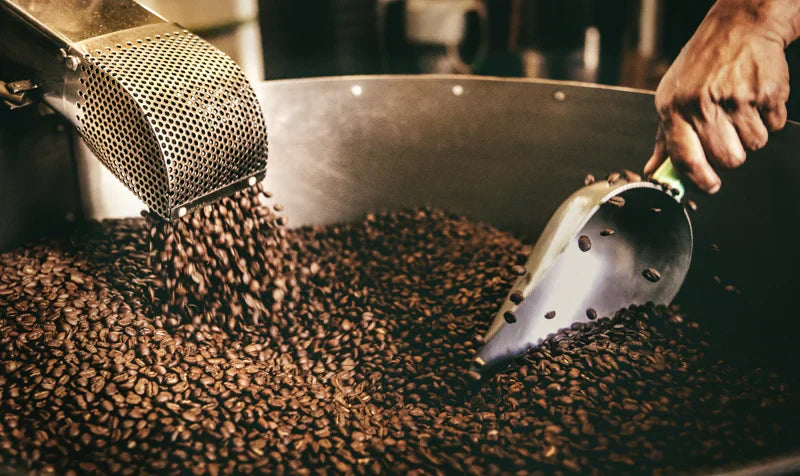
Often referred to as the coffee capital of Vietnam, Buon Ma Thuot sits on a fertile basaltic plateau about 500 meters above sea level. This red basaltic soil, rich in minerals and organically well-structured, is perfectly suited for Robusta trees. The region experiences distinct wet and dry seasons, allowing farmers to control the harvest cycle naturalistically. Buon Ma Thuot Robusta is celebrated for its heavy body, bold earthy-chocolate flavor profile, and low acidity, making it the preferred base for classic espresso blends and traditional Vietnamese drip coffee.
Lam Dong Province (including Da Lat) – The Arabica Haven
For premium Arabica, the high-altitude terrain of Da Lat in Lam Dong Province is unmatched. Reaching elevations between 1,200 and 1,600 meters, this region features cool, temperate weather year-round, frequent mists, and volcanic soil. Under these conditions, Arabica cherries ripen slowly, allowing complex sugars and organic acids to develop. Cultivars such as Catimor, Typica, and Bourbon grown here exhibit bright, refined acidity, floral aromas, and complex tasting notes of citrus and stone fruits, rivaling top Arabicas from Central America and East Africa.
Gia Lai and Kon Tum Provinces – Emerging Specialty Hubs
Further north in the Central Highlands, Gia Lai and Kon Tum offer higher-altitude plateaus suitable for both high-grade Robusta and specialty Arabica. Farmers in these areas have embraced sustainable agroforestry practices, planting shade trees and cover crops to preserve biodiversity. The resulting beans carry a clean cup profile with distinctive nutty and herbal undertones, contributing to highly sought-after single-origin micro-lots.
Advanced Processing Methods and Post-Harvest Innovations
The post-harvest processing method is the primary driver of coffee’s final flavor and physical performance during roasting. Vietnam’s leading exporters have moved far beyond traditional sun-drying to adopt advanced, highly controlled processing techniques.
The Washed Process (Fully Washed)
Washed processing is the standard for producing clean, crisp, and high-acidity profiles. Immediately after harvesting, ripe coffee cherries are depulped, and the remaining mucilage is removed through natural fermentation in water tanks. This fermentation typically lasts between 12 to 24 hours, depending on ambient temperatures. Once fermented, the beans are thoroughly washed and transferred to raised drying beds or mechanical dryers. This process highlights the bean’s intrinsic acidity and clean finish, minimizing any wild, earthy flavors.
The Natural Process (Dry Process)
In the natural process, the entire coffee cherry is dried intact on raised drying tables under the sun. This method requires intensive manual labor, as the cherries must be turned constantly to prevent uneven drying and mold development. As the cherry dries, the bean absorbs the natural sugars and fruit acids from the surrounding pulp. The resulting green beans have a heavy body, intense sweetness, and complex fruit-forward tasting notes (such as berries, stone fruits, and tropical notes). Natural processing is increasingly popular for specialty Robusta, transforming it into a complex, stand-alone gourmet beverage.
The Honey (Semi-Washed) Process
The honey process represents a hybrid approach that bridges the gap between washed and natural methods. The cherry skin is removed, but a portion of the sticky mucilage (the ‘honey’) is left on the bean during drying. Depending on the amount of mucilage retained and the duration of drying under shade or direct sun, this process is classified as Yellow, Red, or Black honey. The honey process yields a balanced cup with the clean acidity of a washed coffee paired with the rich body and sweetness of a natural.
Wet Polishing and Silverskin Removal
For high-end industrial and commercial applications, wet polishing is utilized to remove the silverskin of the green beans. This mechanical process polishes the outer layer, producing a visually pristine green bean that reduces chaff during roasting. Roasters prefer polished beans for their consistent heat absorption and clean roasting performance, particularly in high-volume hot-air roasters.
Quality Standards, Grading, and Export Specifications
To ensure consistency across international trade, Vietnamese green coffee is graded according to strict national and international standards. Buyers must evaluate physical attributes such as screen size, moisture content, defect count, and foreign matter to guarantee they are receiving premium raw materials.
The standard grading framework in Vietnam is based on the TCVN 4193 standard, which aligns closely with the Specialty Coffee Association (SCA) parameters. Green coffee is separated by size using screen sizes (expressed in 1/64ths of an inch). Screen 18 (roughly 7.1mm) and Screen 16 (roughly 6.3mm) represent the premium commercial grades, while Screen 13 is commonly used for standard blending or soluble coffee production.
Below is a comprehensive specification table detailing the quality standards of premium traceable Vietnamese coffee exports:
| Coffee Grade / Variety | Screen Size | Moisture (Max) | Black & Broken (Max) | Foreign Matter (Max) | Traceability Verification |
|---|---|---|---|---|---|
| Robusta Grade 1 (Screen 18) | Min 90% on Screen 18 | 12.5% | 2.0% | 0.5% | Farm-level QR, GPS Coordinates, EUDR Compliant |
| Robusta Grade 1 (Screen 16) | Min 90% on Screen 16 | 12.5% | 2.0% | 0.5% | Farm-level QR, GPS Coordinates, EUDR Compliant |
| Arabica Specialty Grade (Screen 16/18) | Min 95% on Screen 16+ | 12.0% | 1.0% | 0.1% | Single-Origin Plot Map, Barcode Tracking |
| Custom Micro-lot (Honey/Natural) | Customized | 11.5% | 0.5% | 0.0% | Full Lot History, Batch Fermentation Data Log |
To ensure these specifications are met, independent third-party inspection agencies such as SGS or Cafecontrol are routinely commissioned at the port of departure. They verify that the physical and chemical properties of the cargo match the contract specifications, giving buyers absolute peace of mind before shipping.
Export Packaging, Container Logistics, and Supply Chain Integrity
Green coffee beans are hydroscopic, meaning they actively absorb moisture from the surrounding environment. During ocean transit, temperature fluctuations inside shipping containers can create condensation (known as container rain), which leads to mold growth and musty flavors. Protecting the physical and sensory quality of green coffee during long-distance transit requires specialized packaging and logistical planning.
Advanced Hermetic Packaging
While traditional 60kg jute bags are still widely used for ventilation, modern specialty exports rely on hermetic barrier liners. Brands like GrainPro or Ecotact act as high-barrier bags placed inside the outer jute bag. These liners prevent moisture re-absorption and preserve the green bean’s original moisture level (ideally between 11% and 12.5%). Furthermore, they lock in the bean’s aroma and organic volatile compounds, significantly extending the shelf-life of the green coffee up to 12 months or more.
Container Stuffing and Moisture Mitigation
Before loading, containers must be thoroughly inspected for holes, rust, and odors. For premium shipments, container walls are lined with thermal insulation blankets to shield the coffee from extreme temperature swings during transit through tropical and temperate zones. High-capacity desiccant poles (dry-bags) are hung along the walls to absorb excess humidity. This rigorous attention to detail guarantees that when the container is opened at the destination port, the coffee is as fresh and clean as it was when it left the warehouse in Vietnam.
Why Partner with VIHABA for Your Coffee Supply Chain
Sourcing coffee in today’s complex global market requires more than just finding a supplier; it requires finding a strategic supply chain partner. VIHABA stands out as a leading Vietnamese agricultural exporter dedicated to bridging the gap between local farming cooperatives and discerning global buyers.
VIHABA’s core mission is to provide complete transparency and robust supply chain integrity. By working directly with farming communities in Buon Ma Thuot and Da Lat, we eliminate unnecessary middlemen, ensuring that farmers receive fair compensation while buyers enjoy competitive, direct-from-origin pricing. Our deep-rooted relationships allow us to monitor the cultivation and harvesting process firsthand, ensuring strict adherence to agricultural standards and sustainability principles.
We specialize in custom B2B solutions, offering tailored processing methods, precise grading, and custom-branded packaging. Whether you are looking for high-volume, EUDR-compliant Robusta for large-scale industrial roasting, or boutique specialty micro-lots with exceptional flavor profiles, our team manages the entire process with meticulous care. Our dedicated QA/QC teams inspect every batch, and our logistical expertise ensures smooth customs clearance and timely global delivery.
Conclusion
The global coffee trade has evolved into an era where quality and transparency are inextricably linked. For B2B importers looking to mitigate regulatory risks, secure stable supplies, and deliver outstanding taste profiles, securing a reliable supply chain is paramount. By partnering with a dedicated exporter like VIHABA, global roasters can confidently procure Traceable Coffee Beans Unique SKUs that guarantee compliance, consistency, and unparalleled cup quality. Contact VIHABA today to elevate your coffee portfolio and build a sustainable, future-proof sourcing partnership.
Traceable Coffee Beans Unique SKUs FAQ
Disclaimer: Unless otherwise stated, the images used in this article are the property of their respective owners. We do not claim ownership of any third-party images featured, and they are used here strictly for informational and educational purposes. If you are the copyright holder and wish to have an image removed, please contact us.