
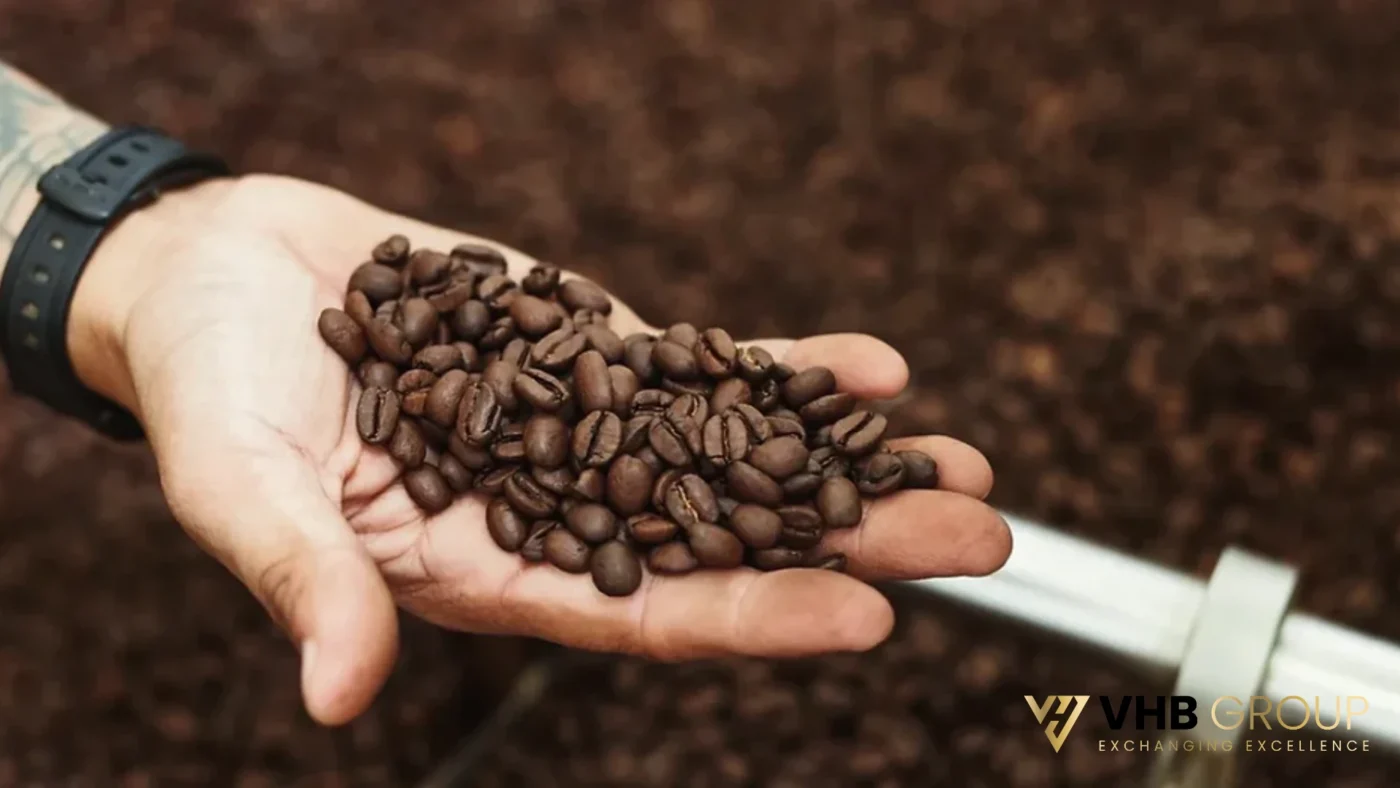
In the evolving global beverage market, securing a transparent supply chain begins with sourcing high-quality, Traceable Coffee Beans. As international trade regulations tighten and modern consumers demand absolute clarity regarding the origin of their daily brew, global importers can no longer rely on opaque supply networks. B2B buyers, roasters, and multinational beverage brands require granular transparency, from the exact geographic coordinates of the coffee farm to the precise processing methods employed post-harvest.
Establishing this degree of transparency is not merely an ethical choice; it is a critical regulatory and operational imperative. By partnering with dedicated agricultural exporters like VIHABA, global buyers can secure robust supply chains that mitigate regulatory risks while delivering superior quality. This comprehensive guide details how supply chain transparency is redefining the coffee export market, the technical specifications of our premium offerings, and why sourcing documented coffee is the ultimate strategy for modern beverage enterprises.
Table of Contents
- The Growing Demand for Traceable Coffee Beans in Global B2B Trade
- The Journey from Farm to Cup: Sourcing and Geolocation
- Technical Specifications and Quality Standards
- How VIHABA Guarantees the Quality and Origin of Our Traceable Coffee Beans
- Logistics, Preservation, and Global Export Infrastructure
- Frequently Asked Questions
- Conclusion: Secure Your Premium Coffee Supply
The Growing Demand for Traceable Coffee Beans in Global B2B Trade
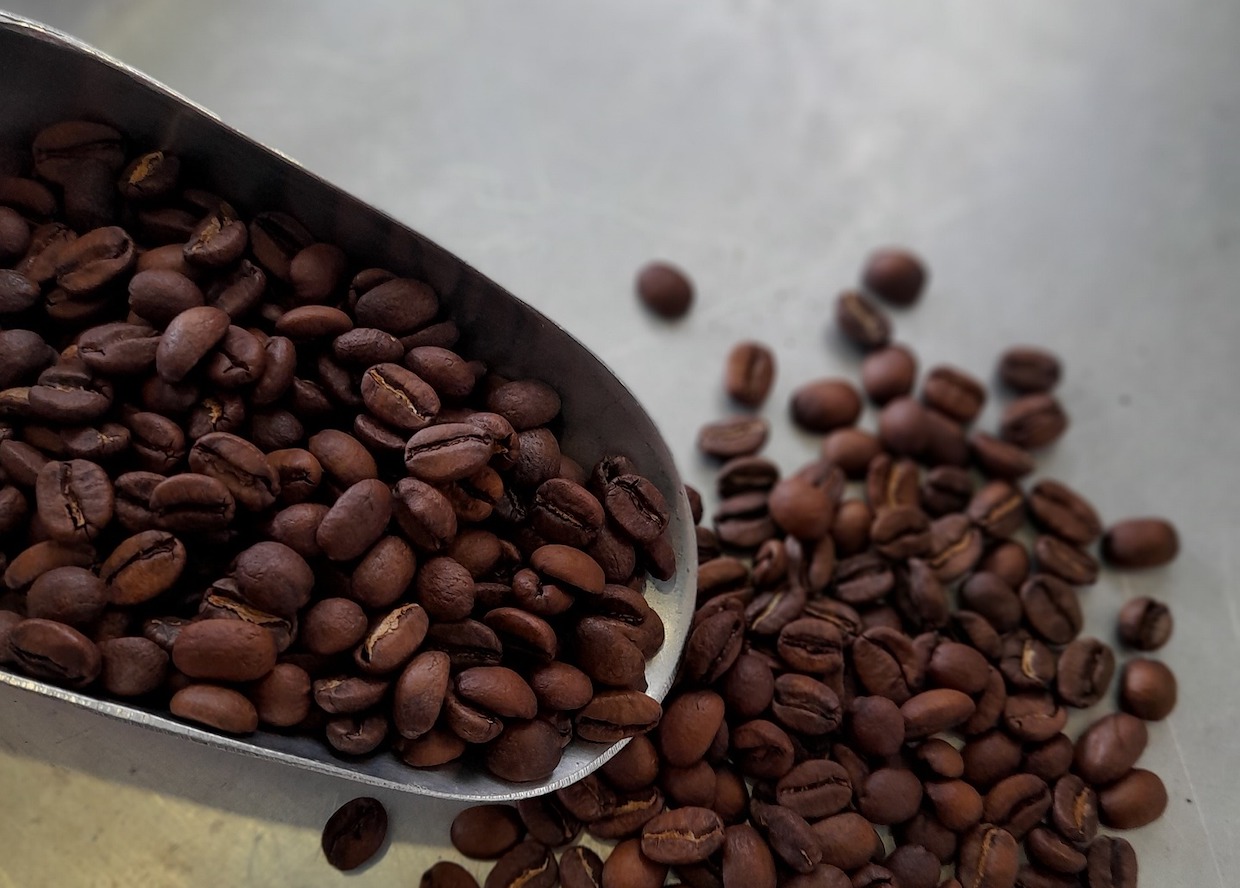
The global coffee trade is undergoing a paradigm shift. Historically, coffee green beans were treated as a fungible commodity, blended in massive port silos with little regard for individual farm origins. Today, the demand for Traceable Coffee Beans is skyrocketing, driven by a combination of stringent international trade policies, changing consumer demographics, and the necessity of ESG (Environmental, Social, and Governance) compliance.
One of the most significant catalysts for this transformation is the European Union Deforestation Regulation (EUDR). Under this mandate, any operator placing coffee on the EU market must prove that the product did not originate from recently deforested land or contribute to forest degradation. This proof requires exact geolocation data for every plot of land where the coffee was harvested, coupled with reliable time-stamps. Non-compliance results in severe financial penalties, seizure of goods, and exclusion from lucrative Western markets. Consequently, verified provenance is no longer a luxury reserved for micro-lots; it is a baseline entry requirement for bulk commercial trade.
Beyond regulatory compliance, multinational beverage brands leverage traceability to build brand equity. Modern consumers are willing to pay a premium for products that tell a story of fair wages, environmental stewardship, and verified quality. By providing verifiable data points back to the cooperative or farm level, brands can foster deep consumer trust, protect themselves from greenwashing allegations, and secure long-term customer loyalty.
The Journey from Farm to Cup: Sourcing and Geolocation
Vietnam, as the world’s second-largest coffee producer and the undisputed leader in Robusta production, stands at the center of this supply chain revolution. VIHABA’s sourcing operations are strategically centered in the Central Highlands of Vietnam, particularly in legendary coffee-growing provinces such as Dak Lak, Lam Dong, and Gia Lai. These regions possess the ideal volcanic basalt soil, high altitudes, and distinct wet and dry seasons required to cultivate exceptional coffee profiles.
Our commitment to trace origins begins at the farm level. We establish direct partnerships with local smallholder farmers and agricultural cooperatives. Instead of purchasing anonymous lots from local middlemen, we map each participating farm using GPS polygon mapping. This technology records the precise boundaries of each farm, ensuring that none of our coffee is grown on protected forest land. This rigorous mapping protocol forms the foundation of our compliance framework, providing our B2B partners with absolute certainty regarding the origin of every metric ton shipped.
During the harvest season, which typically runs from October to January, farmers hand-pick mature, cherry-red coffee fruits. Hand-harvesting ensures that only optimally ripe cherries are selected, vastly reducing primary and secondary defects. Once harvested, the cherries are delivered to regional processing centers where they undergo meticulously monitored processing methods, including natural dry processing, fully washed processing, and honey processing. Each batch is assigned a unique tracking code that remains with the lot through hulling, polishing, sorting, and packaging.
Technical Specifications and Quality Standards
Quality in the B2B coffee trade is defined by precision. For roasters and beverage manufacturers, consistency across shipments is vital to maintaining flavor profiles and production efficiency. VIHABA maintains strict adherence to international grading standards, ensuring that our green coffee beans meet the highest physical and sensory benchmarks.
Our processing facilities utilize state-of-the-art optical sorters, density tables, and multi-stage screening decks to classify beans by size and eliminate foreign matter. We offer a range of grades tailored to the specific needs of our global clientele, from premium Grade 1 Wet-Polished Robusta to specialty-grade Arabica. Below are the standard technical specifications for our primary export-grade coffee beans:
| Specification Parameter | Robusta Grade 1 (Screen 18) | Arabica Grade 1 (Screen 16) | Testing/Verification Method |
|---|---|---|---|
| Moisture Content | Max 12.5% | Max 12.0% | ISO 1447 Pin-type Moisture Meter |
| Foreign Matter | Max 0.1% | Max 0.1% | Manual & Optical Sorting Verification |
| Black & Broken Beans | Max 1.0% | Max 1.0% | Physical count per 300g sample |
| Screen Size (Retention) | Min 90% on Screen 18 (7.1mm) | Min 90% on Screen 16 (6.3mm) | Standard metal sieves shaking test |
| Admixture | Max 0.5% | Max 0.5% | Physical separation and weighing |
| Defects Count (SCA) | N/A (Standard Commercial Grading) | Max 5 full defects per 300g | Specialty Coffee Association (SCA) protocol |
By maintaining moisture levels strictly below 12.5%, we mitigate the risk of mold formation and lipid degradation during long-distance maritime transit. This careful control guarantees that the beans arrive at their destination port with their organic structures intact, ready for optimal roasting.
How VIHABA Guarantees the Quality and Origin of Our Traceable Coffee Beans
Securing a transparent supply chain requires more than verbal assurances; it demands robust, third-party verified quality management systems. At VIHABA, we have integrated rigorous quality assurance protocols at every node of our logistics and production pipeline to deliver certified, high-performance ingredients to our global B2B clients.
Our operations are certified under leading international standards, including ISO 22000 for food safety management and HACCP (Hazard Analysis Critical Control Point). Additionally, we work closely with international verification bodies to offer UTZ/Rainforest Alliance and 4C (Common Code for the Coffee Community) certified options. These certifications guarantee that the farms in our network adhere to sustainable agricultural practices, minimize chemical inputs, protect local biodiversity, and treat workers ethically.
Technological Innovation in Documenting Traceable Coffee Beans
To provide undeniable proof of origin, VIHABA utilizes advanced digital record-keeping. Every batch of coffee processed in our facilities is assigned a unique QR code and digital ID. This ID contains a comprehensive dataset, including the geolocation of the sourcing cooperative, harvest date, processing method, moisture readings, and the specific warehouse where the beans were stored.
This digitized tracking system eliminates the vulnerabilities of paper-based documentation. When a container of our coffee arrives at a European, American, or Asian port, the importer can instantly access the complete pedigree of the shipment. This transparency simplifies customs clearance, speeds up import inspections, and provides absolute peace of mind to compliance officers managing strict regional import mandates.
Logistics, Preservation, and Global Export Infrastructure
The journey from a processing facility in Vietnam to an international roasting plant is fraught with environmental hazards. Coffee beans are highly hygroscopic, meaning they readily absorb moisture from the surrounding air. Changes in temperature during ocean transit can cause condensation inside containers—a phenomenon known as ‘container sweat’—which can ruin an entire shipment by triggering mold or mustiness.
To preserve the pristine quality of our coffee, VIHABA employs advanced export packaging solutions. We offer standard bulk shipment in food-grade, single-use jute bags lined with high-barrier hermetic inner liners (such as GrainPro or equivalent multi-layer polymer bags). These hermetic liners create a modified atmosphere that locks in the green coffee’s natural moisture, blocks oxygen ingress, and prevents insects from penetrating the product. For large-scale industrial buyers, we also offer bulk shipping in dry container liners, optimizing logistics costs while maintaining strict preservation standards.
Our logistics team coordinates closely with premier global shipping lines to ensure timely transit. We manage all essential export documentation, including Bills of Lading, Phytosanitary Certificates issued by the Vietnamese Ministry of Agriculture, Certificates of Origin (Form A, Form B, or EUR.1 where applicable), and detailed packing lists. Our deep familiarity with international customs procedures minimizes port dwell times, ensuring that your raw materials arrive fresh and on schedule.
Conclusion: Secure Your Premium Coffee Supply
As the international beverage sector moves toward greater accountability, sourcing verified agricultural raw materials is no longer optional. Investing in documented raw materials ensures regulatory compliance, elevates your brand’s market standing, and guarantees the consistent quality your customers expect. By securing high-quality, Traceable Coffee Beans from a reliable, certified exporter like VIHABA, your enterprise can confidently navigate trade barriers while optimizing supply chain performance.
VIHABA is committed to being your long-term strategic partner in agricultural sourcing. With our extensive network of mapped farms in Vietnam’s premier growing regions, state-of-the-art processing capabilities, and complete export documentation support, we make sourcing premium coffee effortless and highly secure. Contact our B2B export specialists today to request custom samples, review our detailed compliance certifications, and secure competitive wholesale quotes tailored to your business needs.
Traceable Coffee Beans FAQ
Disclaimer: Unless otherwise stated, the images used in this article are the property of their respective owners. We do not claim ownership of any third-party images featured, and they are used here strictly for informational and educational purposes. If you are the copyright holder and wish to have an image removed, please contact us.