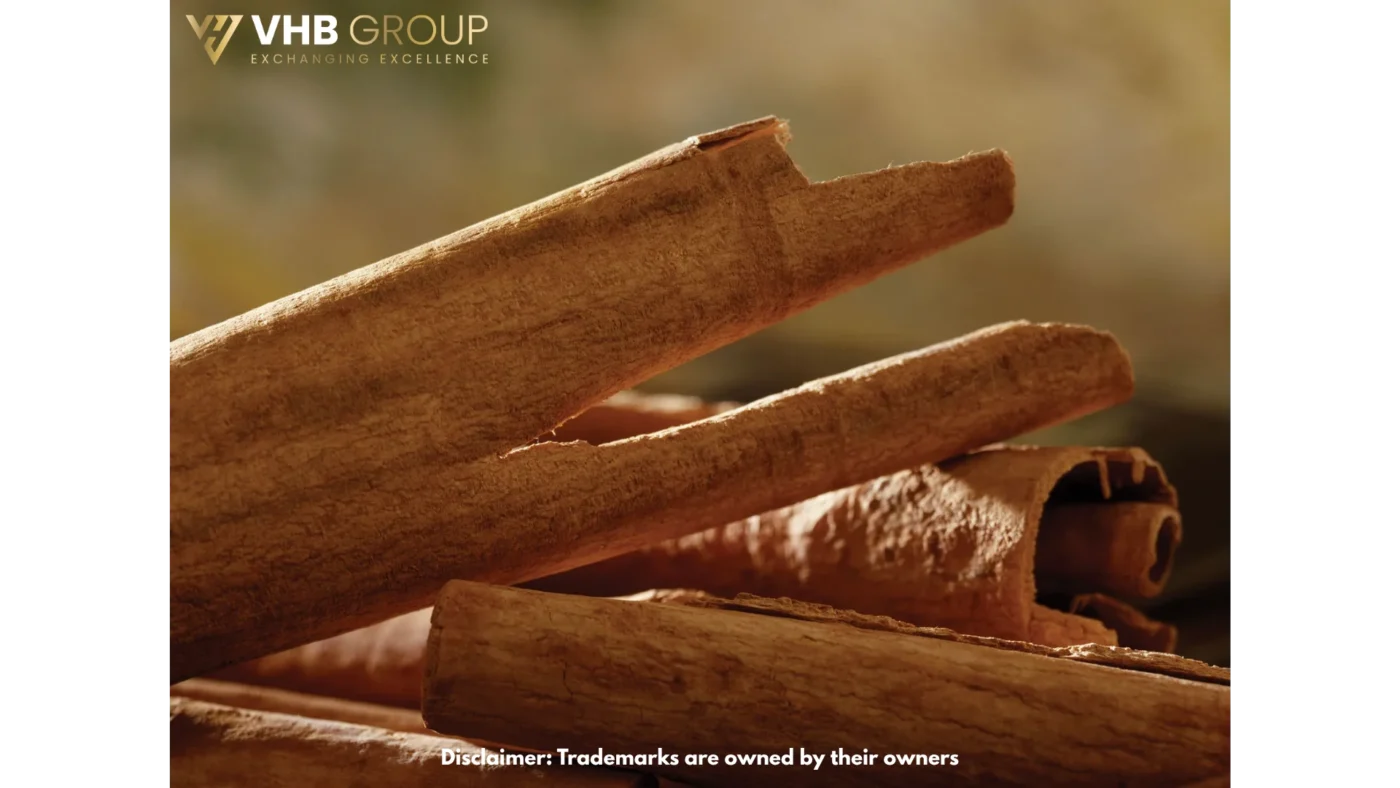
Analyzing the Ceylon Cinnamon Sticks Distribute Channel network provides a detailed roadmap for moving true Ceylon cinnamon from primary estate washing stations in Sri Lanka to global gourmet food manufacturers, specialty spice packagers, tea blenders, and retail chains. Building a resilient Route-to-Market (RTM) strategy requires navigating multi-tiered distribution layers—including ocean freight logistics, humidity-controlled warehousing, customs clearance handling, and multi-channel last-mile delivery.
Optimizing these channels enables procurement directors and logistics managers at VHB Group to lower landed freight costs, preserve delicate quill structure, maintain volatile oil content, and ensure continuous material flow to international buyers.
Table of Contents
-
The Multi-Tiered Supply Chain for Ceylon Cinnamon Quills
-
Direct Estate Sourcing vs. Import Trading Consolidators
-
Route-to-Market Matrix Across End-Use Industry Sectors
-
Warehousing Parameters, Humidity Controls, and Fragile Quill Handling
-
Digital Traceability and Supply Chain Risk Management
-
Frequently Asked Questions (FAQ)

1. The Multi-Tiered Supply Chain for Ceylon Cinnamon Quills
The global distribution network for Ceylon cinnamon operates through structured B2B channels designed to handle high-value, delicate spice quills efficiently:
[Origin Peeling Cooperatives (Southern Sri Lanka)]
                        │
                        ▼
    [Primary Export Processing & Sorting Hub]
  (Grades: Alba, C5, C4, Cutting, Poly Packaging)
                        │
        ┌───────────────┴───────────────┐
        ▼                               ▼
 [Direct B2B Importers]      [Import Trading Houses]
 (Gourmet Brands & Tea)      (Regional Warehousing & Spot)
        │                               │
        ▼                               ▼
 [Food Processing Plants]    [Specialty Supermarkets & Chains]
-
Origin Peeling Cooperatives: Harvesting mature stems, executing manual peeling, rolling quills, and curing bark in shade sheds.
-
Export Processing Hubs: Sorting quills into official SLSI grades (Alba through H1), cutting quills to uniform lengths, and filling poly-lined master cartons.
-
Direct B2B Importers: Shipping full container loads (FCL) directly to large gourmet spice brands, tea blenders, and pharmaceutical extractors.
-
Import Trading Houses: Distributing palletized carton inventory to regional spice packagers, health stores, and food service caterers.
2. Direct Estate Sourcing vs. Import Trading Consolidators
Commercial buyers access Ceylon cinnamon through two primary supply channels:
Direct Estate Sourcing
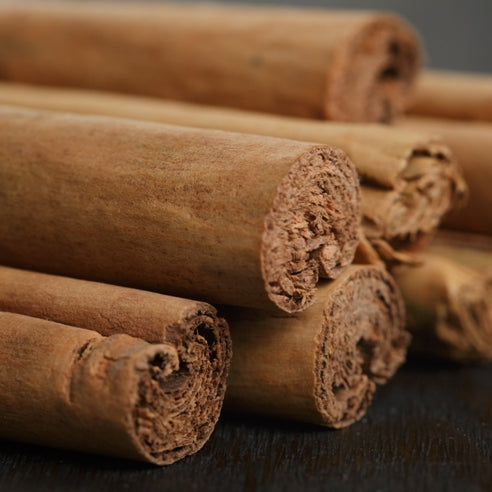
Gourmet spice brands and large tea manufacturers establish direct annual supply contracts with primary origin processing cooperatives in Sri Lanka. Shipments move in full container loads (FCL) of cut quills or bales directly to processing facilities.
-
Key Advantage: Delivers the lowest landed cost per kilogram; guarantees strict grade consistency, organic transaction certificates, and direct farm-to-factory traceability.
-
Trade-Off: Requires substantial Minimum Order Quantities (MOQs, typically 1x20ft FCL minimum) and ocean transit lead times (30–45 days).
Import Trading Houses and Local Spot Warehousing
Specialty retailers, regional caterers, and small food processors source through spice import consolidators who maintain local inventory in regional warehousing hubs (e.g., Rotterdam, Hamburg, Los Angeles).
-
Key Advantage: Provides small order quantities (single cartons or pallets), rapid local delivery (2–5 days), and localized customs clearance handling.
-
Trade-Off: Higher unit cost per kilogram due to intermediate warehousing margins and localized freight handling.
3. Route-to-Market Matrix Across End-Use Industry Sectors
Different customer segments demand tailored packaging formats, delivery timelines, and logistics setups:
| Industry Segment | Primary Customer Outlets | Dominant Packaging SKU | Transport Mode | Relative Channel Gross Margin |
| Gourmet Spice Brands | Supermarkets & Specialty Retail | 8cm / 10cm Alba / C5 Cut Cartons | Full Container Load (FCL) | High Quality-Driven Margin |
| Specialty Tea Blenders | Tea Manufacturers & Cafes | 10cm C5 / C4 Cut Cartons | FCL Ocean Containers | High Volume Margin |
| Pharmaceuticals & Health | Supplement Manufacturers | C5 / C4 Bulk Poly Cartons | Palletized Freight / FCL | Premium Margin |
| Commercial Grinding | Spice Mills & Extractors | 42″ Full-Length Compressed Bales | FCL Ocean Containers | Lean Volumetric Margin |
4. Warehousing Parameters, Humidity Controls, and Fragile Quill Handling
Ceylon cinnamon quills are fragile and hydroscopic. Maintaining product quality across global warehouse networks requires systematic physical handling and environmental controls:
-
Relative Humidity Control: Warehouses must maintain Relative Humidity below 60% RH. Excess moisture causes fragile quills to absorb atmospheric humidity, risking mold growth (Aspergillus) and soft structural degradation.
-
Temperature Control: Ideal storage temperatures range between 15°C and 20°C (59°F to 68°F) in dry, dark, sheltered conditions away from direct sunlight and strong external odors.
-
Carton Stacking Limits: Master cartons containing fragile cut quills must be corner-boarded and stacked no more than 4 cartons high to prevent crushing bottom quills.
5. Digital Traceability and Supply Chain Risk Management
Maintaining consistent supply chain performance from Sri Lankan estates to receiving plants requires systematic tracking:
-
Digital Origin Traceability: VHB Group utilizes batch lot tracking mapped to peeling dates, SLSI grade classifications, detailed Certificates of Analysis (CoA), and origin shipping manifests.
-
EUDR Geolocation Mapping: Every exported consignment includes verified GPS polygon coordinates mapping back to partner smallholder plantation plots in southern Sri Lanka.
Ceylon Cinnamon Distribute Channel FAQ
Disclaimer: Unless otherwise stated, the images used in this article are the property of their respective owners. We do not claim ownership of any third-party images featured, and they are used here strictly for informational and educational purposes. If you are the copyright holder and wish to have an image removed, please contact us.